
Translation result
By Lee Jun-seop, News Culture — The series Korean Travelogue will air a special segment this week titled “Adults’ Side Projects.”
At some point, the motion of life’s fast pace falters, and people begin to act on a simple resolve: “Now I’ll do what I love.” This series follows those quiet moments of transition with careful attention.
This episode emphasizes how small, personal choices change the tone of a life rather than celebrating grand success or dramatic twists. It shows how everyday elements—nature, study, dance, animals, stone and soil—return to the center of people’s days.
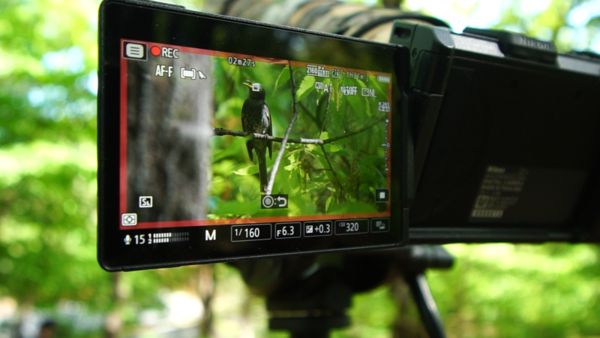
■Twenty years watching birds, an unending quest
On the foothills outside Daejeon, even after dawn he rarely takes down his tent. Lee Hyun-ung structures his day around the moments when birds appear.
He makes his living as a produce wholesaler, but his true hours begin after work. During breeding season he crisscrosses mountains nationwide, recording bird behavior. A telephoto camera, camouflage gear and long stretches of silence are his basic tools.
He wasn’t a bird expert at first.
About 20 years ago, after accidentally photographing a common kestrel, he became captivated by nature’s refusal to repeat the same scene twice. Recording turned into a habit, and habit became a way of life.
He’s identified more than 500 bird species to date. His archive has grown beyond a private collection into a social presence connecting with 590,000 followers.
Observation has ceased to be a solitary act and become a shared world.
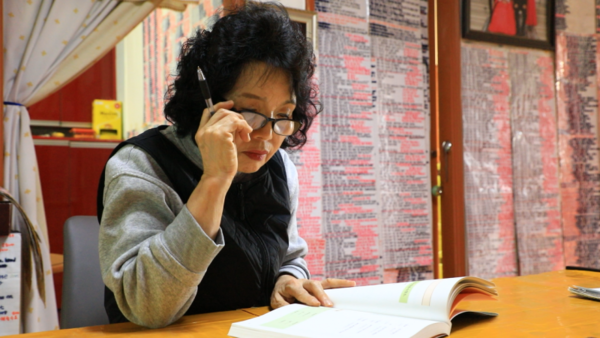
■Late-start study: 700 pieces of language covering the walls
In another part of Daejeon, a very different immersion is underway. Song Sun-ja’s home outgrows the label “study room.”
She ran a hair salon for years. After turning 60, she began studying English. Small moments—sentences she couldn’t understand—accumulated, and the gap pulled her back into learning.
Her method surprised people. Instead of notes on a desk, the walls became her primary study tool.
Calendars, Post-its and handwritten cards cover the entire space. She has posted more than 700 English phrases on the walls.
She chose exposure over rote memorization: seeing phrases in passing and repeating them in daily life. Rather than trying to force instant recall, she raises the frequency of encounters so that memory returns more often than it fades.
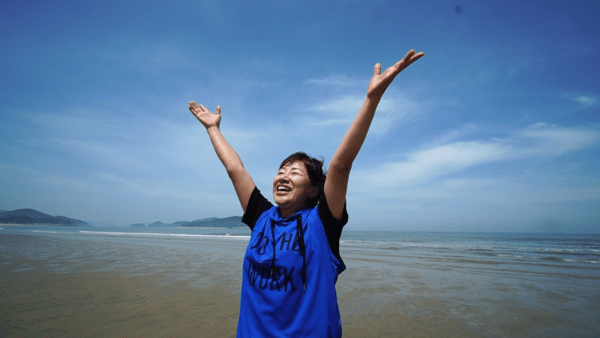
■Rhythm born on an island: the spread of shuffle dance
On Imjado in Shinan County, where sea meets rice paddies, Kim Hyun-hwa delivers packages.
But she has another identity: shuffle-dance evangelist. After work she plays music and dances with neighbors.
She first discovered shuffle dance in the city.
Back on the island, that movement became daily energy. What began as a solitary pastime turned into a neighborhood activity, and video clips spread beyond the village.
After the connecting bridge opened and travel grew easier, she returned to the city to study dance and came back to teach others.
As learning and sharing repeated, Imjado transformed into a small dance community.
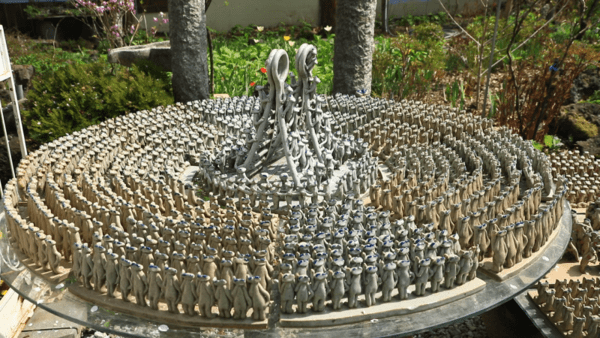
■A world born at the fingertips: a garden of stone and frogs
In Gapyeong, Gyeonggi Province, a garden at the forest’s edge reveals an unexpected scene: thousands—now tens of thousands—of frog sculptures fill the space.
Namgung Young began shaping frogs with the hands he uses for pottery.
What started as a hobby multiplied over time. Today his works number around 50,000 and make up the garden.
The frogs placed among the wildflowers his wife tends are not mere ornaments. With changing seasons, light and shadow lend them new expressions.
In Geoje, another form of accumulation is unfolding.
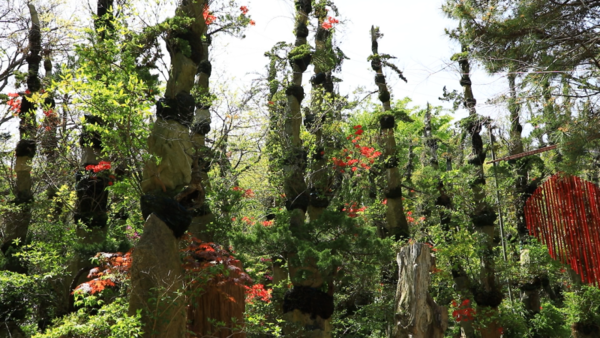
Lee Seong-bo built a garden from stones he collected over 30 years. While working in Seoul he became fascinated with distinctive stones; after returning home he began hauling them in.
He gathered the equivalent of about 200 five‑ton truckloads in one place. With orchids and other plants added, the stone garden took on a cohesive, sculptural quality.
His hobby gradually turned into an art of accumulation, and the space itself became a record of time.
■Choices after wounds: a life with animals
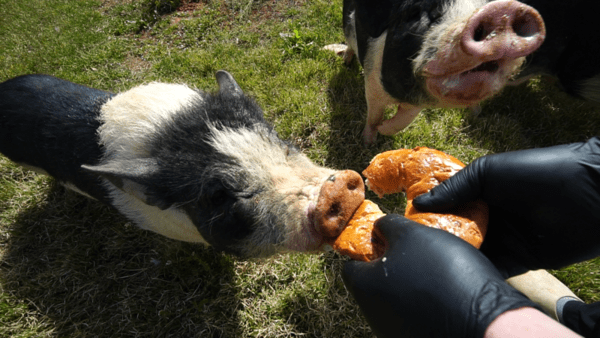
At a Chinese restaurant in Seosan, Chungcheongnam-do, pigs, goats and geese live beside the kitchen where hand-pulled noodles are made.
Ji Heung-seon used the hands that have been pulling noodles for nearly 40 years to build another world. After suffering breaches of trust and other personal wounds, he found a new balance through relationships with animals.
The pig family nicknamed Honey-Sooni and Honey-Dori anchors his daily routine. He shares in their feeding, walks and growth.
Though he reduced business hours, he filled the space with more life.
■On Jirisan, another time shaped from soil
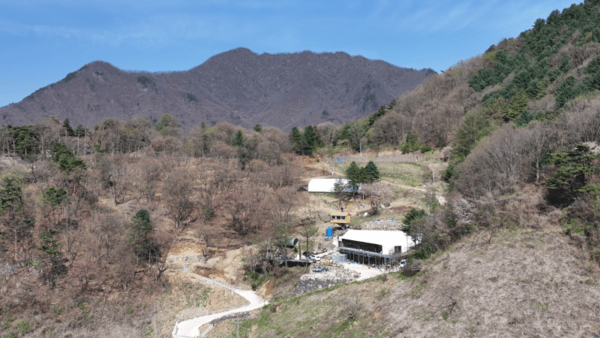
Odosae Pass on Jirisan sits at about 750 m (roughly 2,460 ft).
Gwak Jung-sik has lived there for 10 years.
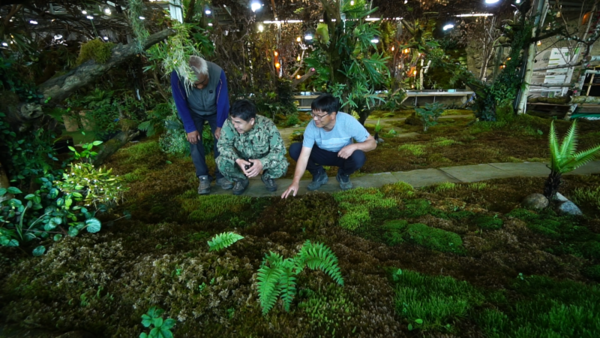
Once the owner of an auto repair shop, he decided to break out of a repetitive routine. He dug an earth cellar by hand, planted an apple orchard and reshaped his daily life.
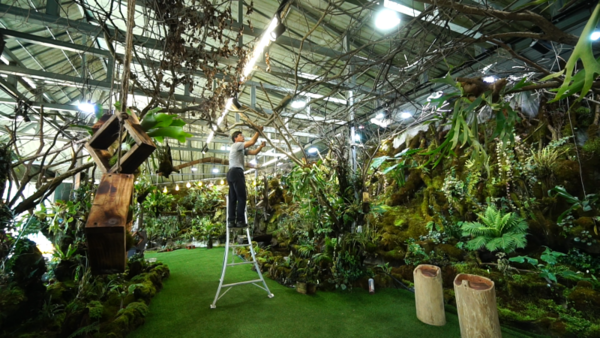
Recently he built a greenhouse over the cellar to cultivate a moss garden. The moss shifts color with humidity, light and temperature, showing subtler changes than the seasons.
The place functions more as an observatory than a production site. It does not aim for completion; it keeps transforming.
The Korean Travelogue episode “Adults’ Side Projects” shows how personal choices reorganize daily life after a work-centered existence. The subjects come from different backgrounds, but they share one clear common thread: the decision to change the direction of their time.
Lee Jun-seop, News Culture rhees@nc.press










Most Commented