
Translation result
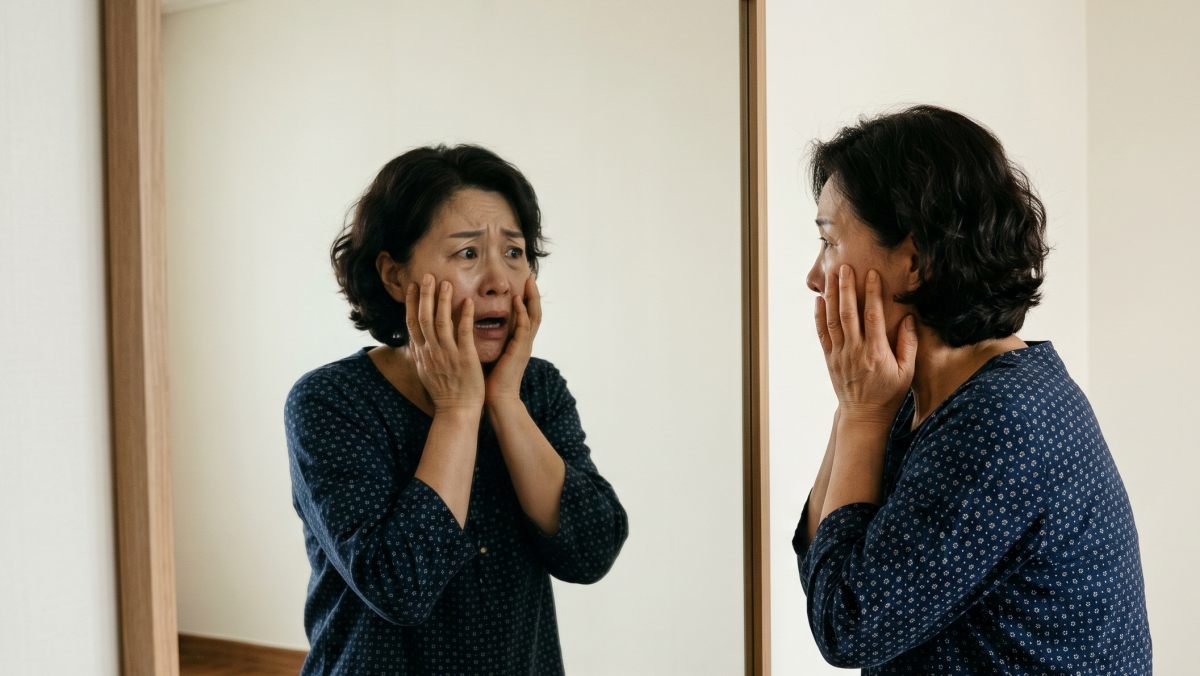
Many people chase quick tricks to improve their appearance, yet they often overlook the everyday habits that quietly degrade their looks over time. If the face in the mirror no longer looks like the one you remember, it may not be just aging — it could be the cumulative, physical effect of small, unconscious habits you repeat every day.
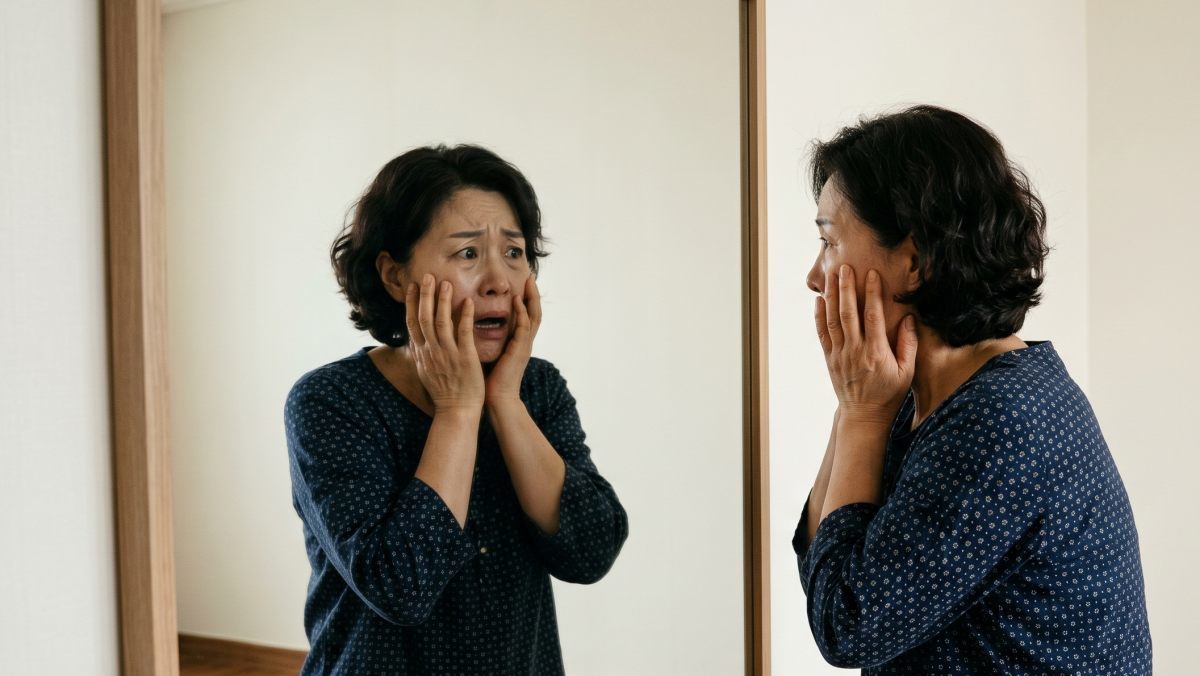
The self-care channel ClassyTV examined six habits — supported by scientific evidence — that can unknowingly harm your appearance.
Postures That Alter Face Shape and Symmetry
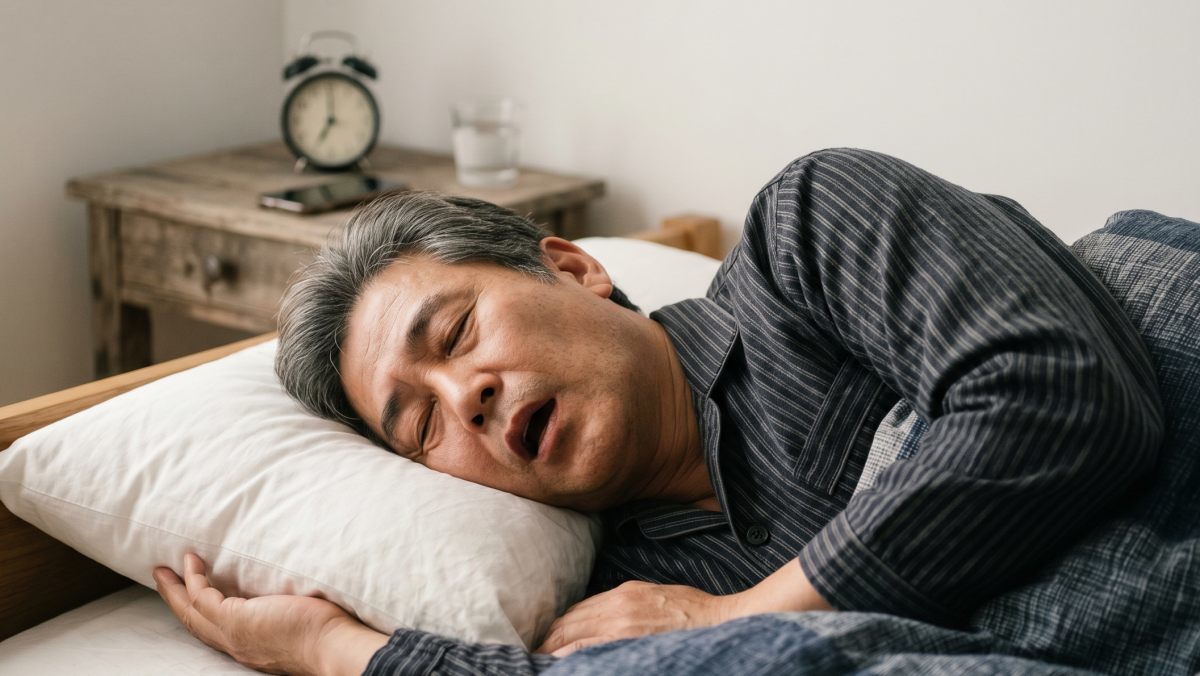
The first habit to guard against is mouth breathing. Breathing through the mouth, especially in children during growth, is linked to an “adenoid face”: a longer-than-normal face, a protruding mouth, and a receding chin. A documented case involved sisters Kelly and Samantha — one habitually breathed through her nose and the other through her mouth, and their facial profiles diverged dramatically over time. Adults are not exempt. With the mouth closed, the tongue should rest against the roof of the mouth; mouth breathing lets the tongue drop, narrowing the upper jaw and weakening the face’s structural support, which blunts the jawline. To correct this, practice keeping your lips closed and, if necessary, use aids like tape during sleep to train nasal breathing.
Daily postures that cause facial asymmetry also harm your looks. Sleeping consistently on the same side concentrates collagen and elasticity loss on the skin pressed against the pillow, producing deeper wrinkles on one side of the face. That pressure can compress cheekbones, the jaw, and the cartilage beside the nose, creating physical asymmetry. Chewing only on one side, habitually propping your chin with your hand, or biting pens and nails unbalance the chewing muscles and disturb left‑right facial symmetry. Those imbalances often make one side of the face look awkward in photos, and when they affect posture more broadly they can contribute to rounded shoulders and a forward head posture that makes the face appear less confident.
Habits That Shape Expression and Skin Health
Repeated facial expressions you make without thinking leave lasting marks. People who open their eyes by overusing the forehead muscles rather than the eyelids tend to develop deep horizontal forehead lines regardless of age. Furrowing the brow when concentrating creates a harsher expression and permanent glabellar lines. The position of a lip-related muscle — described here as the golguldae — also matters: in many Western faces it sits above the corners of the mouth, creating a subtle resting smile, while in many East Asian faces it sits below the mouth corners, which can make the lips droop or look flat at rest. Regularly exercising the muscles that lift the mouth corners helps maintain a brighter, more approachable expression.
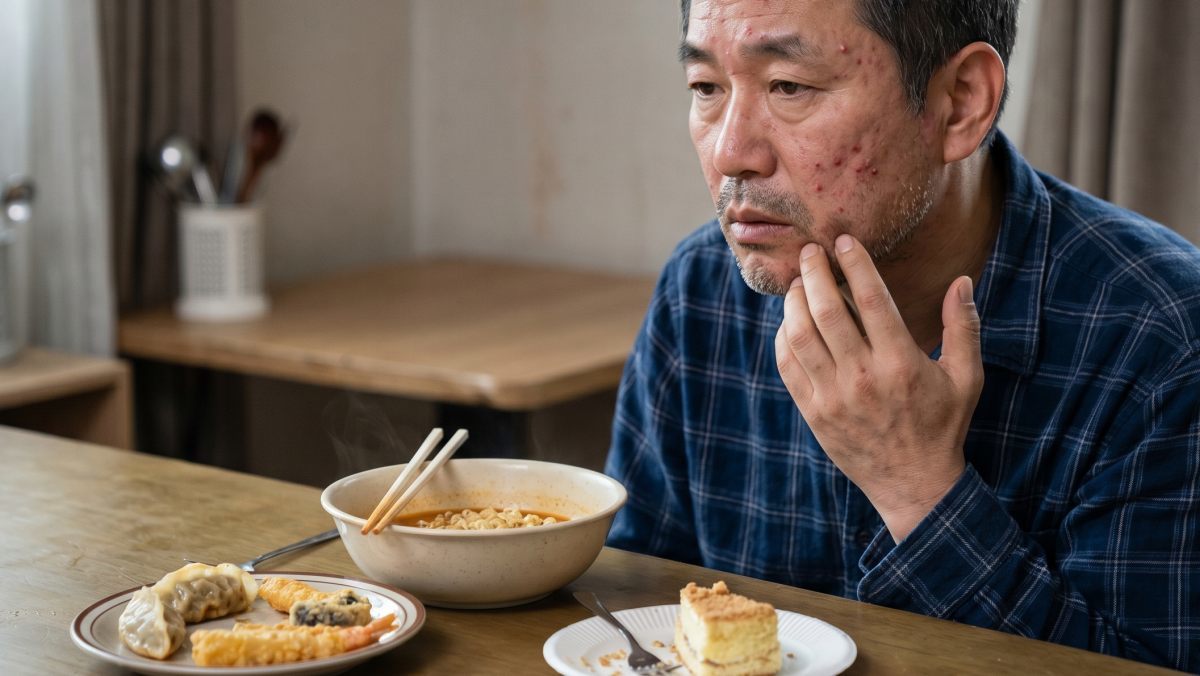
Examine dietary habits that directly damage your skin. Excessive caffeine dehydrates the body and speeds collagen breakdown, leaving skin dry, older-looking, and dull. High‑glycemic foods — such as white rice, instant noodles, fried foods, and cake — spike blood sugar, boost insulin, and stimulate sebaceous glands, triggering acne and breakouts. Research at the Harvard School of Public Health found that teens who frequently drink milk, especially skim milk, had a 22% higher rate of acne than those who did not, likely because hormones in milk stimulate oil production. By contrast, eating omega-3–rich fish like salmon and mackerel and anti‑inflammatory foods such as blueberries and broccoli, and drinking 1.5–2 liters of water a day, strengthen the skin barrier and are among the most affordable ways to improve complexion.
Daily Patterns That Determine Your Appearance

Poor smartphone posture, a chronic modern problem, is another key contributor to appearance decline. Tilting your head sharply to stare at a screen not only causes “text neck” but also accelerates the development of a double chin as tissues in the lower jaw sag. Deep neck folds that form when the neck bends can make you look much older. Repetitive digital stimulation from short videos or gaming can foster dopamine-driven habits that increase stress sensitivity and tense facial muscles. Blue light from phones degrades sleep quality and contributes to dark circles and under‑eye puffiness. To reduce these effects, hold devices closer to eye level and limit viewing of highly stimulating content.
Finally, sleep deprivation can ruin your appearance almost overnight. A study at the Karolinska Institute in Sweden found that people restricted to five hours of sleep a night looked sallow, developed darker under‑eye circles, and were judged less attractive than those who slept eight hours. Experts recommend at least 6.5 hours of sleep and emphasize the importance of the first three hours of deep sleep, when growth hormone supports skin regeneration and collagen production. Aim to go to bed between 11 p.m. and midnight to align with melatonin’s optimal window, and get morning sunlight to stop melatonin production; a consistent sleep schedule is essential for maintaining skin elasticity and a lively expression.
Viewer Feedback and Practical Resonance
The video has surpassed 500,000 views on YouTube and drawn widespread attention. Viewers responded passionately, reflecting on their own habits. Many said that rigorously following the three pillars of self‑care — sleep, nutrition, and exercise — can help overcome physical limits, and they renewed their focus on staying hydrated. Some commented that it’s realistically hard to stop sleeping on a preferred side, and many were surprised that small daily habits could explain gradual declines in their appearance.
One viewer drew particular attention by noting that mouth breathing not only alters facial structure but can cause bad breath, which lowers overall likability. Audiences also broadly agreed that dopamine overstimulation from digital content and chronic sleep loss are real drivers of appearance decline. In the end, viewers’ reactions reinforced a simple truth: lasting beauty starts not with flashy fixes but with faithfully practicing the basics of daily life.















Most Commented