
Translation result.
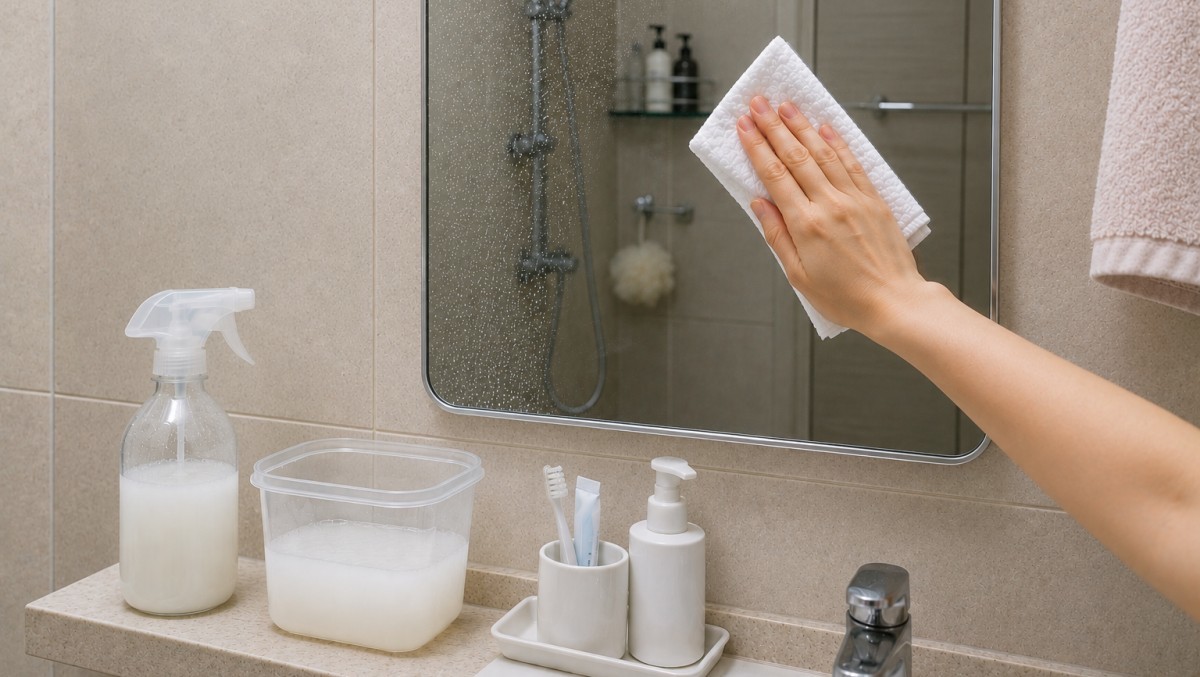
We use the bathtub and kitchen every day, but stubborn grime and grease accumulate over time and ordinary rinsing often won’t remove them. Many people worry that harsh chemical cleaners will harm their respiratory health or the environment, yet they also dislike the unsightly buildup. Before buying expensive commercial products, try common kitchen ingredients you probably already have.
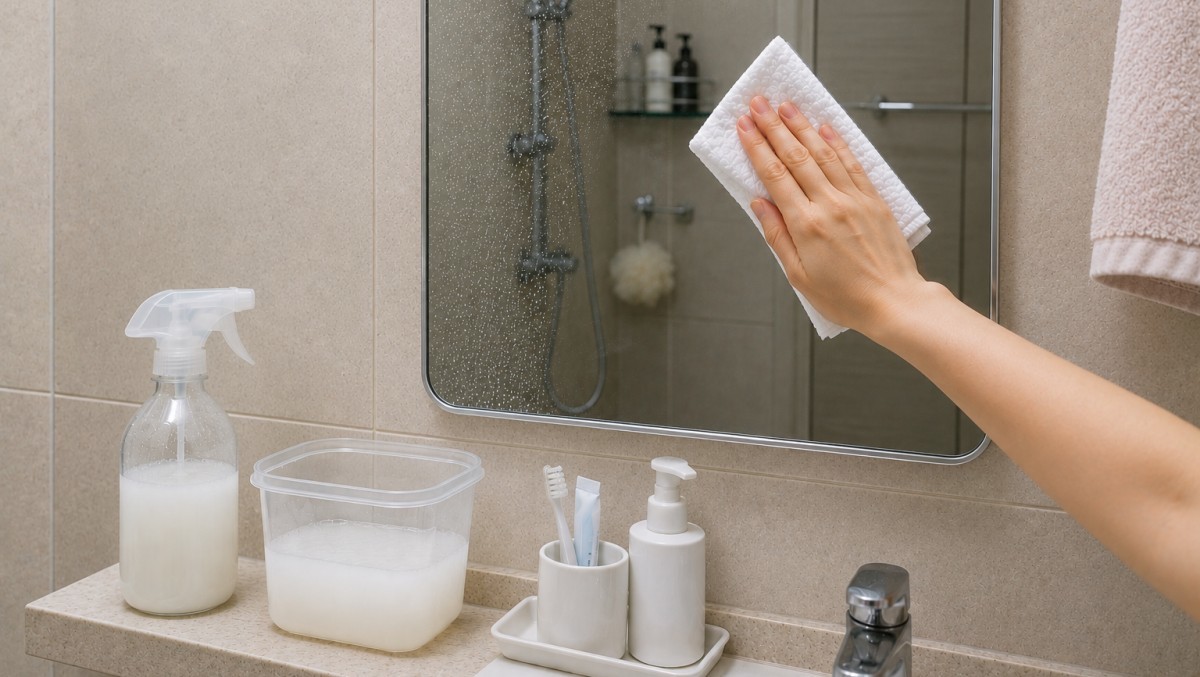
Mix a cup of leftover soju with baking soda and a little dish soap, and you have a surprisingly effective all-purpose cleaner. This blend dissolves the sticky film that forms in bathtubs and is also useful for lifting built-up grime around the house.
You can also put flat cola, rice-washing water and even expired sunscreen to work to get hotel-clean results at home. These practical tips use basic chemistry to loosen dirt so you don’t have to scrub yourself raw. Start with what’s on hand and make your living spaces fresher and more comfortable.
Clean stubborn bathtub grime!
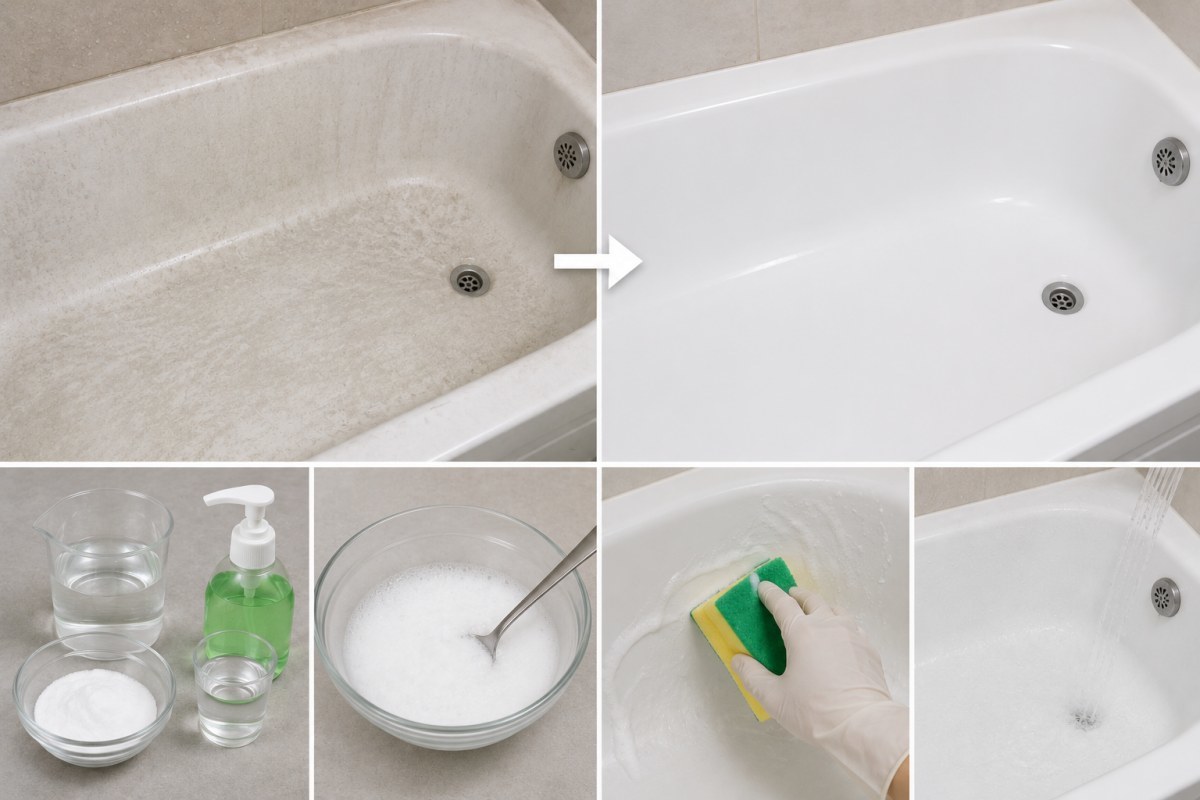
The most persistent bathroom problem is the gray, baked-on residue that clings to the tub. You shower with water daily, so why won’t it come off? That “scum” isn’t just dust: dead skin cells and body oils react with soap’s fatty acids to create a mineral-rich, greasy film that resists water. Rinsing with tap water alone typically won’t break it down.
The simplest and most effective remedy combines soju and baking soda. Per the YouTube channel “Jinjja Ggul-tip,” the recipe is straightforward: mix 1 tablespoon of baking soda with very hot water (about 60°C–70°C, or 140°F–158°F), add one cup of soju, then pump in one or two doses of dish soap to finish your all-purpose cleaner.
The chemistry explains why it works. Ethanol in soju dissolves organic compounds and helps break down greasy sebum. Baking soda acts as a gentle abrasive and adsorbent, lifting grime without scratching the surface. The surfactant in dish soap then helps suspend and rinse away the loosened residue.
Work the mixture into a lather, spread it evenly over the tub with a soft scrub pad, and let it sit for about five minutes on heavily soiled areas to loosen the buildup. Rinse with warm water and you should see the film—and the tub’s slimy feel—wash away.
Remove kitchen grease!
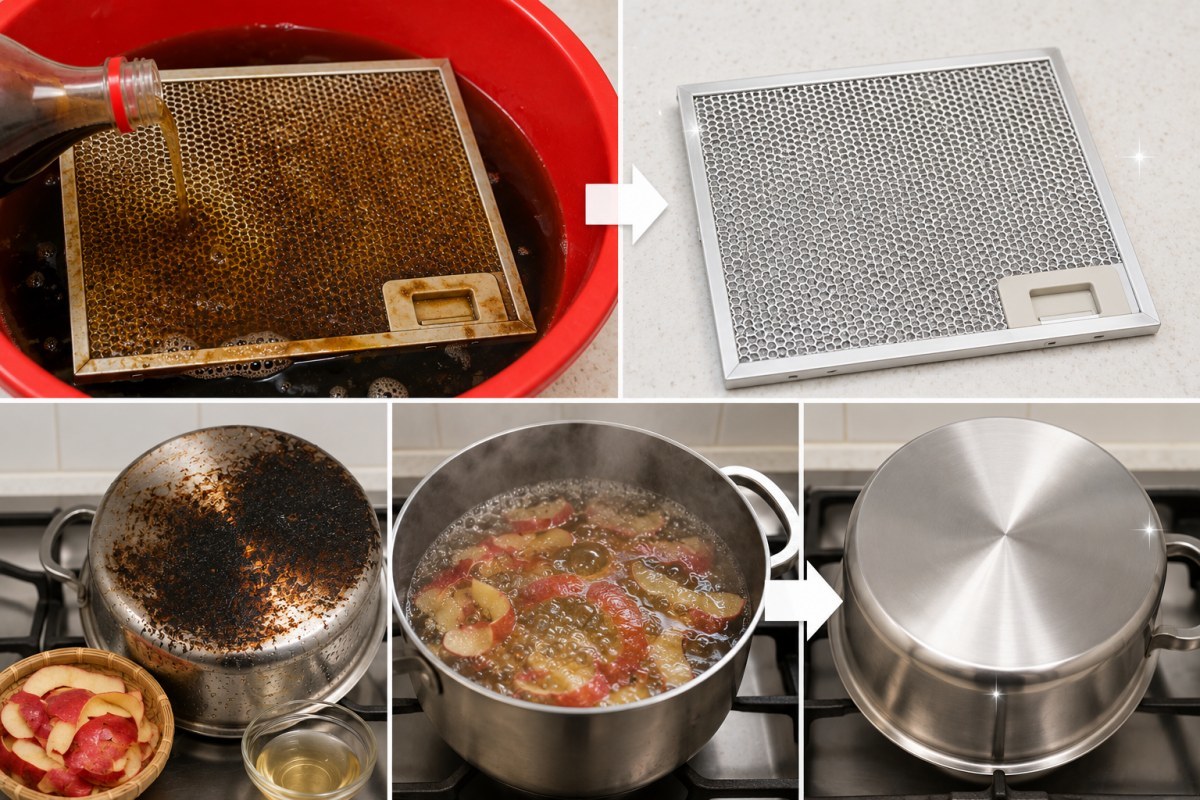
The kitchen combines steam and splattering oil, producing dense grime that can harden over time. Two inexpensive, often-overlooked items—flat cola and apple peels—can outperform some commercial cleaners.
Sticky brown grease trapped in a range hood filter is a common headache. Scrubbing with a brush often just wedges grease deeper into the mesh. Instead, soak the filter in flat, expired cola. Cola contains phosphoric acid, which helps break down proteins and fats. Let the filter sit in a basin of cola for about 30 minutes, then use a toothbrush to gently scrub—the hardened grease should come away more easily.
To restore a badly burned pot, try apple peels with a splash of vinegar. Even pans that seem beyond saving can often be revived. Organic acids in apple peels help loosen scorched residue from metal. Fill the pot with water, add the peels and one tablespoon of vinegar, and boil for about 10 minutes; the burned bits will begin to break up and float, and a light wash afterward usually restores the pot’s shine.
Use rice-washing water!
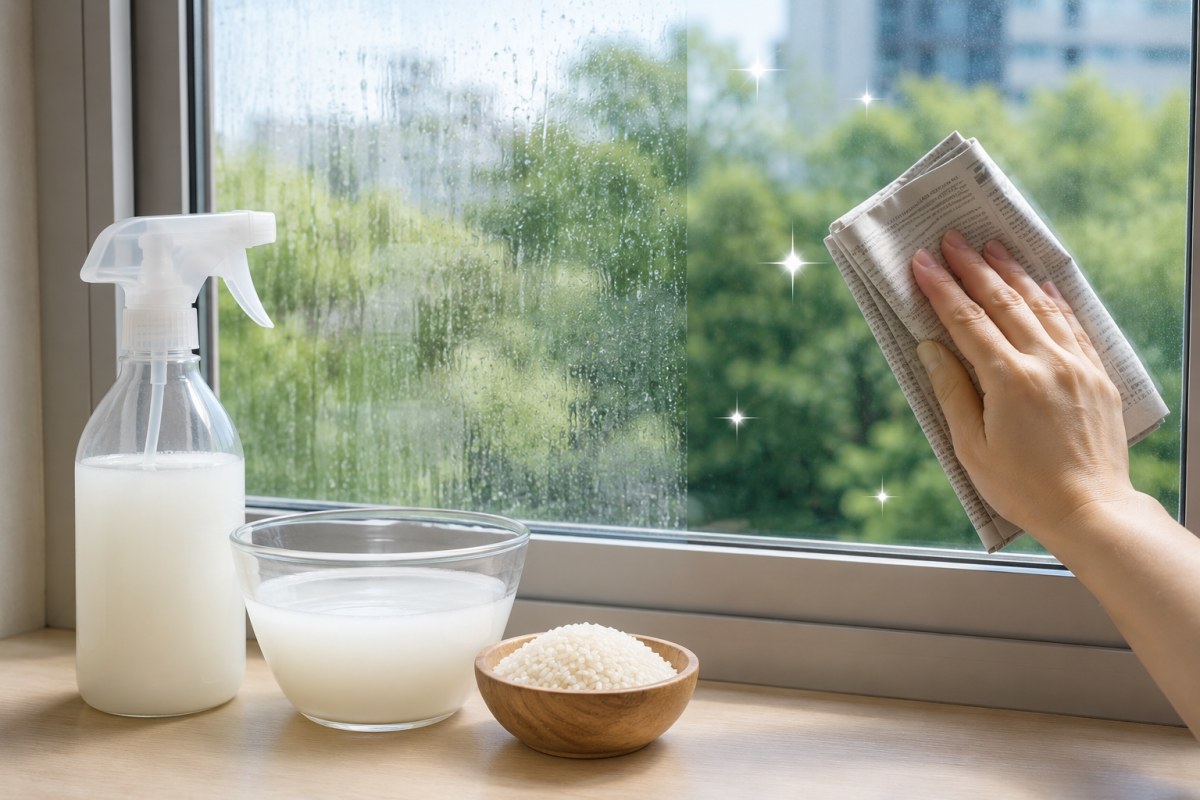
Living rooms and bedrooms contend more with fine dust than with obvious stains. Rice-washing water is a gentle, residue-free option for large rugs that are hard to launder and for glass that shows streaks.
When cleaning windows and mirrors, try rice-washing water instead of commercial glass cleaners. Chemical sprays can leave bluish streaks or residues; the starch in rice water attracts and lifts dirt and leaves a thin protective film that helps slow re-soiling. Spray rice water onto glass and wipe with crumpled newspaper for a shine that rivals store-bought products.
Use toothpaste and sunscreen!
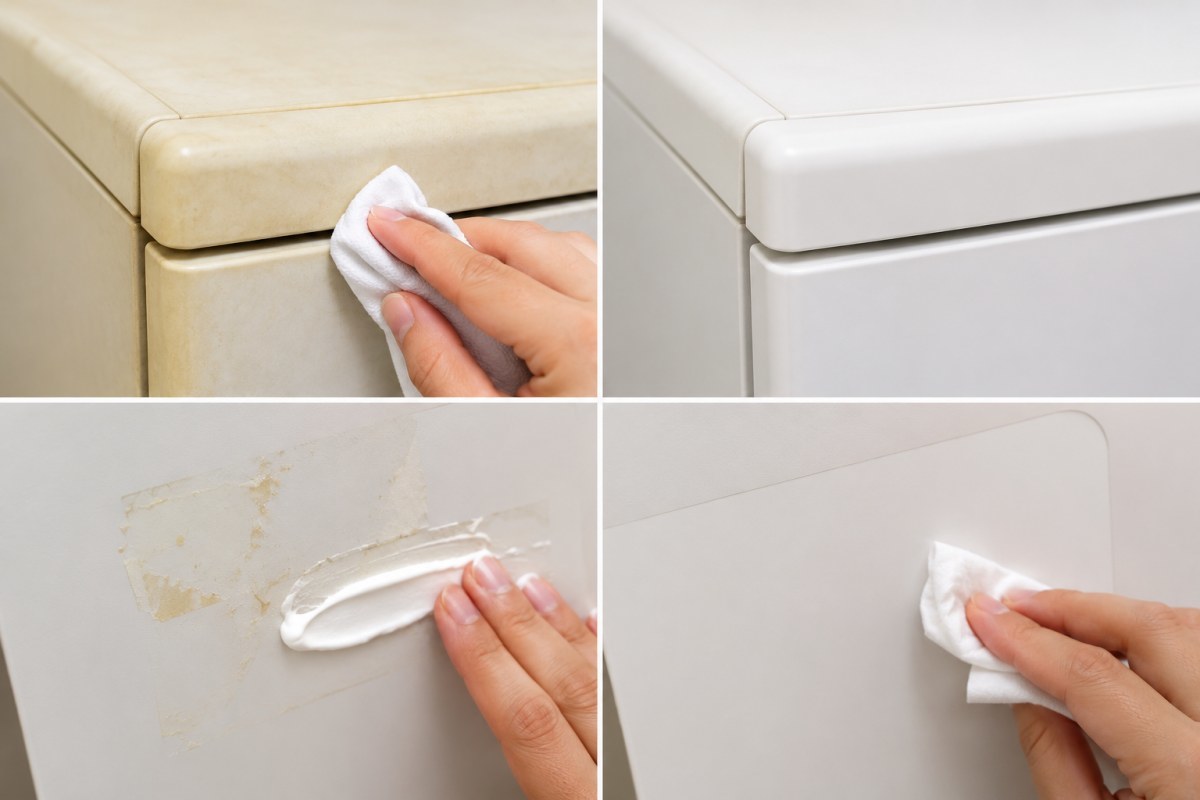
Stains on appliances or the yellowing of white plastic parts can make a home look older than it is. Toothpaste is a handy fix: its mild abrasives can remove a thin oxidized layer from plastics. Apply toothpaste to a cloth and rub gently in circular motions; after wiping clean, white plastic often looks markedly brighter.
Sticky residue left by price tags or labels can be removed with expired sunscreen. Adhesives weaken when exposed to oils, and the oils in sunscreen help break the glue’s bond. Smear a thick layer of sunscreen on the sticky spot, wait about five minutes, then wipe away with a wet wipe—the tackiness should lift away.
Cleaning safety tips
Ventilation is essential. Alcohol in soju and acetic acid in vinegar evaporate quickly; in a closed space their vapors can irritate the respiratory tract, causing coughing or dizziness.
Fine organic particles released as grime breaks down can also degrade indoor air quality. Before you begin, open windows or run an exhaust fan on high to keep air moving.
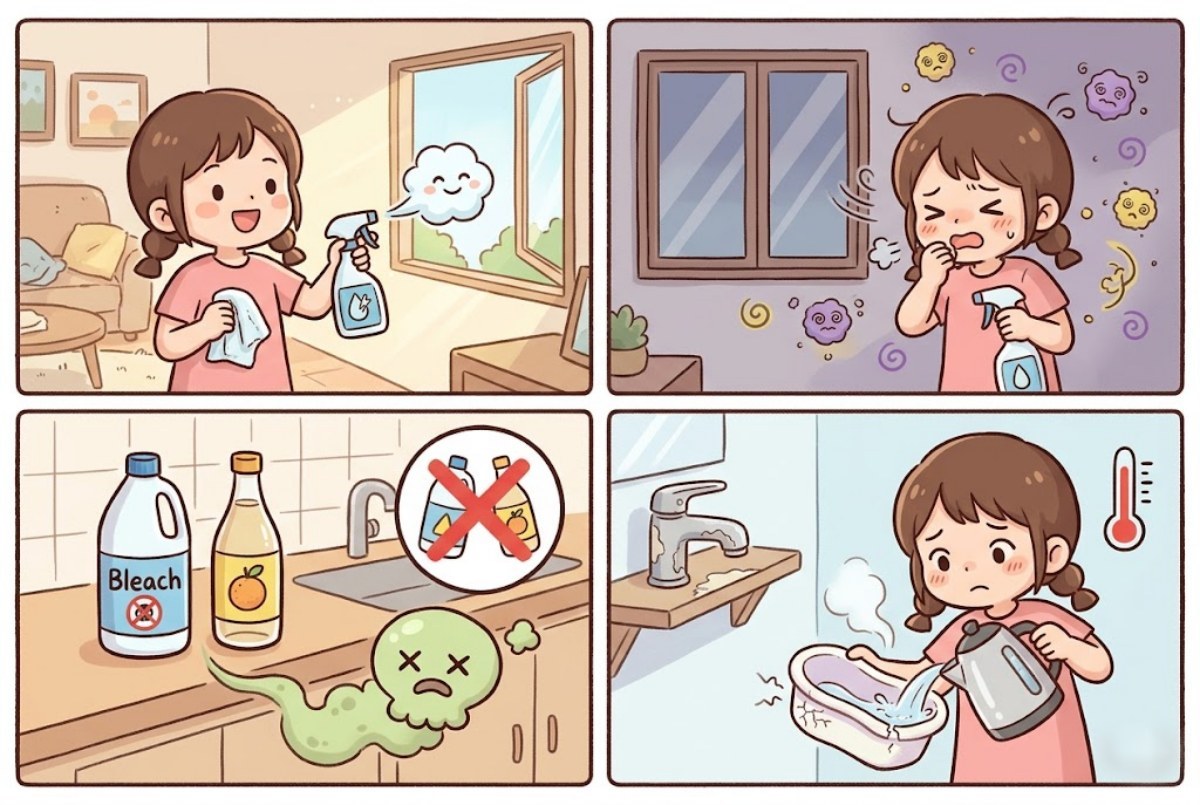
Never mix household bleach (sodium hypochlorite–based products commonly sold as “bleach”) with acidic cleaners such as vinegar or citric acid. Combining bleach with acids can release chlorine gas, which is highly toxic and can cause a serious incident. When using natural cleaning methods, stick to combinations of verified natural ingredients.
Also consider how materials respond to heat. Hot water can boost cleaning power, but it can damage some surfaces. In cold weather or when cleaning certain furniture or appliances, avoid sudden temperature changes: pouring very hot water on low-cost plastic tubs or specially coated fixtures can deform them or cause coatings to lift.
Glass requires particular care. Spraying very hot rice water or cleaning solution onto glass chilled by winter air can cause it to crack from thermal shock. Start with lukewarm water and raise the temperature gradually to protect glass and plastic.
Finally, always spot-test toothpaste, sunscreen or any other treatment on an inconspicuous area of expensive appliances or furniture. Abrasives and oils can alter color or reduce shine depending on the finish. Apply a small amount to a hidden spot, wait 5–10 minutes, wipe it off and check for any adverse effects before treating the entire surface.














Most Commented