
Translation result
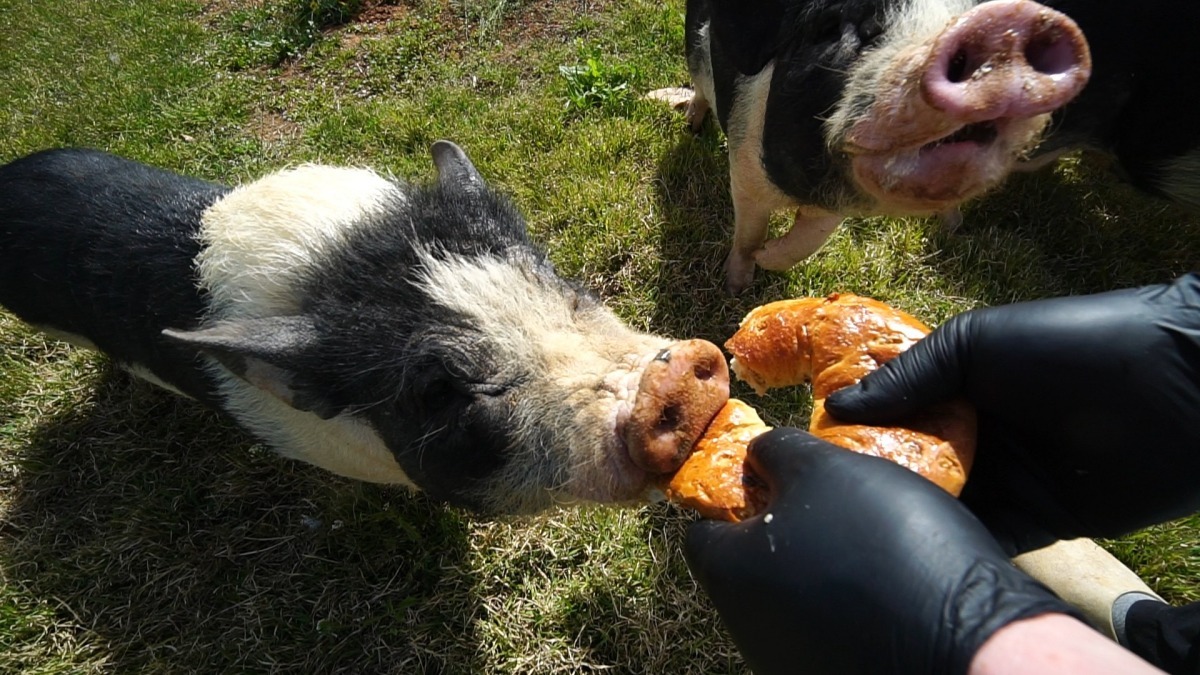
In the fourth episode of EBS1’s Korean Journey series, Adults’ Diversions, restaurant owner Ji Heung-seon describes how bonding with animals — including his pet pig, Kkulsuni — helped heal emotional wounds at his home on the outskirts of Seosan, Chungcheongnam-do, South Korea.
The episode follows the nearly 40-year noodle maker as he cares for pigs, dogs, geese and goats and rediscovers a sense of purpose and energy.
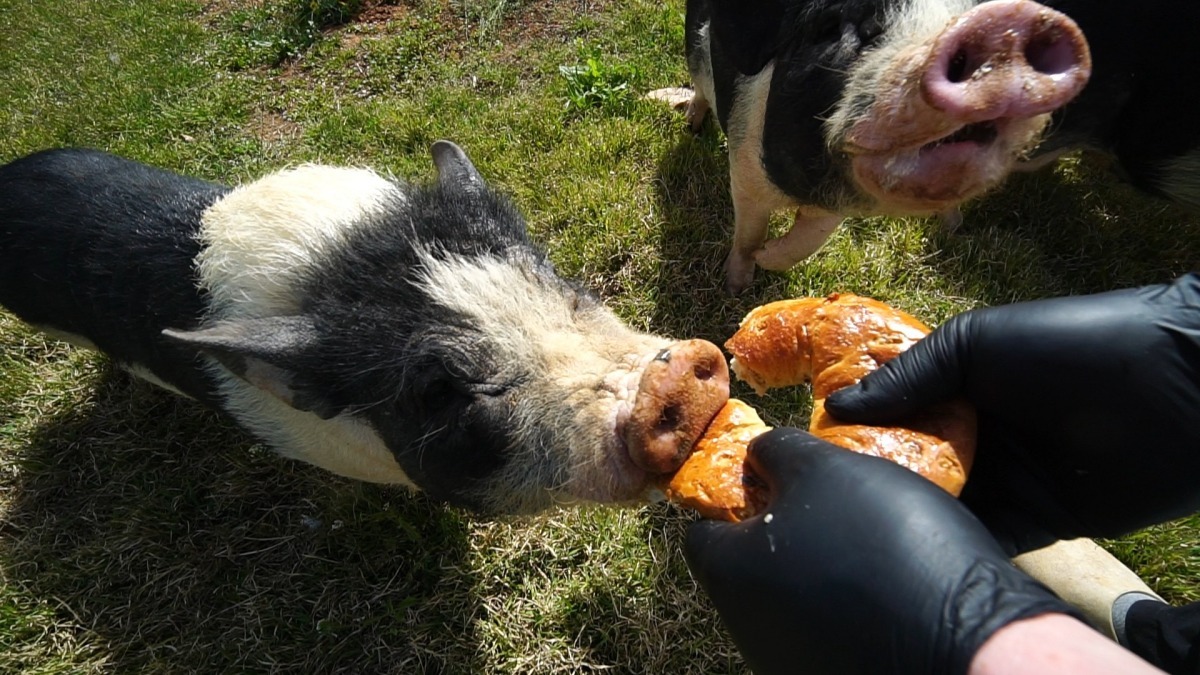
‘Korean Journey’ Adults’ Diversions Part 4 – My Beloved Madonna
Ji, 56, runs a Chinese restaurant outside Seosan and has spent nearly four decades hand-pulling noodles. The repetitive, physically demanding work left his shoulders badly damaged and made rest and consolation essential.
The turning point came four years ago. After being defrauded by a friend, Ji grew fearful of other people and fell into severe stress, which led to vitiligo. At a friend’s suggestion, he decided to raise a pet pig. The two pigs he named Kkulsuni and Kkuldol brought new meaning to his days. Kkulsuni, notable for a small mark on her snout, became a source of daily joy and renewed energy.
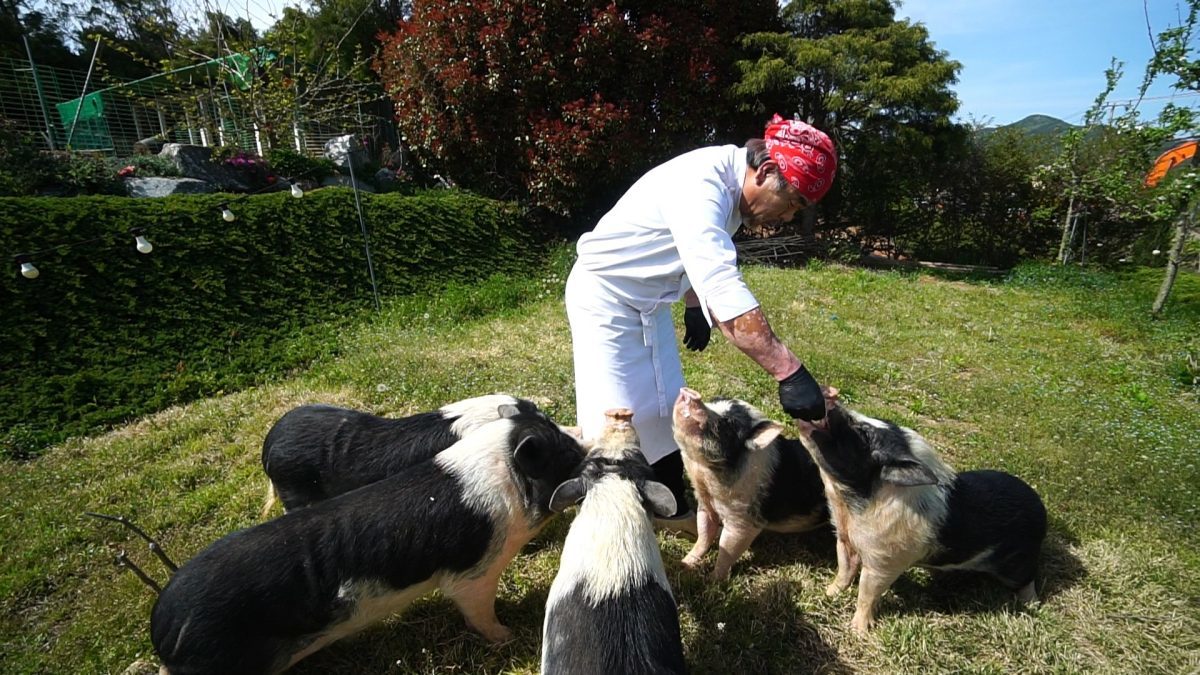
As he watched his pet pigs give birth and raise their young, Ji’s emotional wounds began to heal. The experience deepened his affection for animals; he now treats them like family, often offering freshly baked bread to Kkulsuni’s group first. His commitment to the animals even led him to shorten his restaurant hours.
Ji’s menagerie is varied. Beyond the original pigs, he keeps dogs and geese and cares for as many as 50 goats. He has found profound pleasure in raising animals. After nearly 40 years of grueling labor that affected his health, this new chapter with animals feels like a second life — one that has brought comfort and a renewed sense of joy.
What do pigs eat and how do they live?
Pigs belong to the wild boar family. Domestic pigs have long been raised by people and remain closely related to wild boars. They have rounded bodies and relatively short legs, with sparse, coarse hair on their skin. Their hooves are cloven, and their snouts are long and sturdy. Pigs use their snouts to push and dig in the soil as they explore their surroundings.
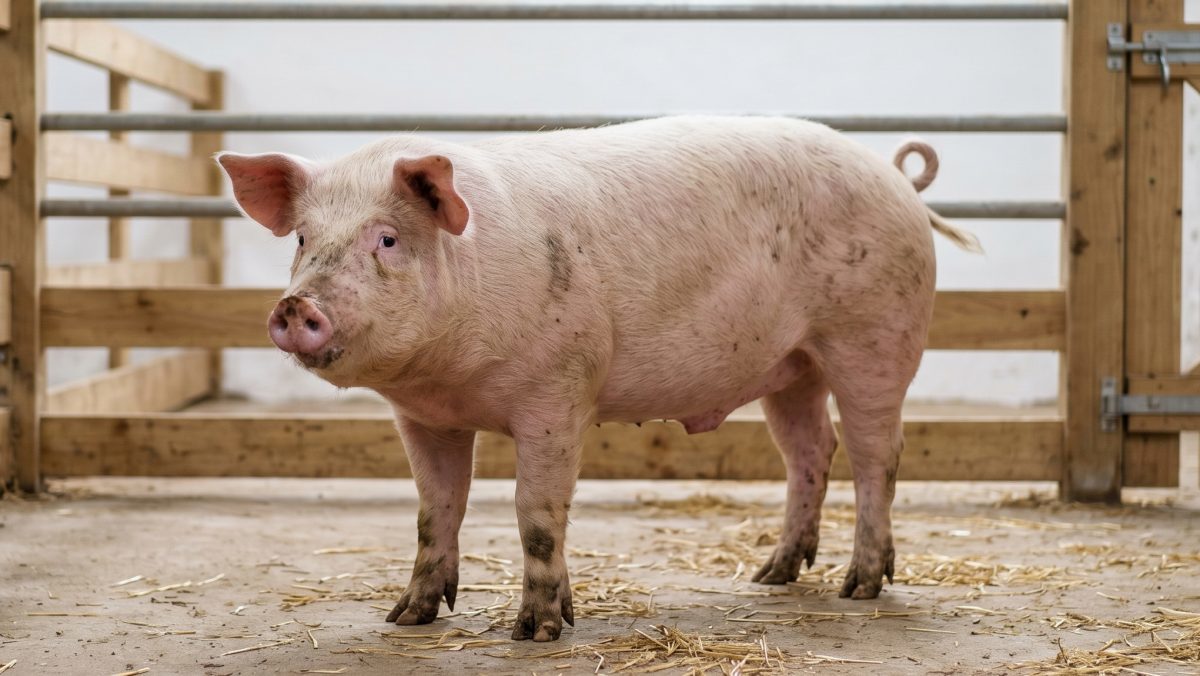
One of a pig’s most distinctive features is its nose. A hard cartilage plate sits at the tip of the snout, and pigs press their snouts to the ground and root through soil to find food. This behavior, called rooting, is not play but a natural foraging method used to uncover roots, insects and fallen fruit.
Pigs are omnivores. They eat a wide range of foods: plant material like grass, leaves, stems, roots, fruits and grain, as well as small animals such as insects, worms and snails. Wild pigs root for tubers, mushrooms, fruit and small animal prey. Domestic pigs typically eat formulated feed, but biologically they remain omnivorous and able to consume varied diets.
Pigs have a well-developed sense of smell. They rely heavily on scent rather than sight to locate food, moving with their snouts close to the ground to pick up odors. The snout serves both as a tool for finding food and a sensory organ for exploring the environment, which is why pigs often investigate floors and objects with their noses in unfamiliar places.
Pigs are social animals. They live in groups and communicate with one another through scent and vocalizations. Pigs produce a wide range of sounds — while foraging, when uncomfortable, or when piglets call to their mothers. Piglets nurse and grow after birth, and sows typically gather materials to build nests before farrowing.
Pigs are sensitive to heat. Unlike humans, they do not sweat effectively to cool their bodies. In hot weather, pigs seek shade or cool themselves in water or mud. Mud bathing doesn’t mean pigs want to get dirty; the mud helps lower skin temperature and protects them from sun and insects.
Pigs also need clean water. Although omnivorous and capable of eating many things, they require both food and water for good health. They are known to eat a lot, but they shouldn’t be fed indiscriminately: diet affects health, and spoiled food or harmful substances can be dangerous.
Often thought of as slow, pigs are actually capable explorers with good memories. They remember where food is found and adapt to repeated situations. Pigs that live with people learn feeding times and can react to human routines.
Pigs root with their snouts, find food by scent, and exchange signals by sound within their groups. They eat grass, grain, roots, fruit and insects, and when it’s hot they cool themselves in shade, water or mud. Their rounded bodies, short legs and robust snouts are all linked to how pigs forage and thrive.
Stories found in everyday places… EBS1’s Korean Journey

EBS1’s Korean Journey first aired in August 2009 and has become one of the network’s flagship documentary series. The program travels to mountains, coasts, towns and alleys across the country to capture seasonal landscapes, local culture and the lives of people rooted in those places.
The show selects a single theme each week and explores it in a five-part format. Each episode runs about 30 minutes and observes local ways of life and sentiment with a quiet, measured eye.
Rather than relying on sensationalism or staged scenes, Korean Journey privileges the natural atmosphere of its locations. The series follows everyday people in their own settings and uses restrained narration to calmly portray nature, community and local character.
The program covers a broad range of settings: mountain villages, fishing towns, farming communities, island settlements, city alleys and other everyday places. In doing so, it introduces viewers to landscapes and daily lives they might seldom see and highlights cultures unique to each area.
Korean Journey currently airs regularly on EBS 1TV. Each week the series records lives and landscapes from around the country, centered on a new theme and location.
The program broadcasts Monday through Friday at 9:35 p.m. Broadcast information is available on the EBS1 Korean Journey preview page.













Most Commented