
Translation result.
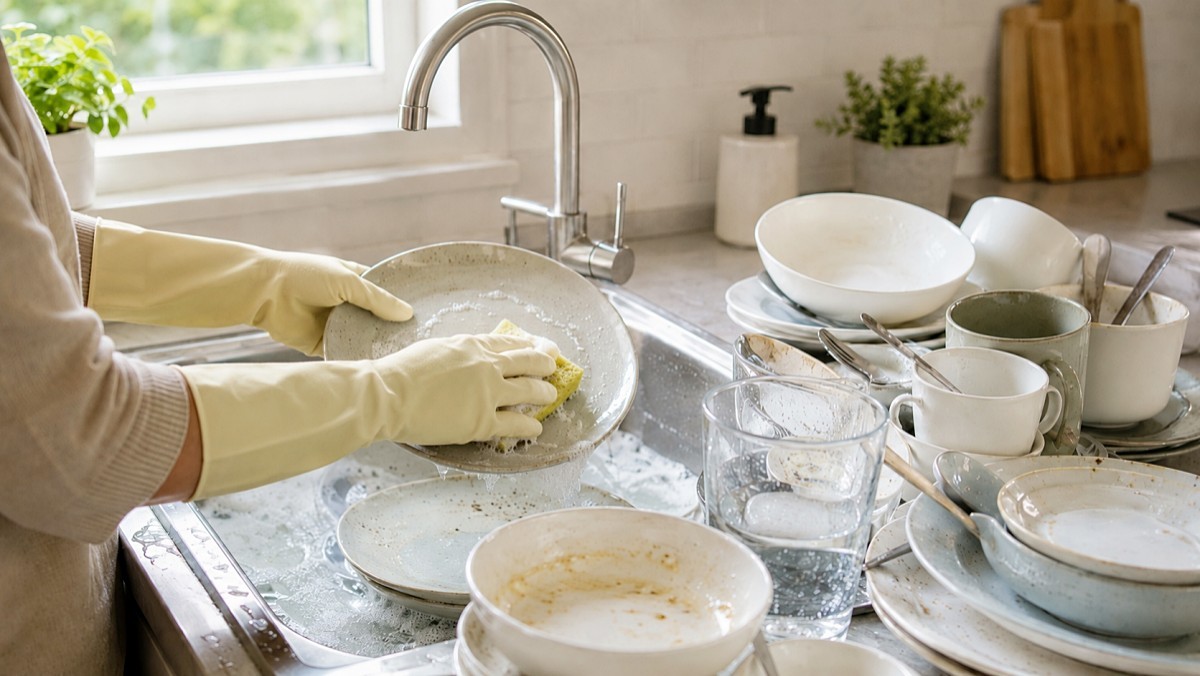
Doing the dishes is a daily chore, but choosing what to wash first can make the whole process smoother. If you start with greasy items, your sponge will pick up oil and you’ll end up using more soap and water. Here are straightforward steps and care tips to help you wash dishes more efficiently.
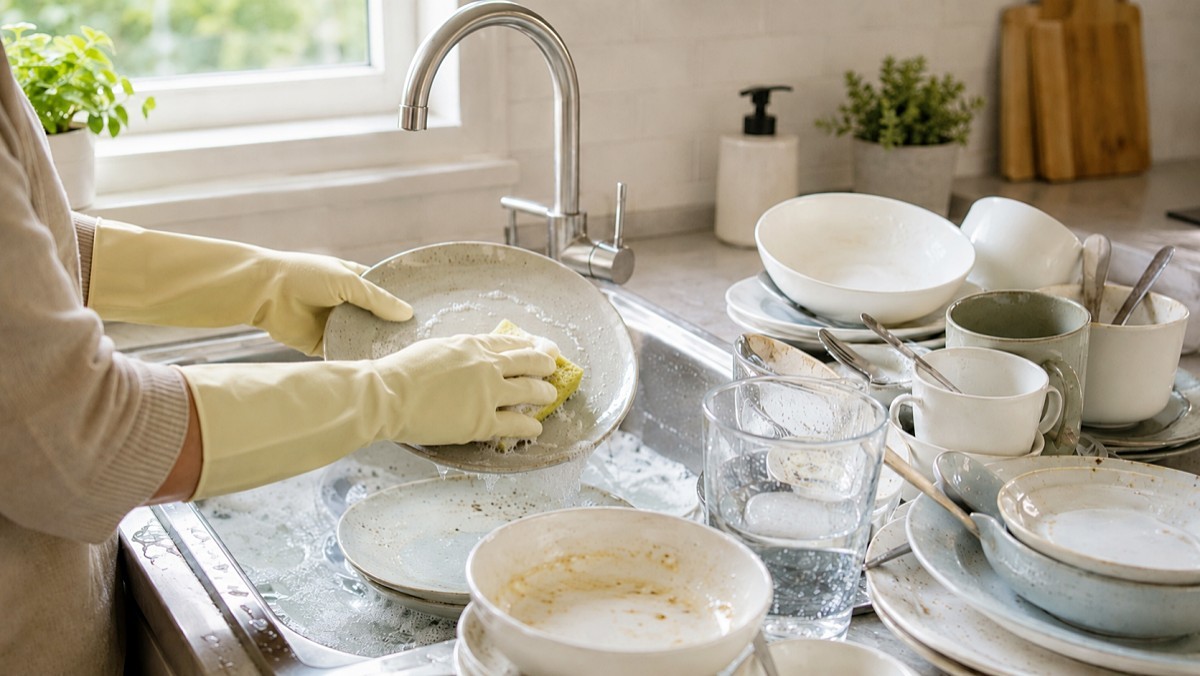
From cups to pots: a practical dishwashing order
The guiding rule is simple: wash from least soiled to most soiled. If you clean oily plates or frying pans first, grease clings to the sponge and can transfer to otherwise clean items. That forces you to add more detergent and rinse longer.
Begin with cups and glasses. Since these usually hold water or beverages, they tend to be low in grease. Because the rim makes direct contact with the mouth, wash them when your sponge is still clean for better hygiene. Also, glassware can develop a cloudy film if wiped with a greasy sponge, so tackle it early in the cycle.
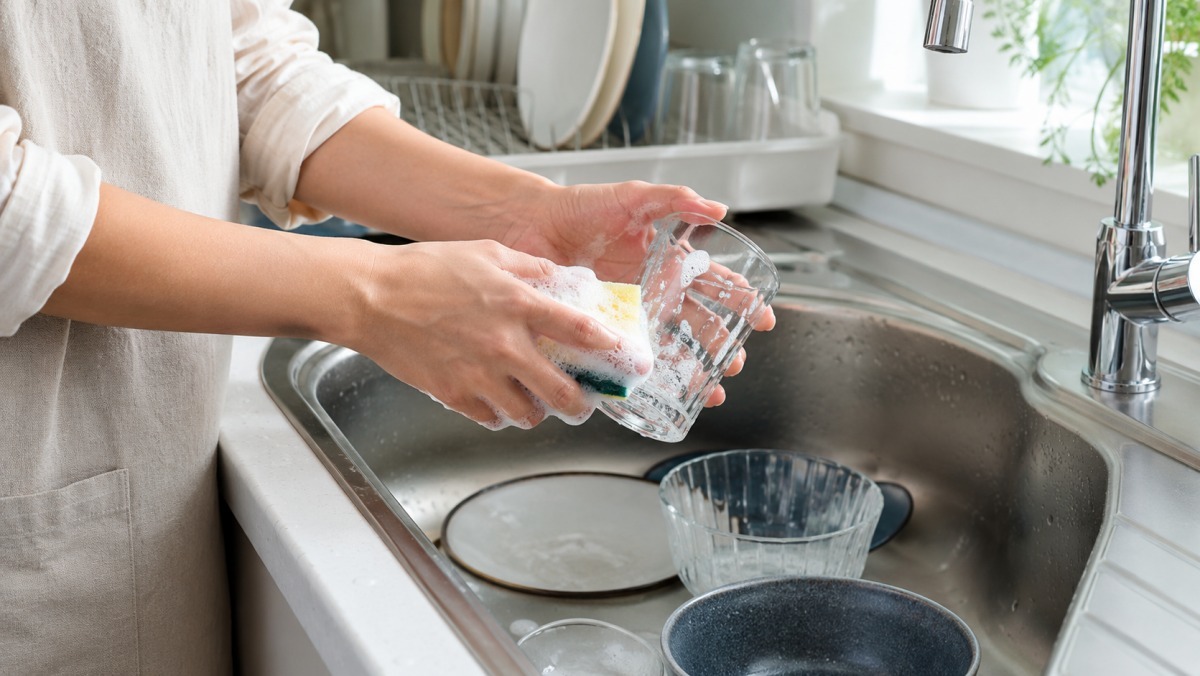
After cups, clean utensils—spoons, chopsticks and forks. Because these items contact the mouth, inspect handles and tips carefully for trapped food. If rice is stuck to a spoon, soak it briefly before washing to save effort.
Next are rice bowls and soup bowls. Rice leaves starch, and soup bowls often retain broth residue, but these are still easier to clean than greasy pans. Avoid scrubbing bowls with hardened rice right away; let them soak in a little water first.
Move on to plates and side-dish bowls, arranging them by how dirty they are. Fruit plates or dishes with dry side items should be cleaned first; plates with meat marinades or oily stir-fries can wait. For dishes stained by red pepper powder or heavy sauces, rinse lightly before scrubbing to keep the sponge from taking on stains and odors.
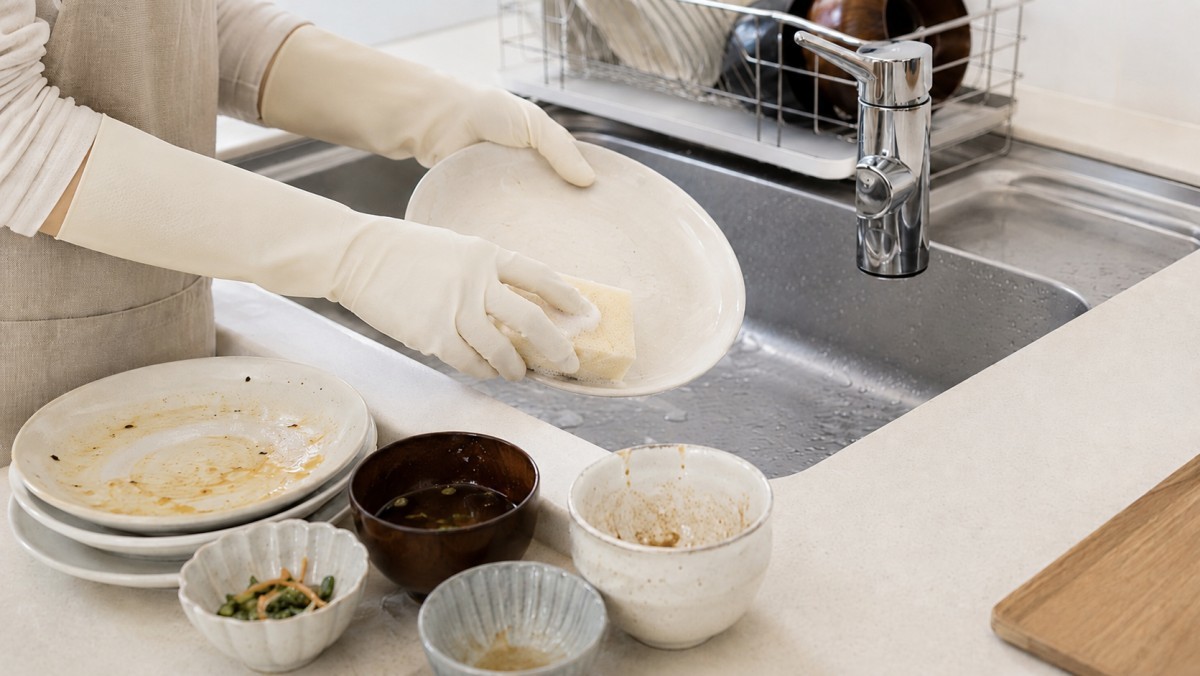
Finish with frying pans and pots. Cookware used for meats or stir-frying holds the most grease and burnt-on food. Washing these mid-cycle spreads oil across the sponge and makes other dishes slippery. It’s more efficient to clean greasy cookware last.
Remove excess grease from cookware before washing
Even though greasy pans and pots are washed last, wipe off excess oil before you submerge them. Pouring oil down the drain leaves a greasy film around the sink and can cause odors. For very oily pans, use a paper towel to wipe the surface first, then wash.
Avoid pouring cold water over a hot nonstick pan. Sudden temperature changes can damage the coating. Let the pan cool, then clean it with lukewarm water and a soft sponge to minimize surface damage. Don’t use steel wool on coated pans—those scrubbers can strip the finish.
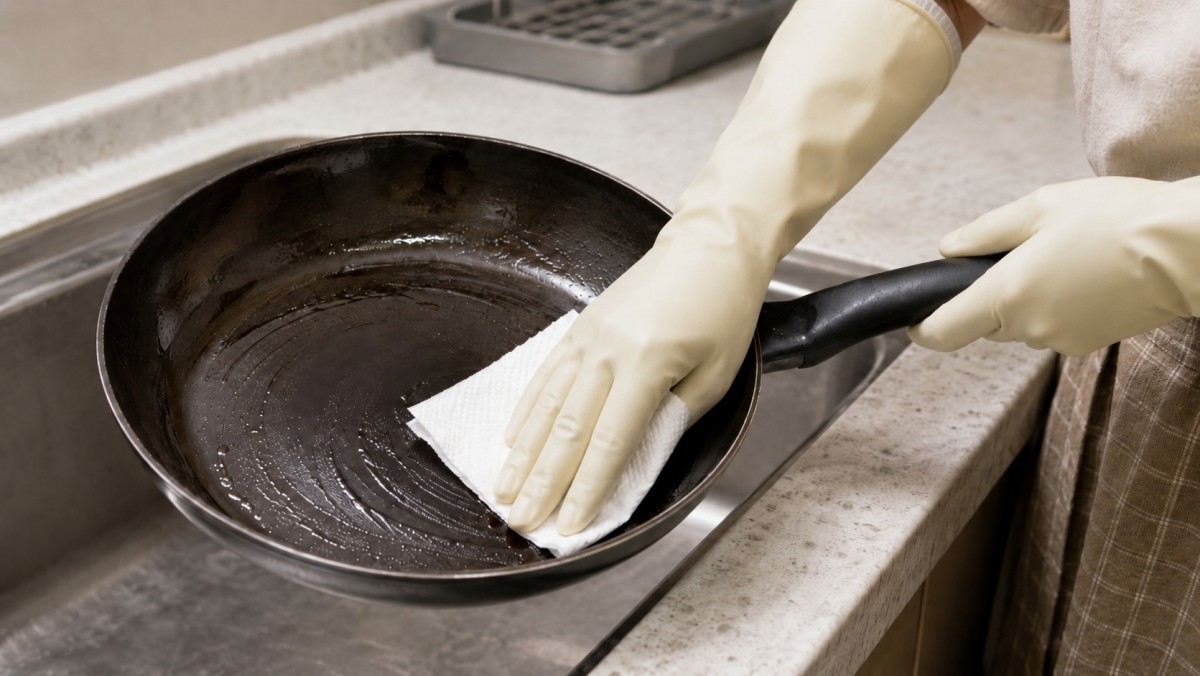
If food is burned onto a pot, don’t scrape aggressively—soak it. For stainless steel, adding water and bringing it to a brief boil can loosen stuck-on bits. White spots or rainbow stains often come from minerals in the water; boiling a little vinegar or citric acid in the pot and rinsing thoroughly can reduce those marks.
When animal fat has hardened, sprinkle baking soda on the greasy area, let it sit briefly, then rub gently to help break down the grease. Be cautious with coated cookware: vigorous scrubbing can damage the surface, so be gentle.
Use only the right amount of detergent
Many people squeeze detergent directly onto the sponge, but more soap doesn’t necessarily mean cleaner dishes. Concentrated detergent can cling to the sponge and dishes, lengthening rinse time and increasing water use.
To cut detergent use, fill a small bowl or the washbasin with a little water and dilute a small amount of soap. Dip the sponge into the diluted solution to wash; you’ll get adequate cleaning power without excessive suds. Dish detergent’s surfactants help water and oil mix, so diluted detergent still cleans effectively.
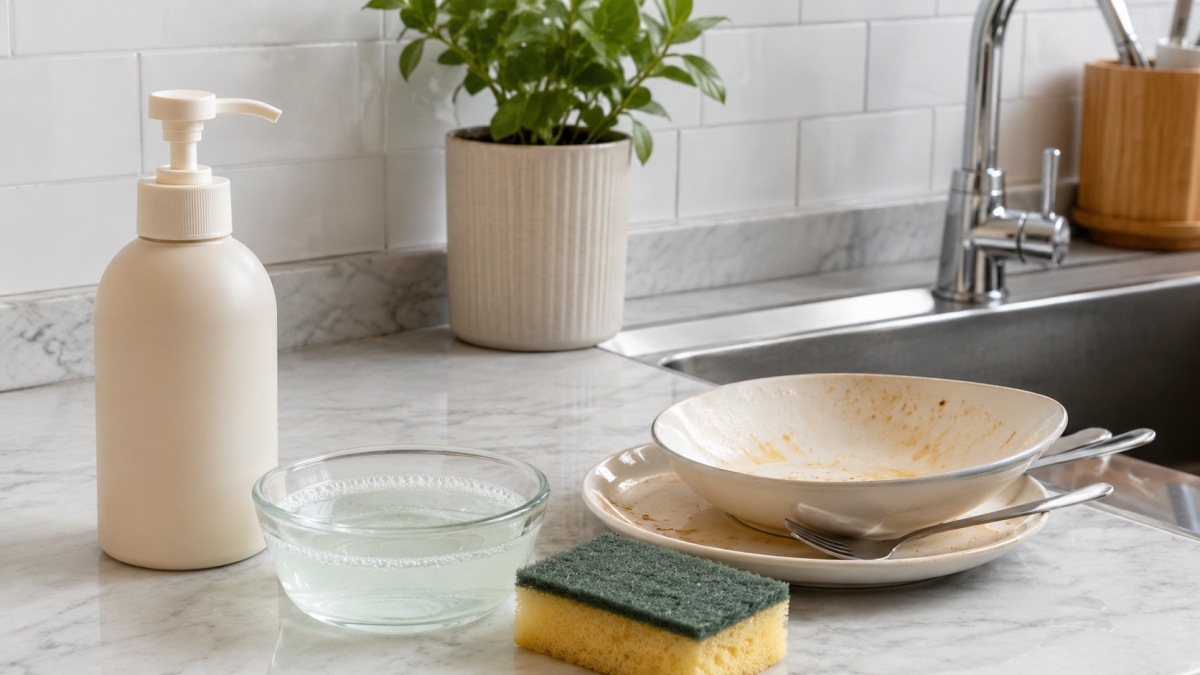
Foam doesn’t always equal cleaning power. The priorities are removing food residue and grease, using the right amount of detergent, and rinsing thoroughly. If you use diluted detergent, don’t let the solution sit too long—once it becomes cloudy or oily, replace it for hygiene’s sake.
Light pre-rinsing reduces the workload
Easier dishwashing starts before you scrub. If dirty dishes sit, sauces and rice grains dry and cling more tightly over time. Sticky foods—like red pepper paste, meat grease and cheese—become harder to remove the longer they sit.
After eating, scrape leftover food into the trash and give relatively clean dishes a quick rinse. Soak bowls with dried rice briefly, and wipe greasy plates or pans with a paper towel before washing. Those simple steps cut down on detergent and elbow grease.
Rice water can be useful for pre-rinsing. The starch in rice water helps lift light grease and residue, so soaking lightly soiled dishes in it can reduce the detergent needed. Use rice water the same day, though—left too long, it can develop an odor.
Avoid running the tap during pre-rinsing. Fill the washbasin and do grouped rinses; use running water only for the final rinse to save water. Also, don’t soak greasy and relatively clean dishes together for long—contamination can spread—so handle them separately.
Match water temperature to the type of soil
Water temperature matters. Fatty soils from meat or fried foods tend to solidify in cold water. Use lukewarm or warm water for those items so grease softens and wipes away more easily. If your skin is sensitive, wear rubber gloves and avoid very hot water.
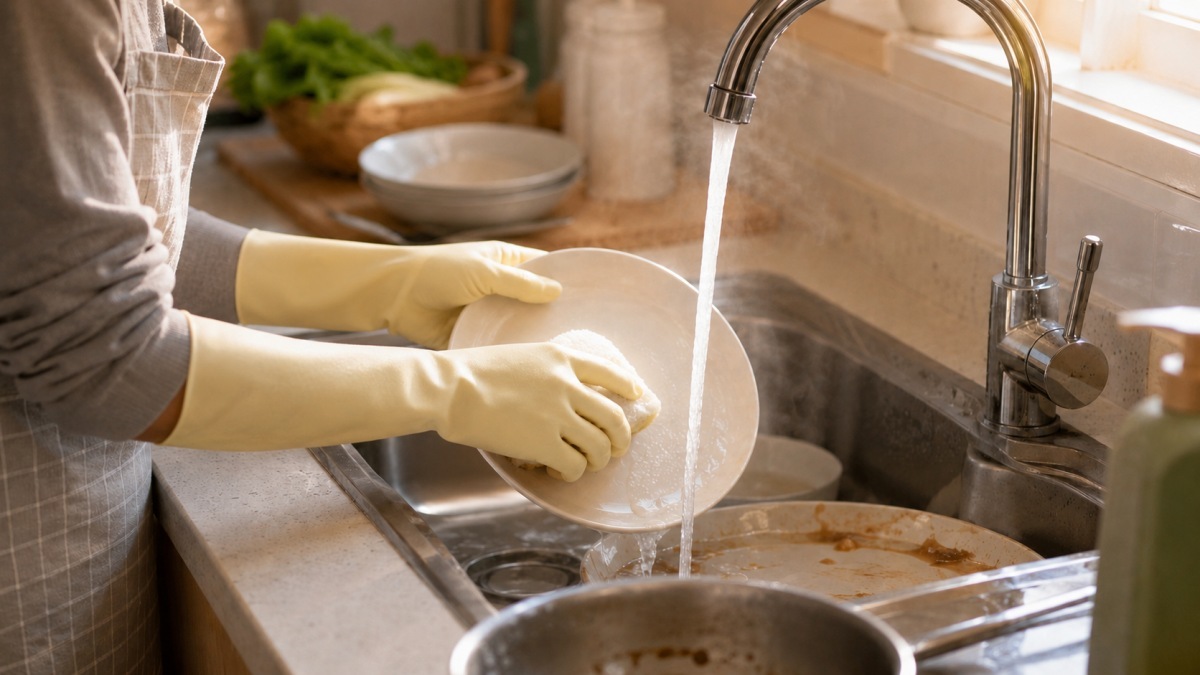
By contrast, dishes soiled with protein-rich foods—egg, milk or cheese—are better rinsed first with cold or tepid water. Heat can coagulate proteins and make them stick more firmly to surfaces. For starch-heavy residues like rice or noodles, soaking in warm water loosens the residue; matching water temperature to the soil type helps you clean well without excess detergent.
Adapt cleaning methods to dish materials
Not all dishes should be cleaned the same way—materials demand different care. Earthenware and pottery are porous; prolonged soaking or heavy detergent can penetrate the surface. For these pieces, use rice water, baking soda, or a flour-and-water paste and rinse thoroughly.
Wooden spoons and cutting boards shouldn’t soak in soapy water. Wood absorbs water and odors and can crack or warp if left wet. After use, wash them quickly, rinse under running water and dry in a well-ventilated place. Never stack damp wood—moisture trapped between pieces invites mold.
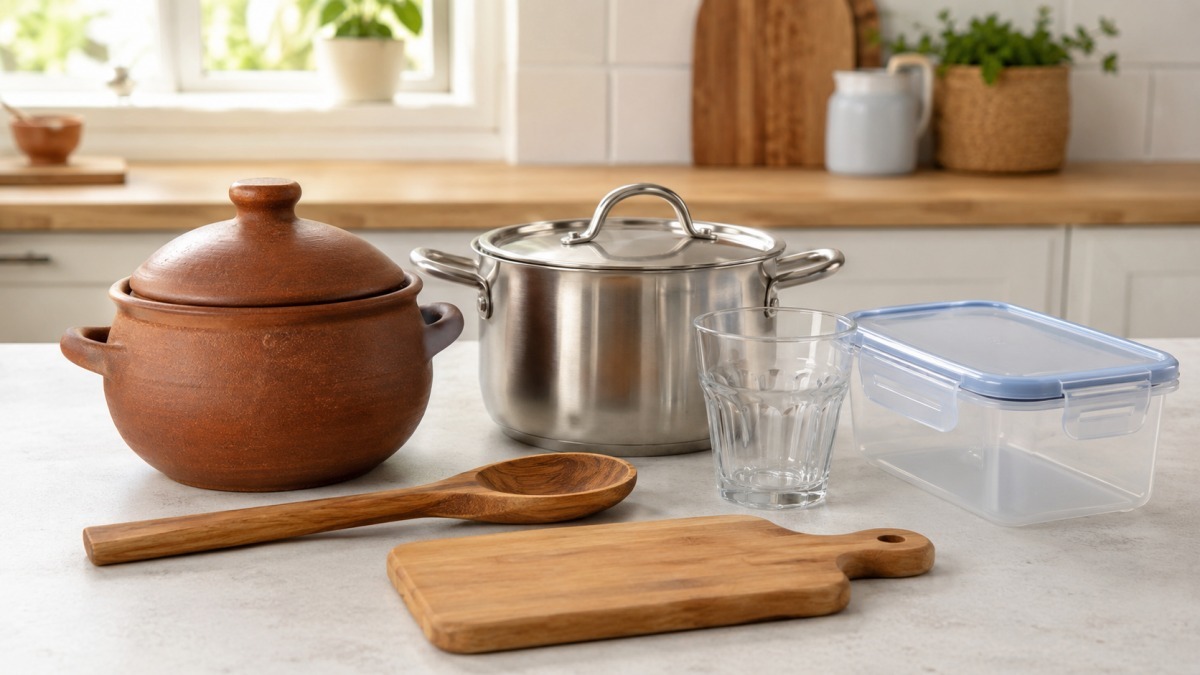
Stainless steel dishes and pots are relatively low-maintenance, but repeated use of abrasive scrubbers can leave fine scratches that trap grime and dull the finish. Treat water spots and white marks with a diluted vinegar or citric acid rinse rather than aggressive scraping.
Handle glassware with care around temperature changes; pouring boiling water into a cold glass or plunging hot glass into cold water can cause it to crack. Plastic storage containers stain and retain odors easily—rinse them promptly. For persistent odors from strongly flavored foods, try washing with sugar water or a diluted vinegar solution, but avoid prolonged contact between vinegar and metal lids or delicate materials.
Rinse and dry thoroughly
After washing, rinse dishes completely. Residual detergent can affect taste, so pay special attention to cups and utensils that touch the mouth. Check the insides and outsides of items, handles and bottoms—soap often hides in rims and inside cup handles.
Rinse the rubber seals of airtight containers carefully. If removable, take seals out, wash them separately and dry them fully. To conserve water, group washed dishes and rinse them together, but don’t leave clean items in heavily soiled water for long.
Dishwashing doesn’t end with a clean surface—how you dry matters. Wiping freshly washed dishes with a damp cloth can transfer bacteria or odors from the cloth. When possible, let dishes air-dry on a rack.
Arrange dishes so water drains freely. Stacking traps moisture and slows drying. Position cups with openings facing down but allow airflow; if a cup sits flush against the rack, trapped moisture can lead to odors. Empty and clean the dish rack’s drip tray often and let it dry between uses.
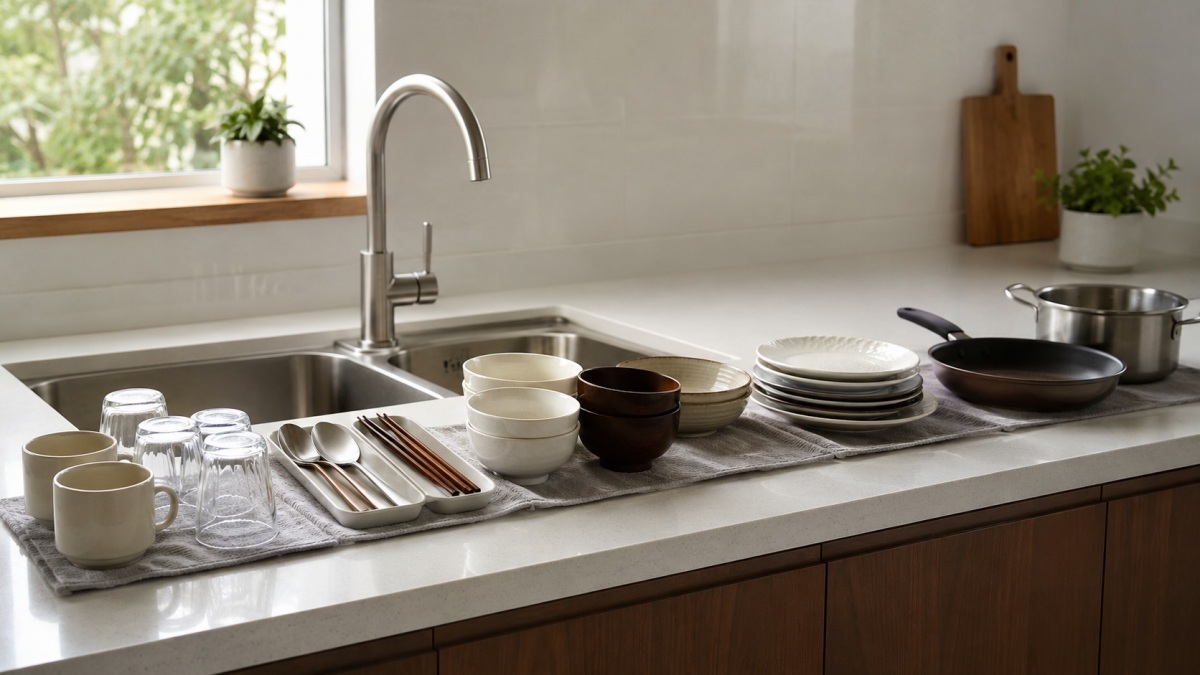
Finish by caring for your sponge and sink
Sponges are indispensable but also prone to contamination. Food particles, oil and soap left in a damp sponge create an environment for bacteria. After washing, rinse the sponge thoroughly, wring it out and hang it to dry in a ventilated spot.
A sponge can look fine on the outside yet hold trapped food inside. Replace sponges regularly if they develop odors or stop lathering well. Don’t use metal scrubbers on nonstick pans, and never place metal scrubbers in the microwave—metal can spark.
Dishcloths need attention, too. Leaving wet cloths near the sink encourages odors and bacterial growth. Wash dishcloths after use, dry them thoroughly, and, if needed, boil or sanitize them. Keep a separate cloth for drying dishes and another for wiping sink surfaces.
If food scraps remain in the sink after washing, they can cause odors and attract pests. After cleaning, empty the sink strainer and wipe down splashed areas. Food trapped in the strainer decomposes and produces bad smells, so remove it promptly.
Sinks can develop a slippery film from detergent and mineral residue. After washing, lightly scrub the sink interior with a soft sponge and rinse. If drain odors persist or water drains slowly, the pipes may be clogged or dirty—address those issues with appropriate cleaning methods.














Most Commented