
Translation result.

By their 70s, many people pause and take a long look around their homes.

Decades of living mean possessions have a way of accumulating. People keep things because they might use them someday, because they’re reluctant to throw them away, or because the items hold memories. Over time, though, those same possessions can start to feel like burdens. South Korea’s Ministry of Health and Welfare found in its 2023 survey of older adults that the share of seniors saying they would spend their assets on themselves and their spouse rose from 17.4% in 2020 to 24.2% in 2023. In other words, people in their 70s are increasingly prioritizing their own needs over their children’s.
This shift isn’t just financial. After decades of saving and sacrificing for family, many older adults begin to want comfort and control over how they live. That desire often focuses first on the rooms full of stuff. Only later in life do many realize that starting a new chapter often begins by clearing space. The relief of letting go tends to outweigh the regret of discarding things.
3rd: Large, worn furniture
Bulky wardrobes, mother-of-pearl chests, and sagging sofas that dominate the living room.
These were often expensive purchases made in younger years, so people find it hard to part with them. For someone who remembers placing that piece in the home, it becomes more than furniture—it’s a trace of a life. Yet in your 70s, those items can block movement, make cleaning difficult, and turn everyday navigation into a challenge. Knees ache when you have to squeeze through narrow passages; backs hurt when you bend to clean around heavy pieces.
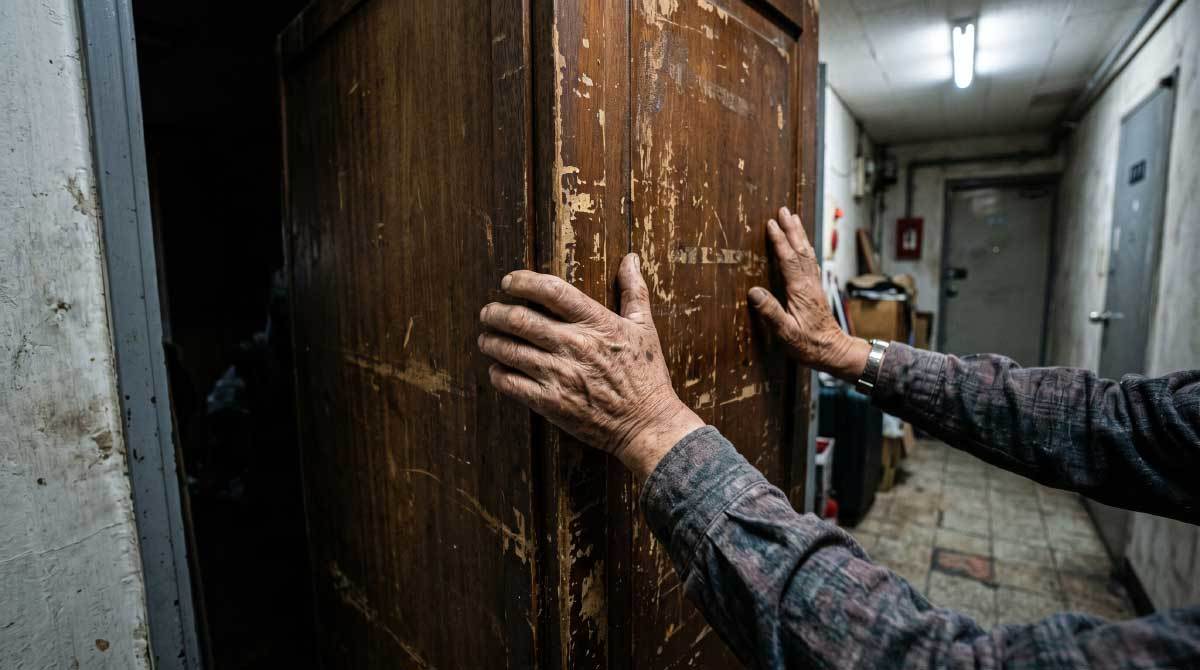
According to the Korea Disease Control and Prevention Agency’s 2024 statistics on injury types and causes, falls among older adults have increased 2.1 times over the past decade, and the home is the most dangerous setting. Statistics Korea reports that falls involving furniture account for about 10% of fall-related deaths among people 85 and older. The more furniture you have, the narrower the walkways become—and narrow walkways raise the risk of falling.
Seniors who have cleared out bulky furniture say sunlight reaches rooms that felt cramped before, and moving through the home becomes easier. They describe the shift this way: you don’t live to serve your furniture; you should shape your space to serve you. Letting go of furniture tied to memories doesn’t erase those memories. It’s a choice to make the rest of life safer and more comfortable. The sooner you make that choice, the longer you can enjoy a more livable home.
2nd: Unused kitchenware
Open a kitchen cabinet and you’ll find items you can’t even remember buying.
There are boxed dish sets saved “for guests,” lunchboxes kept for a grandchild’s sports day, and pots bought in a home-shopping bundle that barely get used. But guests don’t come as often, and family events look different now. Unused items sit deep in cupboards collecting dust.

The problem isn’t just that these things take up space. Reaching for items tucked away forces you to bend, and lifting heavy cookware can lead to injury. The more you own, the harder it is to keep things clean and to find what you actually use every day. The quickest way to a more functional kitchen is simple: keep only what you use now and let the rest go.
Use this rule of thumb: do you use it regularly? If not, clear it out. Don’t save nice dishes for an imagined future—use the pieces that serve you today. That’s practical homekeeping.
1st: Old clothes in the closet
Open the closet and half the clothes haven’t been worn in years.
They’re the items hung with promises—“I’ll wear it when I lose weight,” or “I’ll wear it when the trend comes back.” Hangers hold garments people barely remember buying: faded, out of style, or no longer fitting. Still, it’s hard to toss them. They were expensive, they were gifts, or they carry memories from special occasions.
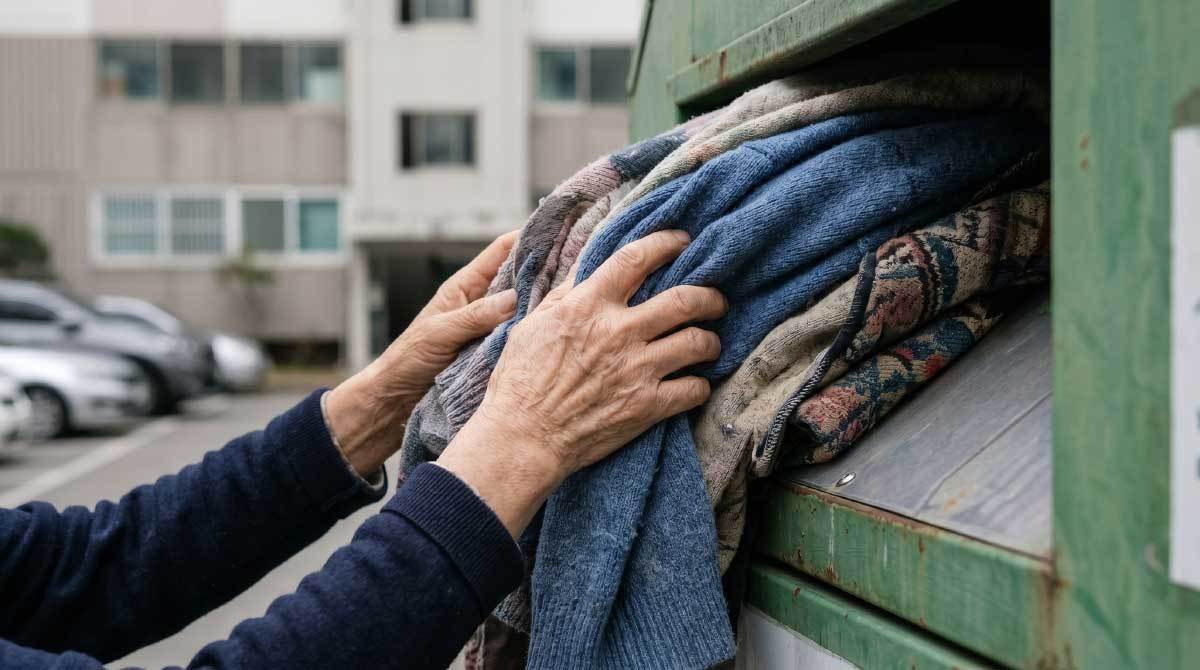
But a full closet doesn’t mean more outfits. It can make mornings harder, increasing indecision while you reach for the same few garments again and again. For a generation that valued thrift and accumulation, letting go is not easy. Yet after people let go, they say the closet feels lighter and mornings change.
If the memories matter, take photos. Remove the clothes you don’t wear and keep a handful of pieces that fit comfortably and suit your life now—that’s a wardrobe that serves you. There’s a lightness that only comes from pruning.
Discarding things doesn’t erase the past.
It’s a decision to use the space you live in for yourself. Letting go of decades of accumulated items isn’t easy. It takes courage to part with the familiar, and hesitation is natural. Still, what fills the cleared space is not regret but room to breathe. In a lighter home, you can spend your remaining years more like yourself.













Most Commented