
Discover the Timeless Tradition of Korean Tea: A Journey Through 6 Generations in Hadong
Daniel Kim Views
Translation result.
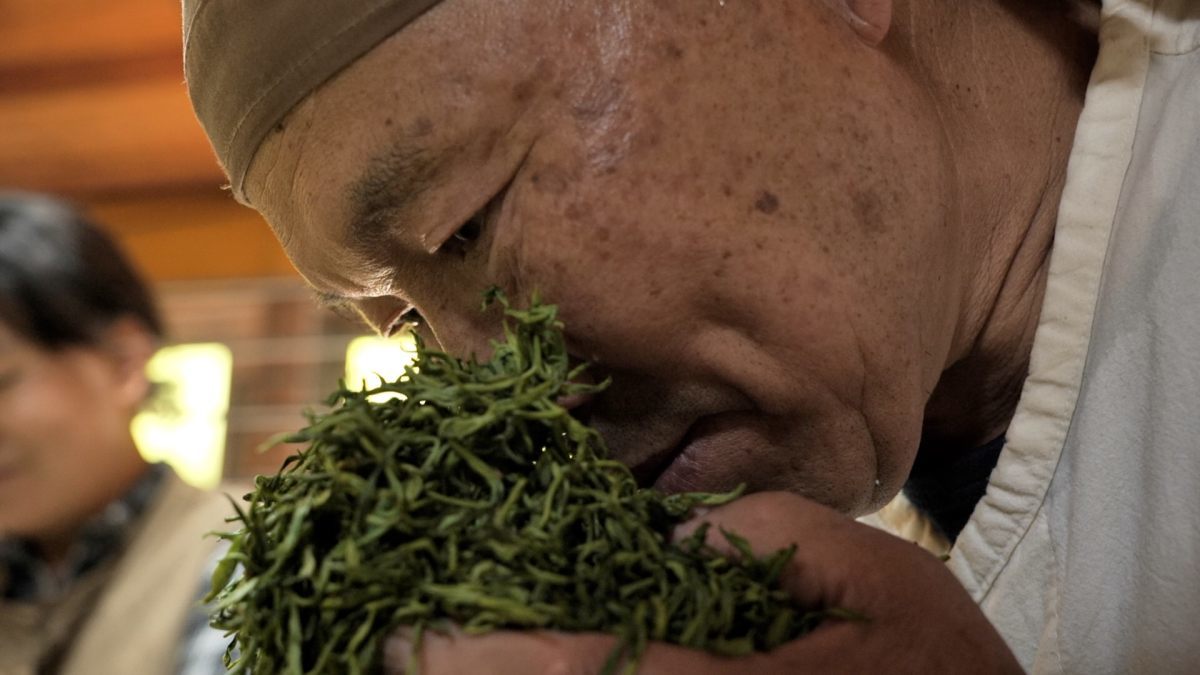
In episode 4 of EBS1’s Korean Journey series, titled Sunlight of My Life, Family, the program profiles Hwang In‑su and his wife, Im I‑su‑young, who carry on a six‑generation tradition of handmade tea at a high‑altitude tea farm in Hadong, in South Gyeongsang Province, situated about 700 meters above sea level.
The episode follows the farm’s longtime pickers — elderly women who have harvested tea together for more than 30 years — as they offer the season’s first green tea at Chilbulsa Temple and mark a spring in which fieldworkers have become family across generations.
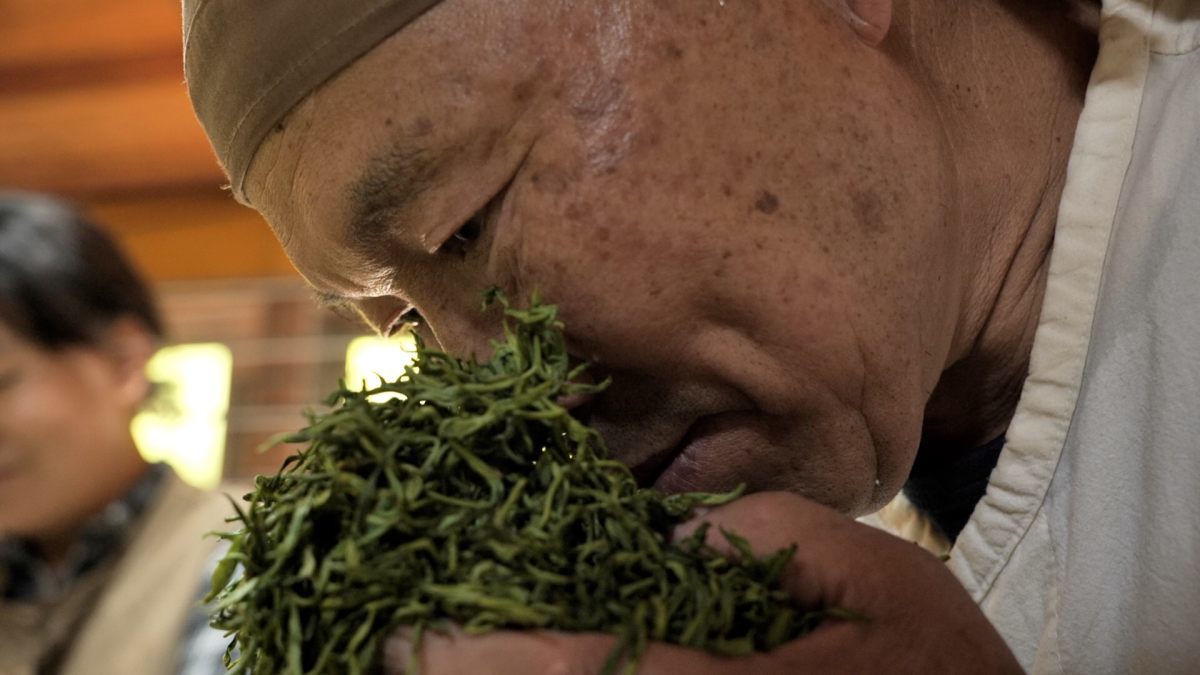
‘Korean Journey’ — Sunlight of My Life, Family, Episode 4: The Scent of Time Passed Down for Six Generations
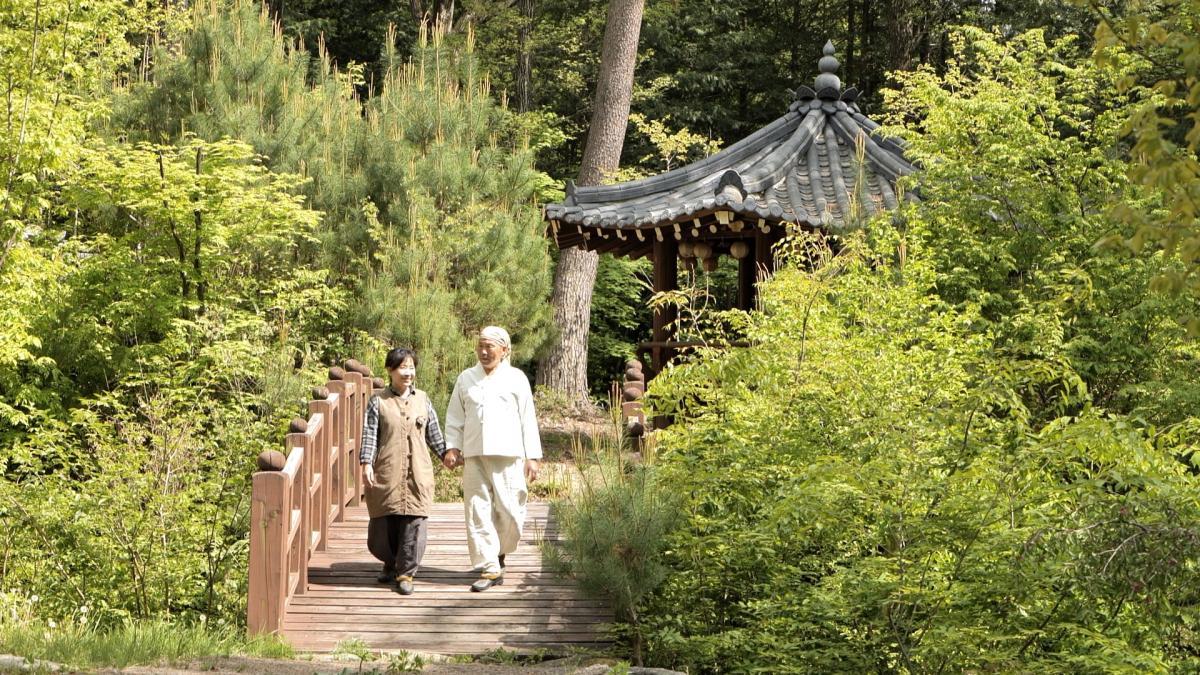
Perched on terraces about 700 meters above sea level, the Hadong tea fields preserve a lineage of hand‑crafted tea passed down through multiple generations. Master tea maker Hwang In‑su and his wife, Im I‑su‑young, now run the sixth‑generation operation. Hwang’s practiced hands were formed by climbing these slopes and tending the plants since he was eight. As the couple tends the farm, their partnership has deepened into a close, almost familial bond.
Each spring, other central figures return to the fields: quick‑witted women in their 80s who keep their promise to show up and work. After more than three decades of climbing the same paths and picking leaves together, the labor that once bound them has evolved into an affection that transcends blood. As they trade checks on one another’s health and weave those small acts of care into daily routine, the farm has become more than an agricultural site — it has become a community defined by warmth and mutual reliance.
Spring has arrived again, and the tenderest new shoots have emerged across the terraces. These are the prized April leaves — harvested during the narrow two‑month window when picking is allowed. The leaves undergo meticulous, hands‑on processing: careful plucking, pan‑firing in a cast‑iron cauldron, hand‑kneading, and drying. With no machines involved, the work is entirely manual, and from that labor comes a fragrant cup of tea.
This year’s first green tea, made with particular care, was offered at Chilbulsa Temple to pray for the tea fields’ well‑being over the coming year. Through the heat of the pan and the quiet attention at each stage, Hwang, Im, and the veteran pickers reveal the character of Hadong’s tea‑farming family. Time and affection have forged a bond here that extends beyond blood and continues to be renewed season after season.
Tea as time in a cup… The history and varieties of Korean tea
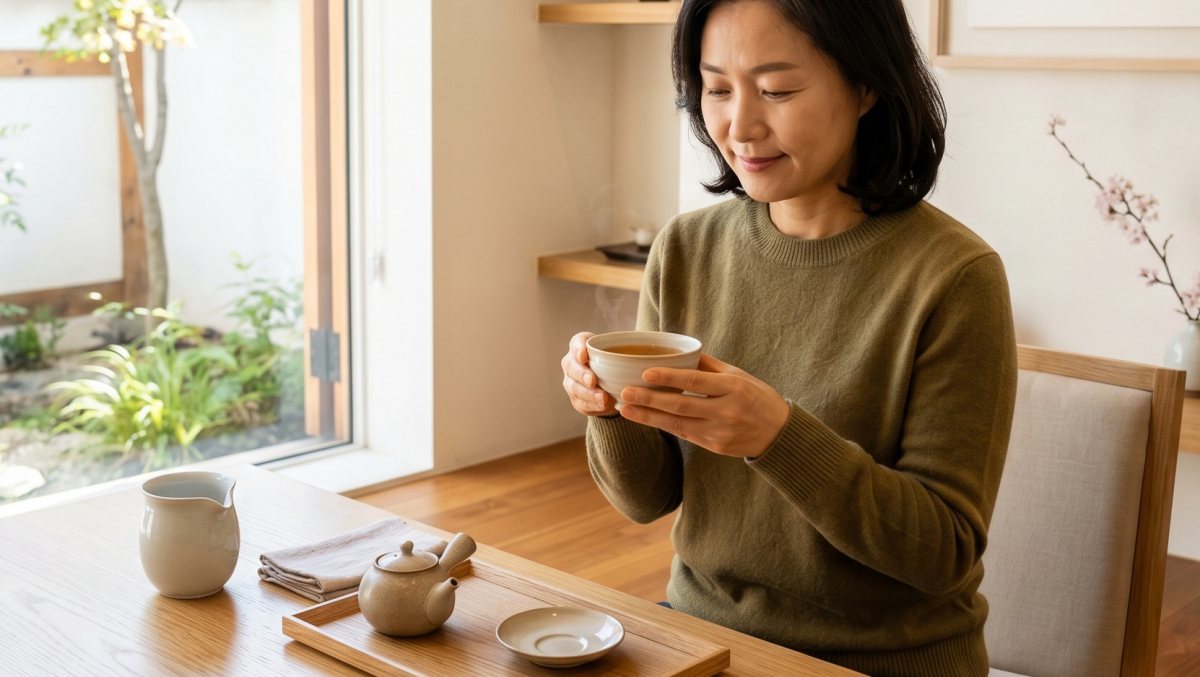
In Korea, the word cha (茶) broadly denotes beverages made by steeping leaves, fruits, roots, or other plant parts. Traditionally, however, cha usually refers to drinks made from the tea plant’s leaves. Green tea, black tea, oolong, and pu‑erh all come from the same plant; what distinguishes them is how the leaves are processed and how much they are oxidized. Korea’s tea culture has centered on green tea, and interest in fermented and traditional handmade teas has been rising.
Korea’s tea‑growing regions cluster along the southern coast and the foothills of Jirisan. Major producing areas include Hadong in South Gyeongsang, Boseong in South Jeolla, and Jeju Island. These regions offer relatively mild average temperatures and a favorable mix of fog and rainfall for tea cultivation. Hadong, in particular, has long been recognized as a center of Korea’s wild tea culture, producing tea for generations under the conditions of the Jirisan foothills.
Historical records from the Three Kingdoms and Unified Silla periods also attest to Korea’s tea heritage. The Samguk Sagi records that in 828 — the third year of King Heungdeok of Silla — tea seeds brought from Tang China were planted on Jirisan. Tea culture expanded during the Goryeo era alongside Buddhism and persisted through the Joseon period within Confucian tea rituals and daily life.
One defining characteristic of Korean tea is the pan‑firing method. Pan‑fired tea — made by heating leaves in a pot or cauldron to stop oxidation — contrasts with the steaming method common in Japanese green tea production. Pan‑firing often yields a roasted, mellow aroma. In traditional handmade teas, most steps — from plucking to pan‑firing, kneading, and drying — remain manual.
Tea quality and names also depend on harvest timing. The earliest spring leaves are called ujeon (雨前), meaning harvested before the Grain Rain period; they are scarce and prized for their delicate aroma. Later harvests are categorized as sejak, jungjak, daejak, and so on. Younger leaves typically produce a softer, more nuanced flavor.
Korea produces a range of teas by oxidation level: minimally oxidized green tea, partially oxidized semi‑fermented teas, and fully oxidized black teas. Recently, producers have been developing Korean‑style fermented teas using traditional fermentation techniques. Still, green tea remains the most widely consumed variety domestically.
EBS’s Korean Journey, a long‑running documentary capturing lives and landscapes across the country
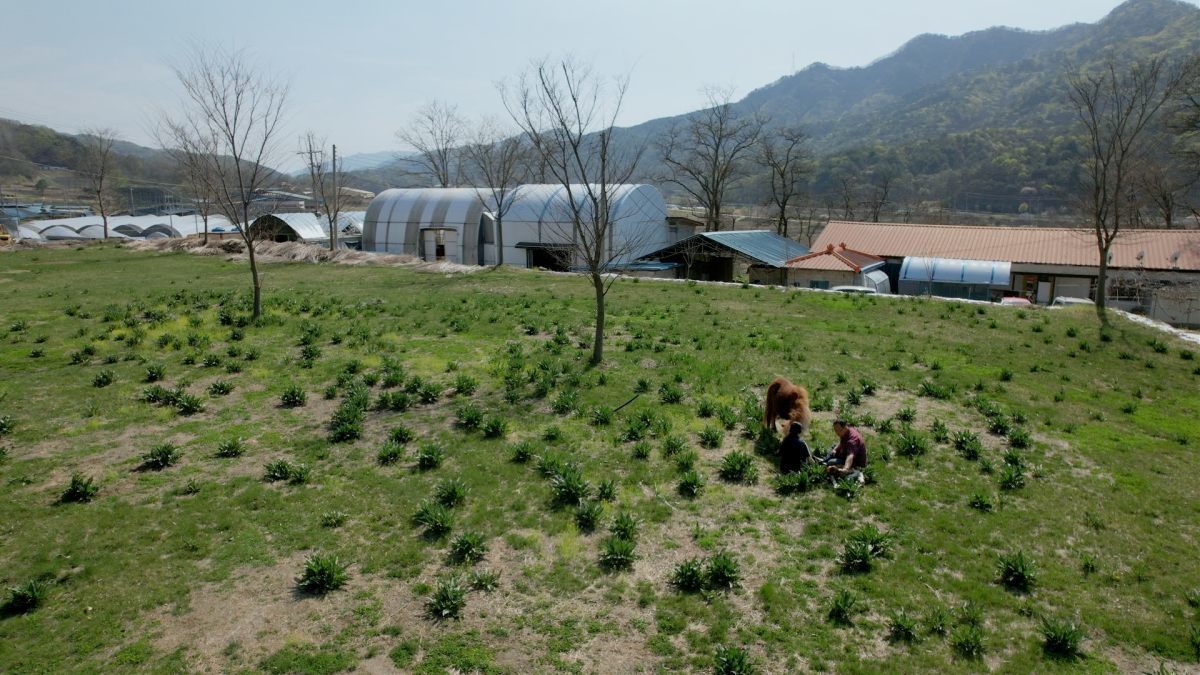
EBS1’s Korean Journey has earned steady popularity since its debut in August 2009. The long‑running documentary travels to mountains, seas, towns, and alleys across the country to document seasonal landscapes, local cultures, and the daily lives of the people who live there.
The program frames each theme as a five‑part series, with episodes of roughly 30 minutes. It captures regional lifestyles and sensibilities with a calm, observant eye.
Rather than relying on sensationalism or contrived staging, Korean Journey seeks to preserve the natural atmosphere of each location. The series combines restrained narration with on‑site encounters to convey people, places, and regional character in a straightforward, respectful manner.
The show spotlights a wide array of settings: mountain hamlets, fishing villages, farmlands, island communities, and urban neighborhoods and workplaces. Through that range, it introduces viewers to landscapes and lives they might not otherwise see and highlights each area’s distinct cultural flavor.
Korean Journey currently airs regularly on EBS 1TV. Each week it presents new themes and locations, continuing its portrait of places and people around the country.
Korean Journey broadcasts Monday through Friday at 9:35 p.m. For broadcast details, see the EBS1 Korean Journey preview page.















Most Commented