
Translation result
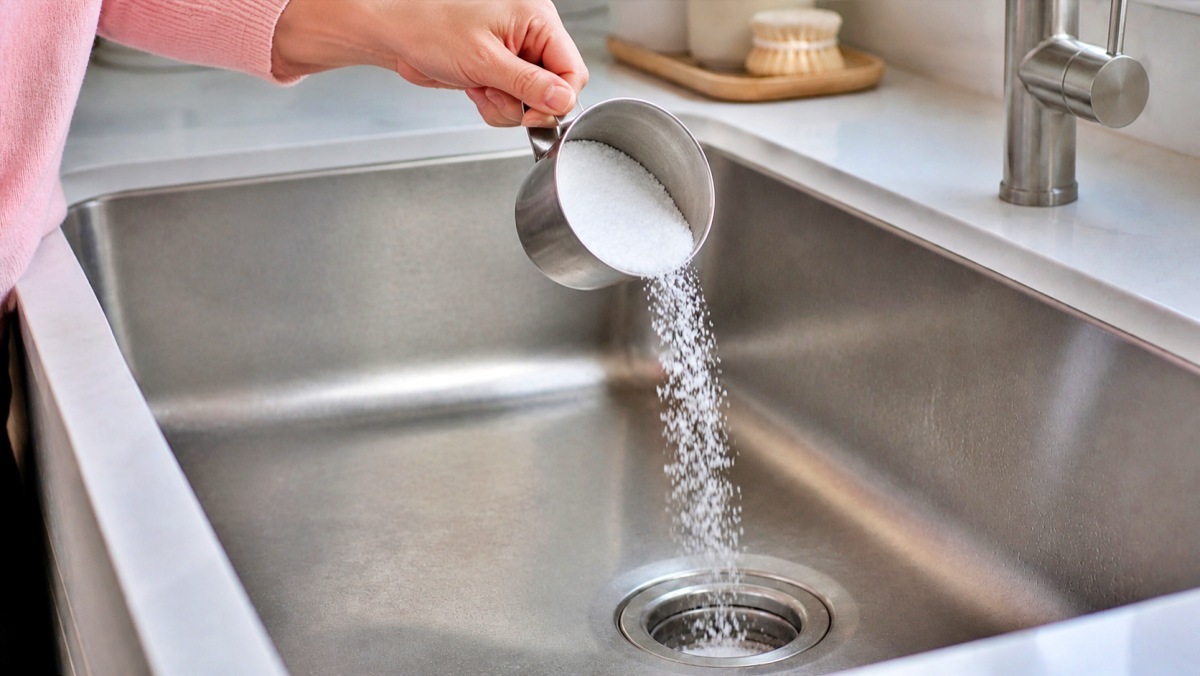
One of the trickiest spots in a kitchen you use every day for cooking and washing dishes is the sink drain. Even when the surface looks clean, food particles, grease and mineral residue can build up inside the drain. Left unchecked, that buildup produces a musty smell and slows drainage.
You can buy commercial drain cleaners, but simple pantry staples—table salt and hot water—often curb odors and help remove light grease.
Why salt and hot water work
Most sink odors stem from food scraps and grease. Rice grains, vegetable bits and seasoning that slip past the strainer or cling inside the pipe can decompose and produce odors. Oil from meat or fried foods can solidify when it meets cold water, trapping small particles and accelerating grime buildup.
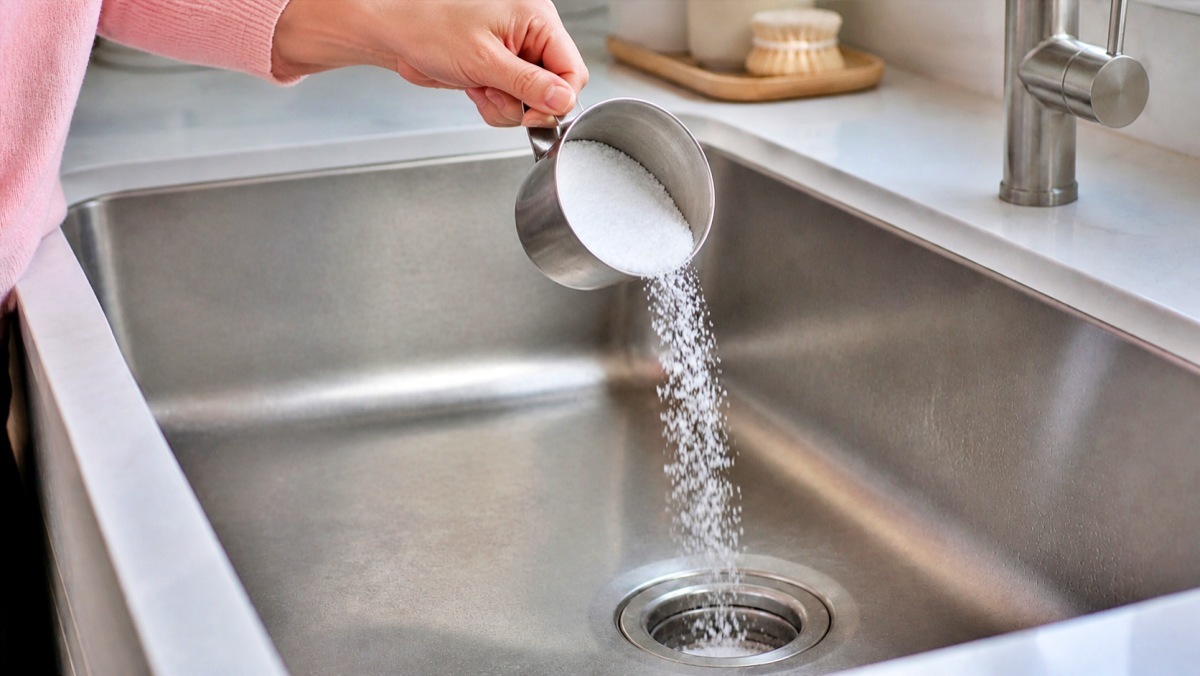
Coarse salt is an easy and effective option for routine care. Salt absorbs some moisture around the drain and helps dislodge light grime on the strainer or drain surface. As the salt dissolves, the resulting saltwater can wash away some odor-causing residue. But salt alone won’t remove heavy, aged grease or clear major clogs—it’s best used for regular maintenance.
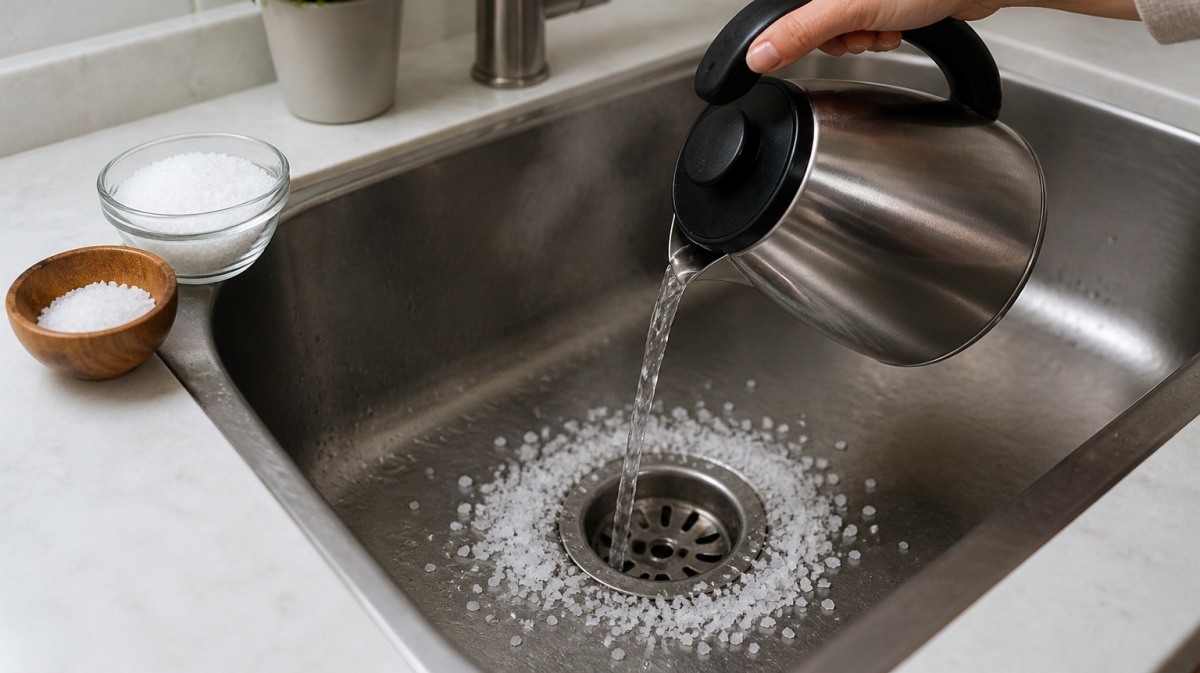
Hot water softens hardened grease. Oil solidifies at lower temperatures, but warm water helps loosen the thin grease film inside pipes. Sprinkle salt first and pour hot water slowly; as the salt dissolves, it can help carry away loosened debris.
How to clean a drain with salt
Start by emptying any food scraps from the strainer. Use a small brush or an old toothbrush to remove trapped bits and grease—if you skip this step, salt will just sit on top of the debris and be less effective. Tidy the drain entrance and strainer area before you begin.
Next, sprinkle about 1/2 cup to 1 cup of coarse salt evenly around the drain opening and strainer. For light soil, 1/2 cup is usually enough; increase the amount slightly after particularly greasy meals. Let some salt fall into the drain, but avoid pushing large amounts in at once.
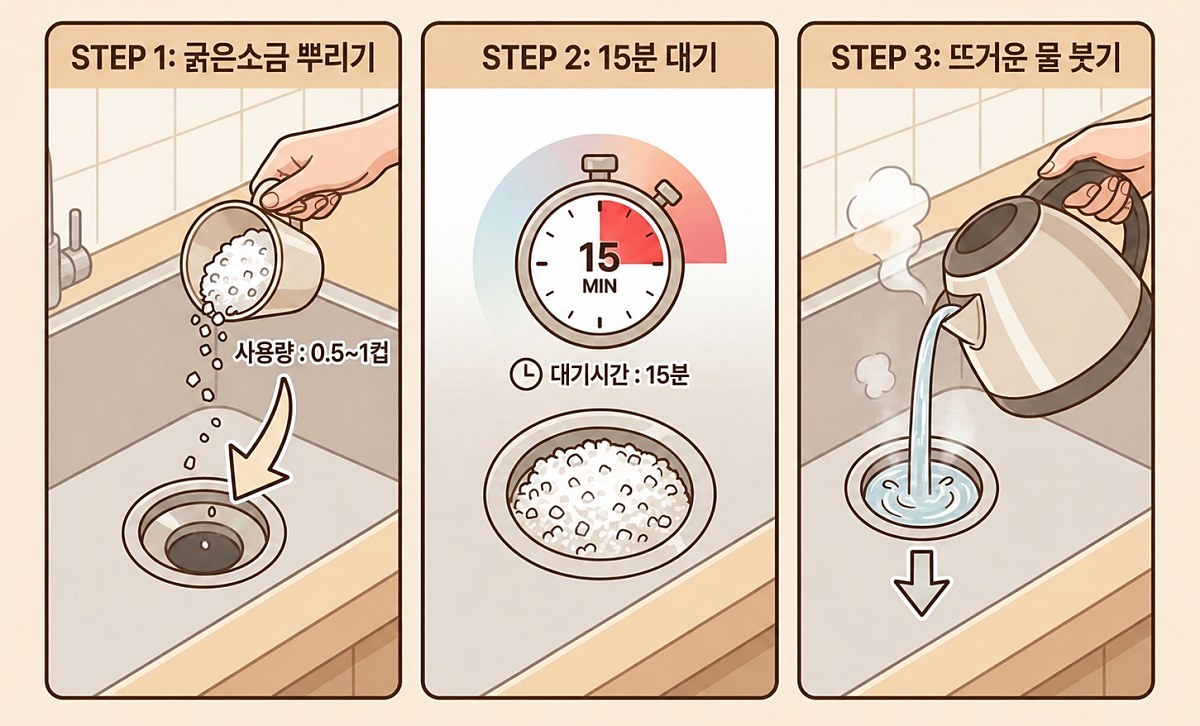
Let the salt sit for about 10–15 minutes. During this time, the salt mixes with moisture and helps loosen hardened grime. Then prepare hot water and pour it slowly toward the drain. It’s better to pour several smaller amounts than one large, forceful pour; that lets the salt dissolve gradually and wash away surrounding dirt.
Consider the condition of your pipes before using very hot water. In older homes or where drain pipes are fragile, avoid pouring boiling water directly; use hot water that’s had a moment to cool instead. After cleaning, run plenty of clear water to ensure no salt remains on the sink or strainer.
Using baking soda and vinegar
If salt and hot water don’t reduce the odor sufficiently, try baking soda and vinegar. Baking soda is mildly alkaline and is often used to tackle grease. Vinegar’s acidity helps dissolve mineral deposits and neutralize odors. When combined, they fizz, which can help lift light grime around the drain.
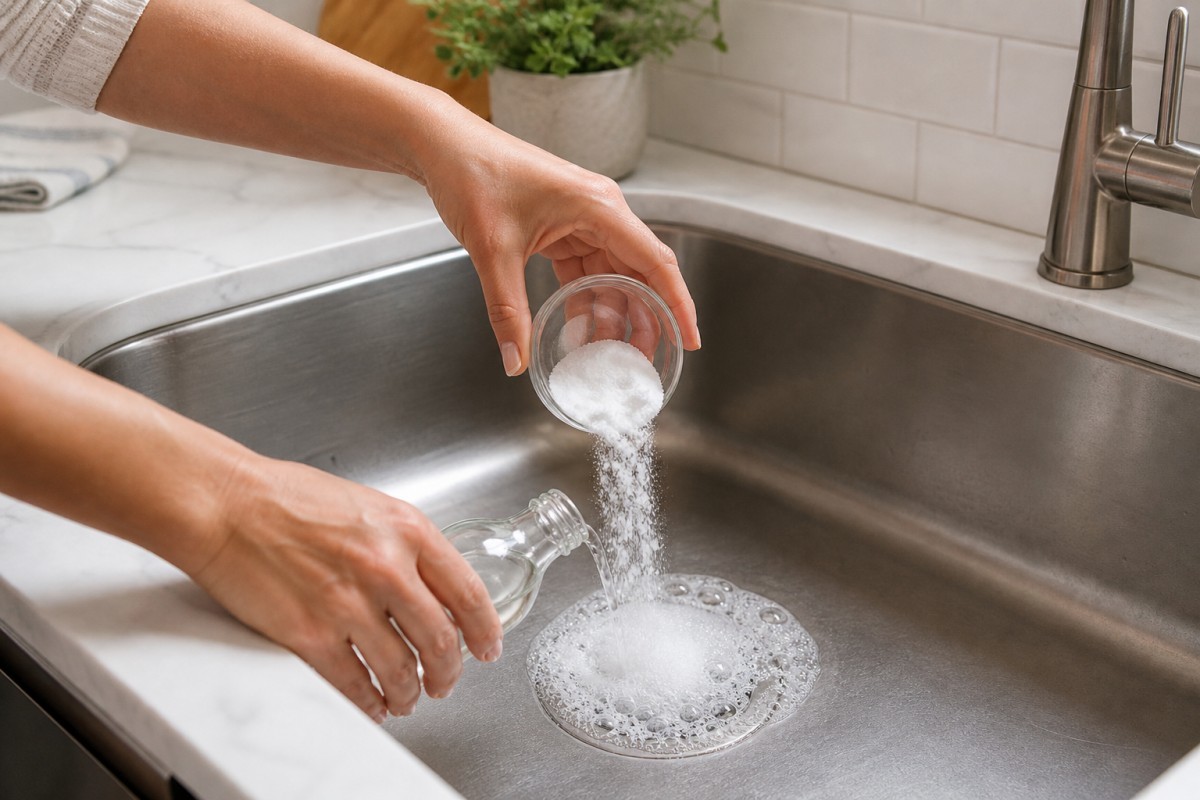
The method is simple. Empty the strainer, sprinkle about 1/2 cup of baking soda into the drain opening, then slowly pour about 1/2 cup of vinegar over it. When bubbling begins, leave it for 20–30 minutes. Rinse thoroughly with hot or warm water afterward. Because vinegar can leave a lingering smell, rinse generously.
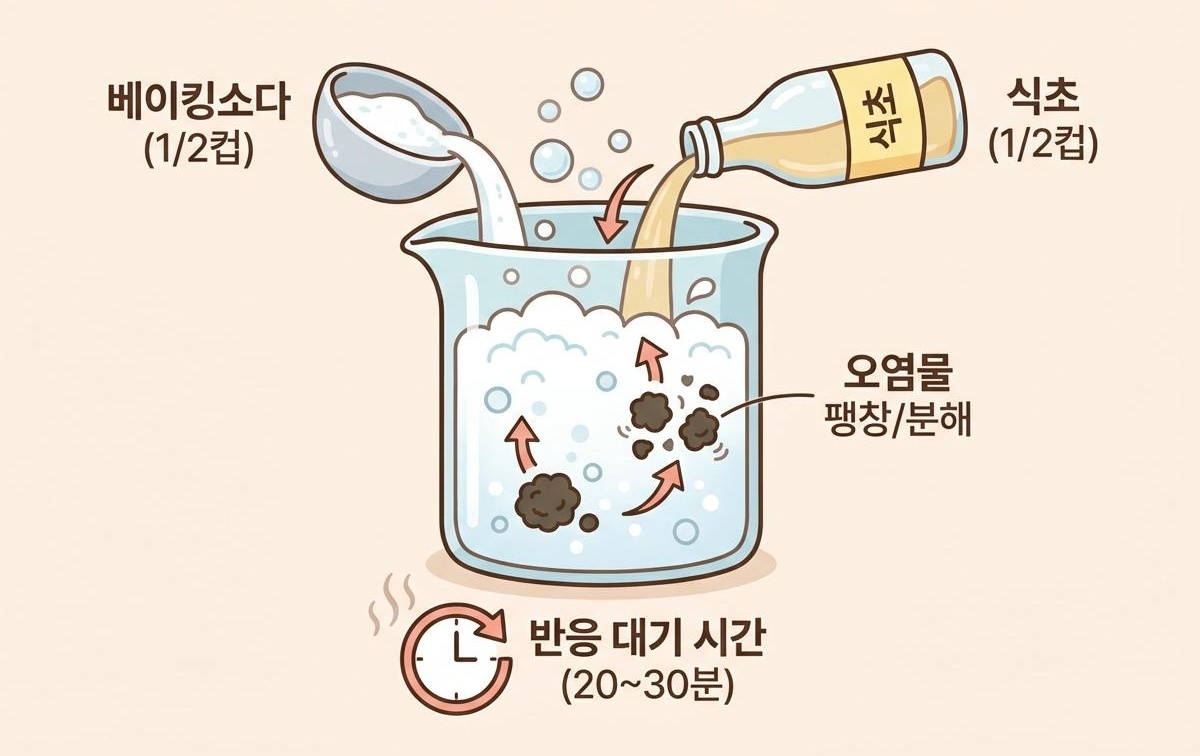
If the smell of vinegar bothers you, dissolve citric acid in water instead. Citric acid works well on mineral buildup, but if used too concentrated or left on metal parts too long, it can damage them. If your sink fittings are stainless steel, rinse thoroughly after cleaning. Each of baking soda, vinegar and citric acid has a role, so avoid using excessive amounts of any single ingredient.
Most important: never mix chlorine bleach with acidic cleaners. Combining bleach with vinegar or citric acid can produce hazardous gases. Pick one method at a time, and rinse thoroughly with water before switching to another cleaner.
Gently scrubbing with ice and salt
If sticky residue remains around the drain opening or strainer, try ice and salt together. Ice cools the area and salt granules provide light abrasive action. This technique cleans the entrance and strainer area rather than the deep pipe.
Start by emptying the strainer and rinsing the drain area. Place a few ice cubes in the drain opening and sprinkle 1–2 tablespoons of coarse salt over them. Run a small trickle of water and gently scrub where the ice and salt contact the surface with a brush to reduce grease and odors. After the ice melts, flush with warm water to wash away remaining salt and debris.
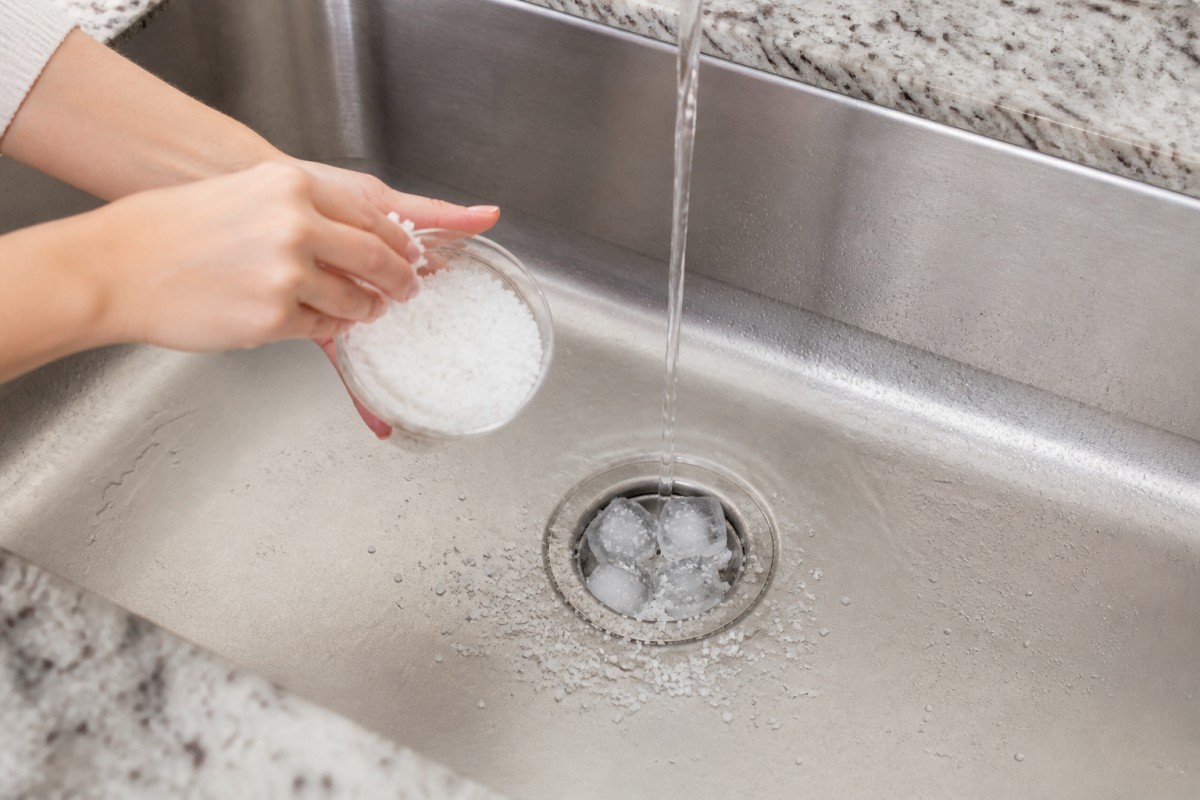
Don’t force ice or salt deep into the pipes. Depending on the drain’s structure, you could push debris into a trap and worsen drainage. If your sink already runs slowly or shows signs of clogging, clean the strainer and entrance first and consider professional inspection if needed.
Behaviors to avoid when cleaning drains
The worst habit for drain maintenance is pouring oil straight down the sink. Fat from pans or meat solidifies and clings to pipe interiors, trapping food particles and causing odors and clogs. Wipe oily dishes with a paper towel before washing.
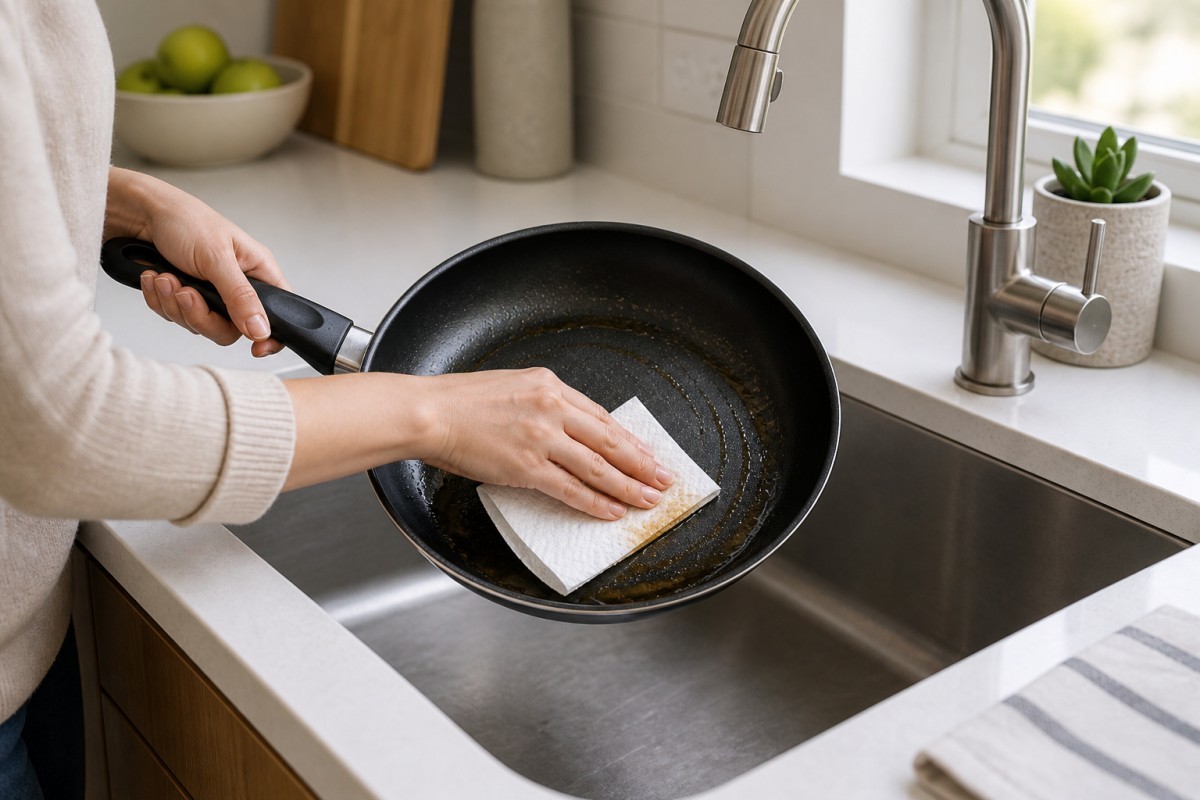
Pouring very hot water too often or in large amounts can also be problematic. If your drain pipes are sturdy, that risk is low, but in older sinks with fragile hoses or fittings, extreme heat can deform parts or cause leaks. Pour hot water slowly rather than dumping it all at once. If you’re unsure about your pipes, use hot—but not boiling—water.
Also, don’t skip rinsing after using salt. Prolonged salt contact can corrode stainless steel and other metal parts. After a salt treatment, rinse the sink bowl, strainer and drain opening thoroughly so no salt remains. Wipe up any spilled salt promptly.
Clean the strainer and cover, too
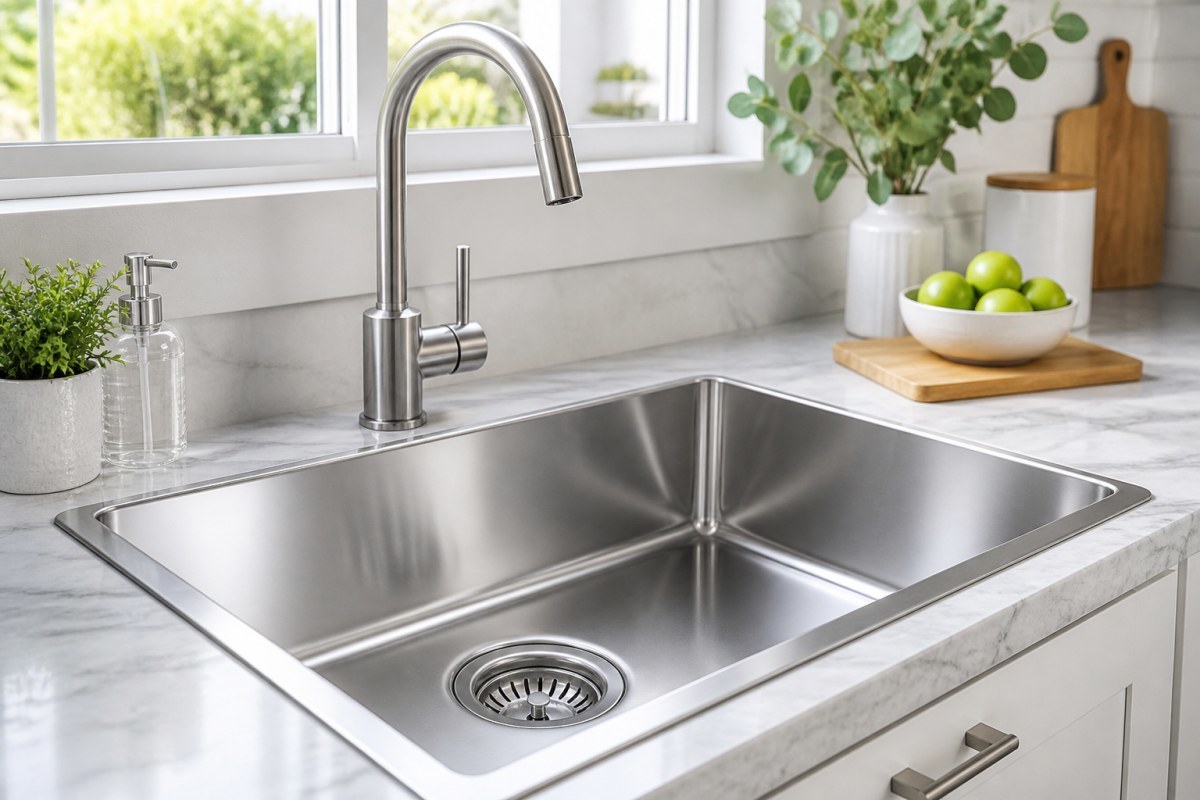
Drain odors don’t always come from deep within the pipes. Grime on the strainer, cover and around the drain opening often causes the smell. Debris trapped under the strainer or inside the cover can linger out of sight. Clean the parts you can reach rather than focusing solely on the pipe.
Empty the strainer daily if possible. Even small scraps combined with moisture and seasoning can create odor quickly. After emptying, rinse it, and once or twice a week scrub the inside with a brush. An old toothbrush is great for removing small particles caught in the mesh.
Remove and wash the drain cover regularly. The inside of the cover easily accumulates mineral deposits and grease. Clean it with a mild detergent and warm water, dry it completely, and reattach to reduce odors. Rather than keeping the cover closed all the time, leave it open briefly after washing to let moisture evaporate.
Daily habits for a pleasant kitchen
The best way to prevent drain odors is to act before grime builds up. Run warm water for 30 seconds to 1 minute after washing dishes to flush away light grease before it solidifies. After greasy cooking, use salt or baking soda once more to help keep odors down.
Avoid washing food scraps down the drain when you can. Repeated small bits will collect inside pipes. Scrape leftover sauce or rice into the trash, wipe grease with a paper towel, then wash. These simple habits can reduce how often you need to deep-clean the drain.
Shorten maintenance intervals during summer or the rainy season. Higher humidity and temperatures speed odor formation from food scraps. Empty the strainer more often and reduce moisture around the drain. Wiping the sink area with a dry cloth after washing helps prevent mineral buildup and smells.
Cleaning a drain with salt and hot water is straightforward: empty the strainer, sprinkle salt, wait briefly, then rinse slowly with hot water. Don’t pour boiling water into old pipes, and rinse thoroughly so no salt remains. Baking soda, vinegar and citric acid can help when used properly, but avoid mixing multiple cleaners aggressively.















Most Commented