
Transform Your Bathroom: 5 Clever Ways to Reuse Ice Packs for Freshness and Dehumidification
Daniel Kim Views
Translation result
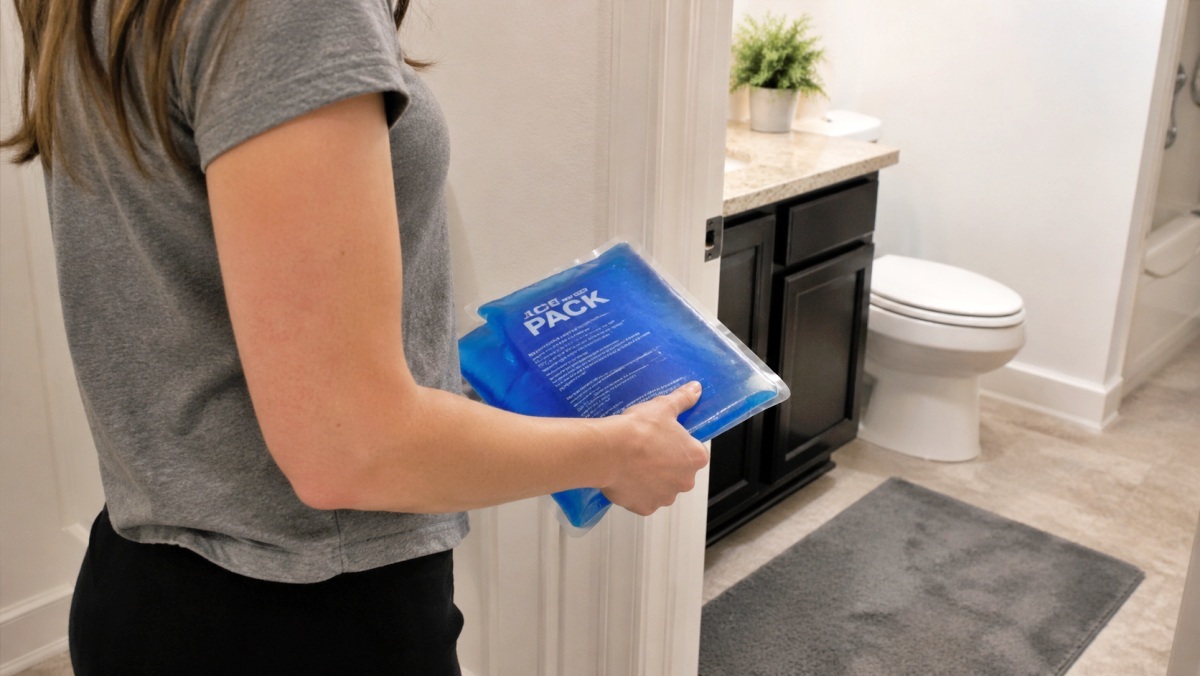
With more grocery and meal-kit deliveries, many households find ice packs accumulating in the freezer. Tossing them feels wasteful, but keeping them takes up valuable space. Understanding what’s inside many ice packs lets you repurpose them for bathroom upkeep—as air fresheners, moisture-control aids, or temporary drain covers to help block odors.
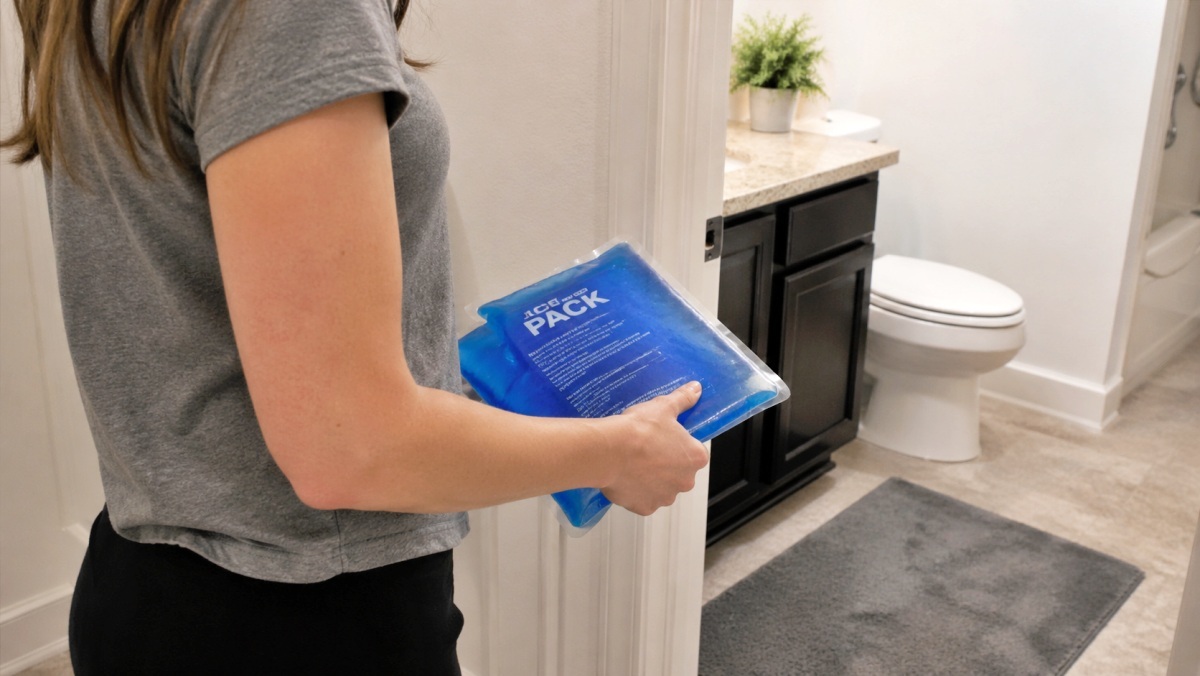
What’s inside gel ice packs: superabsorbent polymer
Gel ice packs typically contain a superabsorbent polymer, a long-chain compound that soaks up and holds large amounts of water. Depending on the product, these polymers can absorb many times their own weight and remain gel-like. Once they trap moisture, it doesn’t drain out quickly; instead, it evaporates slowly over time.
That behavior mirrors how gel air fresheners and moisture absorbers work: the gel can retain fragrance and release it gradually, and in humid spaces it can pull in some surrounding moisture. Bathrooms get steamy after showers and are prone to drain odors, which is why leftover gel ice packs can be useful for bathroom care.
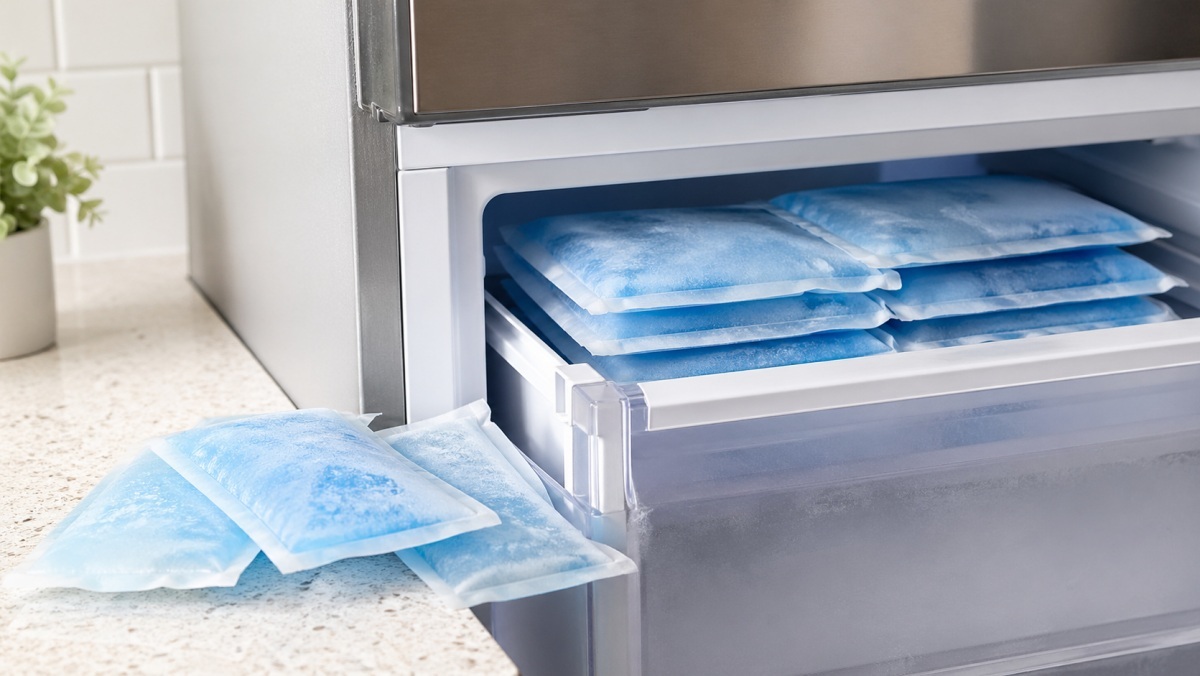
Not all ice packs are the same. Some hold only water; others contain gel made from superabsorbent polymers. Check the pack before you try to reuse it. Water-filled packs won’t serve well as air fresheners or dehumidifiers, and even gel packs should not be reused if their packaging is damaged or they emit an odor.
Turn a gel ice pack into a bathroom gel air freshener
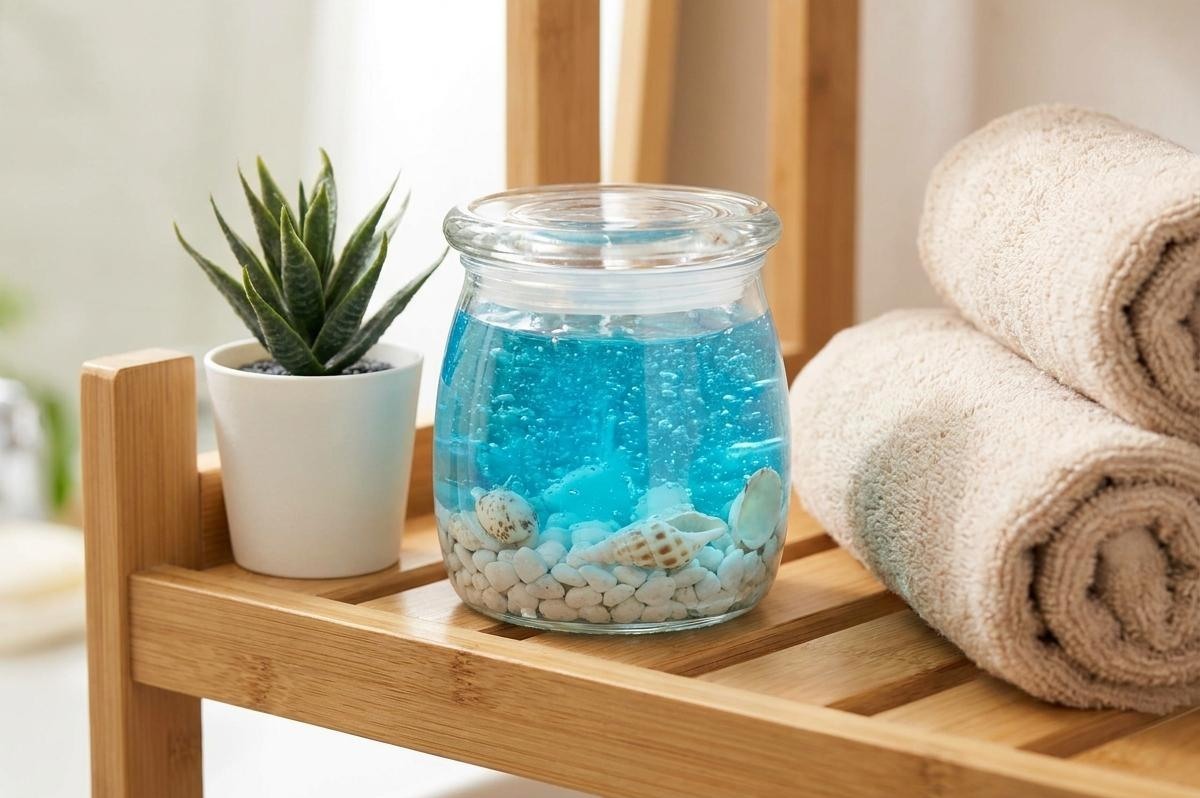
The simplest reuse is turning a thawed gel ice pack into a bathroom gel air freshener. Cut a corner off a fully thawed gel pack with scissors and transfer the gel into a clean glass or plastic jar. Fill the jar only about 70–80 percent so there’s room to add and mix scent.
Add a small amount of essential oil or perfume—usually 5–10 drops—and stir gently with a wooden stick or disposable spoon. Start sparingly: strong fragrances can overwhelm a small bathroom. Replenish the scent as it fades rather than adding too much up front.
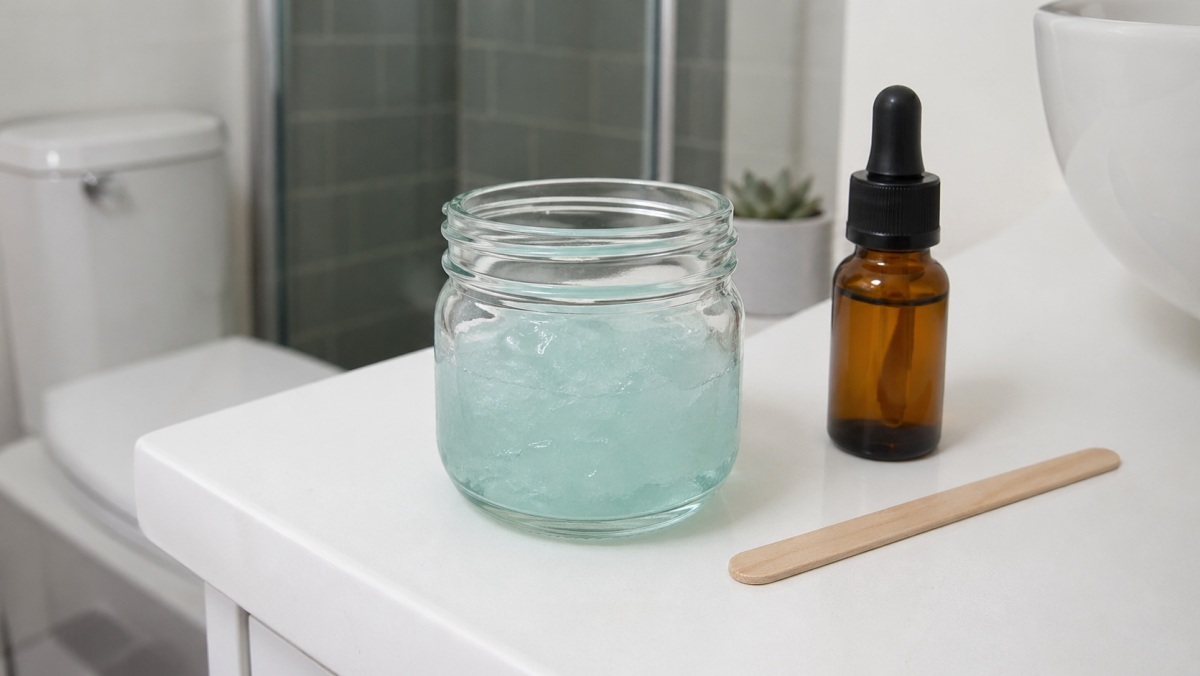
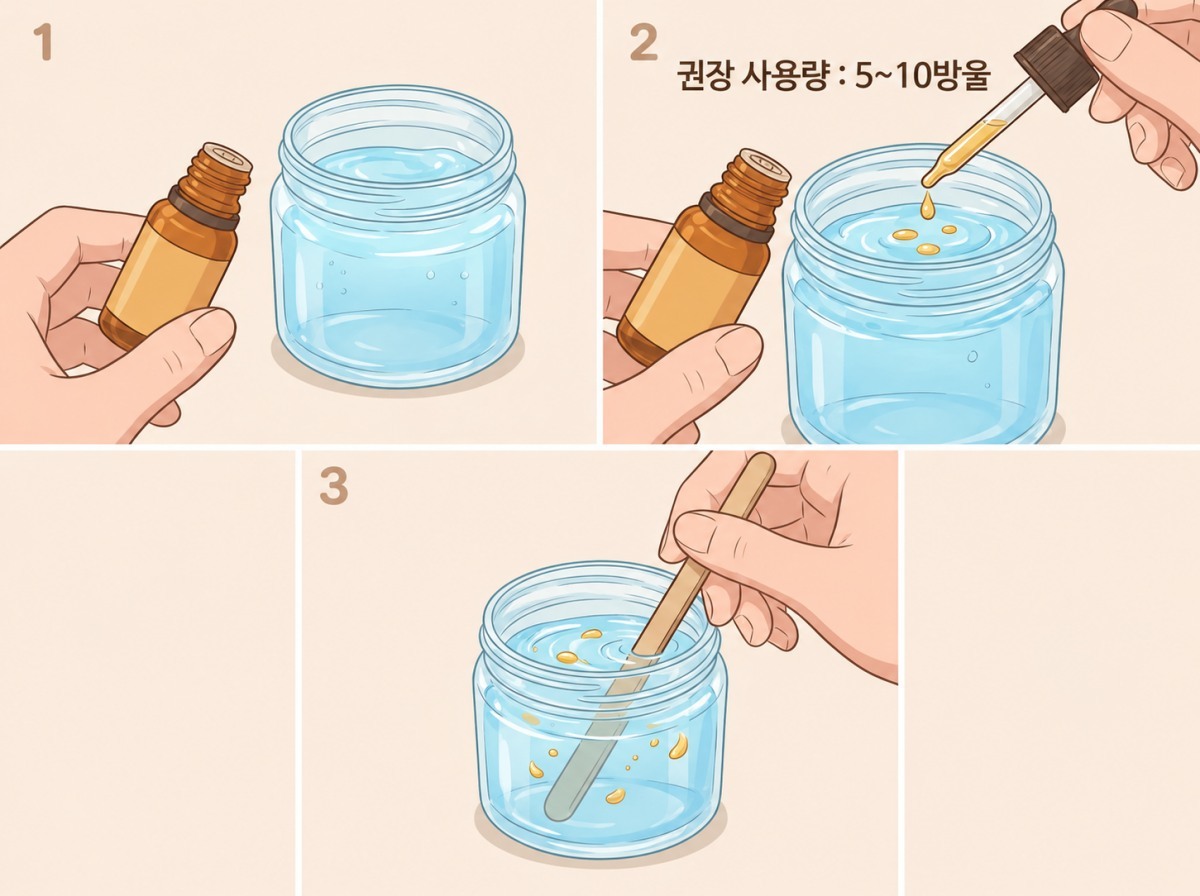
Place the finished gel in a stable spot where it won’t tip—behind the toilet, under the sink, or on a shelf. A spot with slight airflow helps the scent disperse naturally. For a decorative touch, use a clear container and add small pebbles or shells. Keep the jar out of reach of children and pets: ice-pack gel is not for ingestion or handling, so prioritize safe placement.
Use gel packs as a dehumidifying aid inside bathroom cabinets
Bathroom cabinets trap moisture easily. Towels, toilet paper and shave kits can absorb steam from showers and develop a musty odor. Gel ice packs can help as a supplemental dehumidifier.
For this use, skip adding fragrance. Put gel into a small container, cover the opening with a piece of nonwoven fabric or a kitchen towel, and secure it with a rubber band. Allow airflow while preventing spills, and place it in a corner of the cabinet or near toilet paper to help manage humidity.
Gel packs don’t replace a proper dehumidifier. In damp bathrooms, ventilation is the primary defense: leave the door open after showering or run the exhaust fan. Use gel packs only as a supplement. If the gel darkens, smells, or shows particles on its surface, discard it. Replace it if it swells or accumulates excess liquid.
Temporary drain cover to block odors
When you’re away for several days or during hot weather, drains can emit odors. An unopened ice pack placed over a drain can act as a short-term cover. Gel packs have enough weight to sit on a drain, and the plastic wrapping can help seal edges and reduce smells.
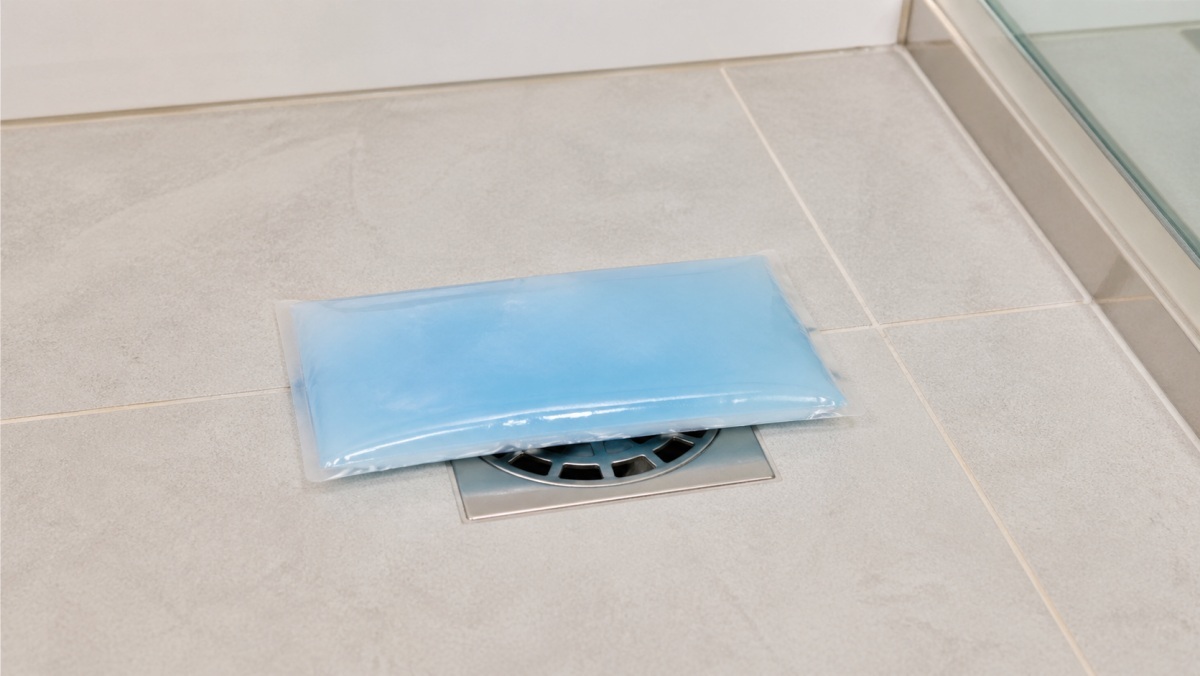
This trick works well when you won’t use the bathroom for a short spell, like a trip. Place a pack that fits over the drain and remove it before bathing or washing. After use, dry the drain area before replacing the pack if needed.
Do not push an ice pack into the drain or pour its contents down the drain. Superabsorbent polymers expand when they absorb water and can clog pipes. Use ice packs as covers only while still sealed in their packaging.
Use as a cold or warm compress
Ice packs are designed to hold temperature, so they can also serve as compresses. For morning facial or eye puffiness, wrap a chilled pack in a towel and apply briefly for a cold compress. Never place a frozen pack directly on skin—always wrap it to avoid irritation.
For a warm compress, soak the pack briefly in warm water. Submerge it in water around 50°C (about 122°F) to draw in heat, then wrap it in a towel and apply to the shoulders or the back of the neck to help relax tight muscles. Avoid boiling water, which can damage the pack’s packaging.
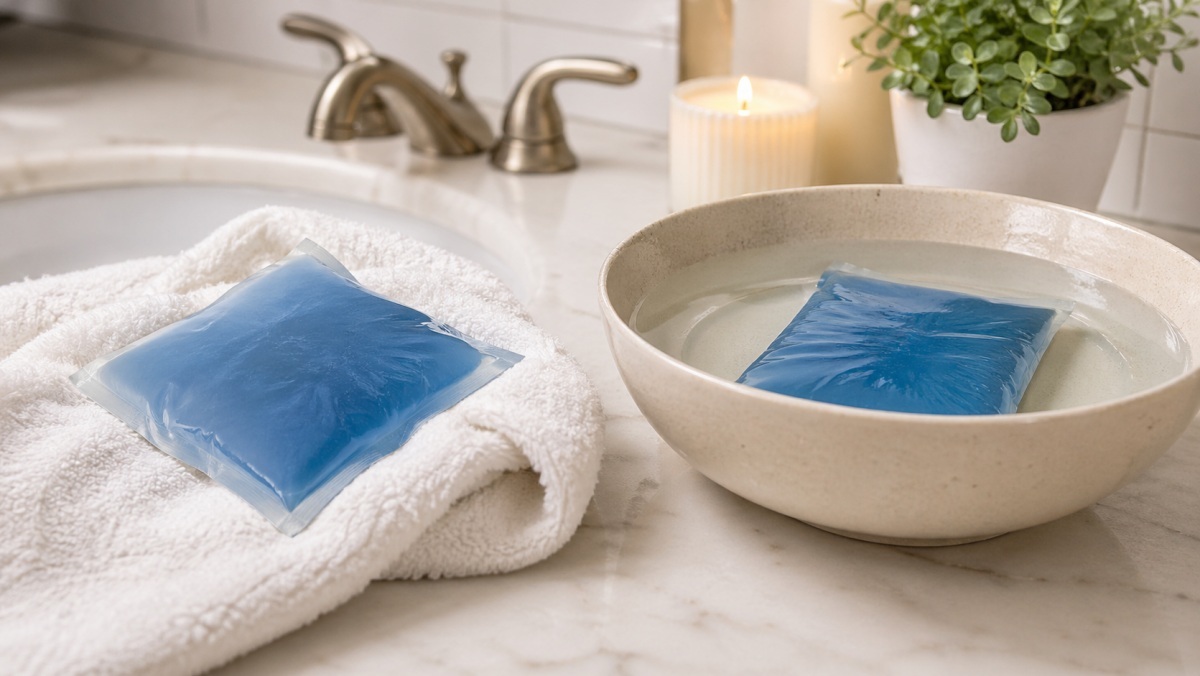
Do not heat ice packs in the microwave. Packaging can fail at high temperatures and the pack might burst. Warm them only with hot water and test the temperature on the back of your hand before applying. Avoid prolonged direct contact with skin.
Use fragrance to deter pests
Small insects such as drain flies often breed near drains because of moisture and organic buildup. Adding scents that pests dislike to ice-pack gel can help reduce their presence. Cinnamon, lemongrass, eucalyptus and citronella scents are commonly used for household pest deterrence. This approach deters pests by scent only; it is not an insecticide.
Add a small amount of those essential oils to gel air fresheners and place them near drains or under exhaust fans. Keep the gel in a small, stable container rather than dumping it into the drain. Avoid placing containers on the bathroom floor where water can splash and create a slipping hazard—choose a corner instead.
Fragrance alone won’t eliminate pests. Clean drains, ventilate, and remove soap scum first. If insects persist, inspect the drain trap and consider appropriate cleaners or pest-control products.
Essential oils can irritate skin at high concentrations. Wear gloves or use tools when mixing oils into gel. If you have pets, check whether particular scents can affect them and exercise caution. Don’t assume stronger scent equals better results—avoid overusing oils.
How to dispose of ice packs
After repurposing ice packs, the most important rule is never to dump their contents into a drain or toilet. Superabsorbent polymers in gel packs expand when they absorb water. If they swell inside pipes, they can cause blockages and strain wastewater systems.
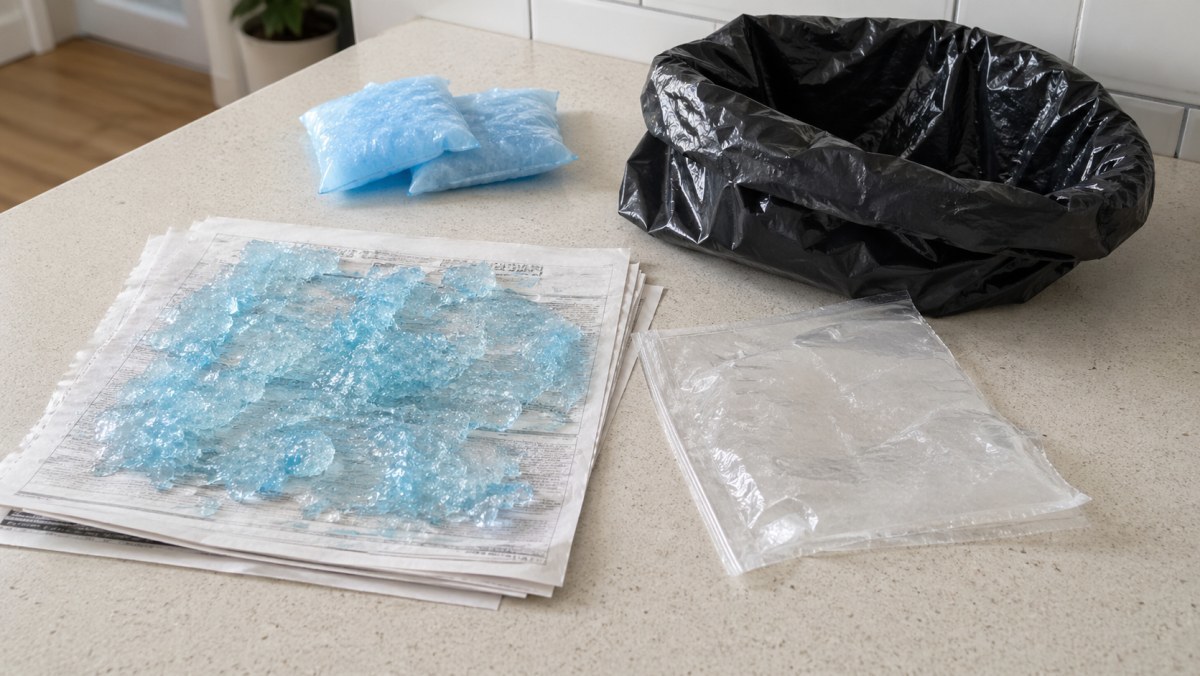
After use, spread the gel on newspaper or a kitchen towel to wick away moisture, then place it in a regular trash bag for disposal. Don’t discard it while it’s very wet—the bag could leak or develop odors. Some municipalities offer designated collection bins for unused ice packs.
If your area has a collection program, you can drop off unopened, clean ice packs for reuse. Opened packs or gel mixed with fragrance are usually not accepted and should go in the regular trash.
Wash your hands immediately after handling the gel. Even if it doesn’t cause an obvious skin reaction, hygiene matters. Keep packs out of reach of children and pets to prevent ingestion. If the packaging tears during reuse, stop using the pack and discard it.
Basic principles for reusing ice packs
Ice packs may seem like clutter, but in the bathroom they can serve as air fresheners, moisture-control aids, temporary drain covers or compresses. The key is knowing what’s inside and using them safely. When transferring gel, use a clean container and add only small amounts of fragrance. Use gel packs as a supplement to ventilation when managing humidity.
Reusing ice packs can reduce household costs and free up freezer space while helping the bathroom feel fresher. But they’re not a cure-all. For heavy mold, persistent odors, or serious pest infestations, cleaning and ventilation come first. Use ice packs afterward as a maintenance tool.
If you have ice packs in the freezer, check their condition before repurposing. Unbroken packs can work as drain covers or compresses; gel packs can become air fresheners or dehumidifying aids. Dispose of them properly—don’t dump the contents into drains. Small reuse habits can free freezer space and help keep your bathroom cleaner and more comfortable.













Most Commented