
Translation result
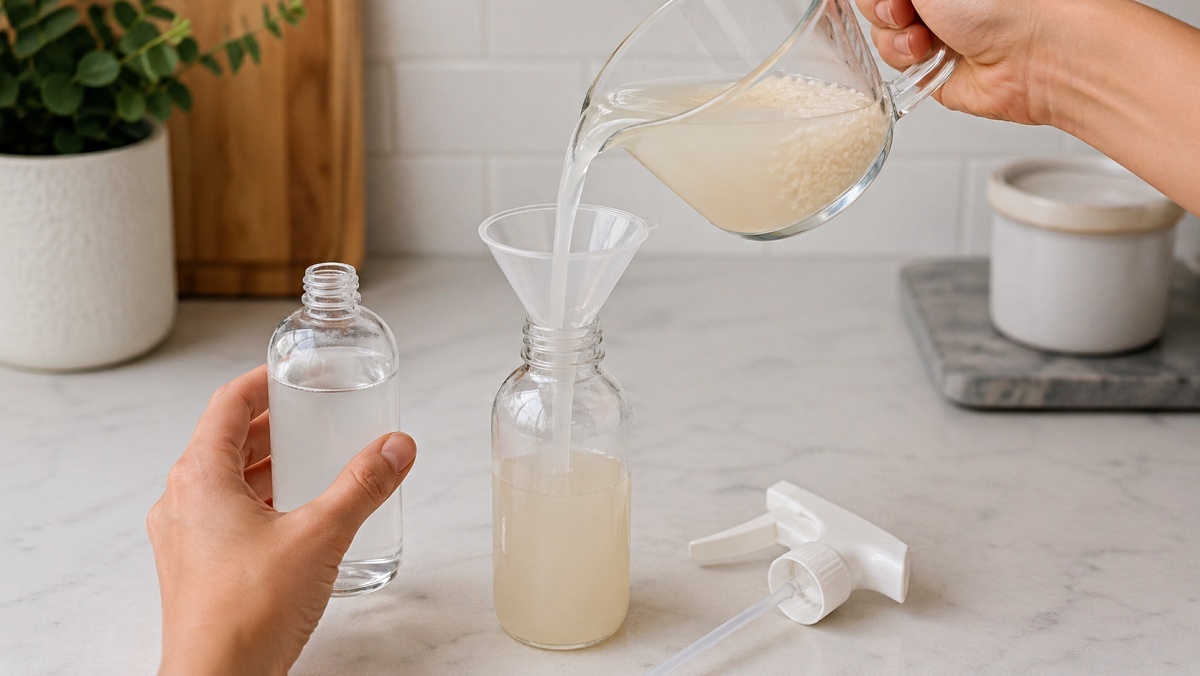
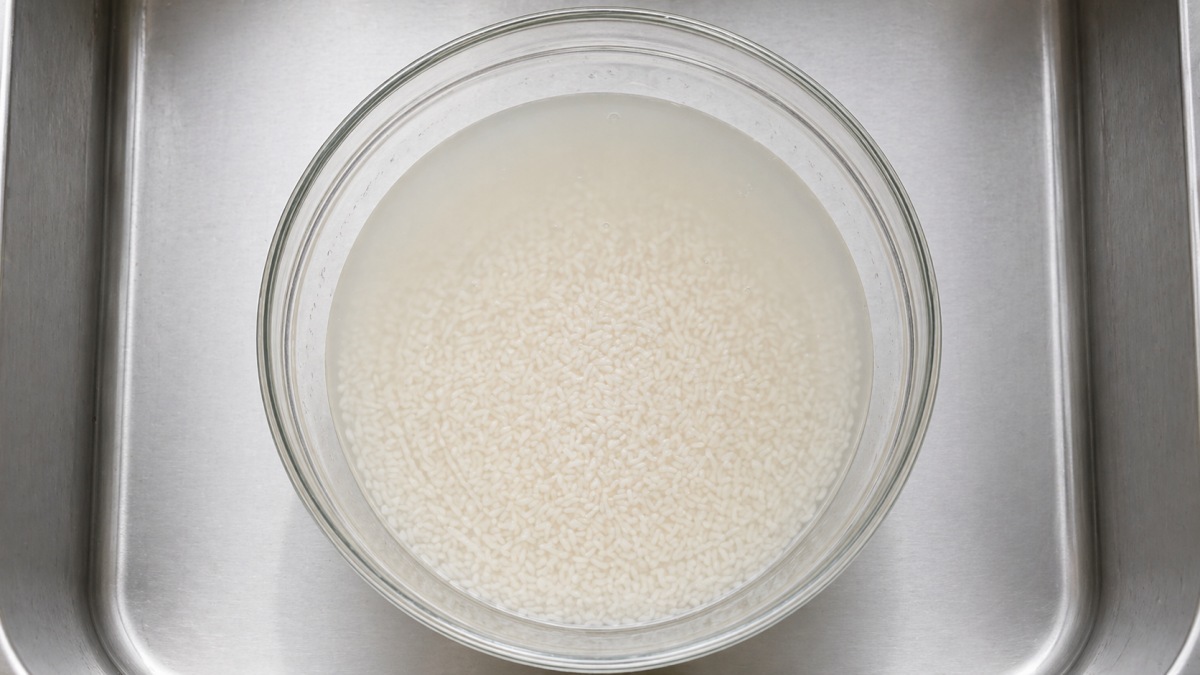
The cloudy water you normally pour down the sink when rinsing rice can be a handy household cleaner. That rinse water holds tiny starch particles that help lift light grease and dust from surfaces.
When you mix an appropriate amount of ‘rubbing alcohol‘ with the rinse water, it helps break down grease and speeds evaporation, making the blend useful for cleaning kitchens and living spaces. Rice rinse water spoils quickly, though, so prepare only what you need and discard any leftovers.
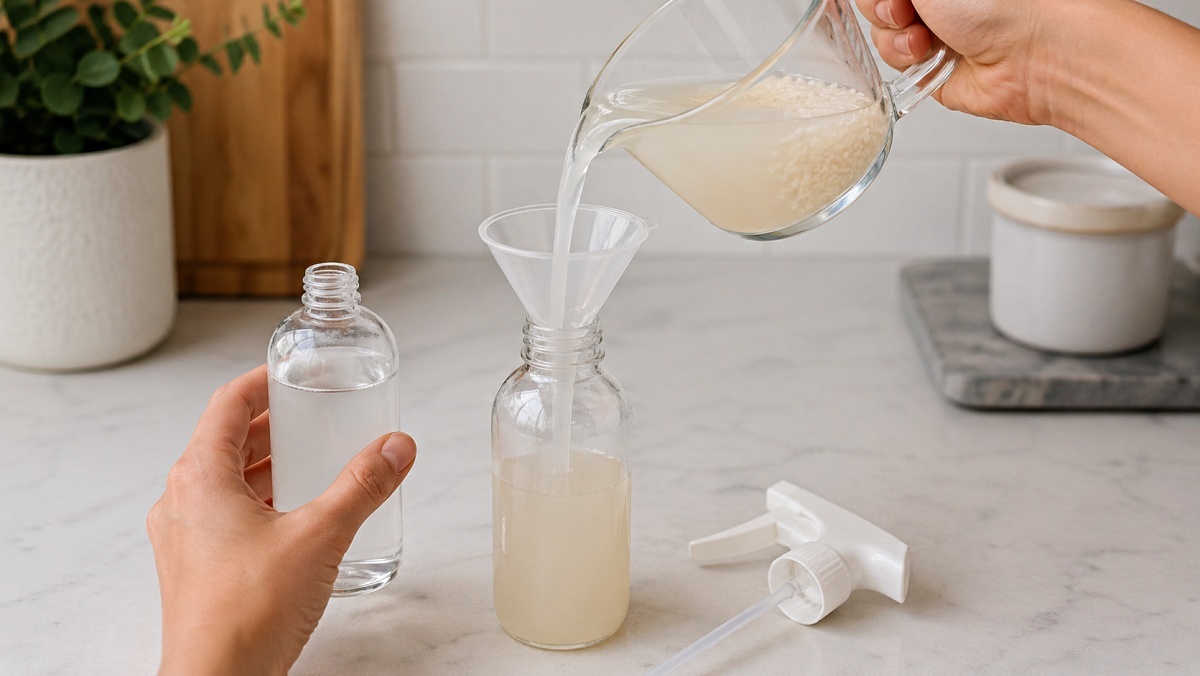
Why mix rice rinse water and alcohol
Rice rinse water contains fine starch particles that come off the surface of the grains. Those starches help trap light soils and oils, which is why people have long used rinse water to wipe dishes and kitchen surfaces. Compared with plain water, the starch makes greasy spots feel less slippery because it binds the contaminants.
Rubbing alcohol dissolves oily residues and evaporates quickly. Adding alcohol to rice rinse water makes it easier to remove light grease and helps surfaces dry faster after cleaning. Use the mixture on frequently touched areas—countertops, tables, doorknobs and light switches. Remember, this is for routine cleaning; it’s not a substitute for professional-grade disinfection against all bacteria or viruses.
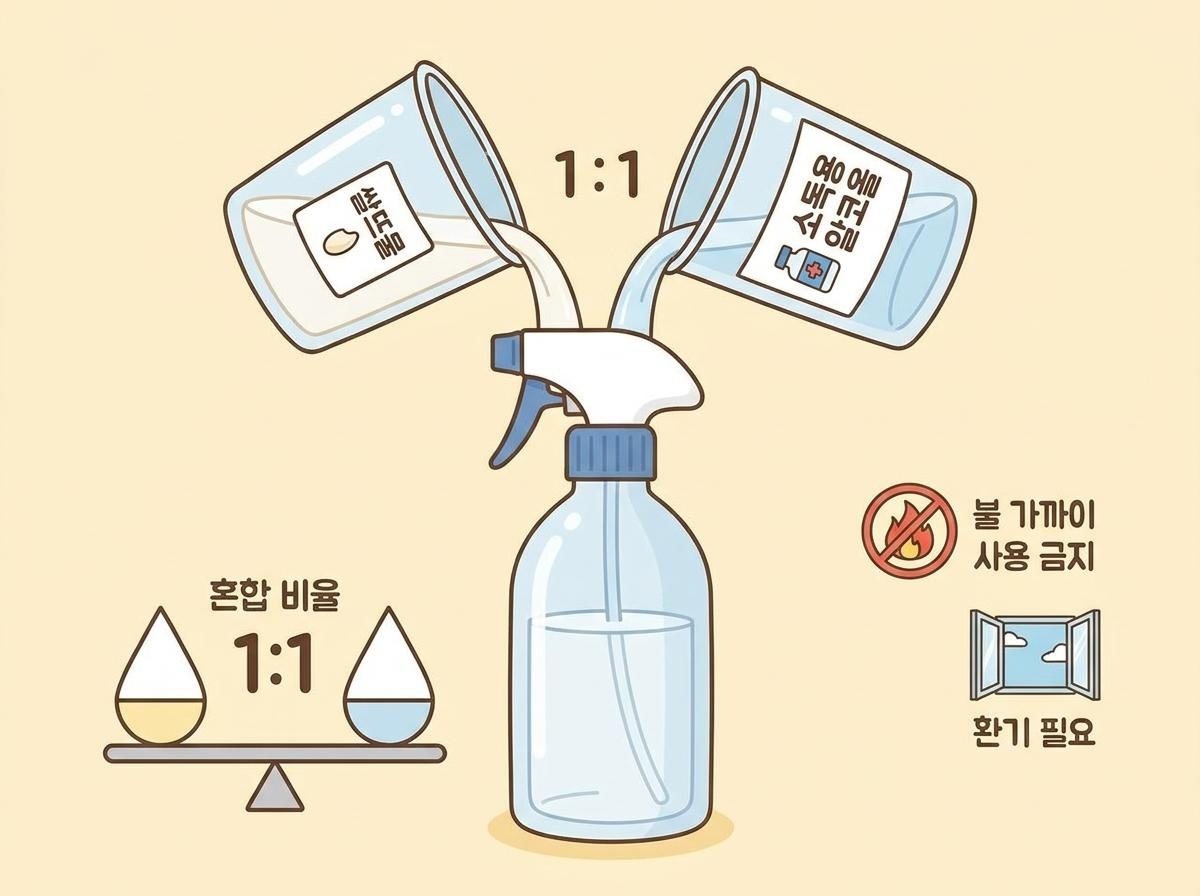
Mix rice rinse water and rubbing alcohol in roughly a 1:1 ratio. Pour equal parts into a spray bottle, shake lightly, and apply as needed. Because alcohol is flammable, avoid using the mixture near open flames or hot burners. Always turn off the stove and let surfaces cool before cleaning around the cooktop, and use the solution in a well-ventilated area rather than spraying it in an enclosed space.
Use it right away
Freshness is crucial when using rice rinse water for cleaning. Besides starch, the water contains organic matter—proteins and fats—that can encourage microbial growth over time. Even when mixed with rubbing alcohol, the rinse water can still spoil.
Don’t prepare large batches. Make only what you plan to use that day. Left at room temperature, the solution can develop a sour odor or sediment. Using spoiled rinse water can spread odors and contaminants, so it’s more hygienic to discard any remaining mixture rather than store it.
For cleaning, the second or third rinse is preferable to the first, which often contains more dust or debris from the rice. Rinse the rice lightly in clean water first, then collect the subsequent rinse water. Strain the collected liquid through a sieve to remove larger particles and reduce the chance of clogging a spray bottle.
Wipe away any residue after cleaning. The starch in rice rinse water can leave white marks as it dries. After spraying and wiping, follow with a clean damp cloth or a dry towel to reduce stickiness and streaks.
Use for kitchen grease and pre-washing dishes
The kitchen is an ideal place to use rice rinse water. Cooking oil splatters can form a tacky film over time; rice rinse water helps loosen those light grease marks and food residues. Apply the rice rinse-and-alcohol mix to a cloth to wipe countertops or tables, then finish with a dry cloth for a neat result.
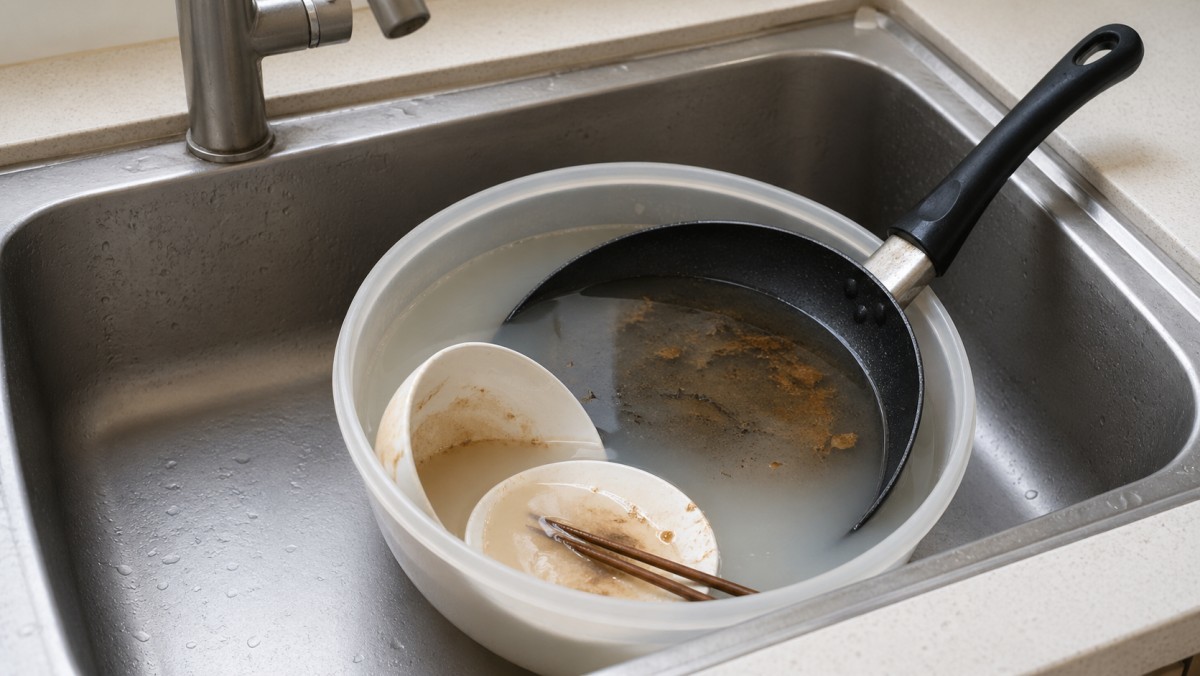
You can also use rice rinse water to reduce grease on pans and dishes before washing. Soak greasy items briefly—about 20 to 30 minutes—then scrub lightly and finish with regular dish soap. Rice rinse water won’t replace detergent, but it can help reduce slippery grease before you wash.
To clean a microwave, heat a bowl of rice rinse water for 2 to 3 minutes to generate steam that loosens dried food. Be careful removing the hot bowl, then wipe the interior with a clean cloth and finish with a dry towel to prevent odors and streaks.
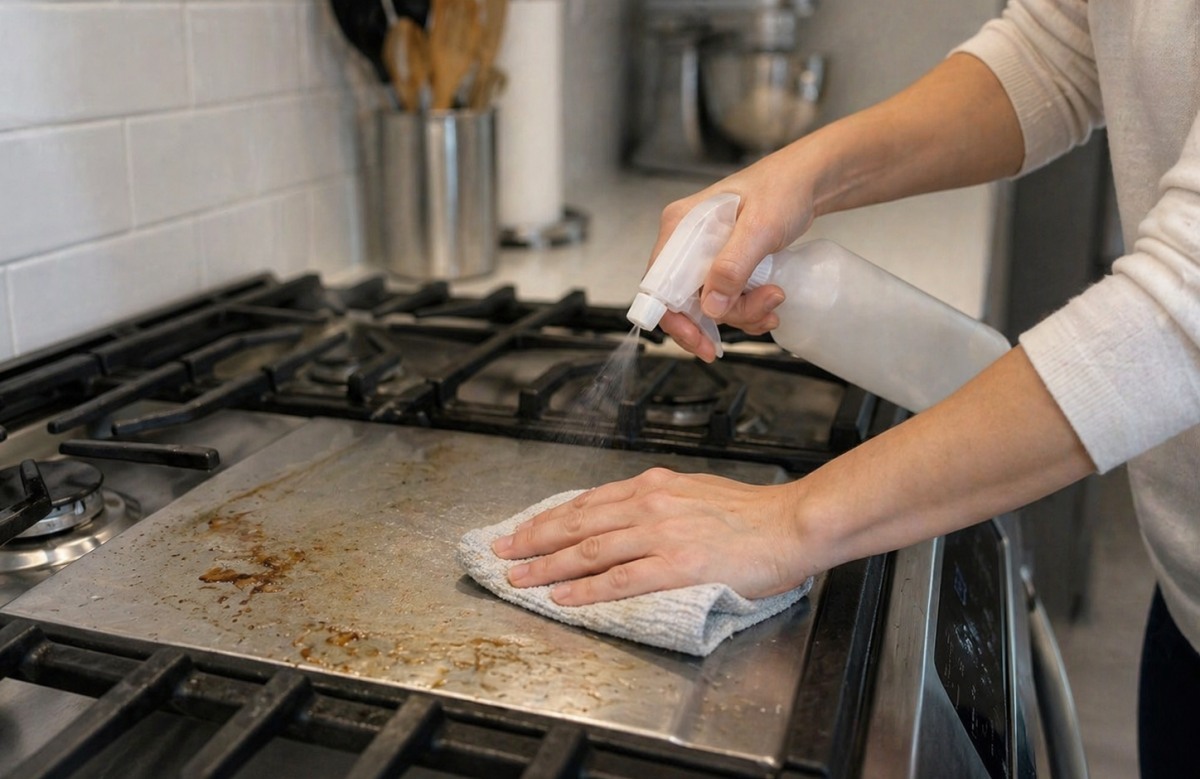
For oil splatters on a gas range or induction cooktop, place a paper towel dampened with rice rinse water over the spot for a short time, then wipe—it should come off more easily. Don’t spray electronic controls or outlets directly; instead, moisten a cloth and clean only the necessary areas.
Spray lightly on glass and mirrors
Rice rinse water can work on glass and mirrors. The fine starch and trace oils help lift light soils. Use sparingly—too much can leave white streaks—so mist lightly.
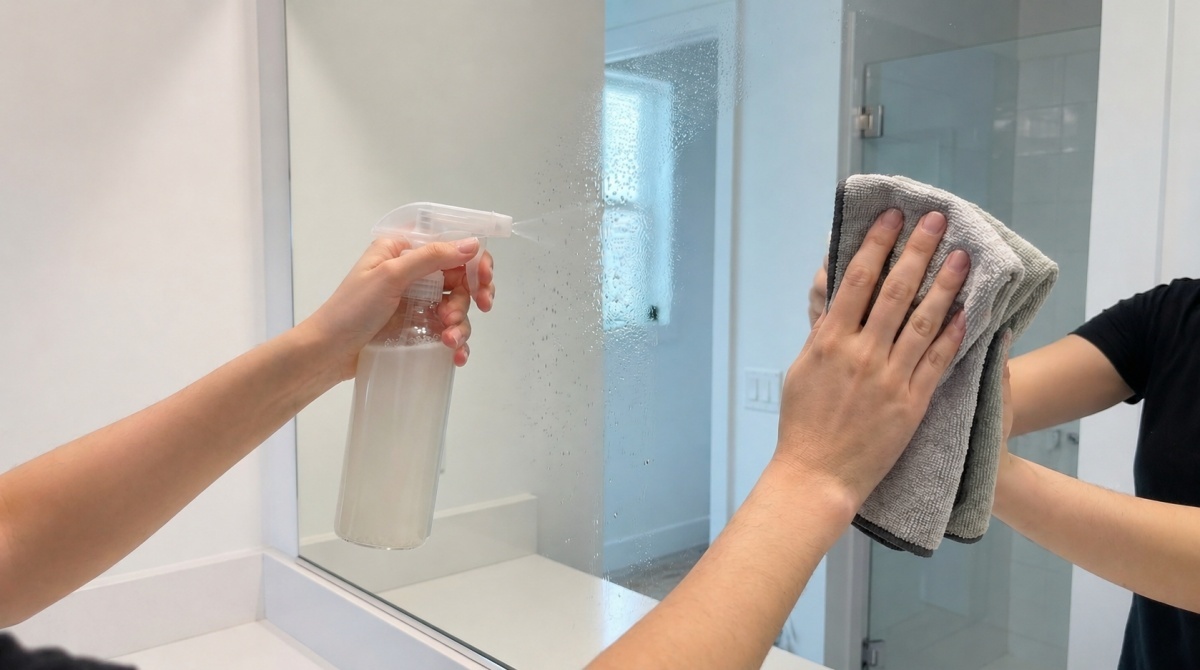
When cleaning mirrors or windows, put the rinse water in a spray bottle, mist lightly, then wipe with a dry rag or a microfiber cloth. A small bit of alcohol speeds evaporation and shortens cleaning time. For bathroom mirrors that collect water spots, finish by buffing with a dry cloth to minimize streaking.
Be careful with wood furniture and floors
Rice rinse water can be used on wood furniture and hardwood floors. The tiny natural oils in the water help clean gently and can add a subtle sheen. Because wood is sensitive to moisture, avoid using a soaking wet cloth.
When cleaning floors, dampen a mop or rag with the rinse water and wring it out thoroughly. If the cloth drips, don’t use it. After wiping, go over the surface with a dry cloth to remove remaining moisture. Opening windows speeds drying.
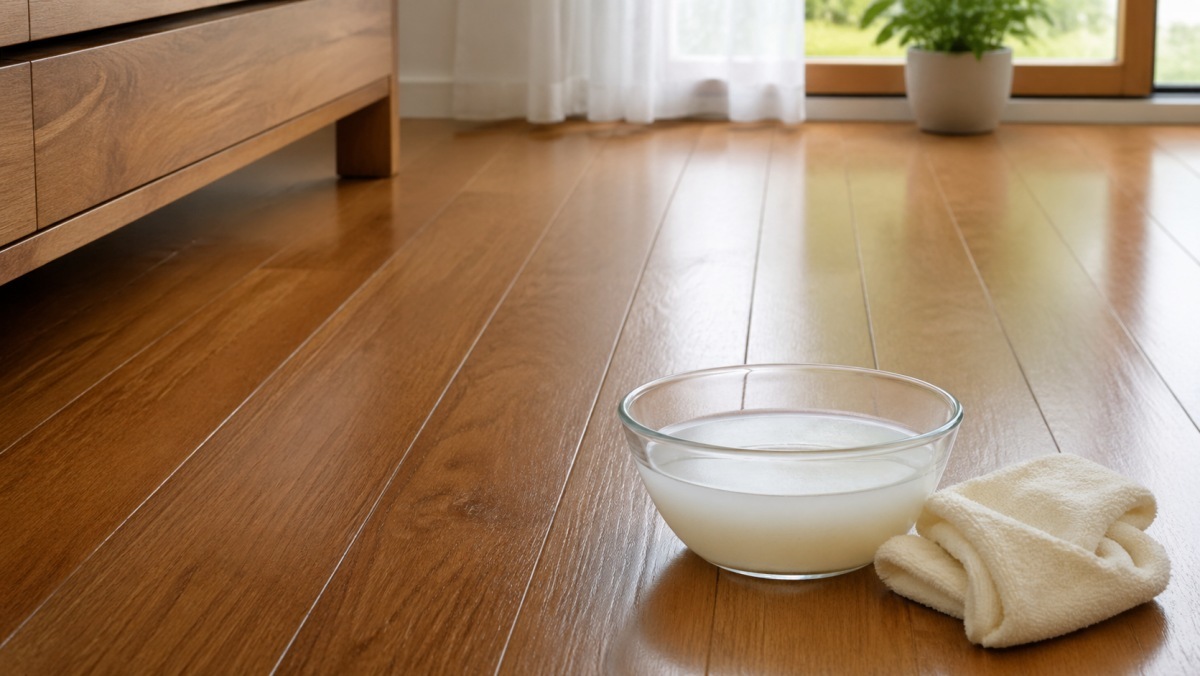
The same approach works for wood furniture: wipe lightly with a cloth dampened in rice rinse water, then immediately buff with a dry cloth. Test on an inconspicuous spot before using on uncoated or water-sensitive wood. Don’t overapply in pursuit of shine—repeated heavy use can trap moisture and lead to stains or warping.
Reduce odors in plastic containers
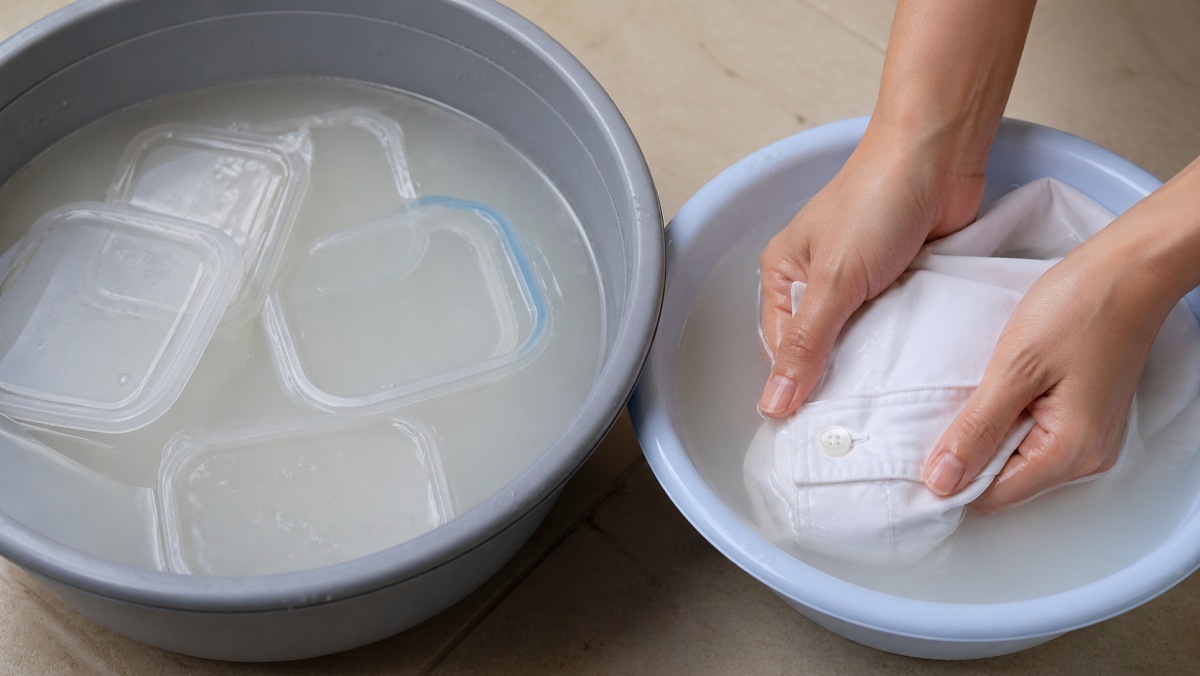
Plastic containers that held kimchi or sauces often retain odors. Filling them with rice rinse water and letting them sit for 1 to 2 hours before washing can help reduce smells. For stronger odors, extend the soak a bit, but avoid leaving them overnight.
Rice rinse water can lessen odors on plastic, but it won’t completely remove deeply set smells or stains. Containers stained red by kimchi or sauces may fade somewhat after soaking and scrubbing, but heavily discolored items rarely return fully to their original color.
Use rinse water on earthenware or ceramic pots, too. Some pottery has tiny surface pores where detergent can linger, so rice rinse water can assist with light cleaning. For very oily or strongly scented residues, rinse and dry thoroughly afterward. Always rinse under running water to wash away any remaining starch.
Rinse thoroughly when using for laundry
You can use rice rinse water for limited laundry tasks. For light soil on white garments, presoak areas like collars or cuffs so starch can help lift dirt before washing. Dip the soiled area briefly, rub gently, then launder as usual.
Starch can make fabrics slightly stiffer, giving shirts a light, starched feel. It’s not suitable for every fabric: avoid dark-colored or delicate items where it may leave marks. Test a small area first if you’re unsure.
If you use rice rinse water in laundry, rinse garments thoroughly. Starch left in fibers can make clothes stiff when dry or cause odors if not washed out. In warm weather, damp clothes left too long may develop a sour smell, so rinse and dry immediately.
Make it a habit to reuse, not waste
If you pour rice rinse water straight down the drain, it goes into the sewer as organic waste. Disposing large amounts can strain water systems. Reusing rinse water for cleaning or washing can slightly reduce detergent use and recycle a resource that would otherwise be wasted.
But don’t treat rice rinse water as a universal cleaner. Use dedicated products for mold, heavy grime, or areas that require strong disinfection. Be cautious with alcohol-mixed rinse water around flames, hot surfaces and some coatings. Always test on a small area first and wipe away any residue after cleaning.
Rice rinse water has many practical uses, but it requires attention to freshness and hygiene. Don’t use rinse water that smells sour or looks overly cloudy. Avoid applying it directly to materials prone to staining—marble, natural stone or weakly coated furniture—without testing first.
The key is to collect only what you need and use it immediately. Fresh rice rinse water can help remove kitchen grease, clean glass and mirrors, reduce odors in plastic containers and assist with light presoaks in laundry. Reusing a small amount of water you would otherwise discard can become a useful cleaning habit—as long as you apply it sparingly and follow basic hygiene rules.














Most Commented