
The Ultimate Guide to Cleaning Your Glasses: 5 Essential Tips for Long-Lasting Clarity
Daniel Kim Views
Translation result.
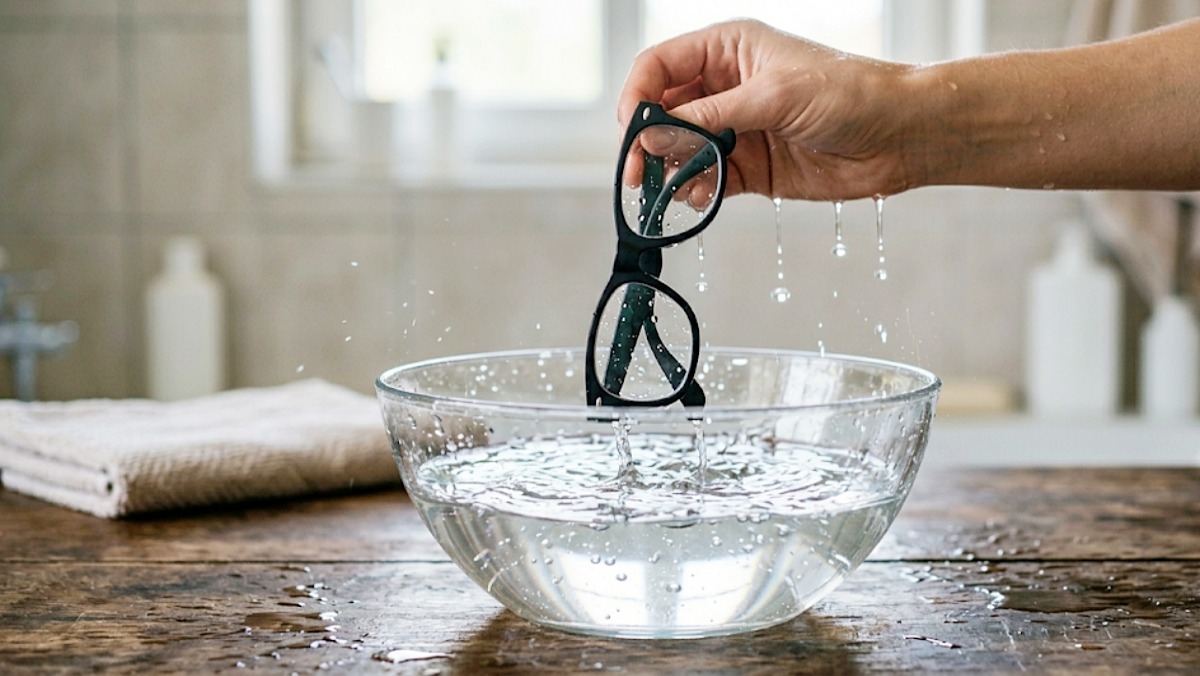
Most people wear glasses every day, yet many don’t know the best way to clean them. Improper cleaning or storage can damage lens coatings and make your vision hazy. To keep your glasses sanitary and functional for longer, follow a few basic cleaning and storage rules. How should you care for them?
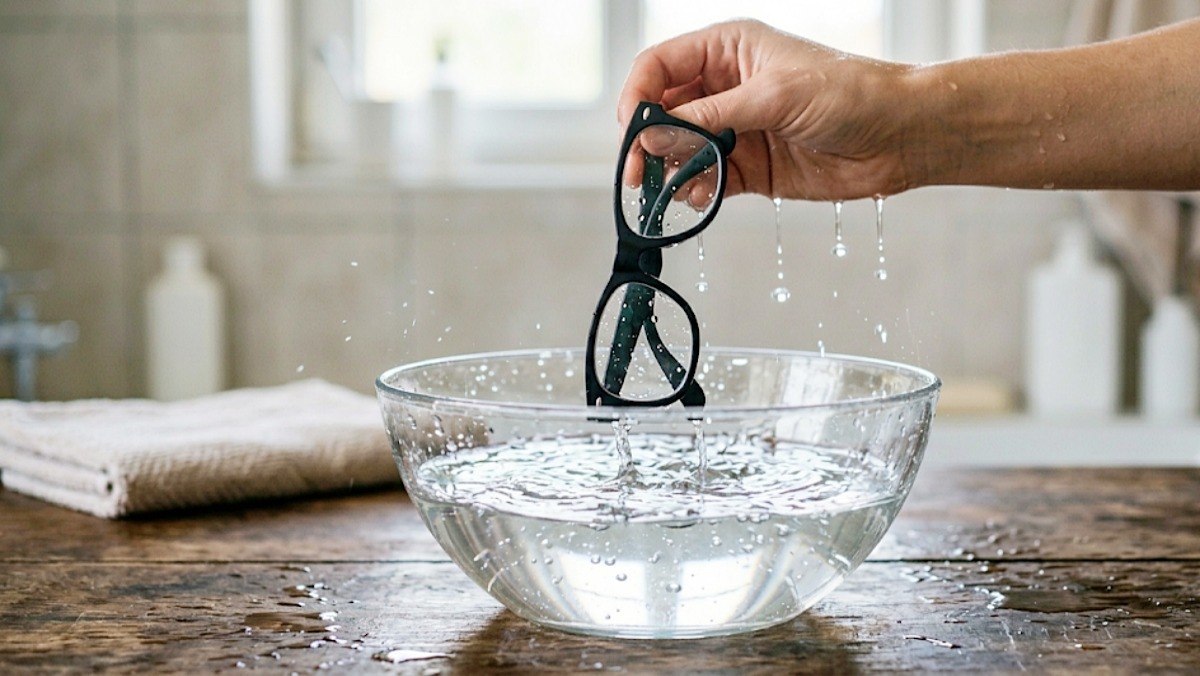
Use dish soap and cold water to remove lens grime
Fingerprints, skin oils and traces of cosmetics easily collect on lenses. Rubbing hard with only a lens cloth won’t always remove grime and can produce micro-scratches. The safest, simplest method is to wash your glasses under running cold water with a mild, neutral dish detergent.
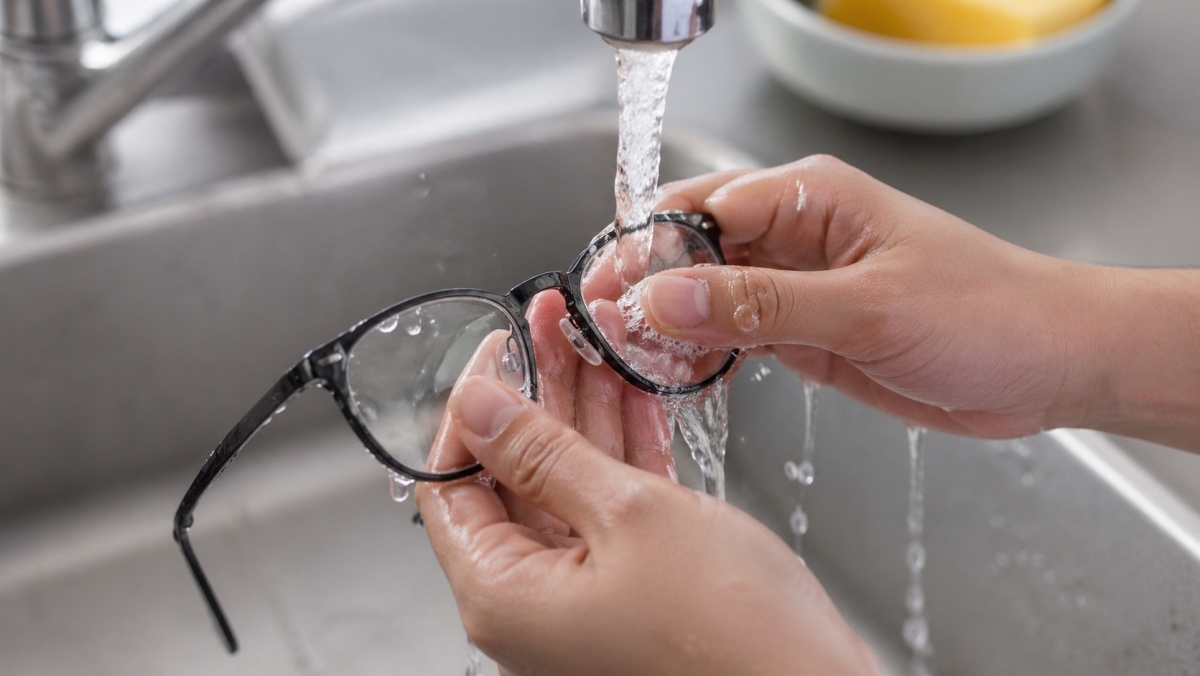
Begin by rinsing your glasses under running water to remove dust and sand particles that could scratch the lenses if you rub them. Don’t skip this step: abrasive particles left on the surface can cause tiny scratches. Use cold water rather than hot.
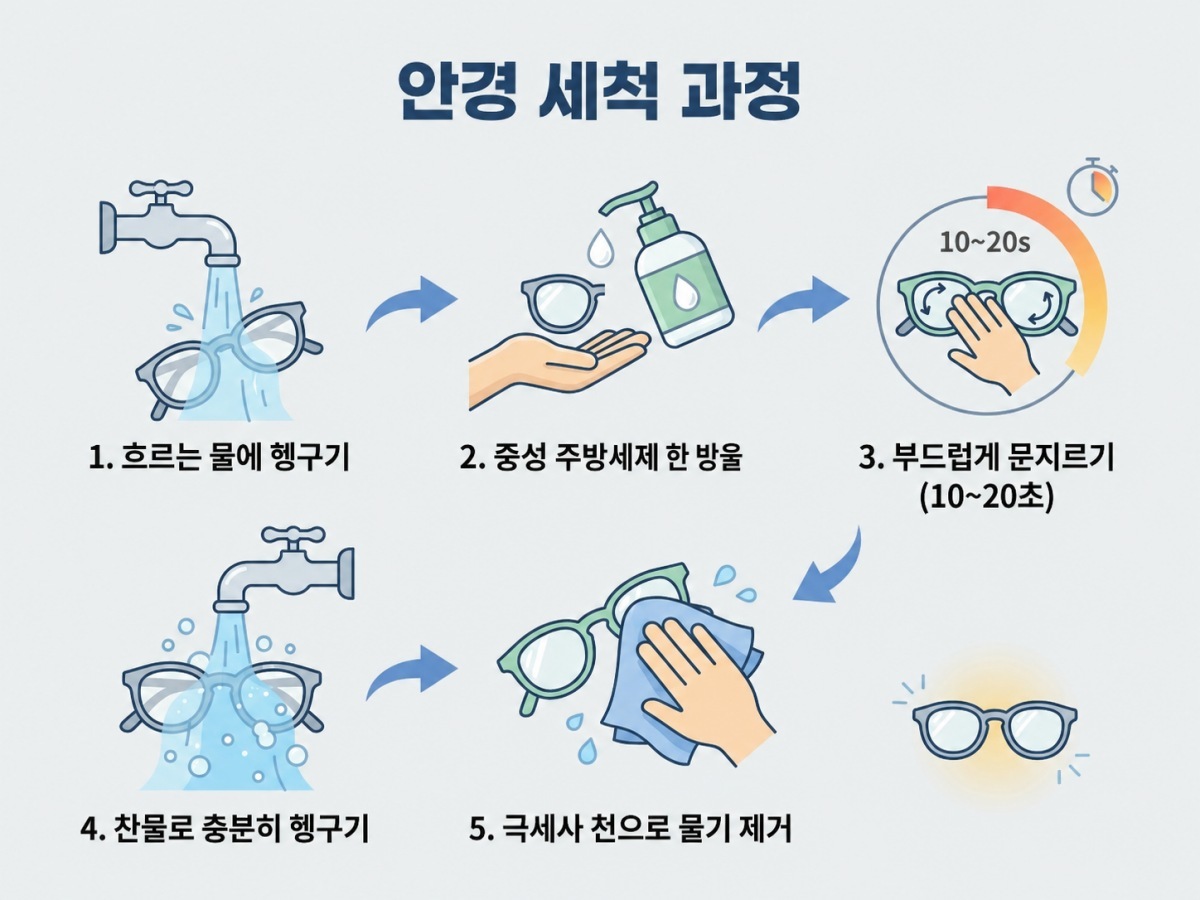
Put about one drop of a neutral dish detergent on your fingertip. Ordinary soap, body wash or strong cleaners can damage lens coatings. A neutral dish detergent effectively removes oil with minimal irritation, making it well suited for cleaning glasses. Avoid detergents that list moisturizers, abrasives or strong fragrances on the label.
With soapy fingertips, gently rub the front and back of each lens for 10–20 seconds. Pay attention to the nose pads, the area where the lens meets the frame, and the inside of the temples. Rinse thoroughly with cold water until all suds are gone—leftover detergent can make lenses look cloudy and may irritate your skin.
Stand the glasses upright to shake off excess water, then blot remaining drops with a clean microfiber cloth or a lens tissue. Instead of rubbing aggressively, gently press or tap the cloth to absorb moisture.
What damages lens coatings: heat and friction
Though lenses may look like plain glass or plastic, they are precise optical products coated with multiple functional layers. Depending on the lens, these coatings reduce reflections, block UV rays, resist smudges and guard against scratches. They help maintain clear vision but are vulnerable to heat and friction.
Prolonged exposure to high temperatures can create tiny cracks between the lens material and its coatings because they expand at different rates. These “coating cracks” are hard to repair, so avoid exposing glasses to heat. Don’t wear them into saunas or steam rooms, and avoid leaving them on a hot car dashboard.
This is also why you should use cold water for cleaning. Rinsing or scrubbing lenses with hot shower water may seem convenient, but repeated exposure can stress coatings. Drying glasses with a hair dryer’s hot air or placing them near heaters can also damage lenses and warp frames.
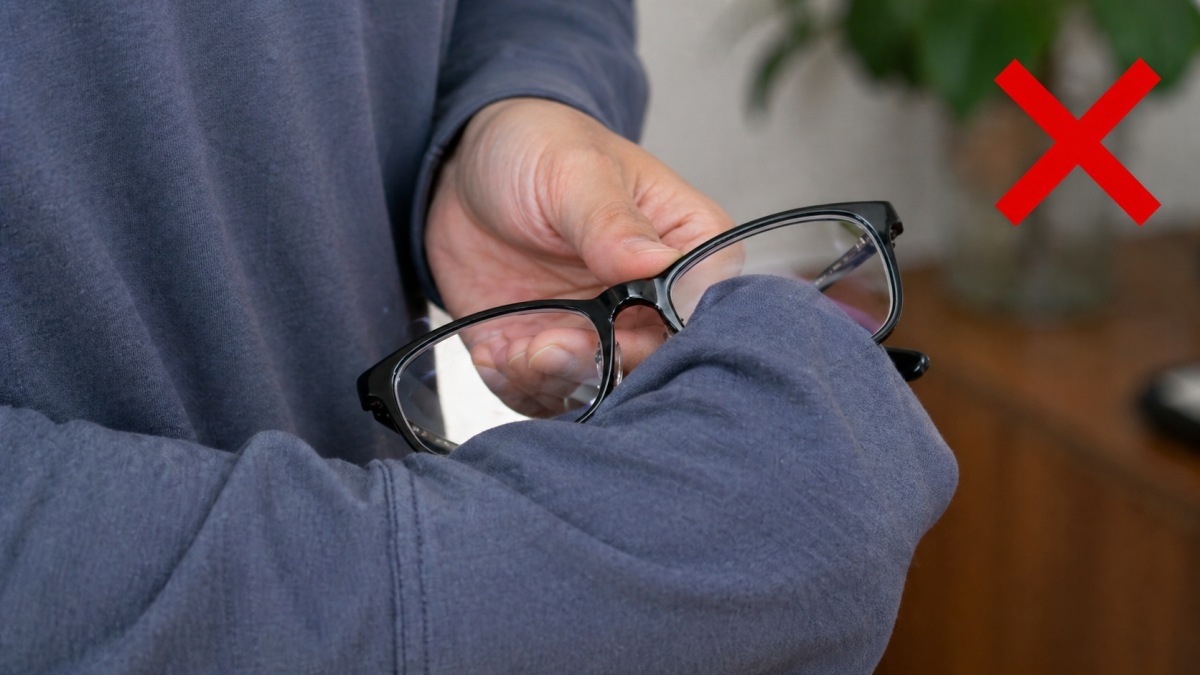
Avoid wiping lenses with shirt sleeves or towels. Fibers can trap dust and grit, which may scratch the lens surface. Small, barely visible scratches accumulate over time, degrading clarity and increasing glare. After outdoor activities—when sand, dirt or pollen may be stuck to the lenses—rinse first, then dry.
Care varies by frame material
Frame care matters as much as lens care. Different materials react differently to heat, moisture and chemicals, so manage frames according to what they’re made from.
Titanium frames are lightweight and corrosion-resistant, but prolonged exposure to sweat can stiffen joints and screws. After cleaning, dry the hinge and screw areas thoroughly. On days when you sweat heavily, clean the inside of the temples and the nose-pad area to keep them hygienic.
Acetate or celluloid “horn-rim” frames may develop a white, powdery residue after long exposure to sweat, oil or makeup. That whitening occurs as the surface dries or components leach out. Gently removing oils with a neutral detergent can slow the process, but once whitening appears, ordinary cleaning may not reverse it.
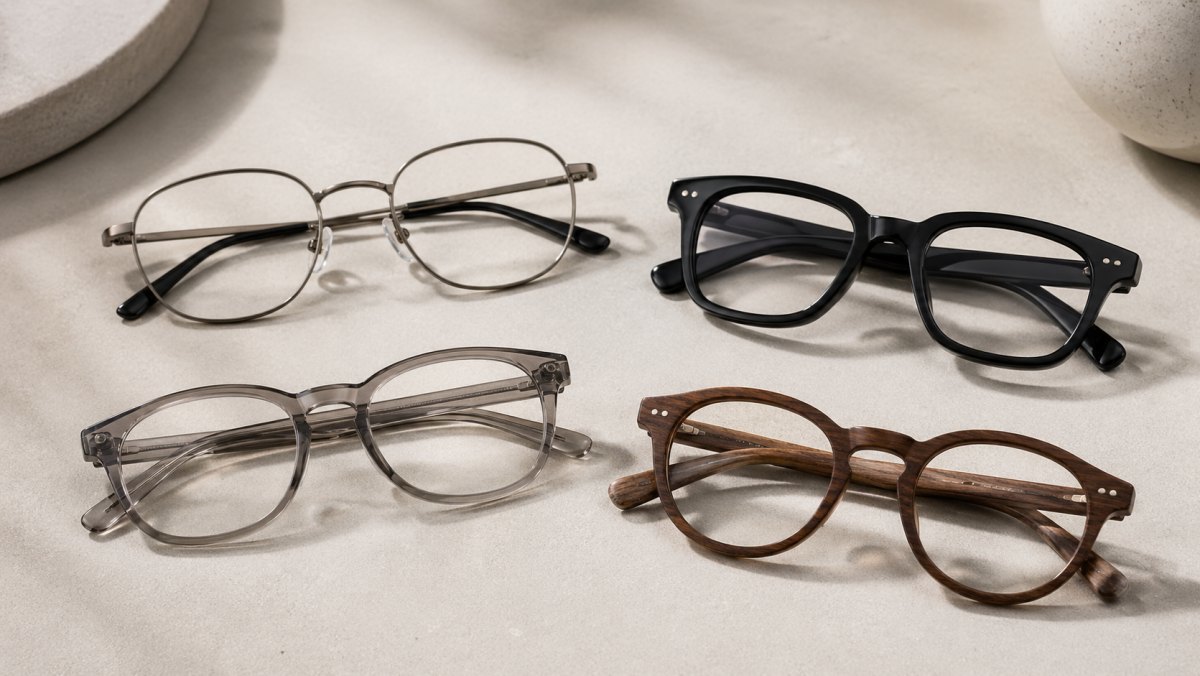
Silicone nose pads on metal frames often yellow with time. Cleaning doesn’t always restore them, so consider replacing pads every six to 12 months for hygiene. Because nose pads touch your skin directly, they collect oil and sweat; when dirty, glasses can slip or irritate your skin.
Frames made from natural horn or wood need humidity control. Soaking them can warp the material, so avoid getting the frame excessively wet while cleaning lenses. If the frame gets damp, dry it immediately with a soft cloth and, if recommended, treat it with a dedicated oil to prevent drying and cracking.
Watch household chemicals
Common products around the house can damage lenses and frames. Hair spray and perfume are frequent offenders. Hair spray leaves fine particles that cling to lenses and form a sticky film; rubbing at that film can harm coatings, so remove your glasses before applying styling products.
Alcohol in perfumes and some cosmetics can also affect coatings and frames. If perfume or makeup gets on a lens, rinse it under cold running water before wiping it dry. The same applies to foundation or sunscreen around the nose pads. Rather than scrubbing hard, use a neutral detergent and clean gently to prevent damage.
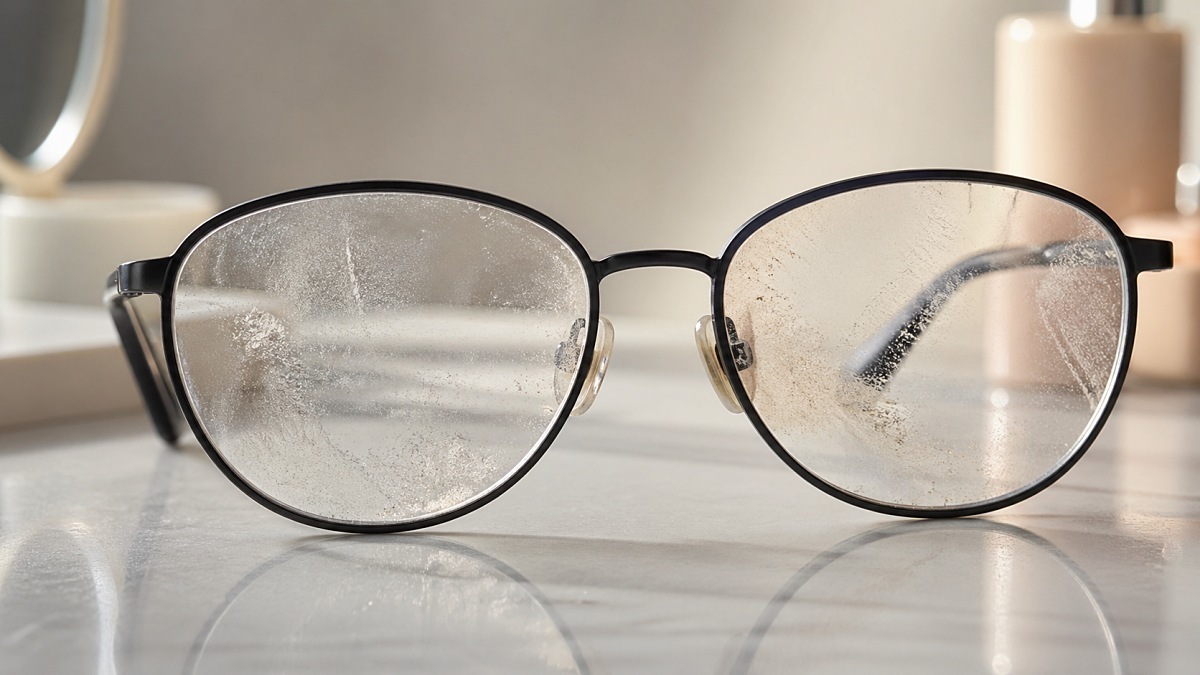
At the beach, salt can cling to glasses and accelerate corrosion of metal parts, so rinse them with fresh water after outdoor use and dry them thoroughly. On dusty or high-pollution days, fine particles can adhere to lenses—rinse your glasses when you come inside to avoid rubbing abrasive debris across the surface.
Cooking vapors and grease can also cloud lenses. Hot oil splatters during frying can directly damage lens coatings, so avoid standing too close to high heat. If oil gets on your glasses, wash them with a neutral detergent rather than repeatedly rubbing with a dry cloth.
Habits that reduce eye fatigue
The condition of your lenses affects eye strain. Oils, dust and micro-scratches scatter light and reduce clarity, making your eyes work harder and increasing discomfort during long wear. Regular cleaning helps maintain clear, comfortable vision.
Clean your microfiber cloths regularly, too. A worn cloth loaded with oil and dirt will transfer grime back to your lenses. Wash lens cloths gently with a neutral detergent, dry them in the shade, and replace them when they become heavily soiled or the fibers feel rough. Depending on use, replacing them every three to six months is reasonable.

Avoid fabric softener when washing lens cloths. Residue can leave a thin film that makes lenses look hazy. After washing, dry cloths completely in a low-dust area before use. Using a damp cloth can spread contaminants, so don’t use one on your lenses.
Storage habits matter. Placing glasses lens-side down invites scratches. Even for a quick set-down, place lenses up or rest a temple on the surface. When not in use, keep glasses in a protective case. Tossing them into a bag or pocket risks scratches and bent frames.
Check screws and nose pads periodically. Loose screws can throw a frame out of balance and worsen the fit. If your glasses tilt or nose pads feel uncomfortable, don’t force adjustments by hand.
When to get a professional check
See an optician when cleaning can’t fix an issue. If a coating is peeling or your vision remains hazy after cleaning, the lenses may need replacement. While replacement intervals vary by use and care, have a professional evaluate your lenses every one to two years.

Don’t try to force adjustments when frames become misaligned. Some materials require special tools or heat; bending them by hand can break a temple or pop out a lens. An optician can adjust nose-pad height, temple angle and lens position to improve fit and stabilize the lens’ optical alignment.
If an acetate or celluloid horn-rim has whitened or silicone nose pads are badly discolored, get a professional check. Services such as polishing, nose-pad replacement, screw tightening and ultrasonic cleaning address issues that are difficult to fix at home. If your glasses don’t focus correctly, one eye feels more fatigued than the other, or they slip frequently, the problem may be more than simple dirt—have both your eyes and your glasses checked.
Caring for your glasses is straightforward: use cold water, a neutral detergent, and avoid heat and friction. Match your care routine to the frame material and store your glasses properly, and lenses and frames will stay cleaner and last longer. Because you wear them every day, a brief daily cleaning can help keep your vision clear and comfortable.















Most Commented