
Transform Your Life: 7 Surprising Ways to Reuse Yogurt Containers for Home Organization
Daniel Kim Views
Translation result.
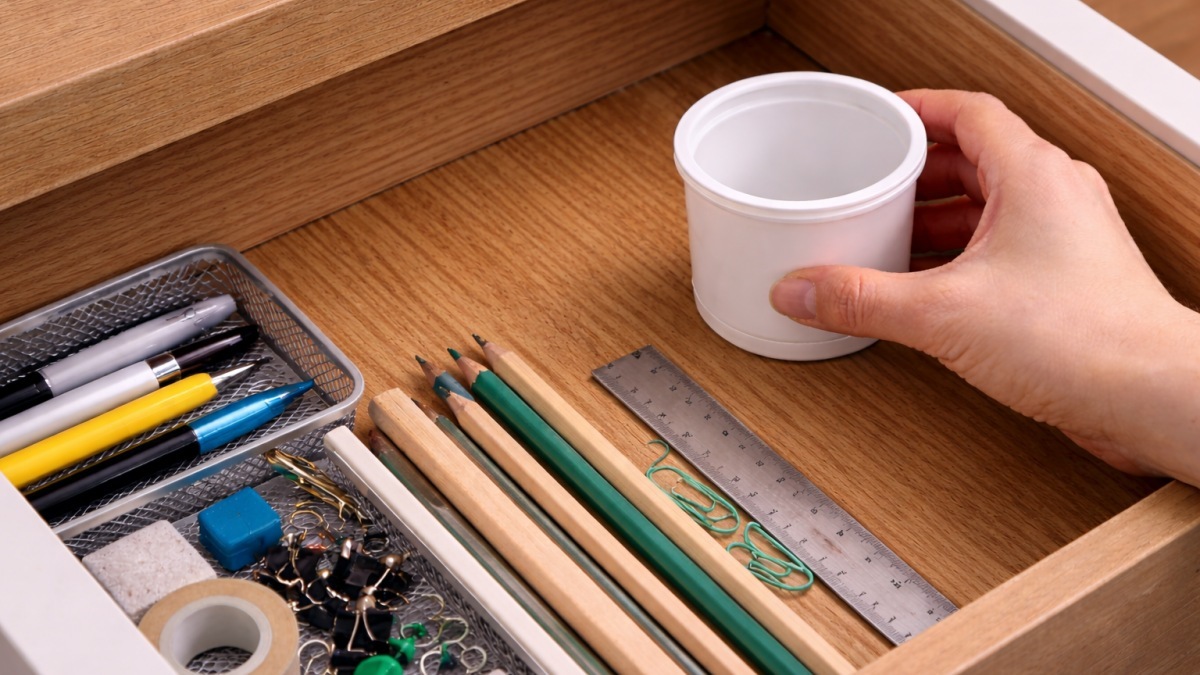
Savoring a spoonful of yogurt is a small pleasure familiar to people of all ages. After the last bite, though, most of us drop the little white plastic cup into the recycling bin without a second thought. We rarely consider what else it might hold—yet those modest containers can yield surprising household hacks and unexpected charm.
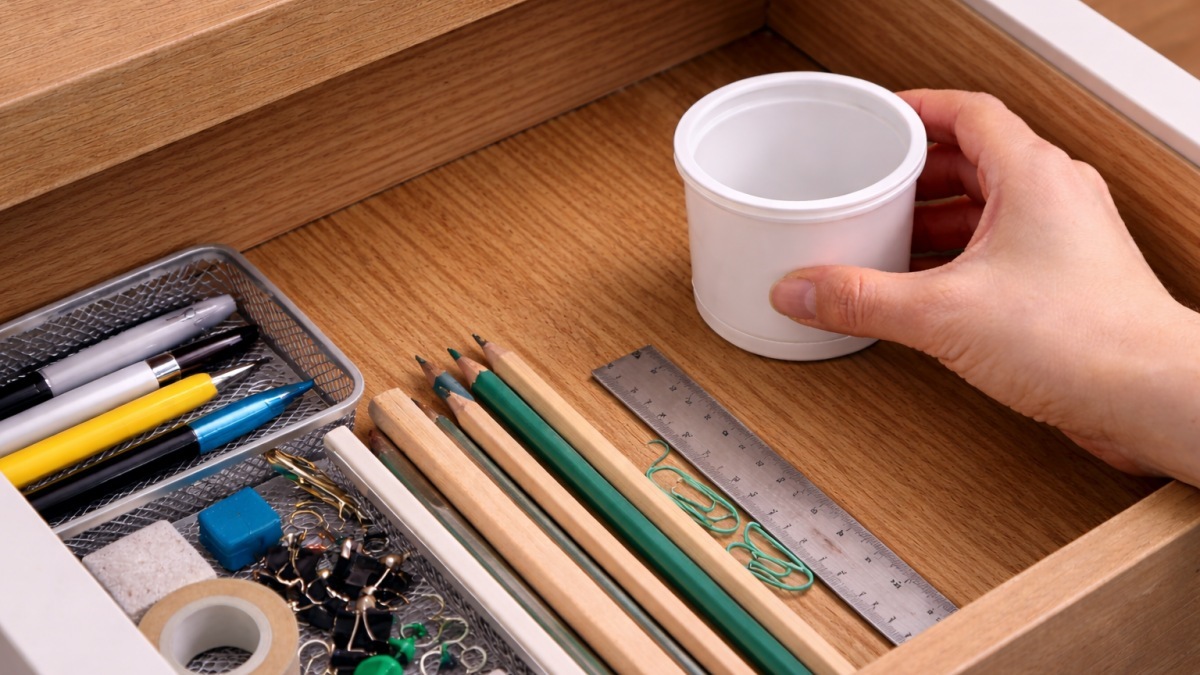
Yogurt cups can be repurposed in many ways, but you should understand the material before reusing them. Most are lightweight and easy to work with, but there are precautions to keep in mind.
Clean them in three steps. First, empty the contents: scrape out as much yogurt as possible and soak any hardened residue around the rim in lukewarm water. Second, use warm water and detergent: dairy fats dissolve more readily in water above 40°C than in cold water. Add a drop of dish soap, seal the opening, and shake vigorously to remove grease from the inner walls.
Third, remove all foreign materials thoroughly—that’s essential. Be sure to peel away the aluminum seal (cap) that once covered the opening 100%.
If you plan to reuse a cup for food storage, limit it to refrigerated, low-temperature use only. Storing food in these containers at room temperature for extended periods can accelerate material degradation and generate microplastics.
Creative ways to reuse yogurt cups
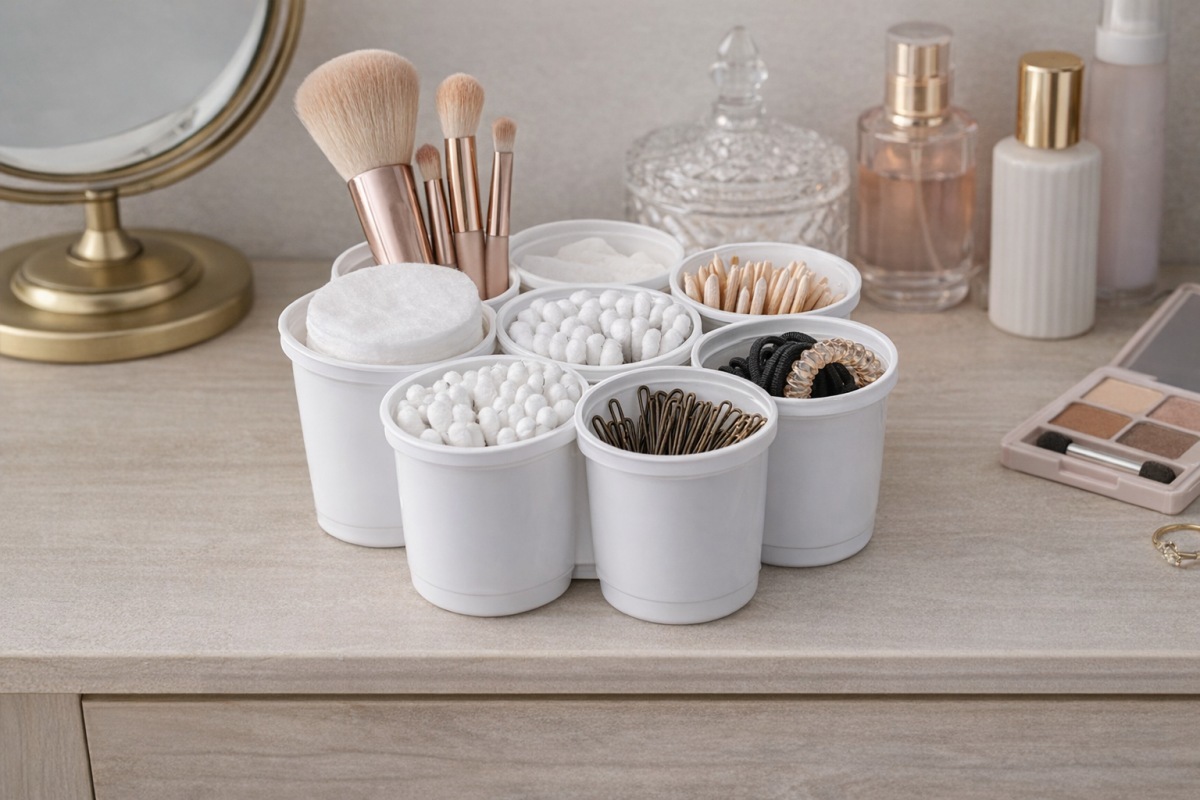
On a vanity, a yogurt cup becomes a neat holder for items that scatter easily—cotton pads, swabs, bobby pins. Glue or tape together seven or eight cups with strong adhesive or double-sided tape in a circle or square to create a multi-compartment organizer.
This approach often uses space more efficiently than many costly storage boxes on the market. If one cup gets dirty, replace only that piece—making hygiene simple.
Organize office supplies
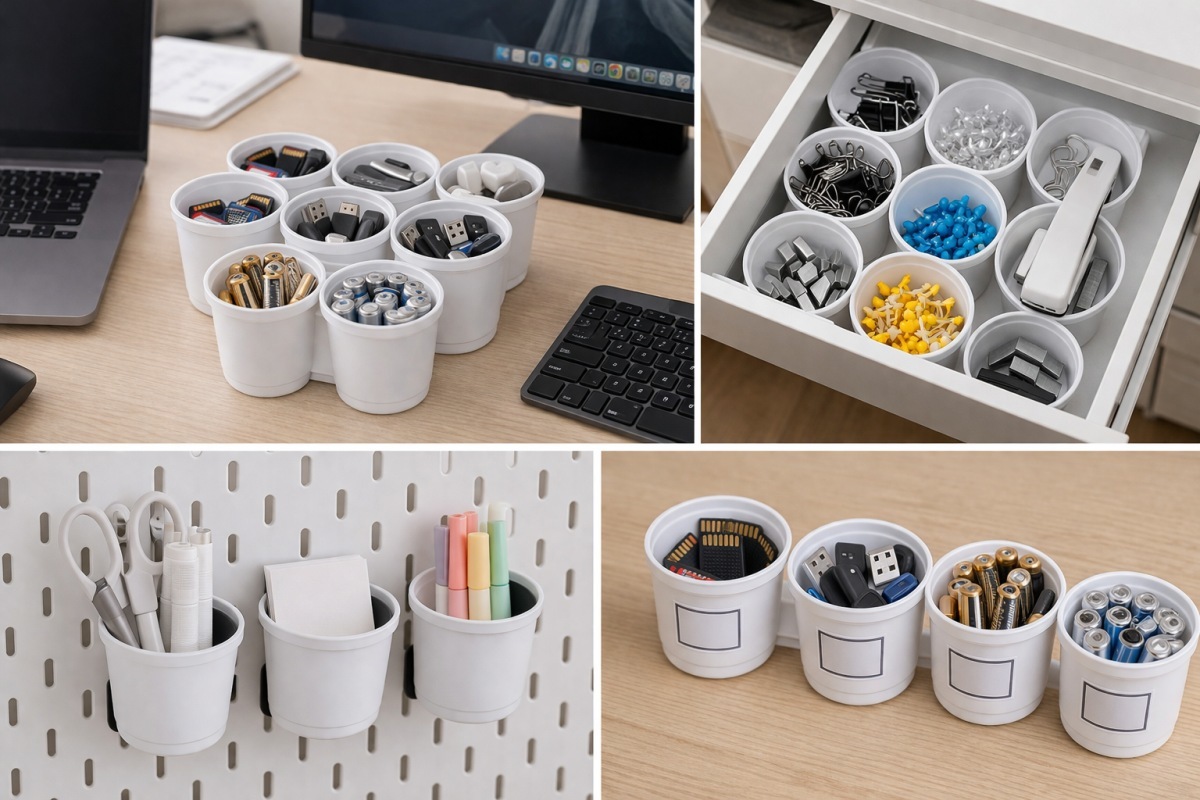
With remote work and more digital devices on desks, yogurt cups can help tame clutter. Store small accessories—SD cards, USB drives, adapter dongles—by container so you can grab them without breaking your workflow. Separate used and fresh batteries to avoid mix-ups and unnecessary waste.
Keep sharp or scatter-prone items—paper clips, thumbtacks, stapler staples—in cups inside a drawer to reduce the risk of accidents. Label each container with tabs or a label printer so the drawer functions like a compact, organized supply closet. Some people even attach small magnets to the bottom of cups and stick them to a fridge or pegboard, turning them into magnetic pockets for notes or pens.
Around the house
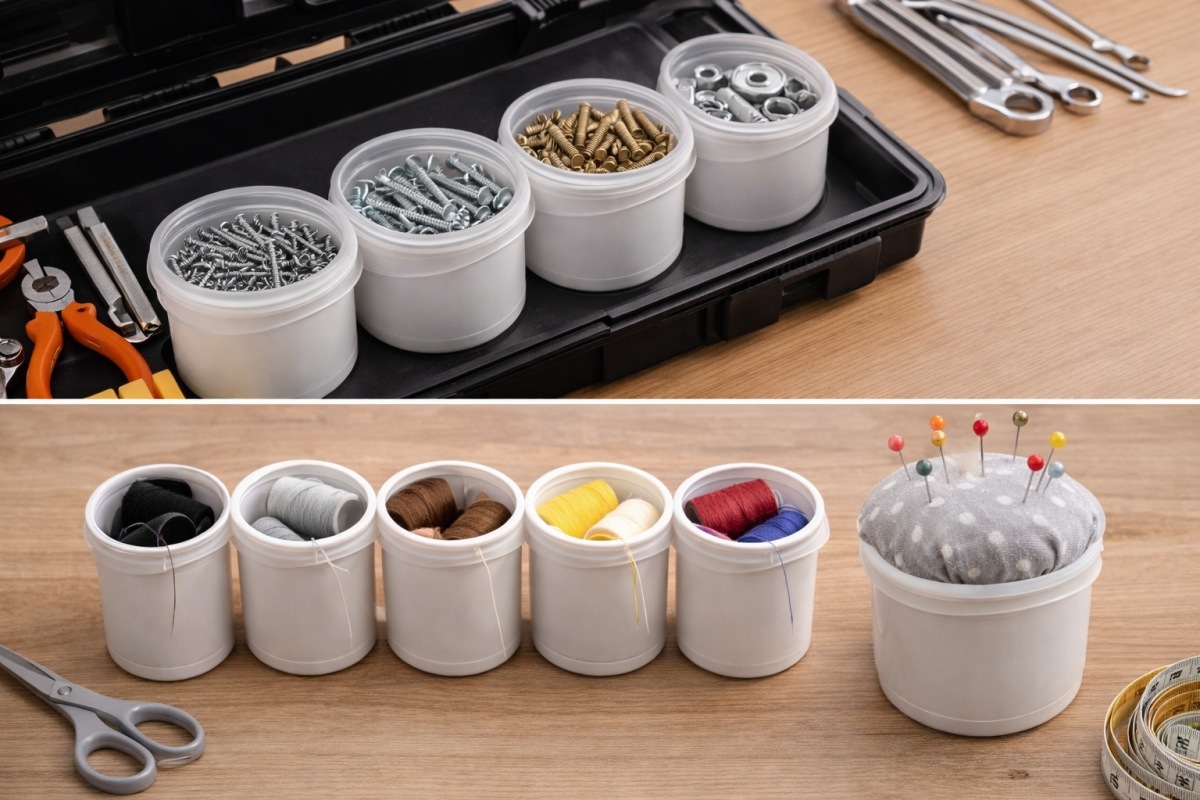
They also make handy mini toolboxes. Sort leftover screws, nails, and washers by size so you can grab what you need during a project. Because many cups aren’t fully transparent, cover the tops with clear lids or store them opening-side up in neat rows to keep things as orderly as a small workshop.
For sewing, convert a cup into a thread holder. Thread the tail through the opening so it won’t unravel. Fill the cup with batting and wrap the top with fabric to create a pincushion.
The method is simple: stuff the cup with batting or scrap fabric, cover the rim with a pretty cloth, and secure it with a rubber band or glue. The bottom stores thread while the top serves as a pincushion—an efficient two-in-one organizer.

You can also use a yogurt cup for precise cleaning. Fill it with a baking soda–and–vinegar mixture and pour small amounts into narrow gaps when cleaning a drain. The cup’s narrow mouth concentrates the cleaner on problem spots more effectively than a standard detergent bottle, and the fizz helps loosen hair and grime from tight crevices, making scrubbing easier.














Most Commented