
Translation result.
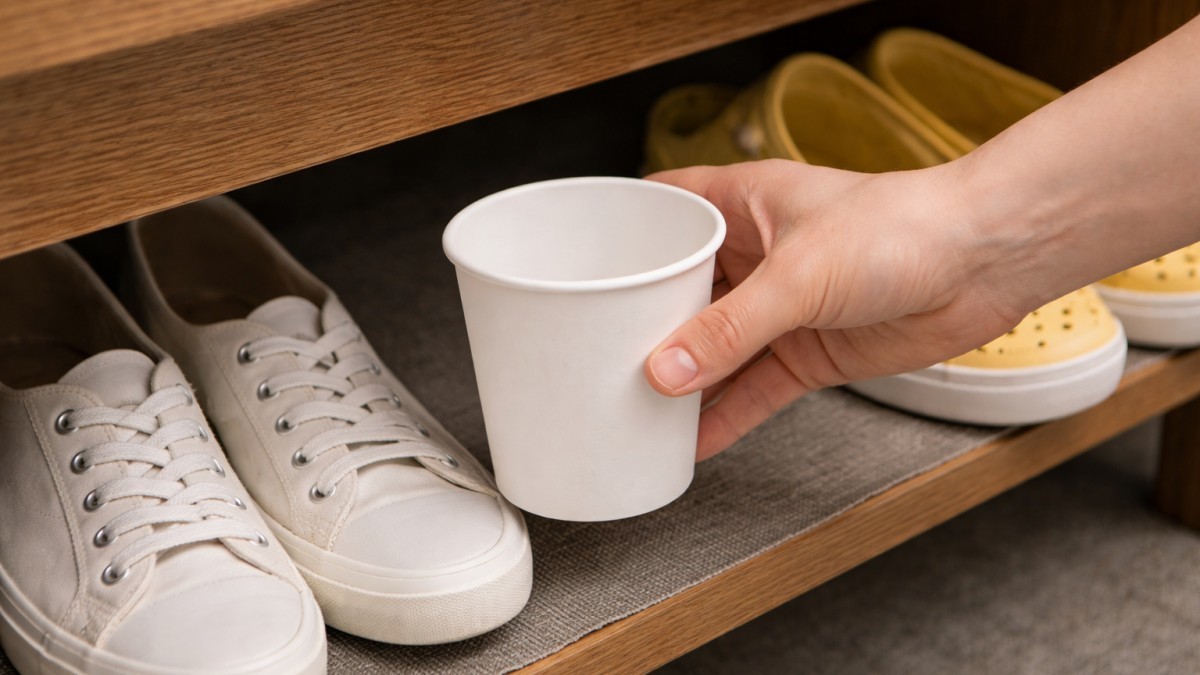
Paper cups are one of the most common disposables in modern life. Consider turning them into useful everyday objects for your home.
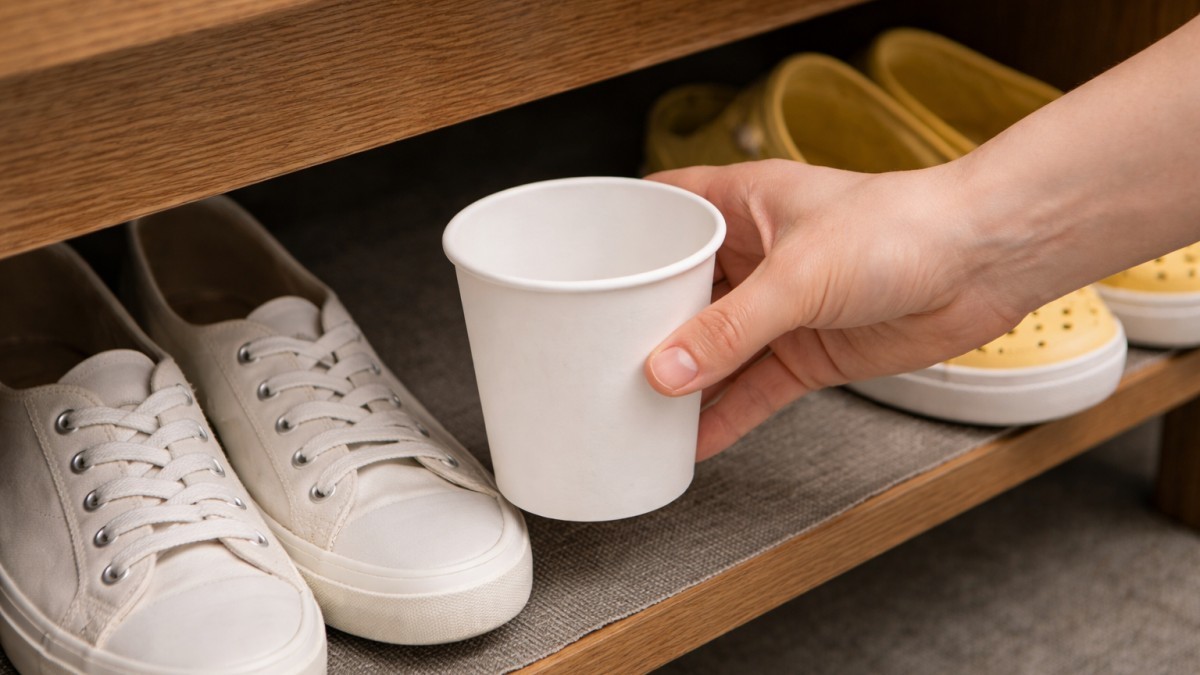
Before you toss a paper cup into the trash after your coffee, pause. With a little thought, it can become a practical helper that solves everyday annoyances around the house.
What makes repurposing paper cups so appealing is how inexpensive and accessible it is—anyone can make something useful in under a minute. You don’t need complex tools or special skills. With just scissors and a bit of imagination, an empty cup can hold items and solve small problems.
If you shift your view of them as strictly “single‑use,” paper cups can become an affordable, friendly partner that improves life at home. Go dig out the cups hiding in your cabinet.
Use them for eco-friendly gardening!
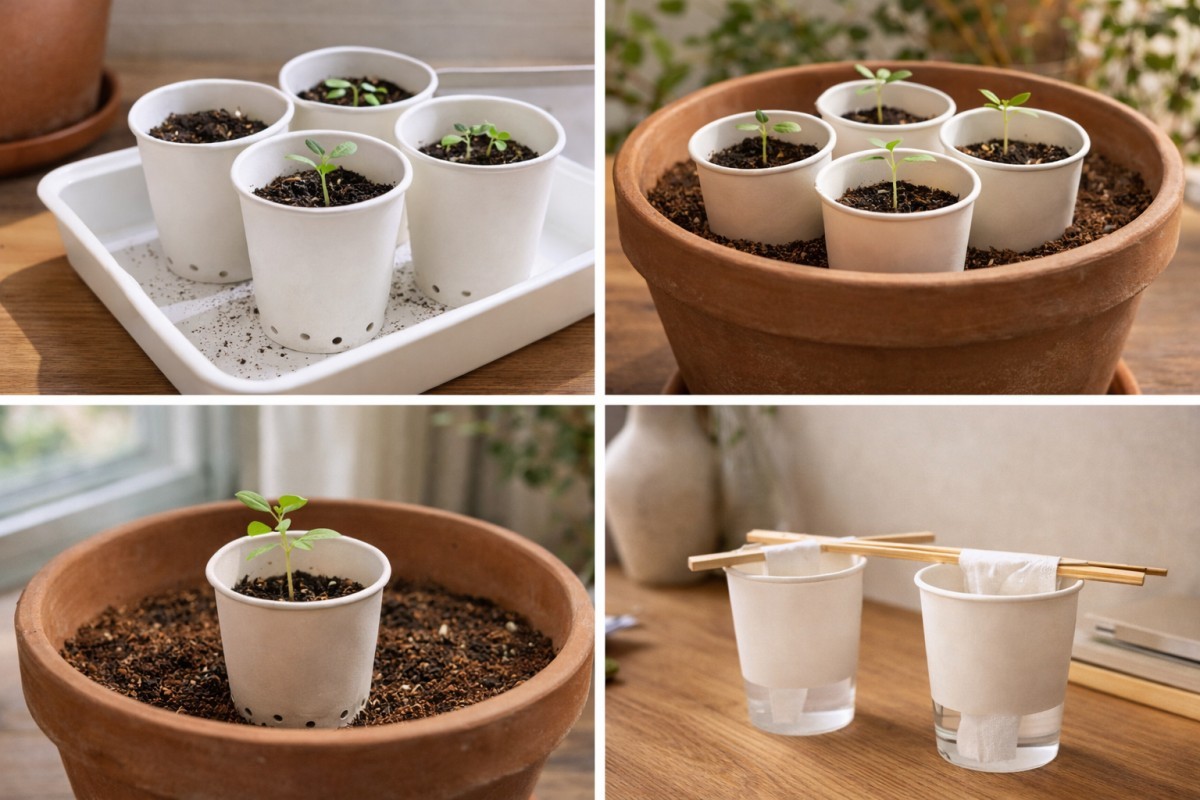
Paper cups make excellent seed-starting pots. Unlike plastic containers, they’re easy to punch drainage holes into, and they’ll gradually break down in soil due to microbial activity. Transplant seedlings while still in their paper cups to a larger pot to avoid the root damage known as transplant shock.
In dry indoor environments, you can also make a simple evaporative humidifier. Lay a pair of chopsticks across the rim, soak an absorbent cloth or kitchen towel in the cup’s water, and drape it down the side. Capillary action will wick moisture into the air and help raise indoor humidity.
Turn them into storage bins!
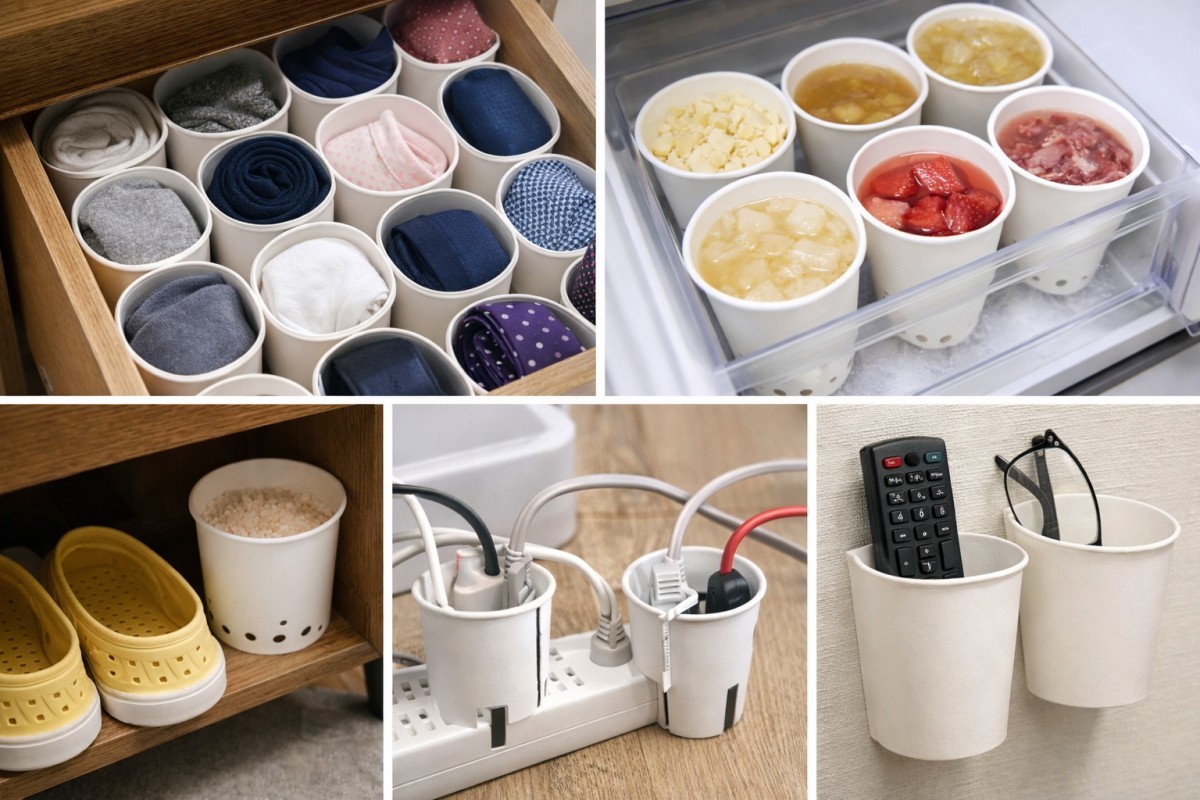
Because paper cups come in standardized sizes, they work well as modular drawer organizers. Assign a cup to hold small, tangle-prone items—socks, underwear, ties—so you can spot what you need quickly and reduce wasted space. In the kitchen, use cups in the freezer to portion garlic, broth, or leftovers.
Punch a hole in the bottom and place cups inside your shoe cabinet to hold moisture absorbers or act as air-freshener mounts.
You can also tame the cable mess under your desk with cups. Cut a slit in the side, thread the wires through, and arrange cups around the power strip to prevent tangling. Cut one side flat and attach it to the wall to create a simple wall pocket for frequently misplaced items like glasses, remotes, or car keys.
Use them when cleaning!
Paper cups can be a solution for narrow window tracks or furniture gaps that a vacuum’s standard nozzle can’t reach. Fit the vacuum inlet to the cup’s bottom, flatten the opening, and shape it to the gap to create a focused suction nozzle.
Because the paper flexes, the cup reaches curved areas that rigid plastic nozzles can’t, making it easier to remove dust from awkward corners.
Use them as décor!
Paper cups can double as design objects. Glue dozens together in staggered layers to form spheres or polyhedrons and create statement lighting that rivals pricier fixtures. Their wide rims and narrow bases make it easy to craft gentle curves.
Place LED string lights inside to scatter light through the cups for a soft glow. Punch tiny holes in the bottoms for a “Milky Way” effect, or wrap cups in black paper and cut out constellation shapes for a space‑themed mood lamp that evokes the night sky.
Insert small LED bulbs into the cup bottoms and wire them together to make a soft paper-cup garland. Cover cup surfaces with fabric or traditional Korean paper (hanji) to add texture and achieve a high-end look on a low budget.
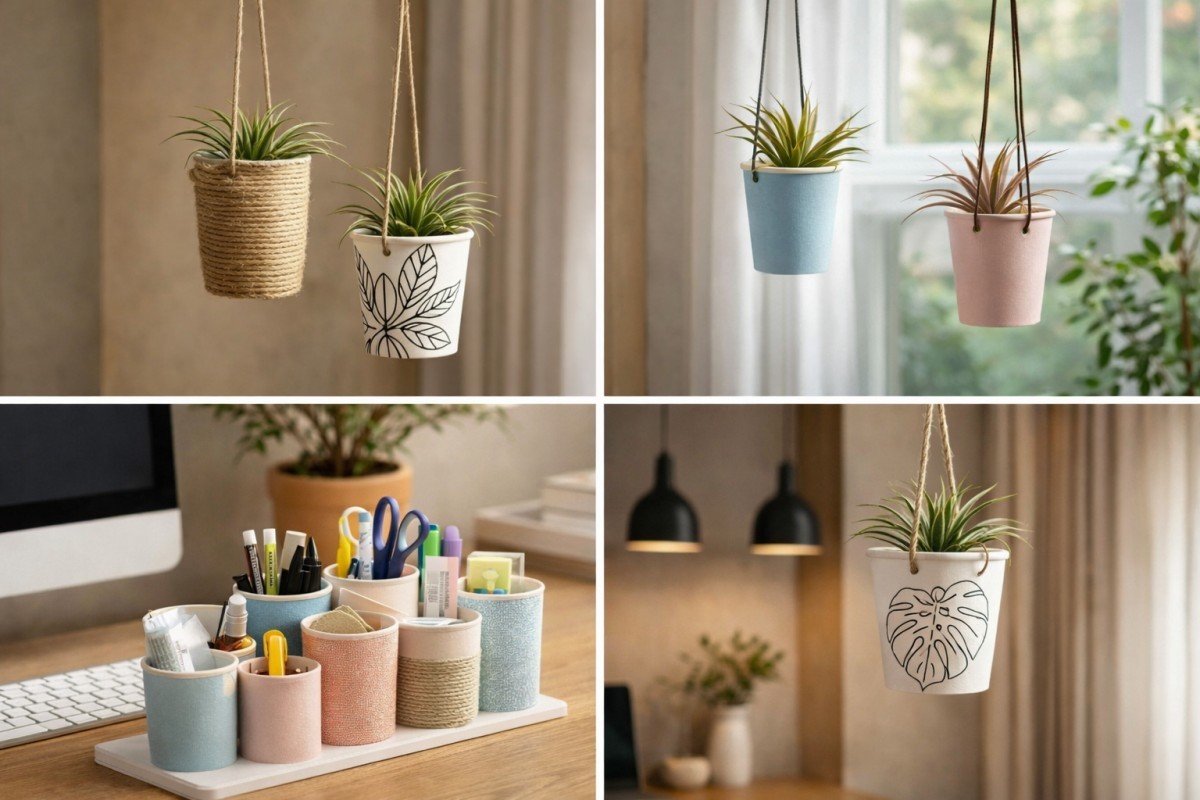
Using disposable cups for “planterior”—integrating plants into interior design—is one of the simplest, most effective approaches. Wrap a cup with twine or decorate it with a chic illustration to create an instant pot cover.
Hang them from fishing line or leather cord as hanging planters to exploit vertical space. Fill them with low-water plants like air plants (Tillandsia) for an easy-care, design-forward focal point.
They also make elegant modular desk organizers. Instead of simply standing cups upright, cut 7–8 cups to different heights and mount them on a board for sculptural storage. Paint them in pastel acrylics or cover them with textured fabric to create organizers that rival store-bought office goods. Divide the interiors to sort frequently used stationery, improving efficiency while adding visual appeal.











Most Commented