
Revitalizing Seoul’s Fashion Scene: How Musinsa’s ‘Back to Seoul Forest’ Project is Transforming Retail in 2026
Daniel Kim Views
Translation result
Food-focused district retools around fashion
Shopping instead of brunch draws visitors
Empty alleys revived by Musinsa’s energy
Creating a global fashion destination that grows with the neighborhood
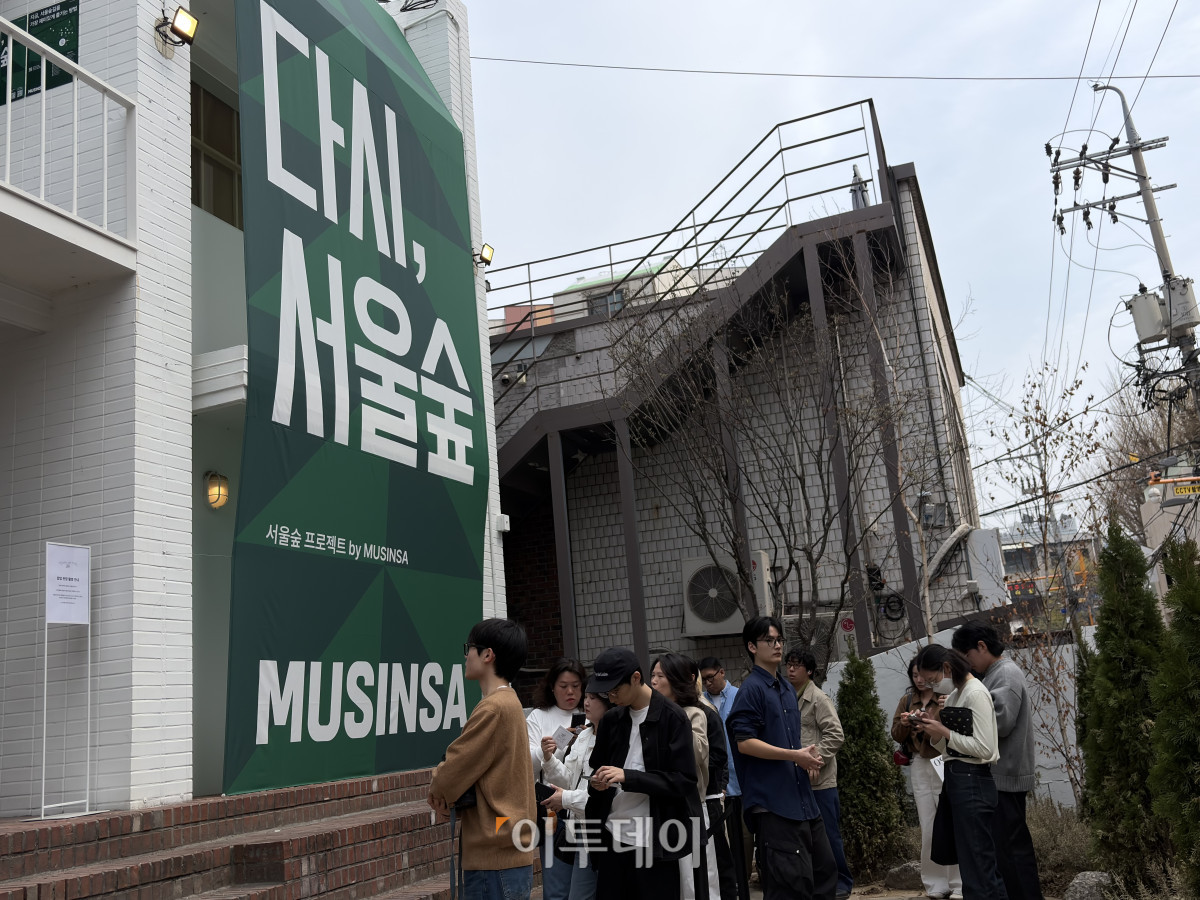
Musinsa is reshaping the Seoul Forest \”Atelier-gil\” stretch into a fashion- and lifestyle-focused lane to breathe new life into the neighborhood. The plan is to transform a food-dominant strip into an offline hub for up-and-coming brands and keep visitors lingering longer.
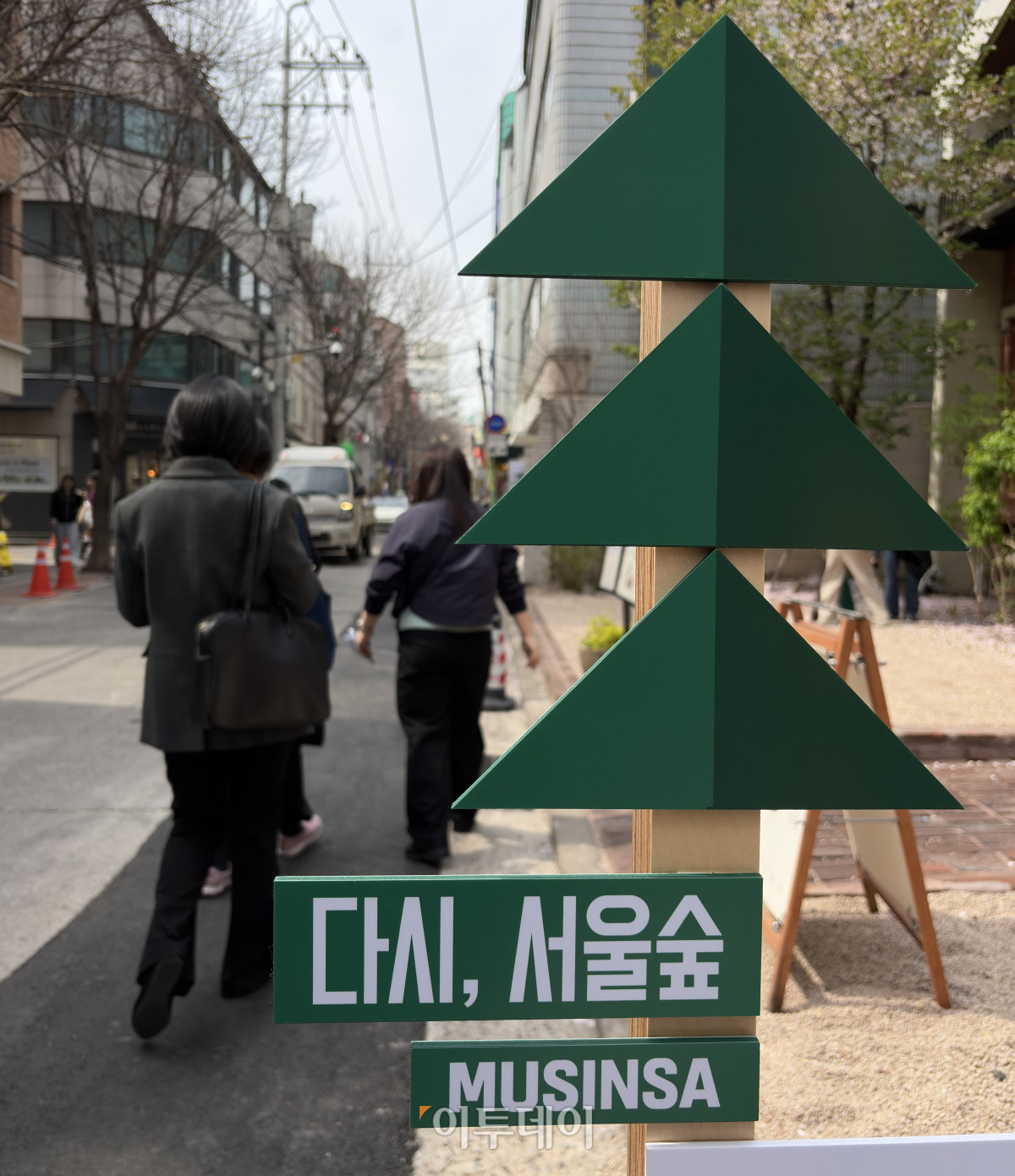
At 1 p.m. on the 3rd, Seoul Forest Atelier-gil in Seongdong-gu was buzzing. Musinsa had kicked off its \”Again, Seoul Forest\” project. The area first gained attention after the old Seoul Racecourse site became Seoul Forest in 2005. Quiet red-brick houses gradually filled with ateliers and galleries, earning the nickname Atelier-gil.
But lately people have been flocking mainly to cafes and restaurants, and the commercial scene stalled. As of Q4 2025, daily foot traffic averaged 3,086 people — only about a quarter of nearby Seongsu-dong’s cafe street. Foot traffic also plunged by 41,309 people compared with the prior year.
To address that, Musinsa is redefining the district’s identity. The company bought or leased long-vacant storefronts and offered space to promising brands. It plans to roll out roughly 20 brand stores in phases through the first half of 2026.
Visitors we spoke with could clearly tell the difference between Seongsu-dong’s active shopping scene and Seoul Forest. Cha-eun Lee, who came from Suwon, said, “I usually go to Seongsu-dong a lot.” She added that she visits for brand pop-ups and shopping.
“I come to Seoul Forest less often,” she said. “Here I usually brunch and hop between popular restaurants.” She pointed to a lack of shopping options and said she’d come more often if more stores opened.
A couple from Gaepo-dong, Mr. Kang and Ms. Han, echoed that. Because the husband works in Seongsu-dong, they visit there frequently. “In Seongsu-dong we check out pop-ups, little shops and curated stores,” they said.
“We mostly came to Seoul Forest to eat,” they added. “Lately it’s felt dead, so we haven’t come much.” They welcomed Musinsa’s initiative. “It’s great to see Musinsa trying to revive this area. Next time we’ll come to shop, too.”
Musinsa aims to open about 20 fashion and lifestyle concept stores in phases through the first half of 2026, extending the fashion energy concentrated on Yeonmujang-gil in Seongsu-dong into the Seoul Forest retail strip.
The company said it plans to knit together a new cultural belt, leveraging Seoul Forest’s closeness to Seongsu-dong and its leafy setting. Beyond corporate growth, Musinsa intends to work with local government on a public-private partnership model to strengthen the neighborhood’s economic resilience.
Nine stores are already operating, and three more will open this month. Each shop is designed as a concept store where visitors can step into the brand’s world. Openings include Freight, Yurt, General ID, Lookcast, Have a Whale, Goyo Wear and Sabre Paris. Maison Plejang and Puma opened this week. GBH and Musinsa Run are scheduled to open later this month.
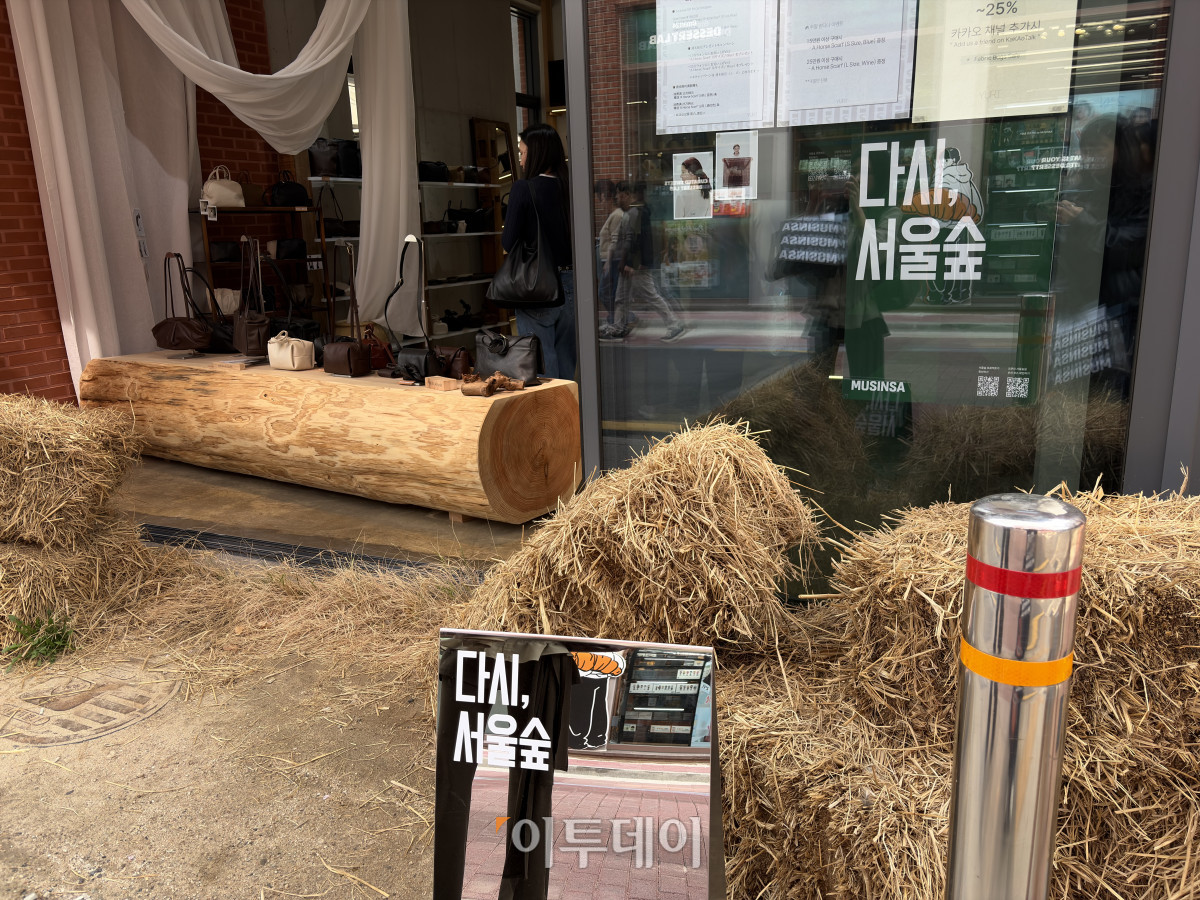
Brands moving in say they’re optimistic. Kim Young-min, head of Yurt, said cost was the biggest reason they accepted Musinsa’s offer. “These days, key money in Seongsu and Hannam is really high and the burden was huge,” he said. “The Musinsa project helped ease that worry.”
Kim added, “We’re tracking visitor numbers by time of day, including foreigners. On weekends we see about 300–400 people.” He noted most are window shoppers rather than immediate buyers. “That doesn’t convert to sales right away, but the exposure builds brand awareness and should drive revenue over time,” he said.
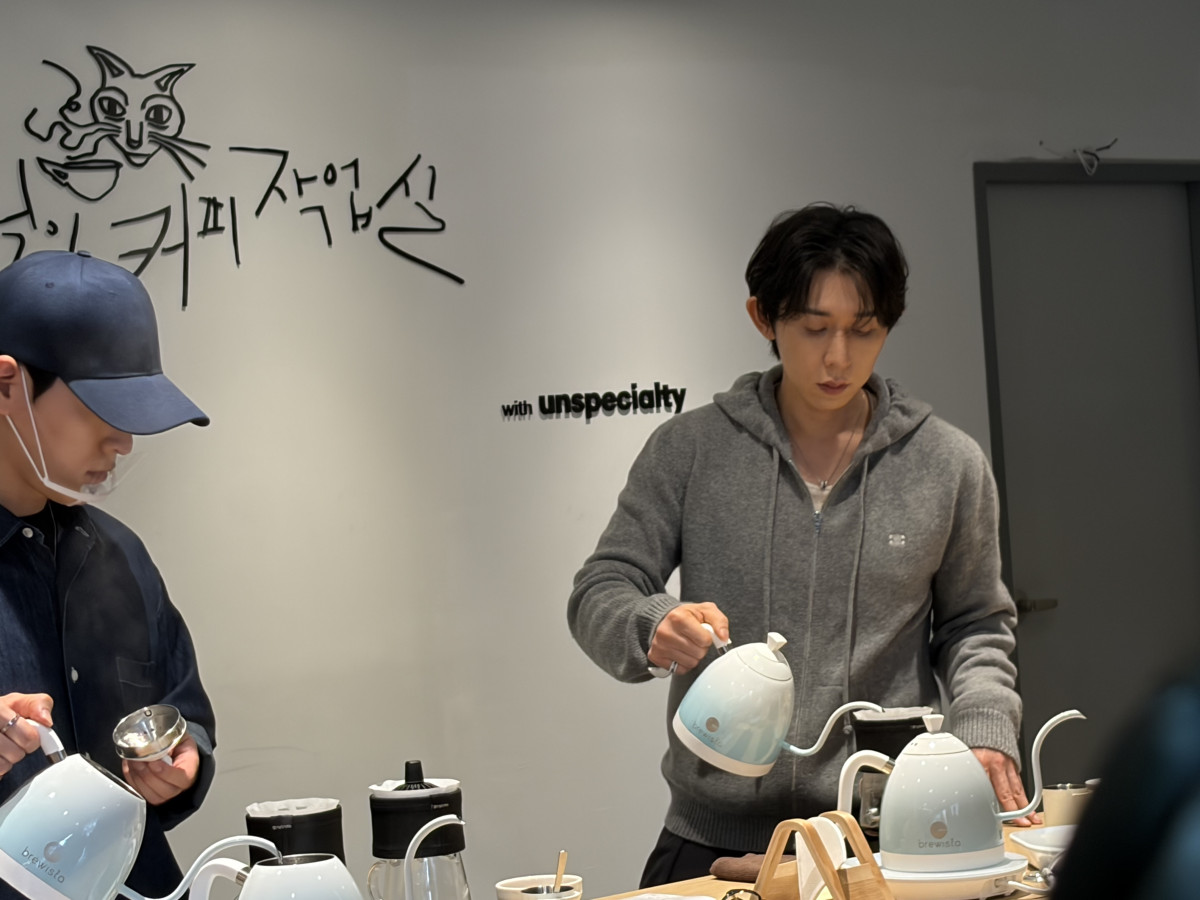
Musinsa is also running a campaign to activate the district. From the 3rd it launched a ten-day \”Again, Seoul Forest\” campaign with 24 partner brands to offer visitors fresh experiences. Musinsa Space hosted a pop-up café in collaboration with Code Kunst. The initiative is rooted in community collaboration: Musinsa signed a mutual-growth pact with Seongdong District Office to boost the local economy’s ability to sustain itself and create shared value with the neighborhood ecosystem.










Most Commented