
Zara Partners with John Galliano: What This Means for the Future of Affordable Luxury Fashion?
Daniel Kim Views
Translation result
Zara Taps John Galliano for a Two-Year Creative Partnership
Big Collaborations Are Popping Up at H&M, Uniqlo and More
“Upscaling Could Dilute SPA Brands’ Core Strengths”
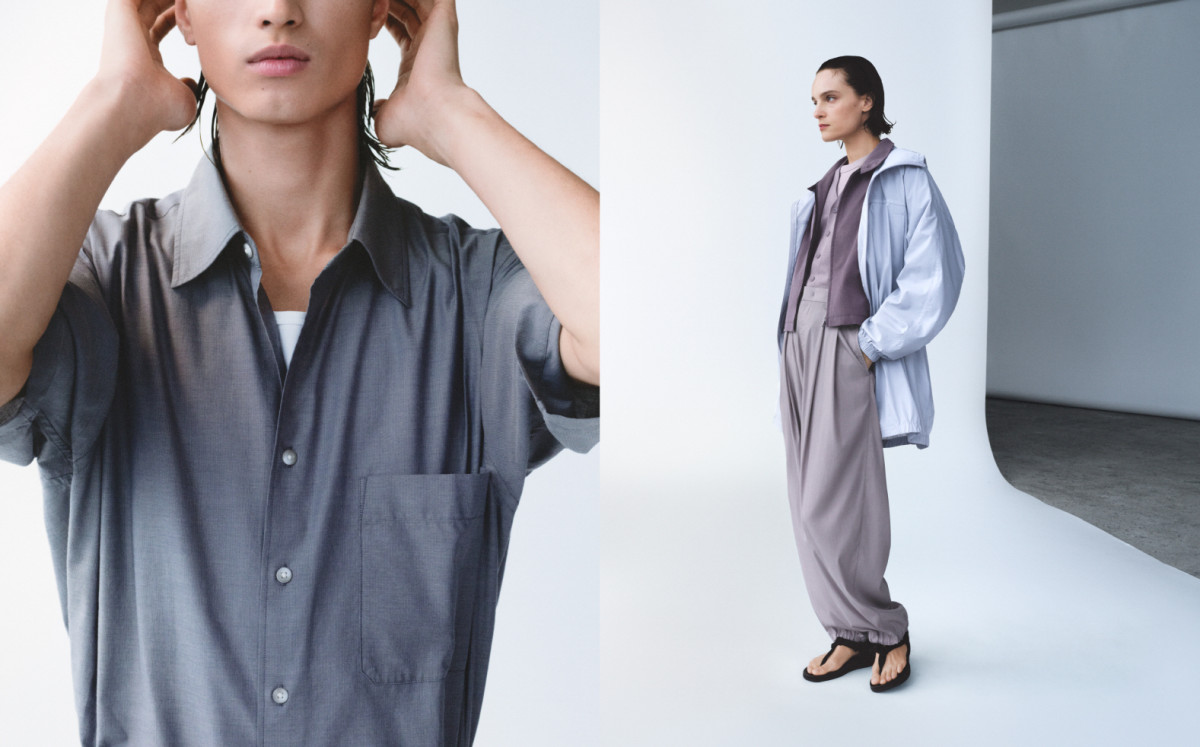
Fast-fashion SPA (vertically integrated manufacturing and retail) labels are stepping up their game, leaning into luxury collaborations as a shortcut to a more premium image. Industry watchers warn that the marketing muscle of well-capitalized foreign SPAs could upset the balance of the domestic market.
On March 30, industry sources reported that Spanish SPA giant Zara has signed a two-year creative partnership with designer John Galliano. The collaboration will see Galliano reinterpret Zara’s heritage, with a joint collection expected in the second half of the year.
John Galliano is a globally known designer with stints at Givenchy, Christian Dior and Maison Margiela. Zara says the move is intended to boost its premium credentials.
After Zara’s announcement, many in the fashion world expect the push to upgrade image across SPAs to accelerate. Swedish H&M and Japanese Uniqlo have regularly teamed up with notable designers. H&M turned heads last year with a collection by Glenn Martens, famed for roles at Maison Margiela and Diesel. This month Uniqlo revealed a refreshed U collection created by Christophe Lemaire and Sarah-Linh Tran alongside its Paris R&D team. Lemaire is the founder of the contemporary luxury label Lemaire and a former chief designer at Hermès.
Collaborations are now the new normal for SPAs, but luxury-designer tie-ins weren’t always the go-to. In Korea, collaborations historically leaned toward IP deals featuring popular characters. Lately, though, high-profile designer partnerships have become a way for shoppers to get a taste of luxury at lower price points — and those launches often generate serious buzz and sales, both domestically and overseas.
Still, some in Korea’s fashion industry are sounding alarms. With household spending sluggish, there’s concern the gap could widen if deep-pocketed global SPAs ramp up their offensive. The domestic SPA market has swelled to an estimated 5 trillion KRW (about $33 million), helped by consumers’ continued focus on value despite high prices. Uniqlo remained the top SPA operator in Korea last year. One industry executive said, “You can’t realistically match global brands on capital. Domestic labels should pursue different differentiation strategies — think K-content tie-ins or collaborations with local artists.”
Critics also argue that chasing upscale status runs counter to SPA’s core purpose. If collaborations push prices up or the quality doesn’t meet expectations, the long-standing SPA advantages — accessible prices and dependable quality — could be eroded. “I worry the domestic fashion scene might be reshaped by a capital-driven race to upscale rather than by product fundamentals,” a fashion industry insider said.










Most Commented