
SisaWeek | Magok — Reporter Kim Ji-young K-Beauty is riding an unprecedented wave. According to the Ministry of Food and Drug Safety, Korea’s cosmetics exports rose 12.3% last year to $11.43 billion (about 15.24 trillion KRW). Indie beauty brands are making strong gains overseas too. These brands are typically smaller and owner-operated rather than backed by big corporate capital, but their agility in responding to fast-changing consumer trends has been credited with reinvigorating K-Beauty.
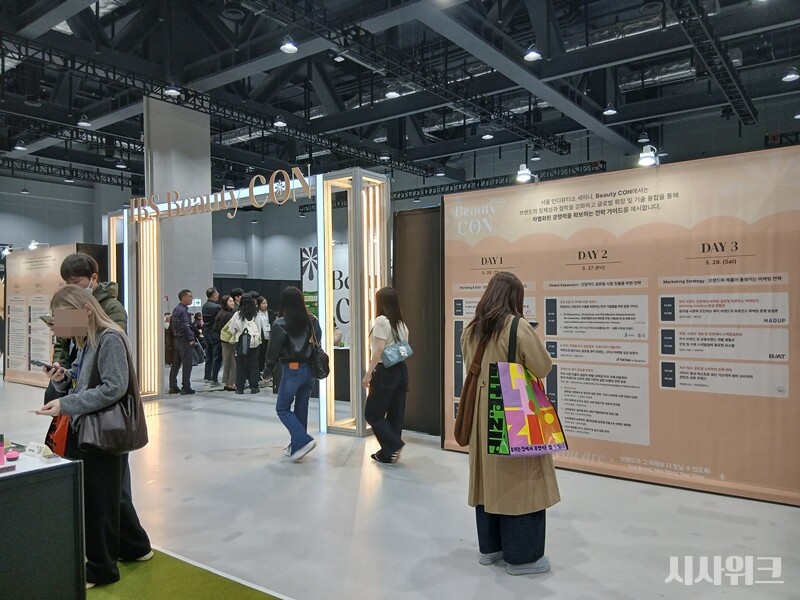
Amid this K-Beauty surge, a showcase bringing together a variety of indie brands opened at COEX Magok on March 26. The 2026 Seoul Indie Beauty Show runs through March 28, with 146 indie beauty companies and more than 230 brands participating.
The event floor features interactive pop-ups spanning basic skincare, beauty devices and scalp-care products. Even before 10 a.m. on opening day, the entrance was crowded with manufacturers, distributors, brand reps and overseas buyers.
◇ Brands emphasizing seasonality and natural ingredients catch the eye
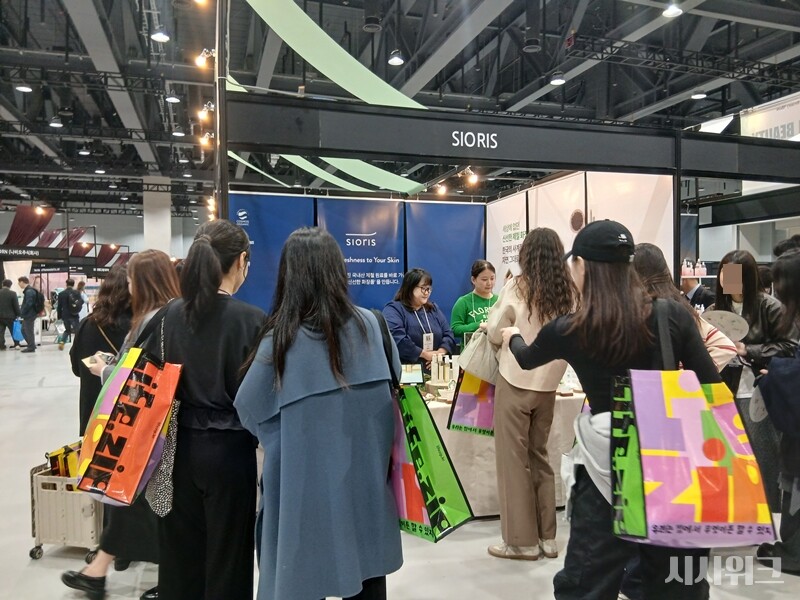
On site, indie brands that highlight distinctly Korean ingredients stood out — a sign that the K-Beauty craze is rooted in growing interest in Korean culture. SIORIS, for example, showcased basic skincare products made from oats from Buan, omija from Mungyeong and yuzu from Goheung.
“We select ingredients that evoke a Korean image and use organically grown materials harvested in season,” said Bae Min-hee (32), team leader at SIORIS. She added that the brand counts JYP Entertainment CEO Park Jin-young — known for his interest in organic products — among its investors.
In January, the BBC analyzed the K-Beauty boom and pointed to “relentless innovation that uses natural ingredients once ignored by the market.” The outlet also noted that global companies are adopting popular Korean ingredients tied to local brands, such as centella (cica), rice bran and rice water.
◇ Social media and content are fueling the K-Beauty boom
Social media has been central to the K-Beauty phenomenon. One company that benefited is APR. APR launched a home-care device line called AGE-R in 2021. In July 2023, American model and influencer Hailey Bieber posted a TikTok using the AGE-R product Booster Healer, and global sales then surged — helping APR top market-cap rankings last year and emerge as a breakout stock.
An executive in the home-care device industry, speaking on condition of anonymity, said, “We’re seeing more interest in devices alongside the K-Beauty boom. Today, devices mainly enhance absorption for basic skincare or offer EMS (electrical muscle stimulation). Going forward, I expect functions to expand into pore and wrinkle care and treatments for specific body areas, similar to dermatology procedures.”
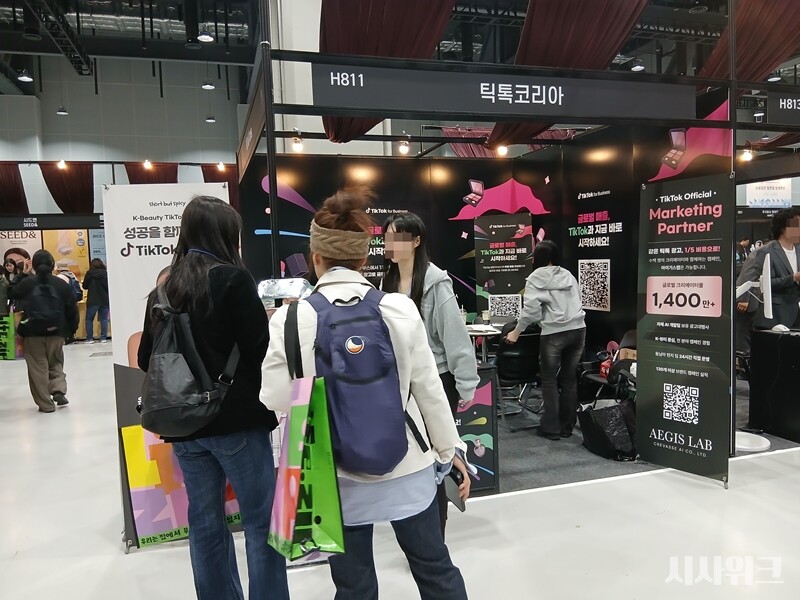
TikTok Korea also drew attention with a booth at the show. For many indie brands, the asset investments required for export — establishing overseas subsidiaries and logistics centers — are prohibitive. TikTok Korea says platforms like TikTok Shop can simplify that process and open export opportunities in markets with large TikTok user bases, including the U.S. and Southeast Asia.
Choi Jang-ho (38), co-CEO of cosmetics distributor So On Universe Co., said he sought consultation because his company is considering expansion into markets such as Thailand and Vietnam. “A key strength of TikTok Shop is that customers can make a purchase immediately while watching content,” he said.
◇ “The scalp is skin too” — scalp care is trending
With rising interest in K-Beauty, indie brands are competing across a wider set of categories. Industry attention is shifting beyond ingredients and formulations toward fresh growth areas.
Lee Ji-young (32), an MD at the commerce app Always, said, “Interest in scalp care has recently increased, especially among consumers worried about hair loss.” She pointed to the trend of skinification as one to watch: skincare routines and products that used to focus only on the face are expanding to treat the scalp, hair and entire body.
Han Byeol (38), director at cosmetics manufacturer Midocosmetic, also noted, “We’ve started getting requests from overseas buyers for scalp-care products.”
According to Customs Service export-import statistics released March 26, exports of hair-care products totaled $478.16 million last year (about 637.55 billion KRW), a 15.8% increase from the previous year and a record high.
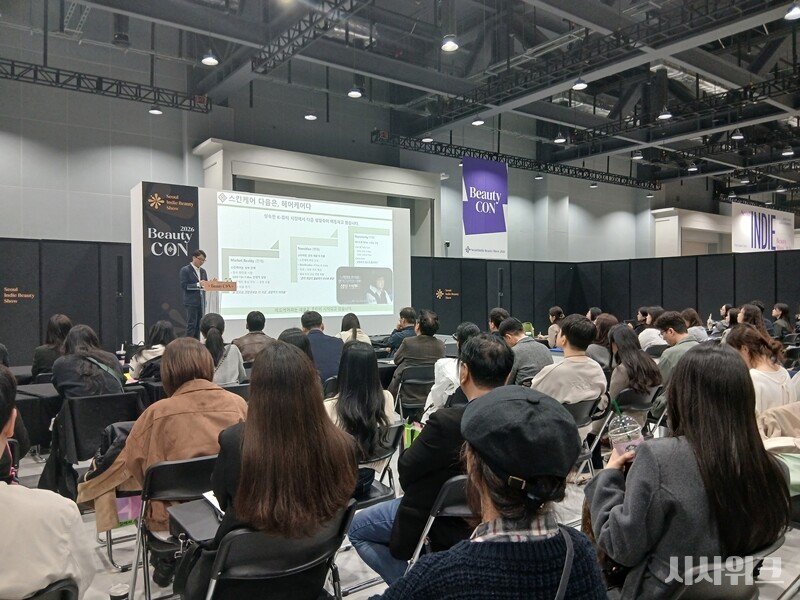
Responding to this demand, manufacturer-distributor Every Monday launched a head-skinification brand called Realeal. At a branding and ESG seminar at the show, a Realeal representative said the brand recommends a five-step scalp routine — starting with shampoo and moving to head skin treatment, lotion, essence and a pack — treating the scalp like the face.
On March 27–28, seminars on global market entry and marketing strategies will be held. Visitors can also join export business consultations and explore interactive pop-ups, including a special fragrance exhibition and a Clean Beauty 2.0 pavilion.










Most Commented