
Translation result.
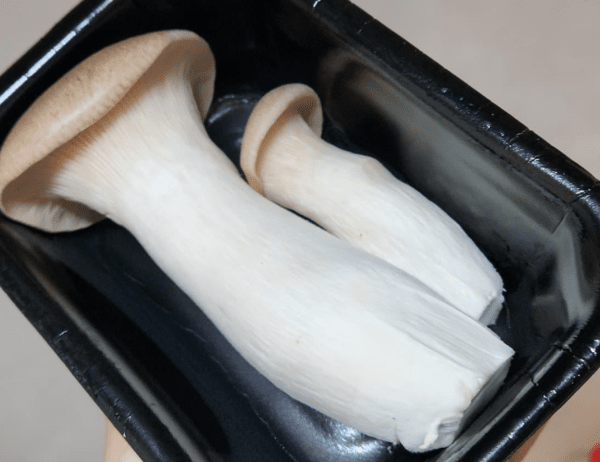
Food goes bad much faster in summer than you might expect
Rising temperatures and humidity in summer create the perfect environment for bacteria and mold to thrive. Many people assume spoiled food will smell off first, but in lots of cases decay progresses with little or no noticeable change in scent.
Fruits, dairy, and mushrooms often show visual or textural changes before they start to smell. Experts warn that relying on smell alone to decide whether something’s safe is risky. In summer, make it a habit to inspect a food’s appearance and texture closely.
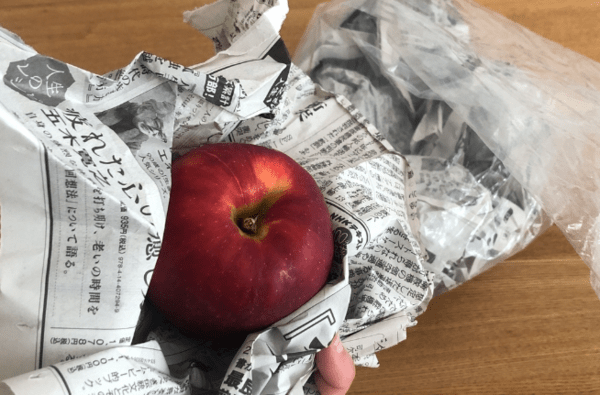
Be careful when fruit turns soft or shows spots
Watermelon, peaches, grapes, and strawberries are high in moisture and especially prone to spoilage in summer. A common warning sign is overly soft flesh or brown or black spots on the surface. Even small spots on the skin can mean the fruit’s quality is already declining underneath.
Some molds spread well beyond what you can see, so simply cutting away the visible bad part can still be dangerous. If fruit is overly mushy or spots are widespread, it’s safer to toss it.
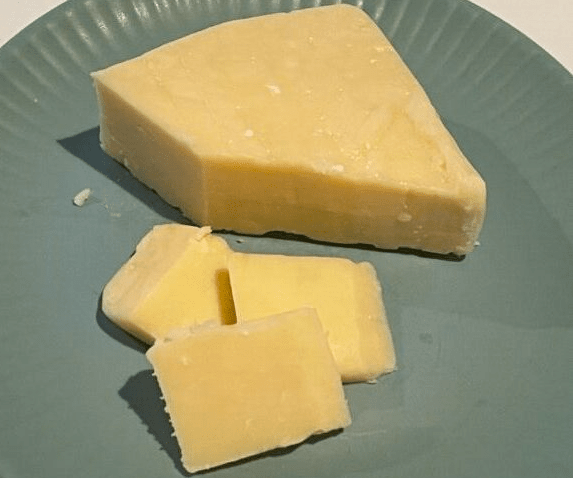
If dairy tastes sour, it’s likely spoiled
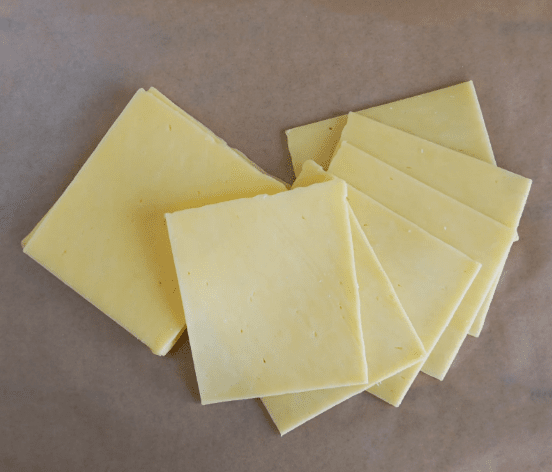
Even refrigerated dairy—milk, yogurt, cheese—can go bad if the temperature isn’t properly controlled. Milk, for example, can look fine but taste sour; if it does, assume it’s spoiled.
Watch for curdling or an unusually thick, slimy texture. Dairy is high in protein, which makes it an easy target for bacteria, so it’s best to consume it as soon as possible after opening.
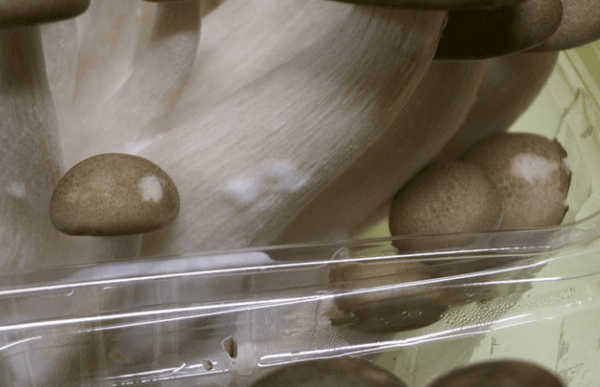
Fuzzy growth on mushrooms often means mold has taken hold
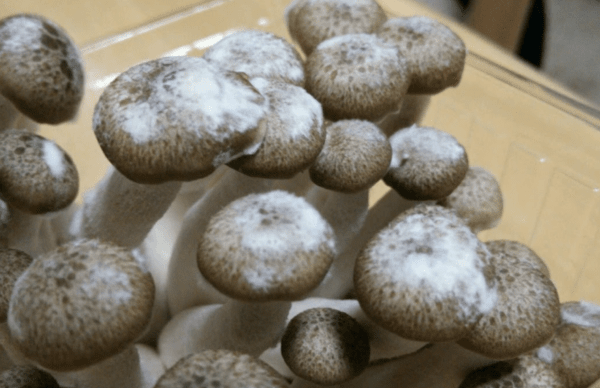
Mushrooms are one of the ingredients most likely to spoil in summer. If you see white or gray fuzzy growth on the cap or stem, suspect mold. People sometimes mistake natural white tissue for fuzz, but any unusual filmy growth is a red flag—don’t eat those mushrooms.
Sliminess or a soft, mushy texture are also classic signs of spoilage. Because mushrooms contain a lot of water, it’s best not to store them in the fridge for long.
Look at appearance first—smell isn’t always reliable
Spoiled food doesn’t always give off a strong odor. In the early stages of decay, changes in color and texture often appear before any noticeable smell.
Spots or softness in fruit, sourness in dairy, and fuzzy growth on mushrooms are key warning signs. Experts emphasize that in summer you should check the actual condition of food carefully, not just rely on expiration dates.
Real-life domestic examples
There’s a yearly uptick in food poisoning cases during summer. Data from the Ministry of Food and Drug Safety and the Korea Disease Control and Prevention Agency show that hot, humid periods lead to more outbreaks tied to careless food storage.
Domestic health programs have highlighted cases where refrigerated fruit and mushrooms looked fine at a glance but revealed spots and mold on closer inspection, urging viewers to be cautious. They’ve also featured consumers who trusted expiration dates and later found their dairy had spoiled—underscoring how important food safety is in summer.











Most Commented