
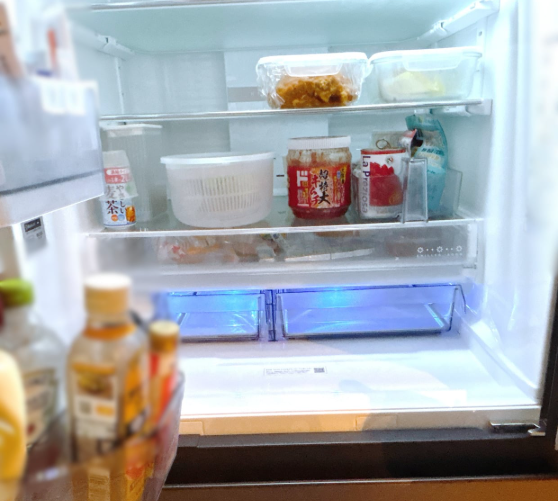
Think eggs are safe just because you put them in the fridge?
Eggs are a staple in many households. From quick breakfasts to side dishes, soups, and stews, they’re incredibly versatile — which is why most people keep a carton on hand in the fridge. Lots of folks stash them in the door’s egg compartment because it’s convenient.
But food experts warn that the refrigerator door might not be the best place for eggs. Eggs are especially sensitive to temperature fluctuations.
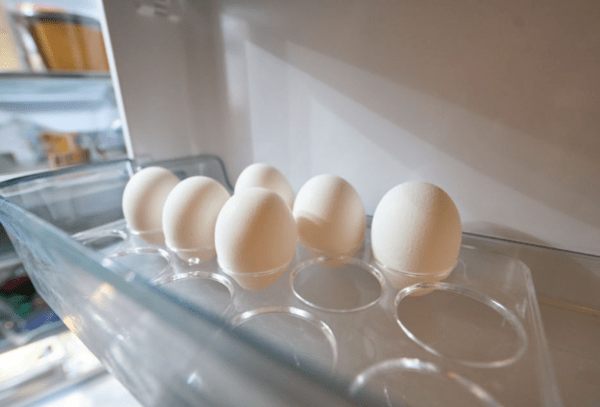
The fridge door sees the biggest temperature swings.
Every time the door opens, the inside air meets the room air. In summer, that temperature gap can be especially large, so the door area is subjected to repeated shifts. The interior shelves stay relatively stable, while the door can heat up and cool down in quick bursts.
Those repeated temperature swings can speed up freshness loss. That’s why food-safety pros usually recommend keeping eggs on the inner shelves instead of the door.
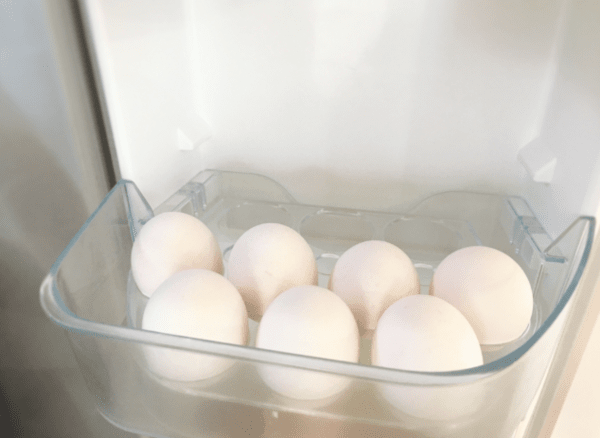
Temperature swings can create conditions for bacteria to grow.
Eggshells have tiny, invisible pores. Those pores react to the surrounding environment, and if temperatures swing repeatedly, small droplets of moisture can form on the shell’s surface.
That moisture can create a breeding ground for bacteria. Eggs are packed with protein and nutrients, so poor storage can cause quality to decline quickly. Keeping them at a steady, cool temperature is essential.
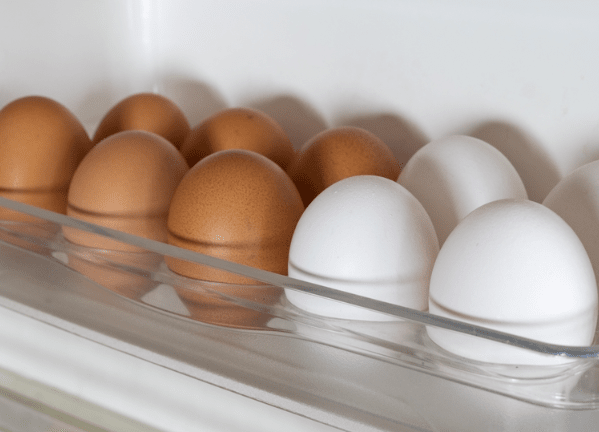
Keep eggs in their original carton.
Many people transfer eggs one by one into the fridge’s egg slot after buying them. Experts say it’s better to leave eggs in their original carton. The carton cushions against bumps and helps limit moisture loss.
It also reduces the chance of other foods’ odors seeping into the eggs. Eggs easily absorb smells, so avoid storing them next to strong-smelling items like fish or kimchi.
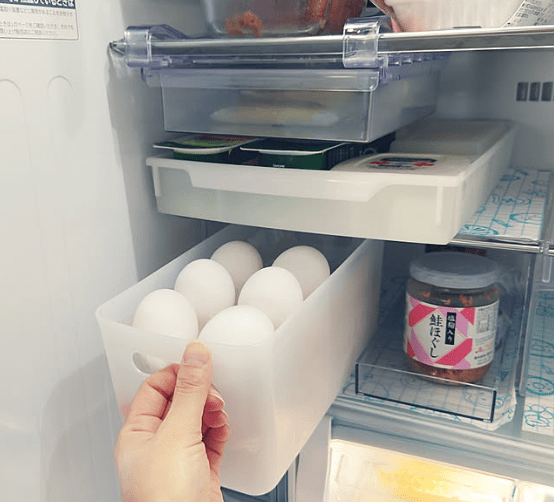
The inner shelves are the safest spot in the fridge.
For the best protection, store eggs on a middle or inner shelf. Those areas experience fewer temperature fluctuations and maintain a more consistent cold environment than the door.
Some people also recommend storing eggs with the pointed end down to help preserve freshness. Most importantly, buy only what you’ll use soon and keep them refrigerated consistently.
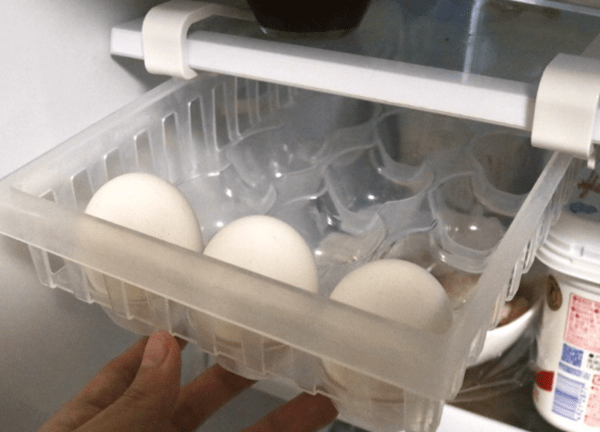
Real-world examples
Food-safety agencies and health programs have run experiments comparing egg storage locations. When eggs were stored in the door and on inner shelves, the door-stored eggs showed greater effects from temperature changes.
Some consumers also report that eggs kept long-term in the door lost freshness. Based on these findings, food experts advise storing eggs in their original carton on the inner shelves rather than in the fridge door for better safety.














Most Commented