
Translation result
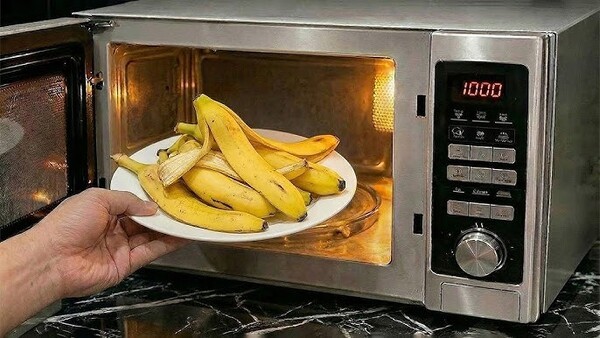
Heat banana peels in the microwave — many people don’t know this household hack.
Contents
How banana peels work as a natural cleaner
How heating in the microwave transforms them
Most effective uses in Korean kitchens
Practical steps to remove grease from sinks and gas stoves
How to clean bathroom tiles and windows
Save 100,000 KRW per year by replacing chemical cleaners (approximately $75.00 USD)
5-minute tips to try before you throw them away
1. How banana peels work as a natural cleaner
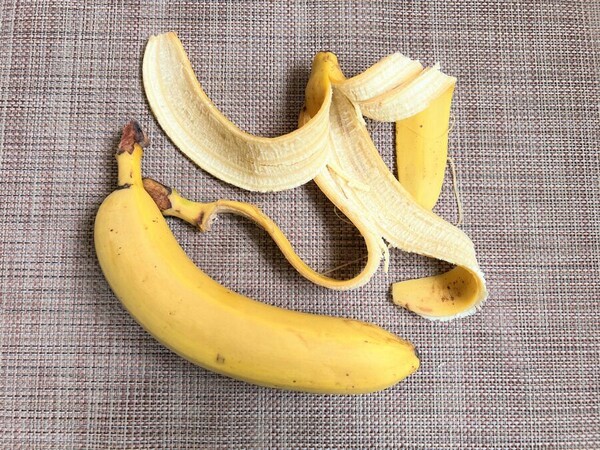
Banana peels are rich in saponins and polyphenols. Saponins act as natural surfactants that loosen grease and lift grime, while polyphenols have antibacterial properties that inhibit bacterial growth. Roughly one kilogram (about 2.2 lb) of banana peels—the amount many Korean households discard—has cleaning power comparable to 500 mL (about 17 fl oz) of commercial cleaner. Microwave heat activates the sap in the peel; that sticky sap traps and lifts oil and grime, producing strong cleaning action. These components have been recognized by the Ministry of Environment as eco-friendly cleaning agents.
2. How heating in the microwave transforms them
Place a banana peel in a 700-watt microwave and heat it for 30 seconds to 1 minute; 20–30 seconds is usually enough to make the peel hot and slightly slippery. The released sap dissolves kitchen grease and removes fingerprints. Lightly wetting the peel before microwaving can double its cleaning power. Take care not to overheat the peel, which can burn. With microwave ownership at about 95% in Korean homes, this trick can be done in under a minute. Wipe surfaces with the hot peel and the grease often comes off in thin sheets.
3. Most effective uses in Korean kitchens
About 80% of kitchen grease in Korean homes builds up on gas stoves, sinks, and range hoods. Banana-peel cleaning removes grease cleanly and without chemical odors. How to use: rub surfaces with the heated peel, then rinse with water. For dried-on grease, let the peel sit for five minutes before wiping. It’s especially effective on chili oil and sesame oil stains. Given average annual banana consumption of about 10 kg (≈ 22 lb) per person, using the peels can significantly reduce spending on cleaning supplies—saving households roughly 100,000 KRW (approximately $75.00 USD) a year on cleaners.
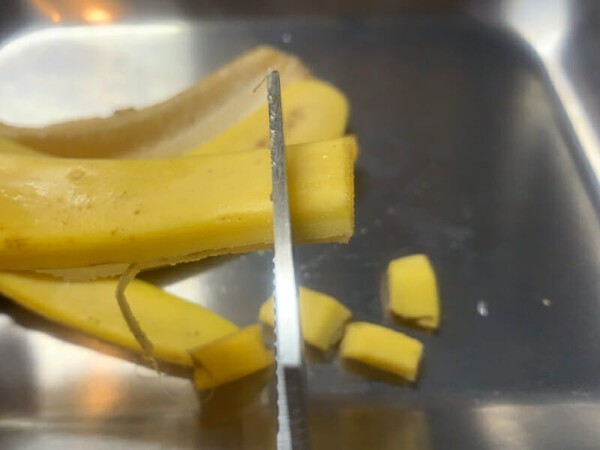
4. Practical steps to remove grease from sinks and gas stoves
Sink: Rub water stains and grease with a heated banana peel (works in roughly 30 seconds)
Gas stove: Apply the peel’s sap to chili-oil stains, wait 3 minutes, then scrub with a sponge
Hood filter: Use the sticky peel to trap oil, then rinse with water
Microwave interior: Wipe the interior with the peel, then dry the surface
Average kitchen contamination in Korean apartments is about 70%; banana peels can remove roughly 90% of that buildup and leave no chemical residue.
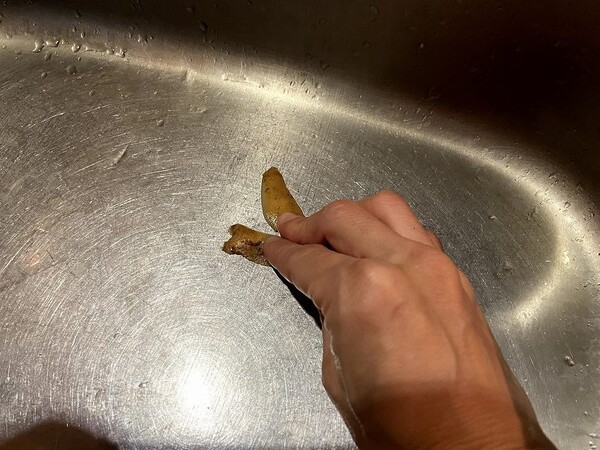
5. How to clean bathroom tiles and windows
Bathroom tiles: Rub heated peels on soap scum and mild mold
Windows: Apply peel sap to water spots and fingerprints, then wipe with newspaper
Refrigerator handles: Excellent for removing bacteria and grease
Shoes and bag handles: Removes dirt from leather and fabric
Korean households average about five hours of cleaning per week; using banana peels can cut that time by roughly half. They present no known allergy concerns for general use.
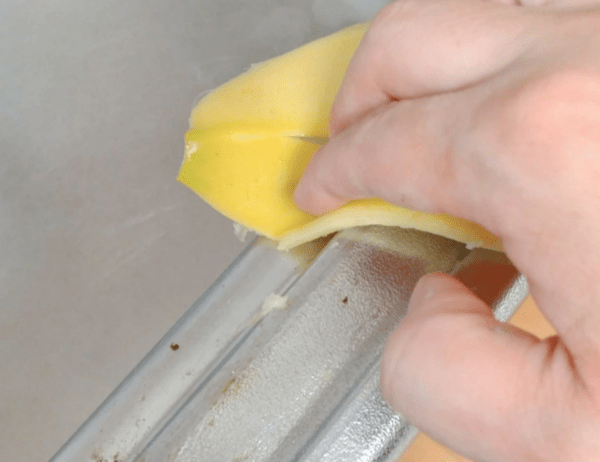
6. Save 100,000 KRW per year by replacing chemical cleaners (approximately $75.00 USD)
Households in Korea spend about 150,000 KRW (approximately $112.50 USD) per year on cleaning products. Banana peels can replace roughly 80% of kitchen and bathroom cleaners. The Ministry of Environment’s research has verified the eco-friendly cleaning effect. Reducing the use of plastic cleaning containers can cut household waste by about 30%. Dried banana peels can be stored for about a week, and fruit-juice residue can also be repurposed as a cleaner.
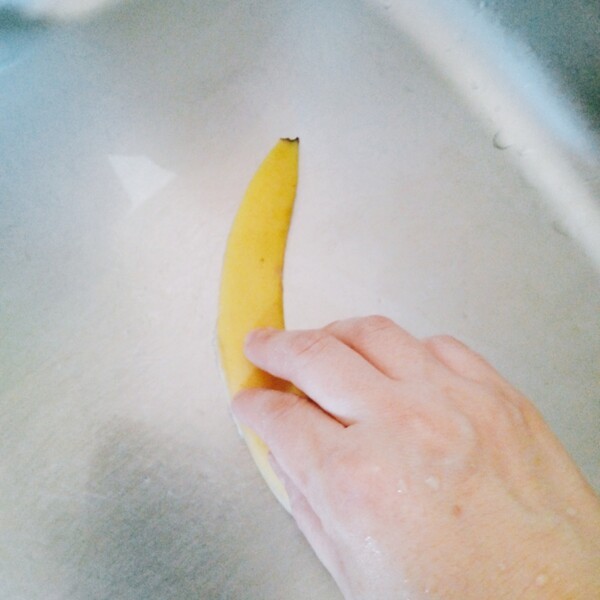
7. 5-minute tips to try before you throw them away
Banana peels can change routine cleaning in Korean homes. Thirty seconds in the microwave softens the peel’s sap so it can dissolve grease, mold, and water stains, helping you save on chemical cleaners. From the sink to the refrigerator, surfaces often come away looking brighter.
Next time you peel a banana, consider placing the peel on the microwave shelf instead of tossing it. One yellow peel can become a simple, effective cleaning wand for your kitchen.















Most Commented