
Translation result
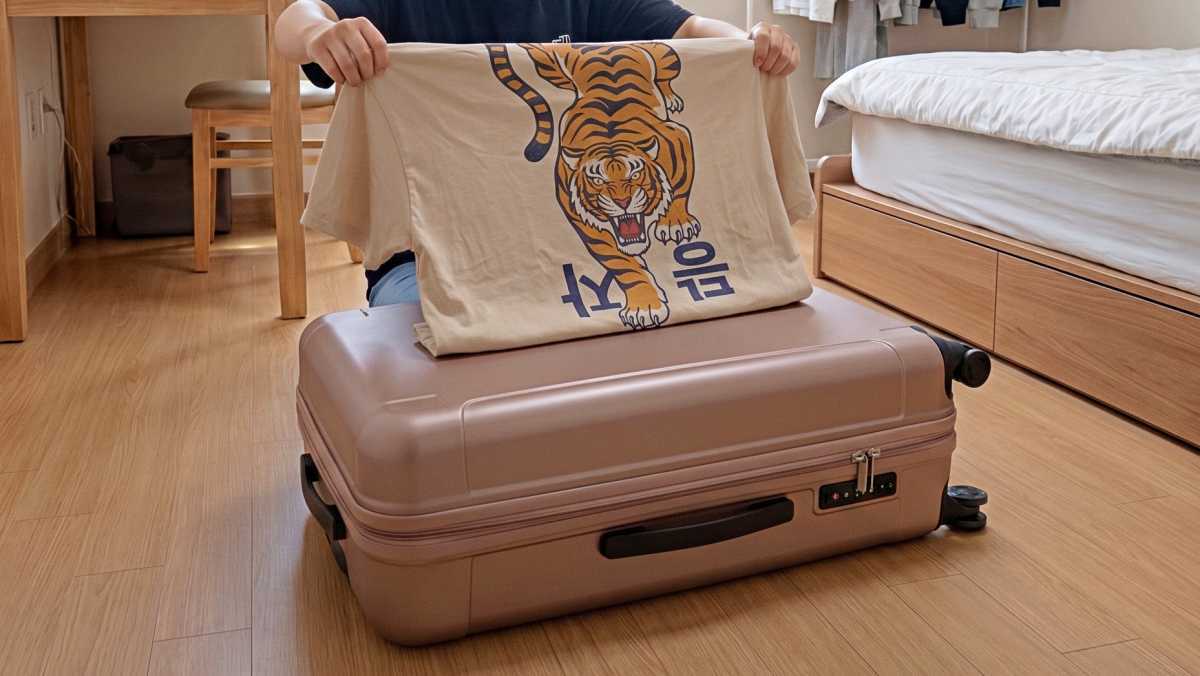
When travel season rolls around, lots of us wonder: should I buy a suitcase cover or skip it? Ready-made covers usually cost between 10,000 KRW (approximately $7.50) and 30,000 KRW (approximately $22.50)—not exactly pocket change for something you’ll use briefly and then stash away. Enter a longtime homemaker hack: an old T-shirt makes an instant suitcase cover. It’s practical, inexpensive, and a total travel win.
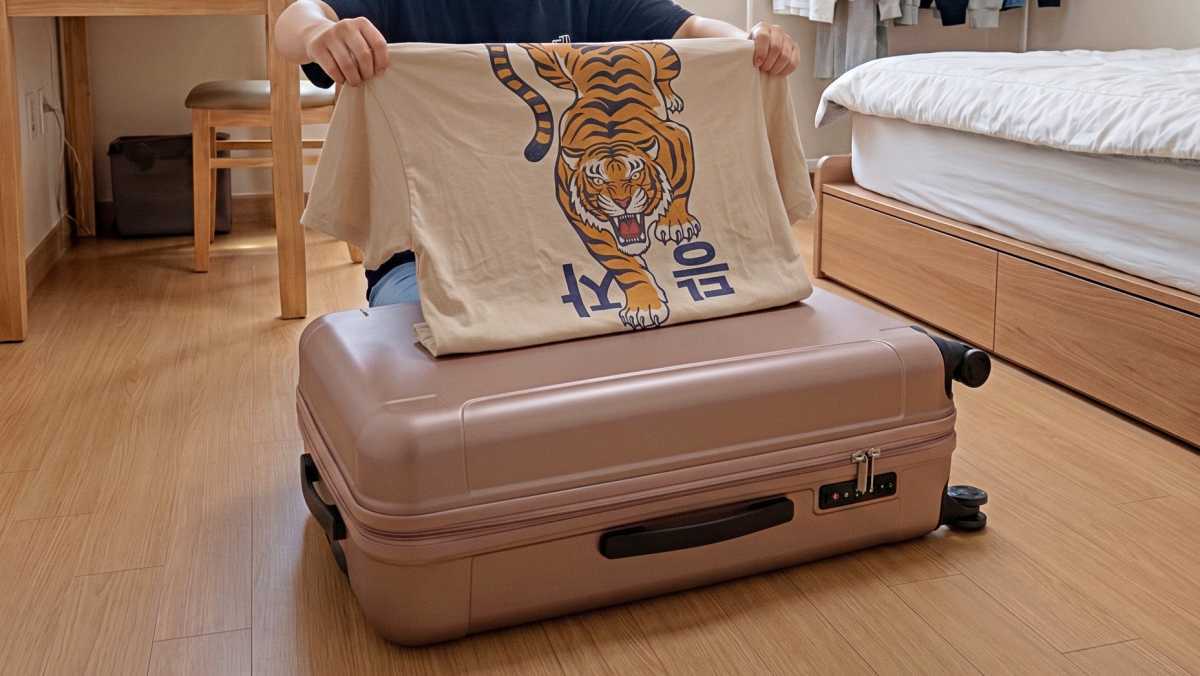
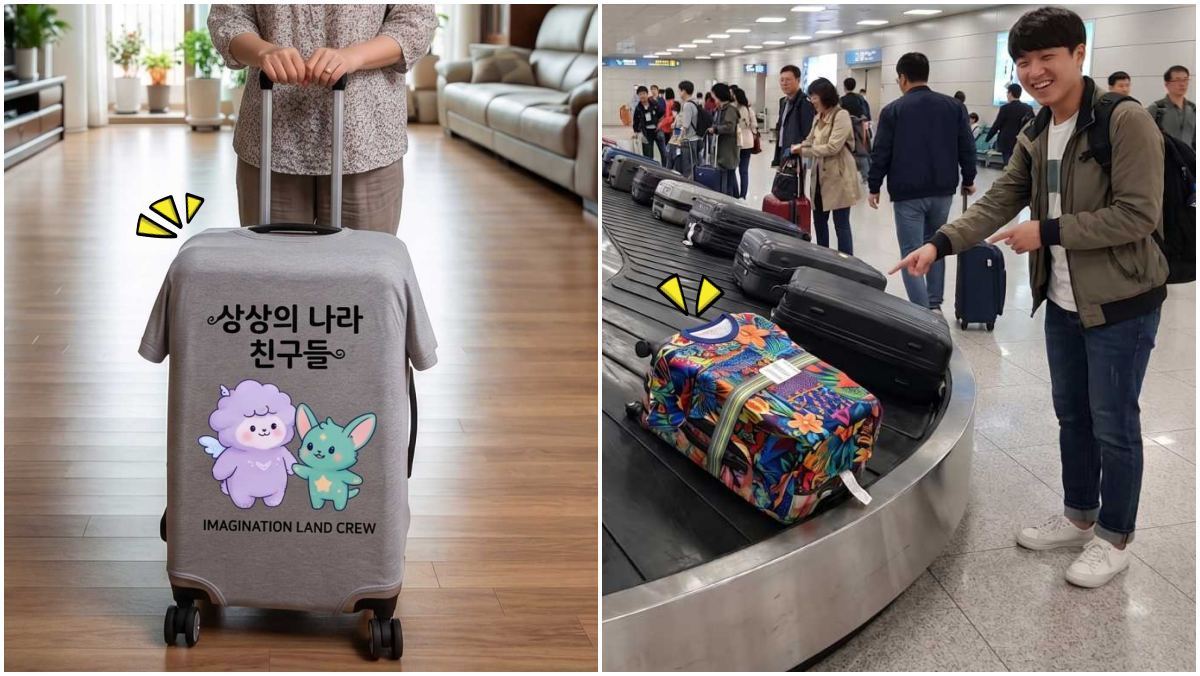
It’s simple: grab a T-shirt one or two sizes larger than your suitcase, turn it inside out, and pull it over the bag from top to bottom. Line the neck opening with the telescoping handle and tuck the sleeves around the sides for a snug fit. Cotton T-shirts add some cushioning, which helps prevent scratches and stains. For a 24-inch suitcase, XL–XXL usually works; for 28 inches or bigger, go for 2XL or larger.
There’s a neat bonus: at baggage claim, your patterned or colorful shirt makes your bag easy to spot among a sea of black and gray suitcases—no name tag or ribbon required.
Other easy fixes for packing headaches
You don’t need fancy gear to save money and stress when you pack. Here are classic packing hacks travelers keep coming back to.
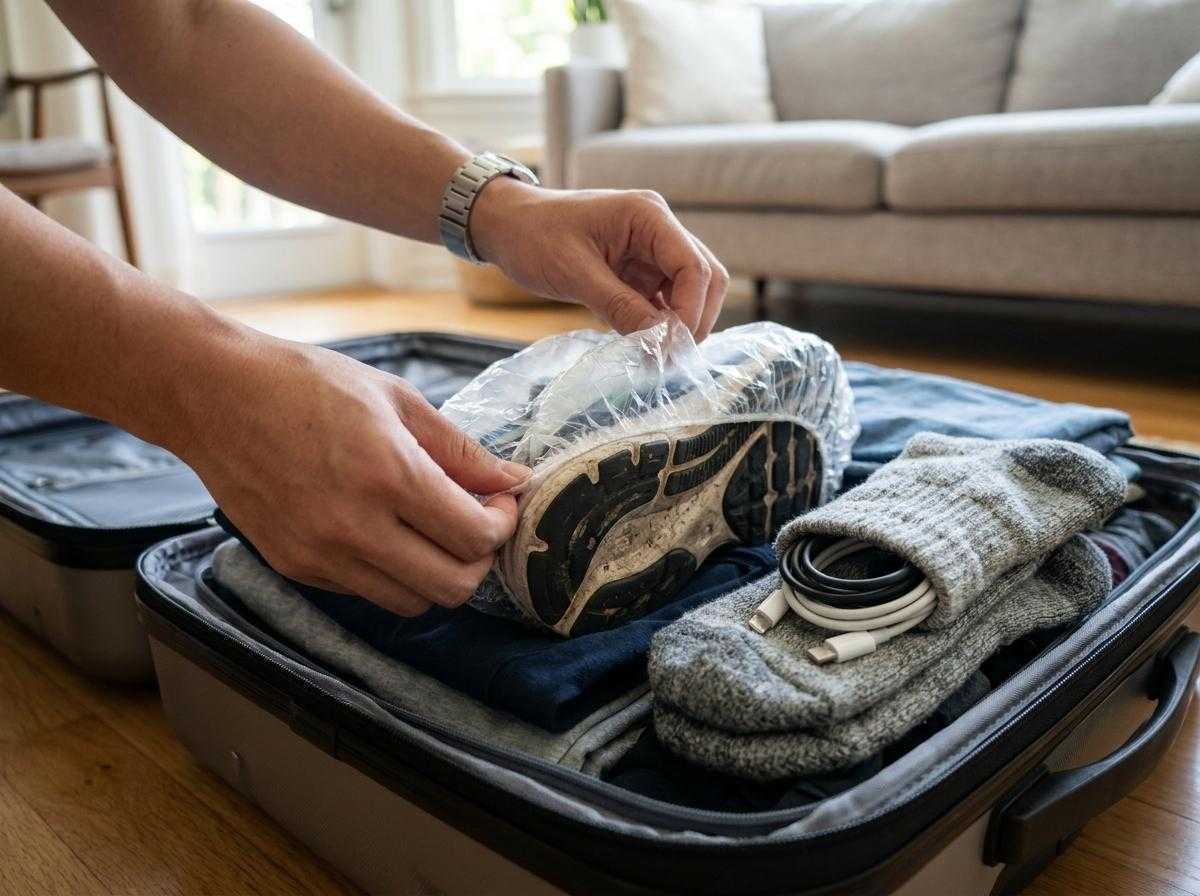
Chargers and cables tangle the second you shove them in a bag. Roll them up and slip them into a thick sock to prevent knots and keep things neat. Slide shoes into the disposable shower caps hotels provide to keep dirt off your clothes. And pack a few zip-top bags—they’re lightweight and endlessly useful for wet swimsuits, liquids, or protecting your phone in a surprise rainstorm.
Rolling clothes instead of folding them flat can free up over 30% more space—something many travel creators and packing communities have proven. Rolling also reduces wrinkles and makes it easy to pull out a single item without emptying your whole bag, which long-term travelers especially love.
Pack your belt by rolling it and tucking it along the inside of a dress shirt’s collar so the collar keeps its shape and the belt stays tidy. And to avoid rummaging through a big suitcase after a long flight, put the toiletries you’ll need that first day in a small pouch and keep it in your carry-on or backpack.
Most airlines allow power banks in carry-on luggage up to 100 Wh (watt-hours). To check your battery’s rating, multiply the listed capacity in mAh by the voltage (V) and divide by 1,000 to get Wh. Always confirm before you fly—security may confiscate batteries that exceed the limit.
Old T-shirts that work around the house
Once you’ve used a T-shirt as a suitcase cover—or if you have worn-out shirts gathering dust—you’ll find they’re surprisingly handy around the home.
For cleaning, cut a cotton T-shirt into rags to wipe appliances, furniture, and blind slats—these often perform as well as commercial cleaning cloths. They’re excellent for screens prone to static, like monitors and TVs, and they’re washable and reusable, which beats disposable wipes. Use a white cotton T-shirt instead of newspaper to clean windows and avoid ink smudges; the fabric’s absorbency helps remove water marks, too. A soft cotton shirt can even buff leather shoes or sneakers to a shine, much like store-bought shoe cloths.


T-shirts also shine in DIY and decor projects. Line the bottom of a planter with cut T-shirt pieces instead of gravel to stop soil from slipping through drainage holes while keeping airflow. Turn a thick T-shirt inside out, tie or stitch the bottom, and you’ve got a quirky fabric planter perfect for small succulents or as a decorative touch. Cut a T-shirt into long strips and braid them to make sturdy ties for plant stems, parcel bundling, or camping guy lines.
Old T-shirts are handy for pets and kids
Pet owners can knot an old T-shirt into a tug toy for dogs. Roll a shirt into a round pad and it becomes a cozy nap blanket for cats or small dogs. Many owners report that a shirt carrying their scent can help ease a pet’s separation anxiety.
Families with kids can use a large T-shirt as an instant art smock—no need to buy a separate apron, and you won’t stress over paint or glue stains.
A single worn T-shirt can help with packing, cleaning, and playtime. Before you toss it, consider one more practical use.

Sometimes useful for car care
If you wash your own car, an old cotton T-shirt can be handy. It won’t absorb as much as a microfiber towel designed for detailing, but it works well for wiping interior dust and for buffing after waxing. Trying a T-shirt before buying specialty car-care products can save you money.
One caution: shirts with zippers, metal trims, or heavy prints can scratch paint. For car use, choose plain sleeveless or basic T-shirts without embellishments.
Which T-shirts are most useful?
You might wonder which shirts work best. Different materials suit different jobs, so knowing the differences helps.

For suitcase covers and cleaning rags, 100% cotton is best: it absorbs well and tolerates friction. Polyester blends tend to attract dust via static, so they’re less ideal for cleaning. For pet toys or nap pads, the fabric matters less, but avoid shirts with buttons or zippers that could hurt an animal. From an upcycling angle, this approach matters: South Korea discards an estimated several hundred thousand tons of clothing waste each year. As fast fashion drives more unused clothes into homes, finding one more use before throwing items away is one of the simplest ways to cut waste. South Korea’s Ministry of Environment encourages this kind of upcycling.
Organizing fans also suggest cutting old T-shirts into drawer dividers: fold thick cotton to size and stand it up to create simple partitions for socks or underwear, so you don’t need to buy separate drawer organizers.















Most Commented