
Translation result
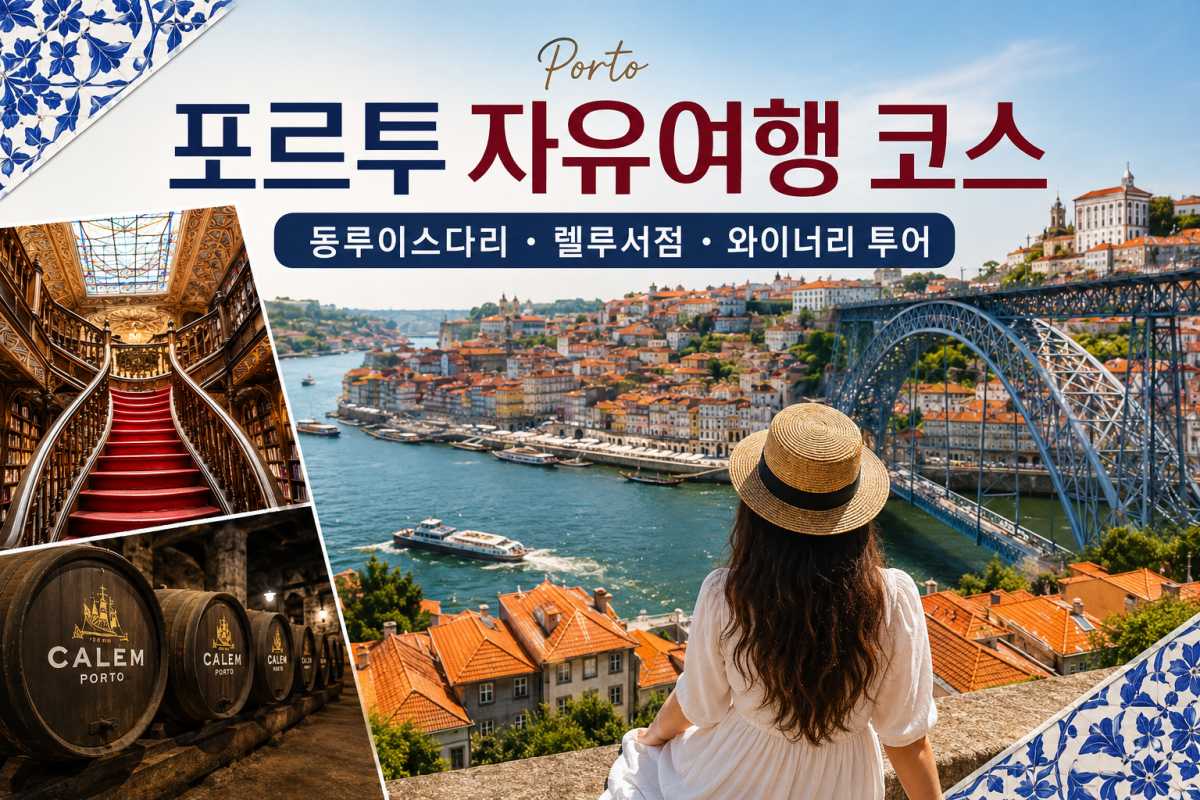
Porto, up in northern Portugal, perches on hills along the Douro River, its old red-roofed buildings stacked closely together. It’s smaller than Lisbon and wonderfully compact—perfect for exploring on foot so you can soak up the city’s charm without relying on public transit.
Once a major maritime trading hub, Porto’s riverside neighborhoods developed a rich culture and specialties tied to that history. Below are three essential stops for a self-guided Porto trip—what makes each one special and practical walking routes to connect them.
This is a city made for roaming. The waterfront vibe, shaped by centuries of river trade, pairs perfectly with Porto’s signature product: port wine. I’ve laid out the three can’t-miss spots and straightforward walking routes to help you get the most out of your visit.
Dom Luís I Bridge
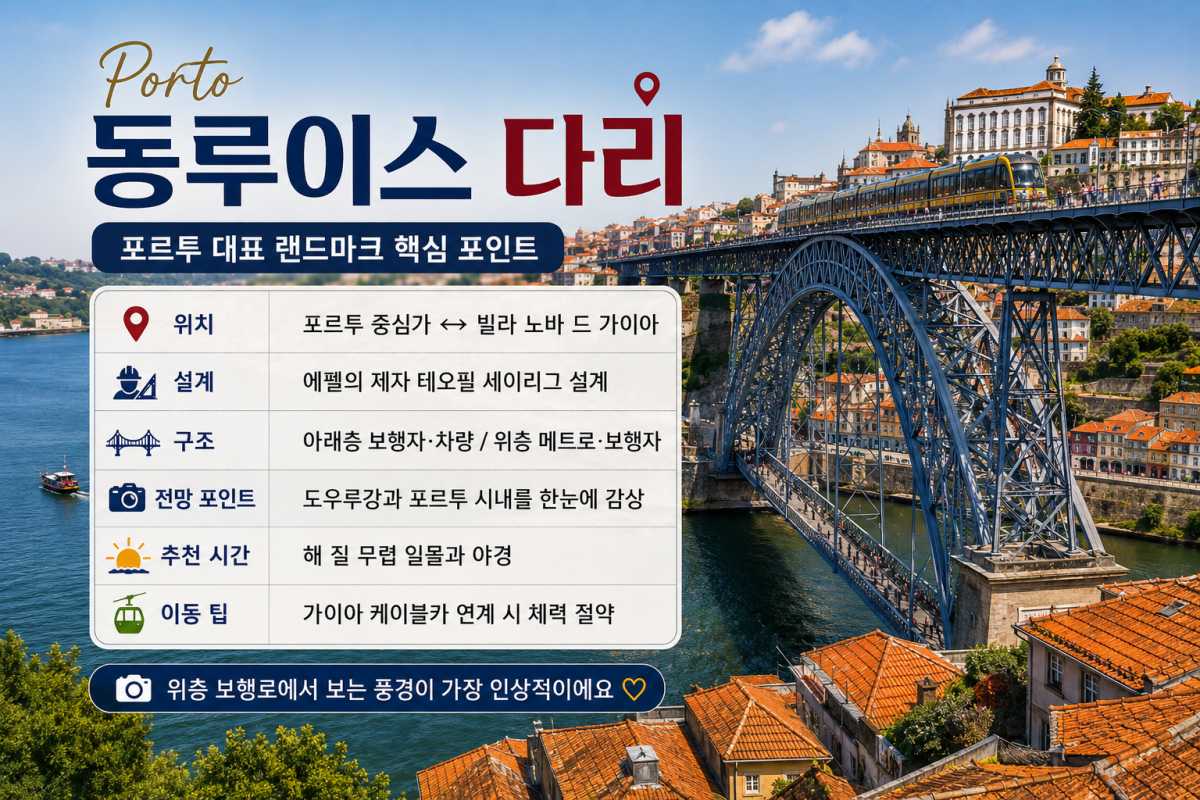
The Dom Luís I Bridge is Porto’s signature landmark, spanning the Douro to link the city center with Vila Nova de Gaia. Designed by Théophile Seyrig, a collaborator of Gustave Eiffel, the bridge’s steel arch is striking—and it’s built on two levels that both carry traffic.
The lower deck handles cars and pedestrians, while the upper deck carries the metro and also has a pedestrian walkway. Stroll the upper promenade for sweeping views over the Douro and the entire city.
Sunset is prime time here: the riverfront glows orange and the view is unforgettable. To avoid tiring climbs, use the Gaia cable car when tackling the hillside sections of your route.
Livraria Lello
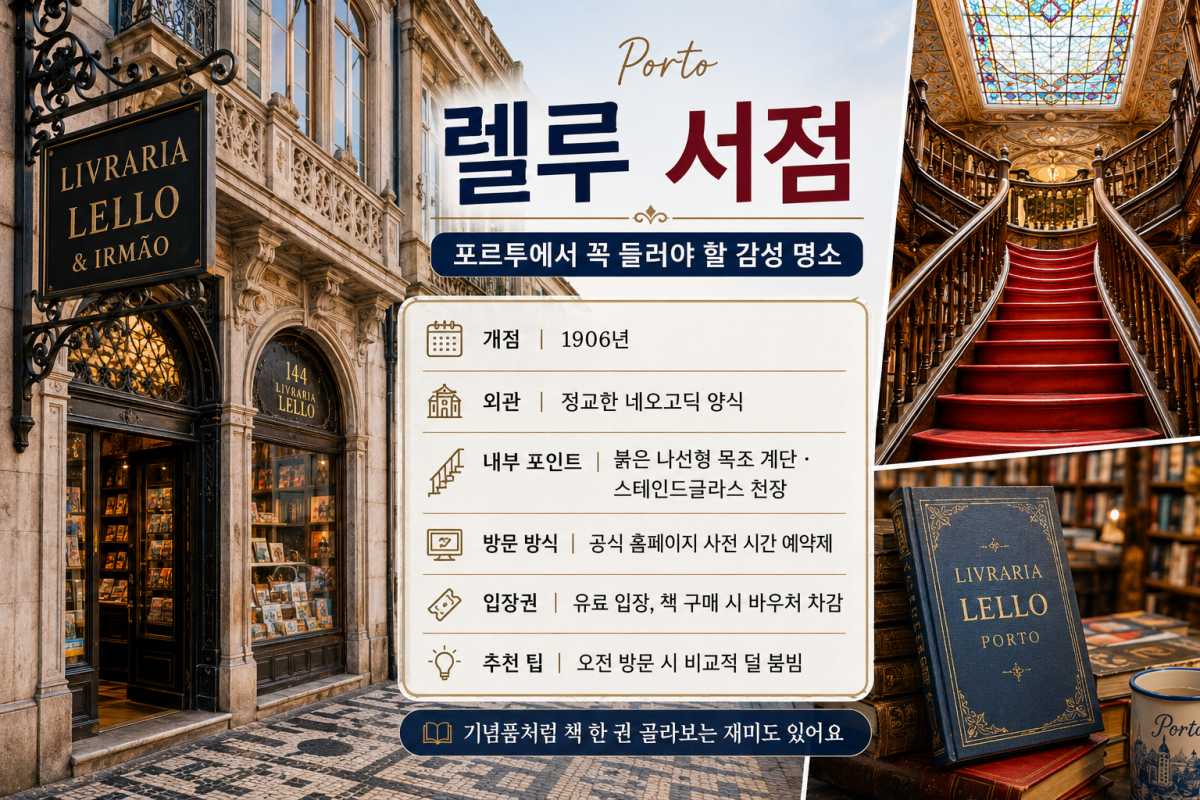
Opened in 1906, Livraria Lello is often named one of the world’s most beautiful bookstores. J.K. Rowling visited while living in Porto, and many say the shop’s dramatic staircases inspired scenes in the Harry Potter books.
The exterior shows intricate Neo-Gothic detailing. Inside, a vivid red spiral wooden staircase anchors the space and a large stained-glass ceiling draws your eye skyward.
Due to heavy tourism, the bookstore now uses timed online reservations and charges an entry fee to ensure a pleasant visit. The ticket acts as a voucher toward an in-store book purchase—so splurge on a book as a stylish souvenir.
Gaia winery tours
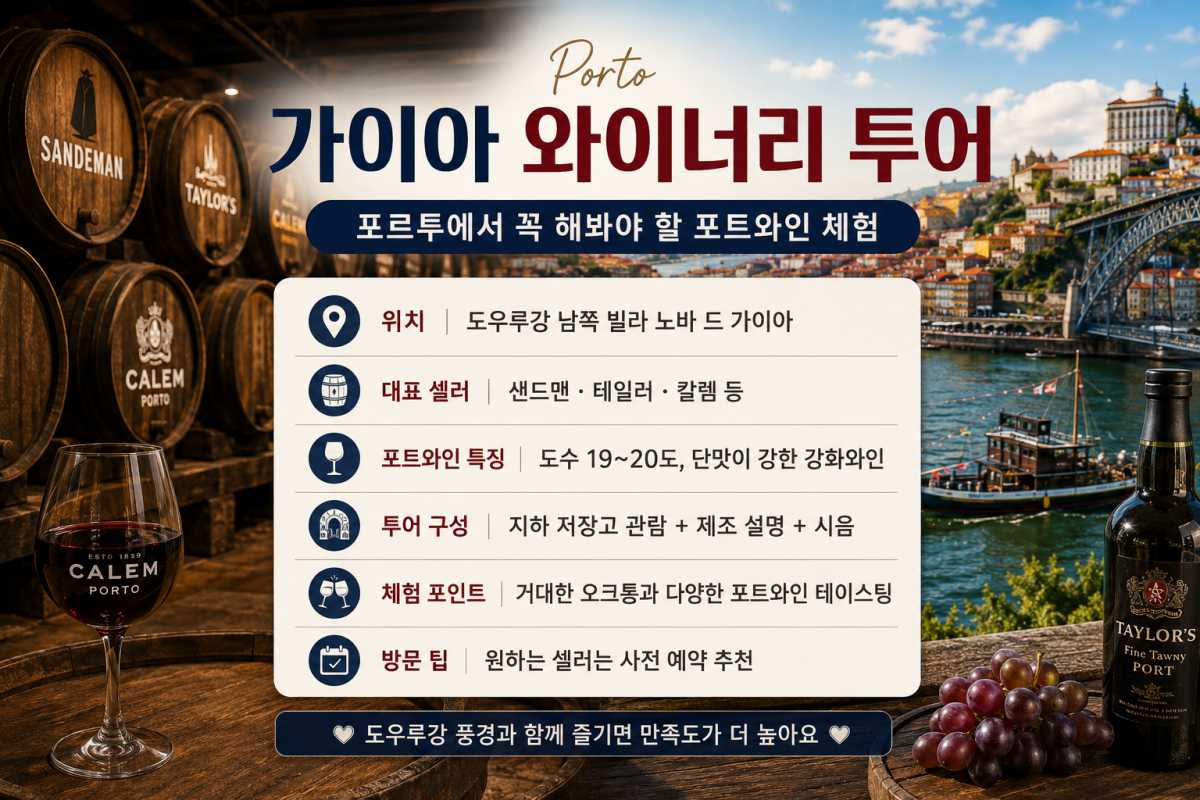
On the southern bank of the Douro, Vila Nova de Gaia is packed with centuries-old wine cellars. Porto’s signature port wine developed here—grapes from upriver were ferried down the Douro on traditional rabelos and aged on this bank.
Port wine is fortified with brandy during fermentation, pushing alcohol up to roughly 19–20% ABV and creating its characteristic sweetness. Book a tour at a cellar like Sandeman, Taylor’s, or Cálem to see underground aging rooms lined with giant oak barrels and learn the story and production steps up close.
Most tours end with a tasting where you sample several grades of port—an ideal, delicious way to dive into local food culture.
Porto walking route
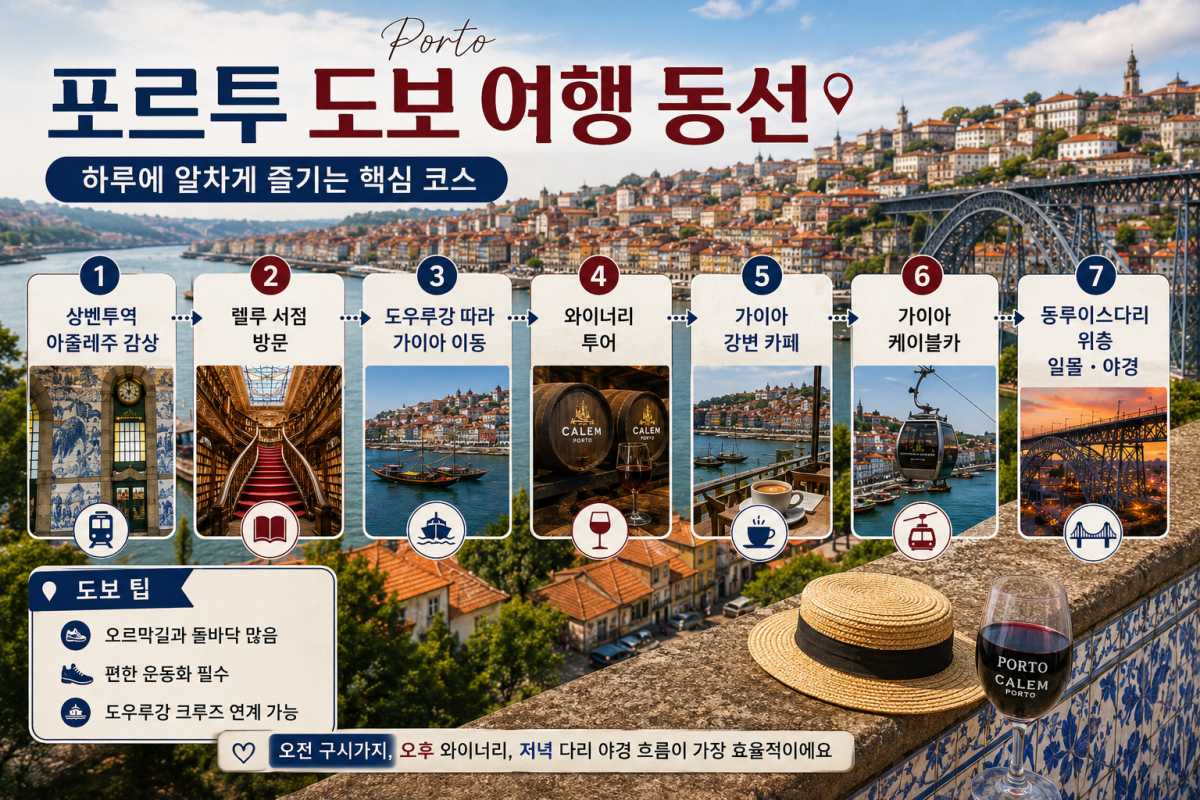
Porto’s streets are steep and many are paved with slick stone, so comfortable sneakers are a must. To make the most of a one-day plan, start early at São Bento station to admire the azulejo tile murals before the crowds arrive, then head to Livraria Lello.
In the afternoon, cross the Douro to Gaia for your pre-booked winery tour, then unwind at a riverside café.
End the day by riding the Gaia cable car up and walking the upper level of the Dom Luís I Bridge at sunset to watch the golden sky and city lights. That order keeps your route efficient and lets you savor Porto without backtracking. If you’d like, Douro River cruise boats are also easy to catch on site for a scenic add-on.














Most Commented