
Translation result
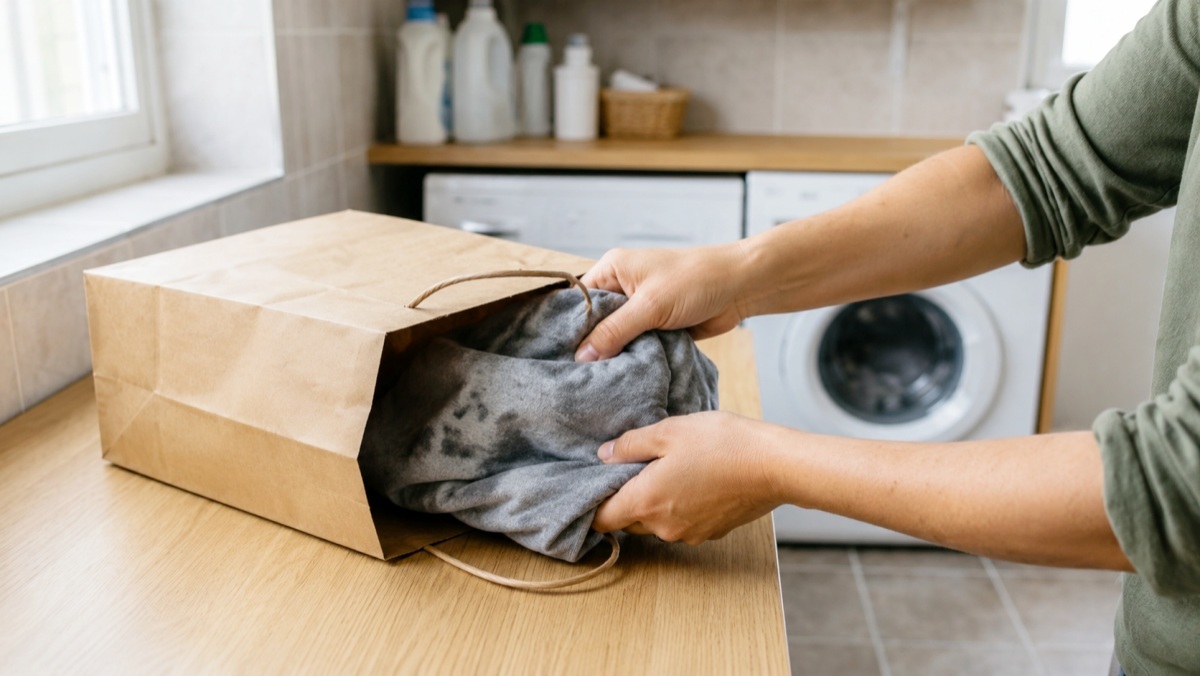
When clothes are still damp before you head out, many people reach for a hair dryer. But if the washer has already spun them and they remain moist, it’s smarter to give the moisture a way out before blasting with heat. Clever use of a paper bag, a towel and an empty plastic bottle at home can shave minutes off drying time.
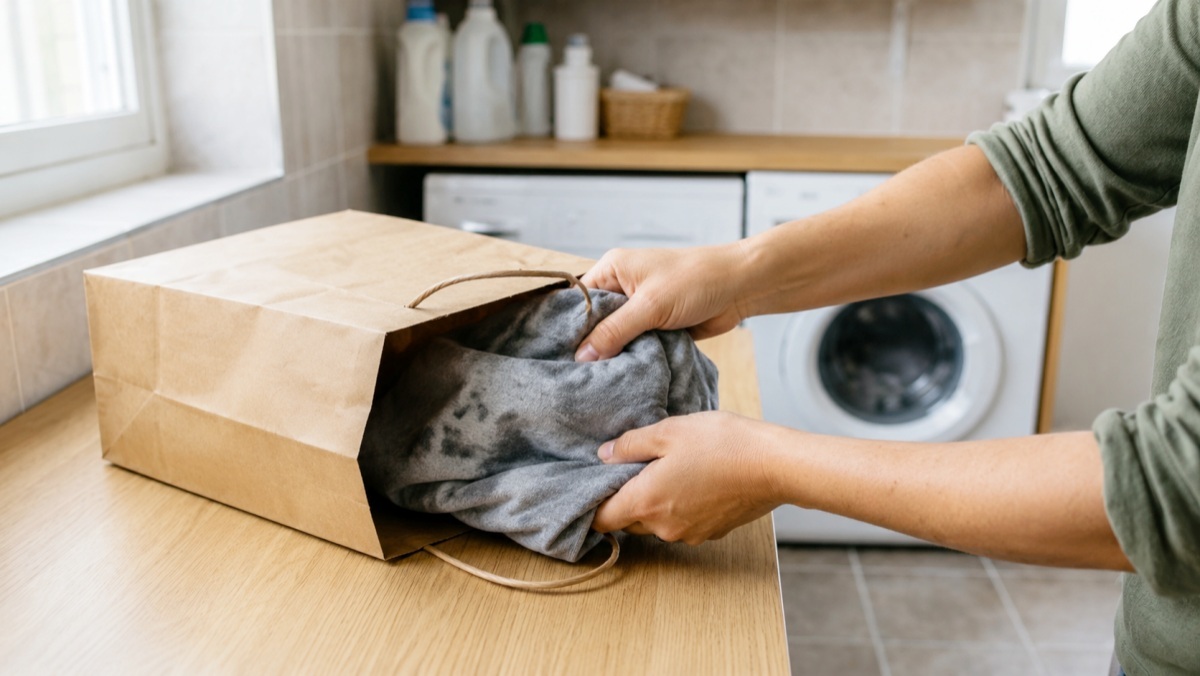
How to speed-dry clothes with a paper bag
One simple trick pairs a paper bag with a hair dryer. It’s useful for quickly drying lightweight items—T-shirts, shirts, socks or underwear. The goal isn’t to douse the fabric in hot air but to trap warm air inside the bag while providing vents for moisture to escape.
Begin with a thick, sturdy paper bag. Use scissors to cut several small vents near the bottom or along a side. Those openings let moisture and hot air escape. Without vents, humidity builds inside the bag and the dryer’s temperature can spike — risking a malfunction or bag deformation — so making holes is essential.
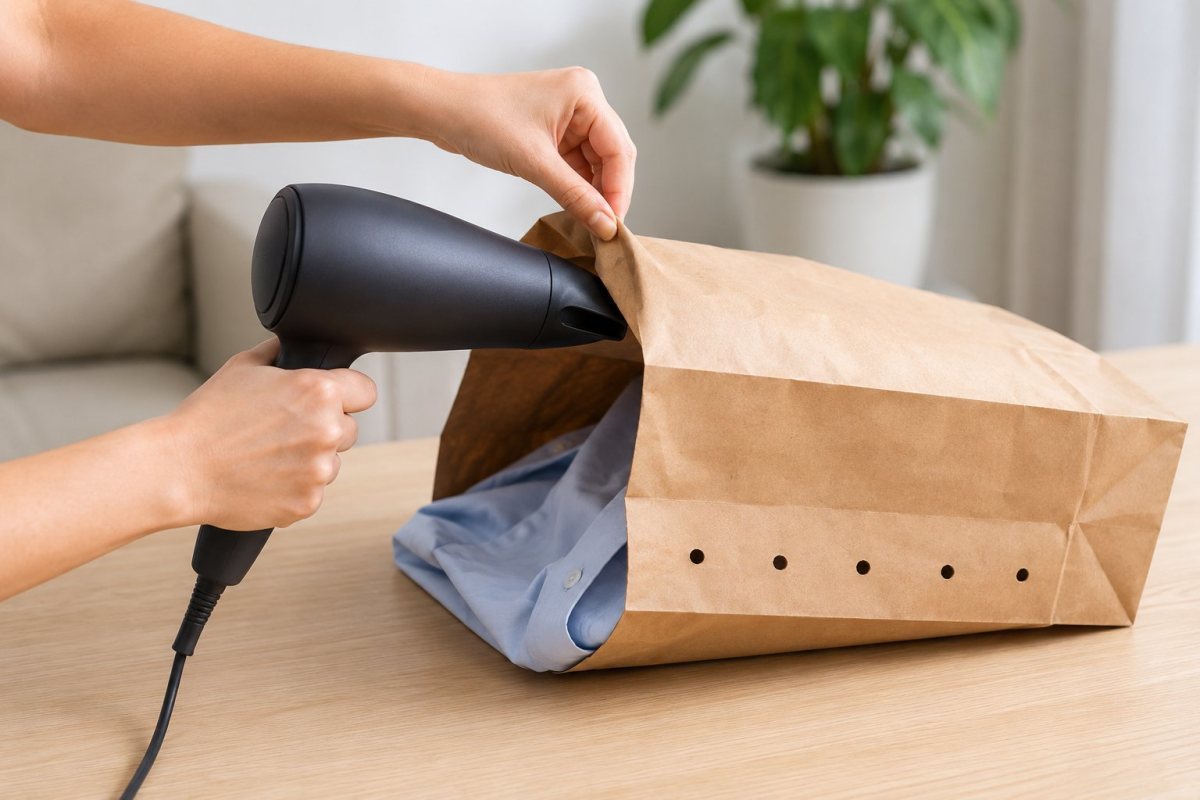
After you cut the vents, spread the damp garments so they don’t clump and place them in the paper bag. The items should not be dripping; a washer spin cycle or a single wring is enough. That helps keep the bag from getting soggy. If clothes bunch together, less fabric is exposed to air and drying slows. Lay items flat and avoid overlapping thick sections. Next, insert the hair dryer nozzle into the bag opening, seal any remaining gap with your hand so warm air doesn’t escape upward, and run the dryer on hot and high.
While the dryer runs, gently shake the bag so fabric doesn’t pool on one side. As the clothes shift, hot air reaches more surfaces. Small items such as socks or underwear tend to clump, so shake the bag occasionally to expose different faces to the airflow. Never leave the dryer running unattended; watch the bag and the dryer’s temperature and finish quickly.
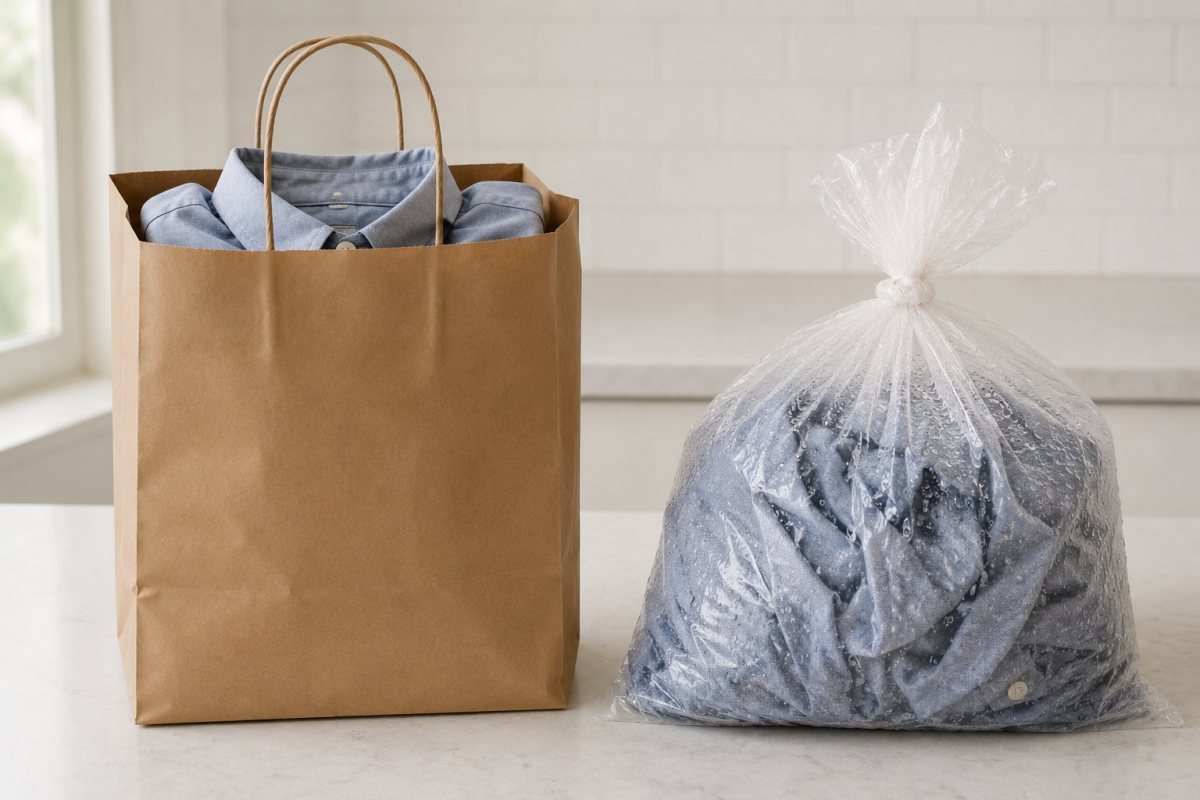
The reason to use a paper bag instead of a plastic one comes down to material. Plastic bags are nearly airtight and don’t let air or moisture pass through. If you blow hot air into a plastic bag, the internal temperature rises but moisture can’t escape, forming droplets on the bag’s inside. That condensation can make clothes damp again. Paper bags, by contrast, have tiny pores that absorb and release moisture and can hold warm air briefly, acting like a small oven.
Be clear about the risks. If the dryer’s high-heat nozzle stays in contact with the paper wall or the clothing too long, it can cause a fire or damage fabrics. Keep a gap between the nozzle and the contents. Avoid this method for heat-sensitive materials like silk, fine knits or technical sportswear. Apply the technique briefly only to light cotton or blended garments. Choose a thick paper bag that keeps its shape rather than a very thin or heavily coated one.
One dry towel in the dryer
Even with a dryer, a large wet load takes time and electricity. When your load is small or moderate, toss one dry towel into the dryer with the wet clothes to shorten total drying time. It’s simple, requires no extra tools, and is easy to use in daily life.
The trick works through moisture absorption and friction. A completely dry, thick cotton towel collides with wet garments as the dryer starts and soaks up surface moisture. As the dryer lowers interior humidity, water on the clothes evaporates faster. With the towel sharing some of the moisture, warm air speeds overall evaporation.
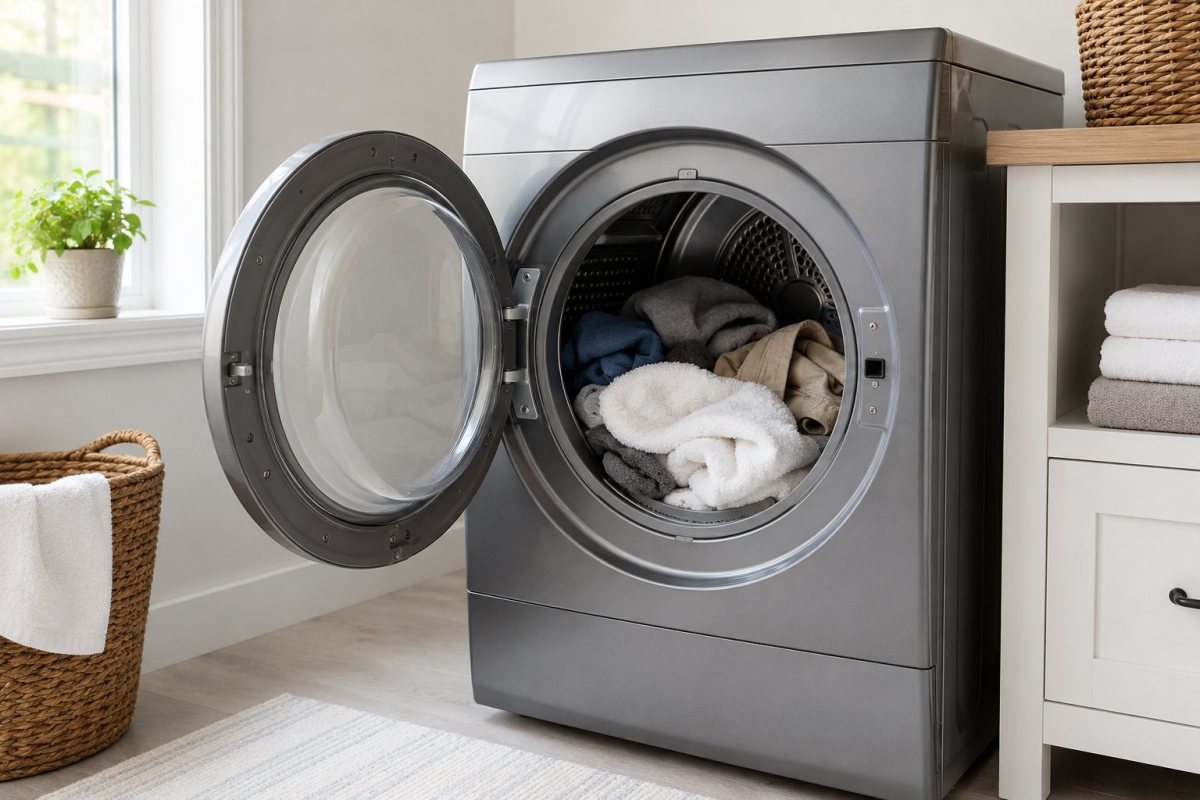
This tip doesn’t just cut drying time. The longer clothes stay in a hot dryer, the more fibers can shrink or wear. Adding a dry towel reduces run time, so fabrics spend less time exposed to heat and sustain less damage. You’ll also save electricity because the dryer runs for a shorter period.
But don’t toss in just any towel. Old towels that shed lots of lint can leave fibers on other items. Pick a tightly woven, clean cotton towel. When drying dark clothes, avoid a white towel that makes lint more visible; match the towel color to the load. And if the towel itself is damp, it won’t absorb moisture—always use a fully dry towel.
Wring out moisture first with a towel
If your washer’s spin is weak or you hand-washed items and water still drips, remove moisture with a towel before applying heat. Drying thoroughly wet items takes much longer. The towel-roll method—wrapping garments in a dry towel and rolling like a sushi roll—helps here.
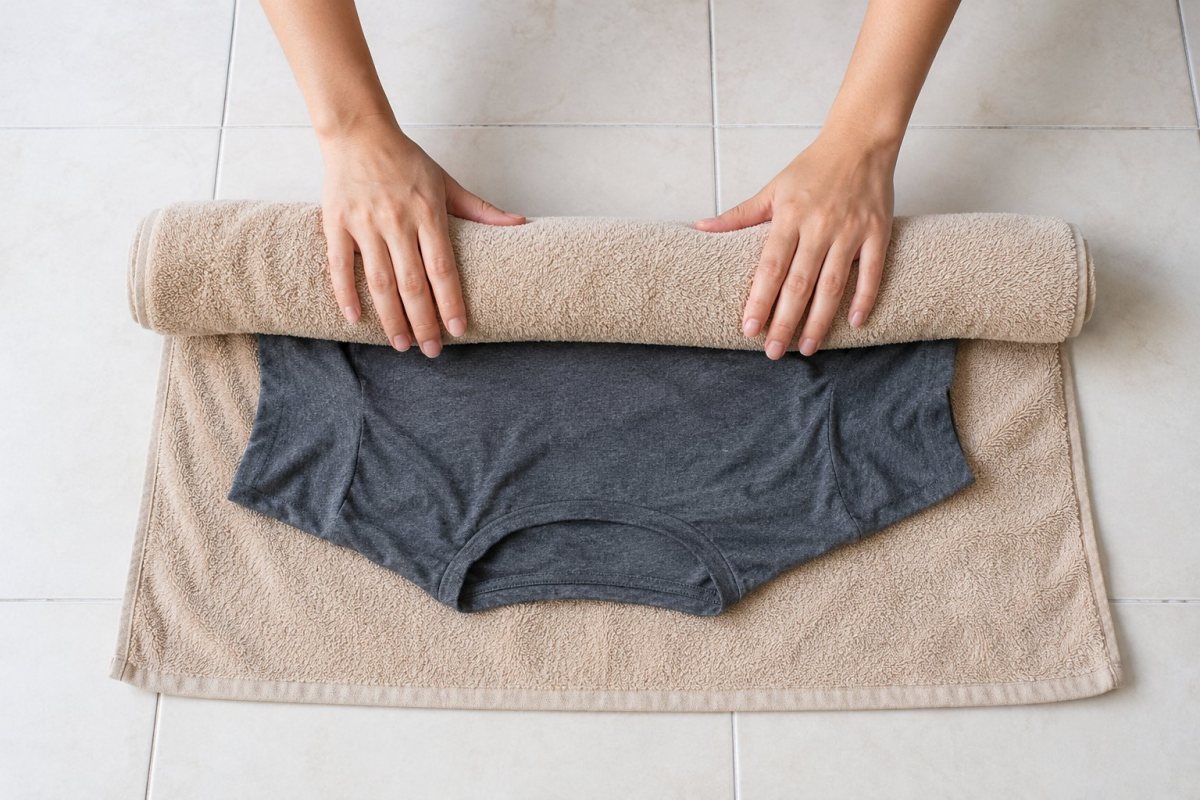
The technique is simple. Lay a dry towel flat, place the garment on it without overlapping, then wrap the clothing tightly and roll it up. Leave the roll on the floor and press down with your body weight, stepping on it firmly to squeeze moisture into the towel.
This method stresses the fabric less than twisting by hand. Strong twisting can distort fibers or open seams. Pressing downward inside the towel transfers internal moisture into the dry towel while maintaining the garment’s shape. The cotton towel’s capillary action plus pressure removes a surprising amount of water quickly. Clothes treated this way move from dripping to merely damp, which speeds subsequent air drying or time in the dryer.
Adjust pressure by material. Don’t use this on padded outerwear, fur-trimmed pieces, wired bras or heavily decorated garments; stepping on them can clump fillings or damage attachments. Reserve the method for everyday items with a sturdy weave and good recovery—T-shirts, socks and jeans. When you step on the roll, avoid shoes with sharp soles; stand barefoot or in socks and apply pressure gently. That prevents shoe dirt from transferring to the towel and then to the clothes. Distribute your weight across the whole roll rather than focusing on one spot for the best moisture removal.
Make airflow channels with a plastic bottle and a hanger
If you can’t use drying machines or want to speed up natural air drying, create airflow through the garment. When wet clothes stay plastered together, moisture lingers inside fibers and can cause unpleasant odors. A wire laundry hanger and an empty plastic bottle can help.
Cut an oval or cross-shaped opening in the neck or side of an empty bottle with scissors or a knife. Fit those slits onto both ends of a wire hanger and secure them. When the bottles sit like wings on each end of the hanger, hang a T-shirt, sweatshirt or shirt over them on the drying rack. The front and back of the garment will separate and create an internal space.
The benefit comes from the airflow channel inside the garment. Hanging wet clothes on a normal hanger makes the front and back stick together; that trapped area dries slowly. Bottles on the hanger’s ends force the front and back apart by the bottle’s diameter, creating a tunnel that lets indoor air or a fan’s breeze reach the garment’s interior. Once air reaches inside, moisture evaporates faster.
A bottle-on-hanger also helps reduce shoulder deformation. Hanging wet knits or heavy cotton on a thin metal hanger can stretch the shoulders and create points. The bottle’s rounded, broad surface supports the shoulder line and spreads weight, helping prevent shoulder marks during drying.
Check cleanliness and finish before use. Don’t use a bottle with leftover drink residue; it can stain laundry. Rinse and dry the bottle thoroughly first. Cover or fold any sharp cut edges with tape so the fabric doesn’t touch them directly. Delicate fabrics or silk can snag or tear if they catch on a sharp edge.
The core of drying laundry is airflow
You don’t need an expensive new appliance to speed up drying—using the right properties of items around the house can help. Paper bags draw moisture out while holding warm air; dry towels absorb water early; bottle-hangers create air channels inside garments. The techniques differ, but they all focus on widening the paths moisture can take to escape.
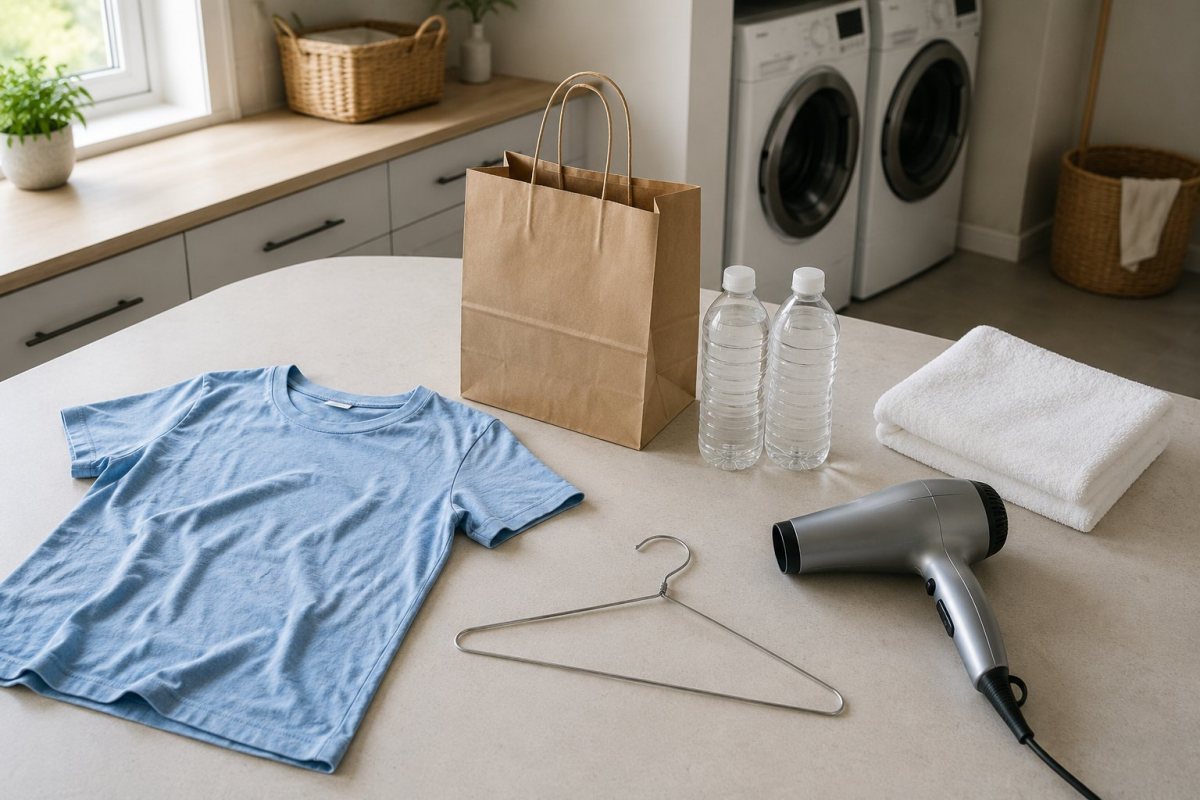
These approaches are especially useful in high indoor humidity or cooler weather when natural evaporation slows. Not every method suits every fabric—check whether a material tolerates heat, pressure or embellishments and choose accordingly. With the right match, you can cut drying time and reduce fabric damage.
Household items like paper bags, towels and plastic bottles can become effective laundry aids with small changes in how you use them. For a single urgent item, use a paper bag and hair dryer; for a large load, add a dry towel to the dryer; for air drying, try the bottle-hanger trick. The crucial point is not to blast hot air endlessly, but to remove as much moisture as possible first and then create airflow so the remaining dampness can escape.












Most Commented