
Translation result
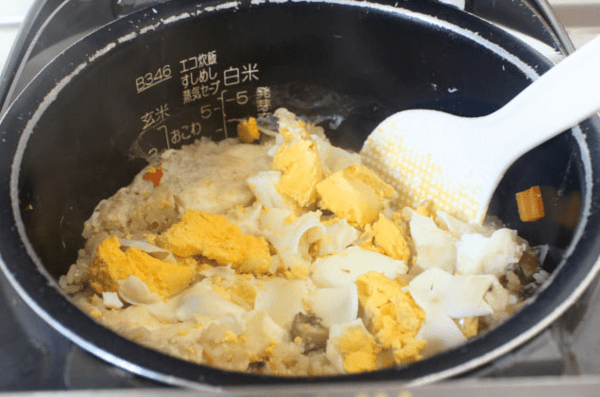
Potatoes are a kitchen staple, but during the new potato season in May and June their flavor and texture can change dramatically. New potatoes are juicy with a silky, starchy bite—so good steamed or roasted you hardly need to dress them up. Lately, social media and home-cooking feeds have been buzzing about a revival: potato rice, which is rice cooked together with potatoes.
Home cooks typically cut the potatoes into bite-sized pieces, add them to the rice, then finish the bowl with a simple sauce of sesame oil, soy sauce, and sesame seeds. That method has really taken off online. Viewers have responded with comments like, “It’s simple but oddly addictive,” “Keeps me full for hours,” and “The potato’s texture pairs perfectly with rice.”
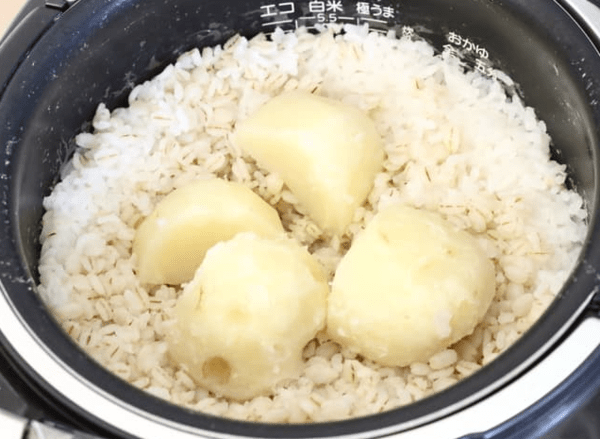
Why does potato rice feel so filling?
One major reason potato rice has caught on is how surprisingly satisfying it is. Potatoes hold a lot of water and contain dietary fiber, so when you eat them with rice the meal feels more substantial. Adding potatoes can make the same portion of rice feel like more, which is why people often recommend it for portion-control or comfort-food plans.
Potatoes also introduce more texture than plain white rice, which can boost overall meal enjoyment. Many say the potato’s soft but slightly crumbly mouthfeel blends with rice to create a mellow, comforting taste.
Potatoes often come up in conversations about potassium and vitamin C
People often write off potatoes as just carbs, but they show up in nutrition discussions quite a bit. They’re relatively high in potassium, a mineral frequently mentioned for balancing sodium and supporting healthy blood pressure.
Potatoes also contain vitamin C; while some is lost during cooking, their starch structure helps preserve more than you might expect. Experts also point to dietary fiber and resistant starch in potatoes, which may support gut health and help maintain a feeling of fullness.
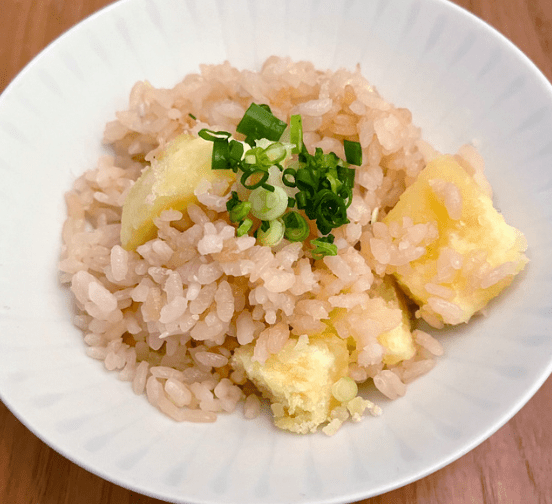
How do you make potato rice taste great?
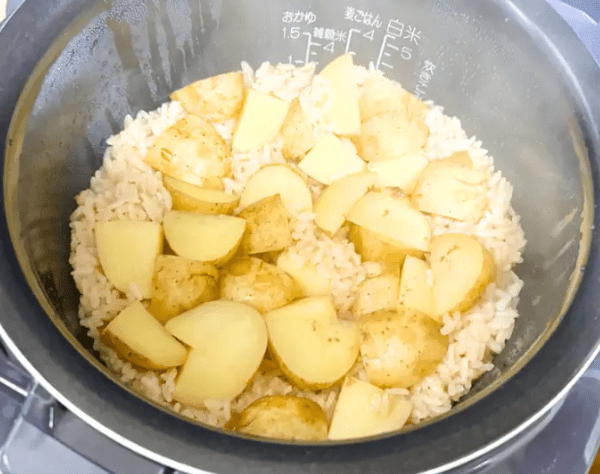
Potato rice is ridiculously easy to make. Wash the potatoes, leave the skins on or peel them, and cut them into bite-sized chunks. Lay them on top of the rice and cook as you normally would. Many people add a piece of kombu (kelp) to the pot for extra umami.
When the rice is done, the sauce pulls everything together: soy sauce, sesame oil, sesame seeds, and thinly sliced scallions are all you need. Some folks add a little cheongyang chile for heat or a tiny pat of butter to enrich the flavor.
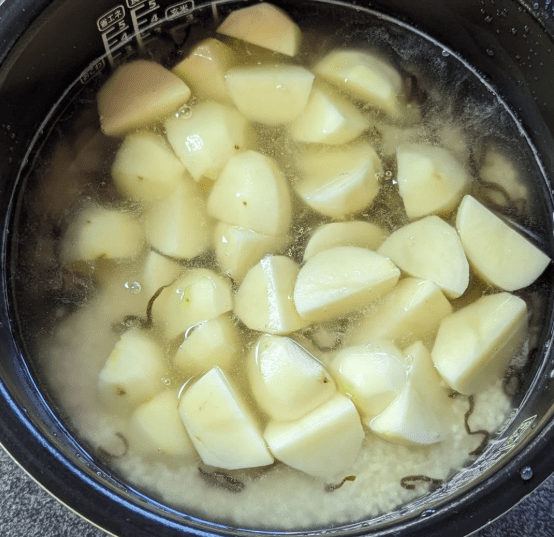
Why potato rice is gaining popularity as a comfort home dish
Part of the trend is its cozy, unpretentious vibe. On social media, simple seasonal recipes often outshine more elaborate dishes, and potato rice fits perfectly into that movement.
It uses inexpensive, minimal ingredients yet delivers real satisfaction and long-lasting fullness, so it’s drawing interest from people living alone and middle-aged home cooks alike. Many also say the potato’s gentle flavor “settles the stomach.”
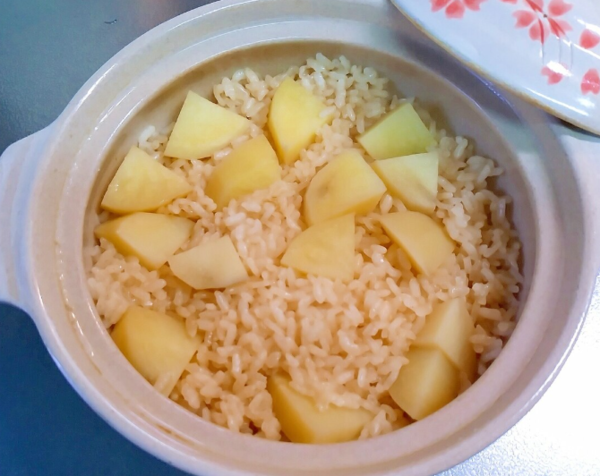
Potato rice recipes have already become a hit in Korea
Cooking YouTube channels and social media creators in Korea have been posting potato rice videos that rack up views. In one case, a home-cooking creator used new potatoes and viewers left comments like, “I could eat two bowls with just the sauce” and “It really tastes like grandma’s home cooking.”
Online reactions kept rolling in with lines like “Potatoes are best eaten with rice,” “I keep reaching for it because of the texture,” and “It’s surprisingly filling—could even work for a diet plan.”











Most Commented