
Translation result
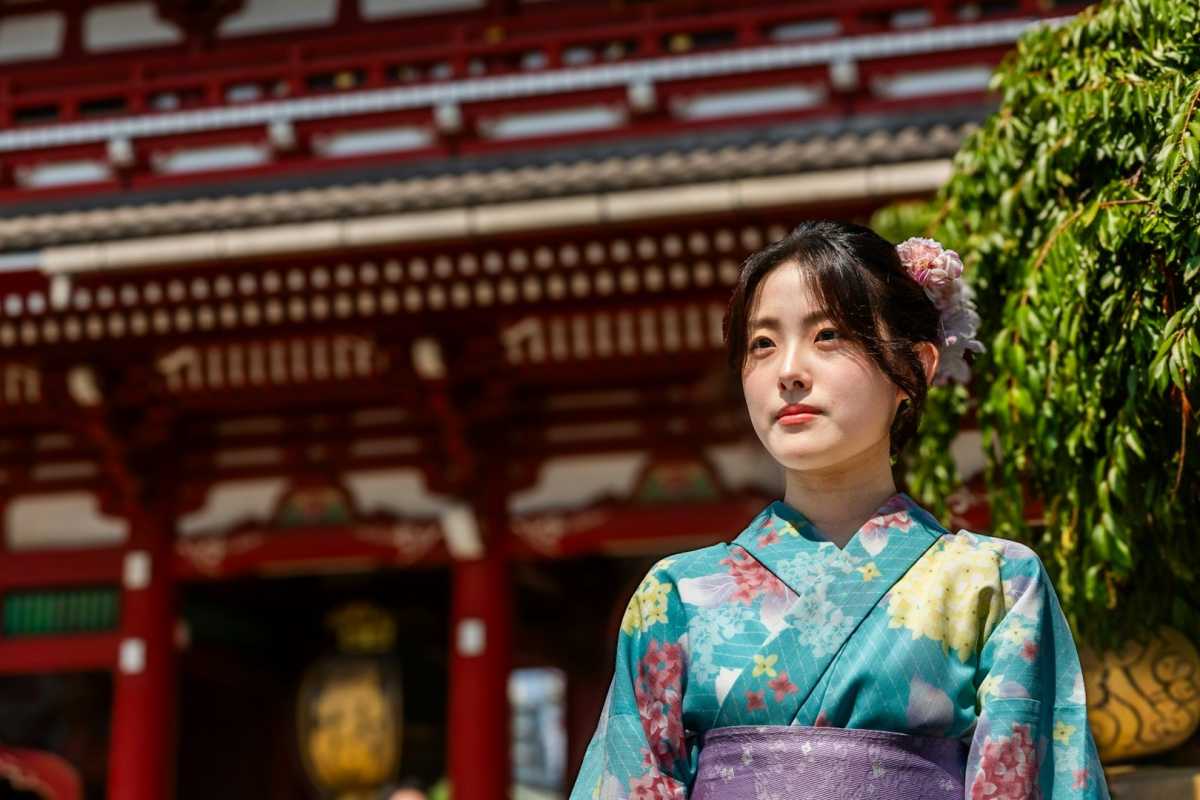
Summer in Japan is the season for unforgettable moments. Matsuri festivals turn the oppressive heat into an electrifying frenzy that takes over towns and cities. In July and August especially, communities across the country throw large-scale celebrations that trace back centuries.
Here’s a stylish primer on the three biggest, most crowd-pulling festivals: Osaka’s Tenjin Matsuri, Kyoto’s Gion Matsuri, and Tokyo’s Kanda Matsuri.
Features of Japan’s Summer Festivals
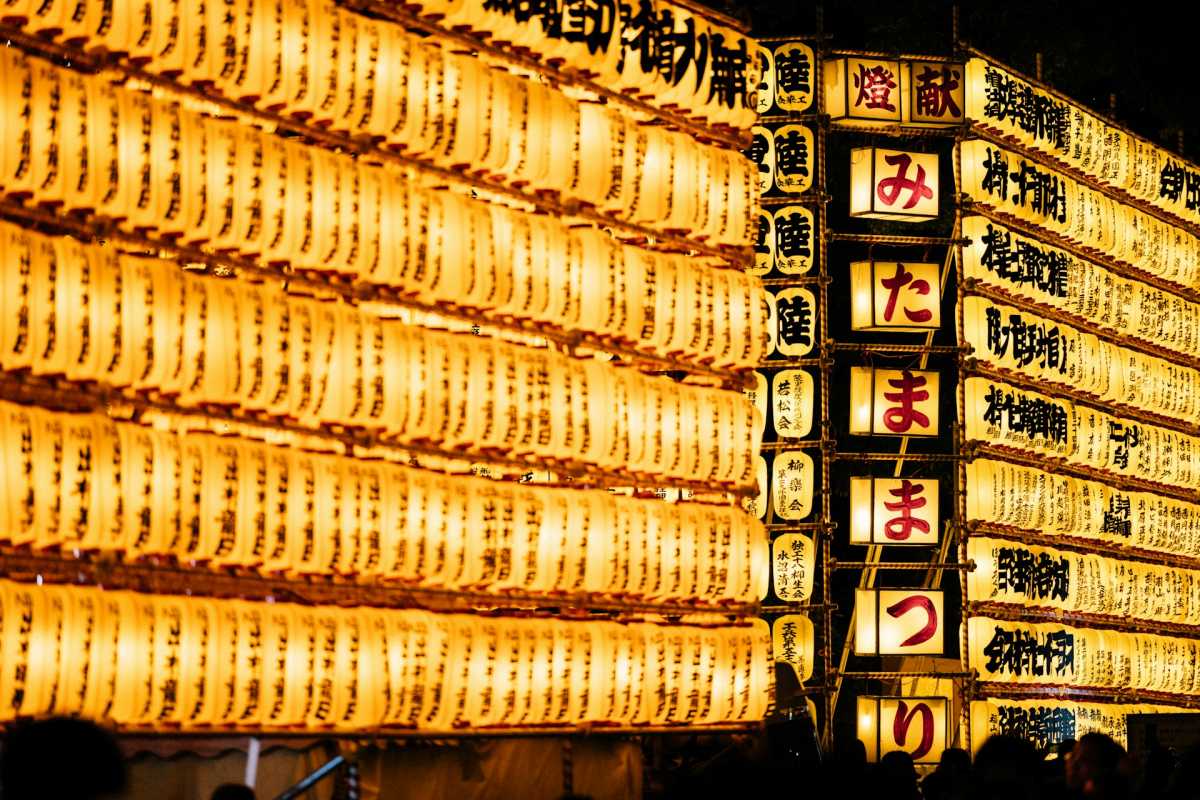
Many summer matsuri began as rituals to ward off epidemics and to pray for a safe passage through the sweltering months. Streets fill with people in colorful yukata, while long lines of yatai food stalls sell takoyaki, yakisoba, and other festival treats.
One of the most iconic sights is groups carrying mikoshi—portable shrines—marching through the streets to boisterous chants. For much of July, city centers transform into festival grounds buzzing with contagious energy.
Heads-up: Japan’s summers are no joke. Stay hydrated while you’re festival-hopping. Most vendors inside festival zones won’t accept cards, so bring plenty of small bills. And if you want a great spot for fireworks, arrive early—first come, best view.
Osaka Tenjin Matsuri
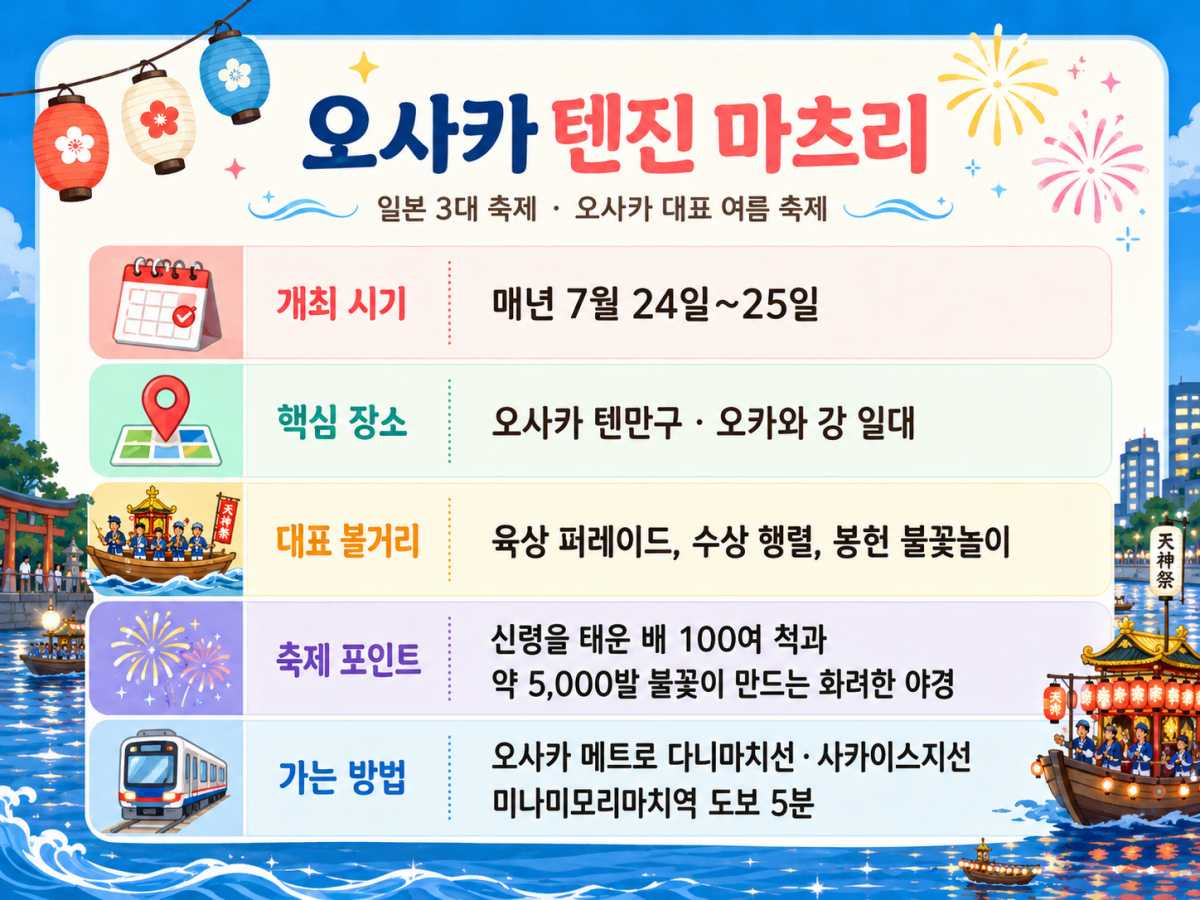
Osaka Tenjin Matsuri is a major summer highlight held every year on July 24 and 25, centered on Osaka Tenmangu Shrine, which has a history stretching back over a thousand years. The festival is set to run on the same dates in 2026.
The celebration features a land parade with thousands dressed in traditional garb, followed at dusk by a dramatic river procession on the Ota River. Around 100 boats carry the deities upriver while roughly 5,000 offering fireworks light up the night sky and reflect on the water.
The mix of fireworks, water, and the glow from the boats creates a truly breathtaking spectacle—one of Japan’s signature summer events. It’s about a five-minute walk from Minami-Morimachi Station on the Osaka Metro Tanimachi and Sakaisuji Lines.
Kyoto Gion Matsuri
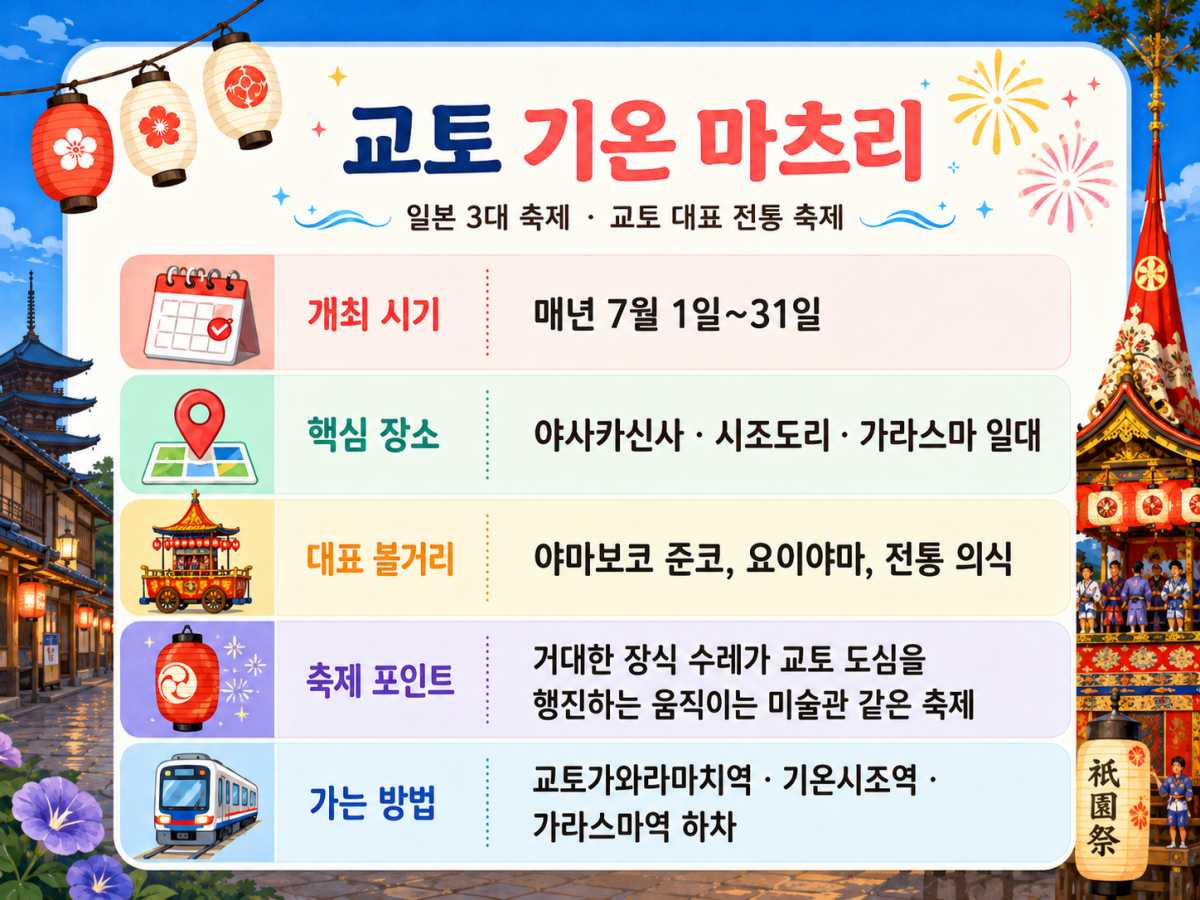
Gion Matsuri in Kyoto—rooted in the rituals of Yasaka Shrine—runs grandly across the city from July 1 to 31. Started in the late ninth century to confront a sweeping epidemic, it remains the most historically rich and largest of the three major festivals.
The event reaches its peak with the Yamaboko Junko float parades on July 17 and 24. Ornate floats—some towering as high as multi-story apartment buildings—roll through central Kyoto, their detailed craftsmanship and choreography drawing gasps from onlookers.
Often described as a moving art museum, Gion Matsuri is unparalleled in artistic value. It’s easy to visit via the Kyoto Municipal Subway, Hankyu, or Keihan lines—get off at Kyoto-Kawaramachi, Gion-Shijo, or Karasuma stations.
Tokyo Kanda Matsuri
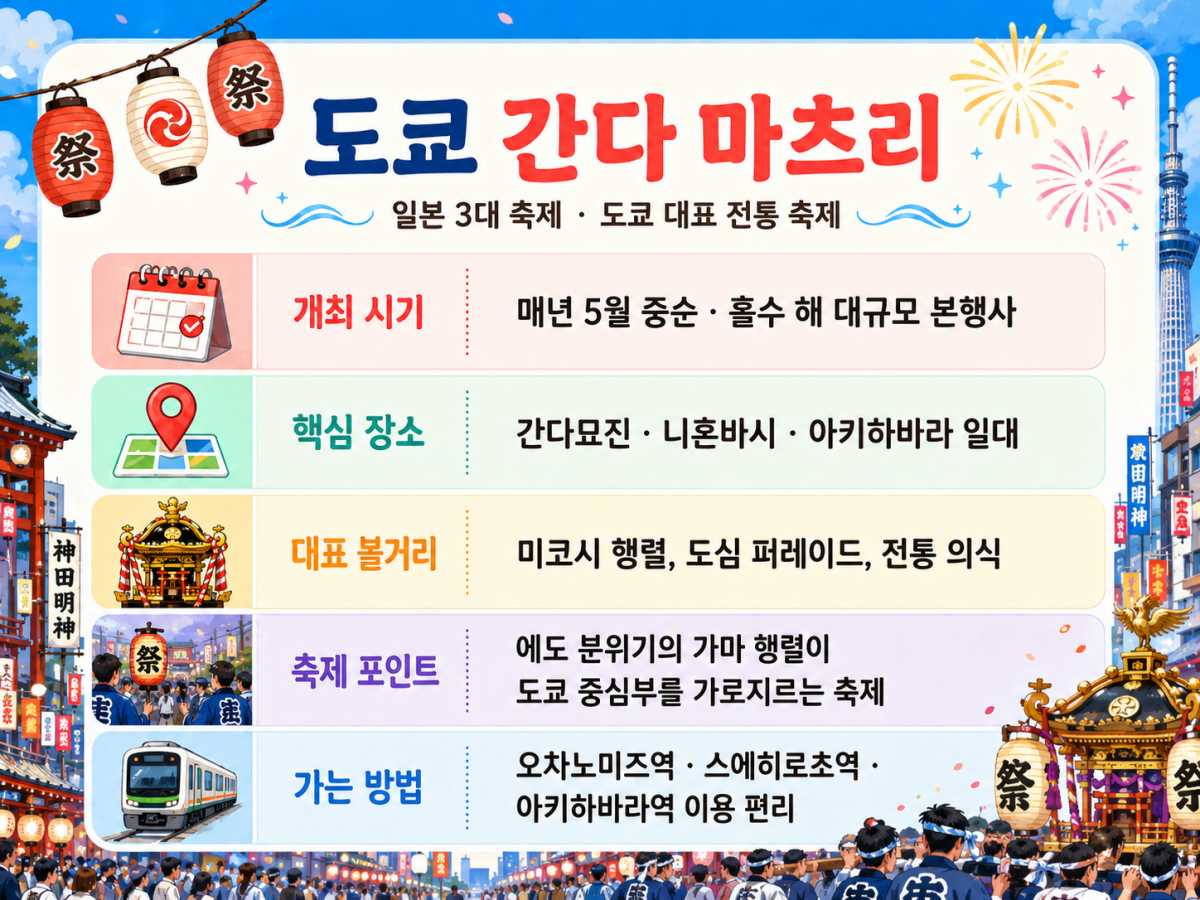
Kanda Matsuri in Tokyo is the earliest of the three big festivals. It starts on the weekend closest to May 15 and lasts about a week. Some 108 neighborhoods take part, parading hundreds of ornate mikoshi through central Tokyo neighborhoods like Kanda, Nihonbashi, Akihabara, and Otemachi.
The festival originates from Kanda Myojin Shrine ceremonies during the Edo period, when shoguns celebrated victories and prayed for the city’s prosperity. With superb access from central Tokyo areas such as Akihabara and Nihonbashi, Kanda Matsuri is a can’t-miss highlight if you’re in the city at that time.









Most Commented