
Translation result.
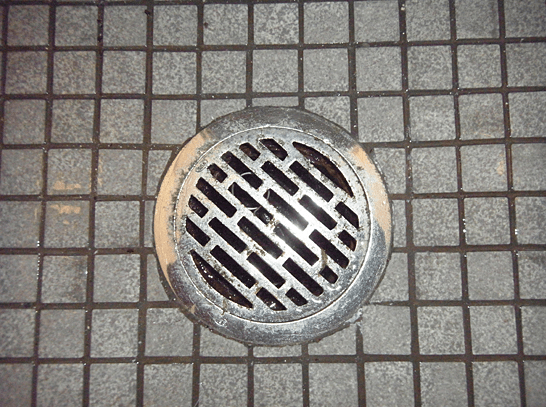
Even if you scrub your bathroom religiously, you can still miss spots
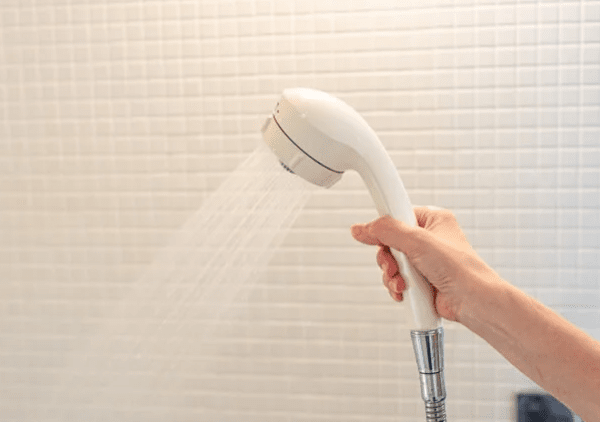
Most people zero in on sink faucets, toilets, and drains when thinking about bathroom hygiene because those areas show water stains and mold more easily. But experts say showerheads and the insides of shower hoses are surprisingly easy places for bacteria and buildup to take hold.
Even if a showerhead looks clean on the outside, trapped moisture and residual water can linger inside, creating a perfect environment for microbes to multiply. Some hygiene pros even warn that showering under a neglected showerhead can be like spraying contaminated water over your body.
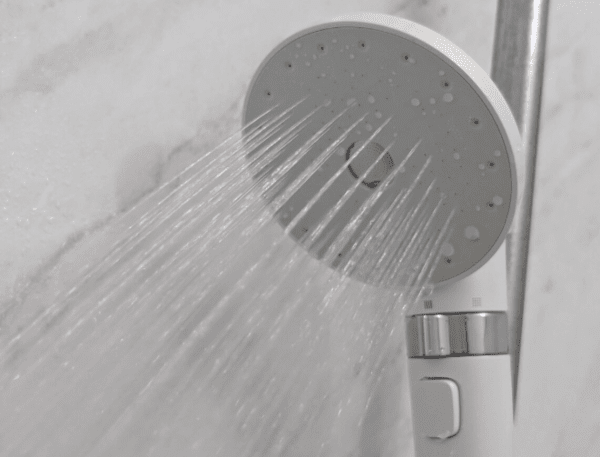
Why do showerheads harbor bacteria so easily?
Water runs through showerheads every day, but often some water remains trapped inside after use. Bathrooms are humid and subject to temperature swings, which creates ideal conditions for bacteria and mold to thrive. Add minerals from tap water, and limescale and other deposits start to form, which can clog the spray nozzles.
Those mineral deposits and residues give bacteria surfaces to cling to and spaces to grow. So even when the exterior looks spotless, unseen grime can accumulate inside the nozzle holes.
The inside of the shower hose is dirtier than you might think
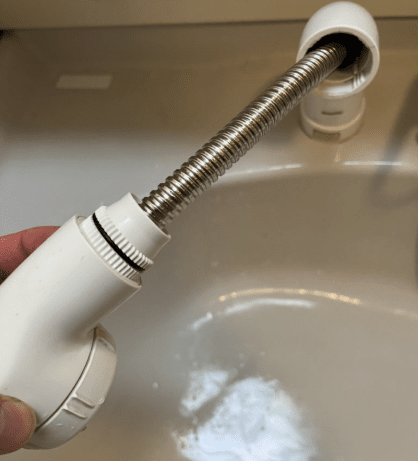
People often clean the head but forget the hose. Shower hoses can hold water for long periods, making their interiors vulnerable to contamination. Older hoses, in particular, are prone to buildup from mineral deposits and residue.
Experts recommend cleaning the hose on a regular schedule as part of good bathroom hygiene. Many cleaning services also stress hose cleaning when they advise on how often to replace showerheads.
You can tackle this easily with sodium percarbonate
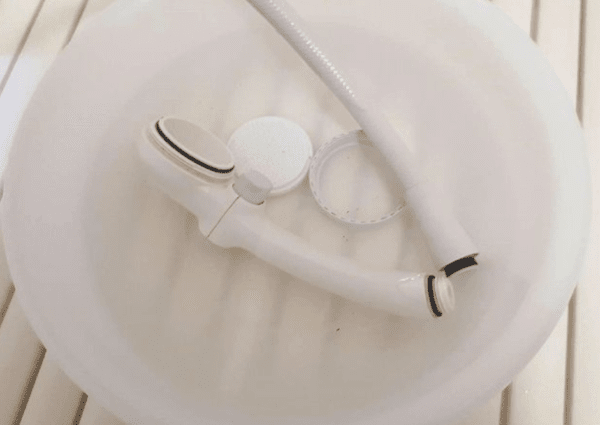
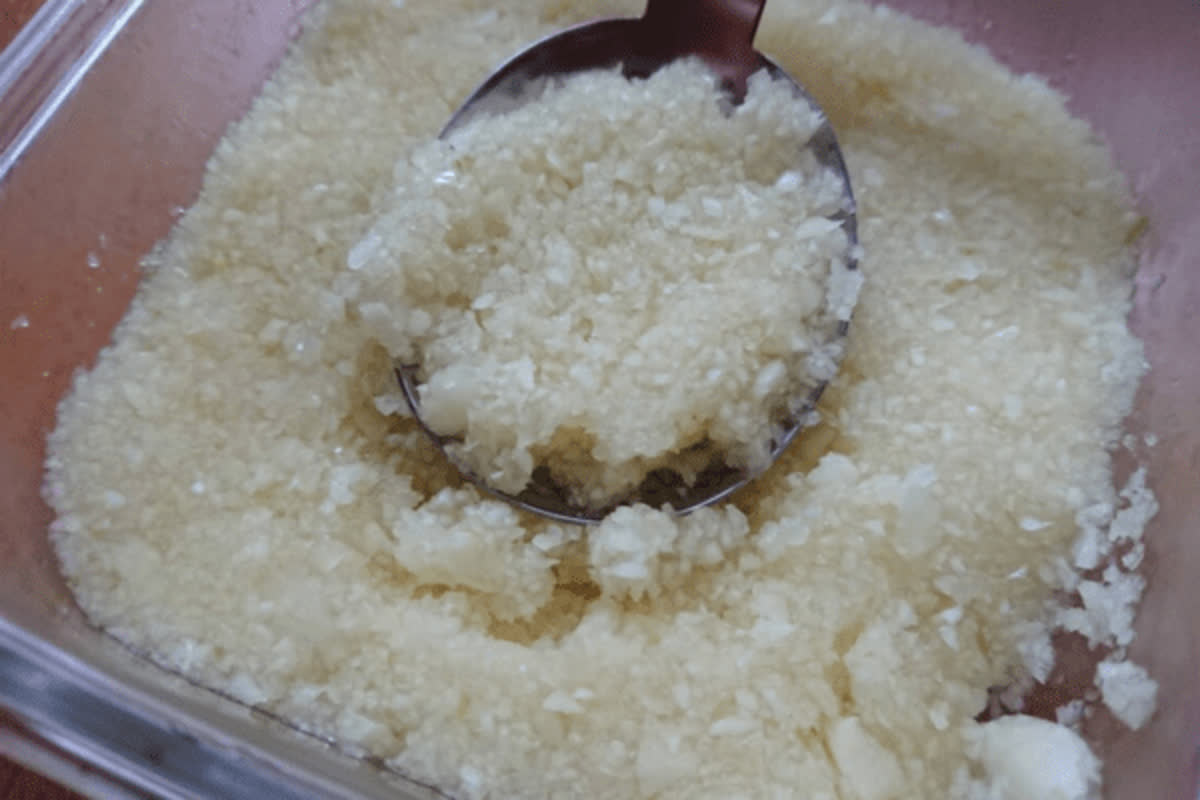
One simple home method is soaking parts in sodium percarbonate (oxygen bleach). Detach the showerhead and hose, fill a basin with hot water, and dissolve the sodium percarbonate. Soak the head and hose for about 15–30 minutes; that helps loosen mineral deposits and grime.
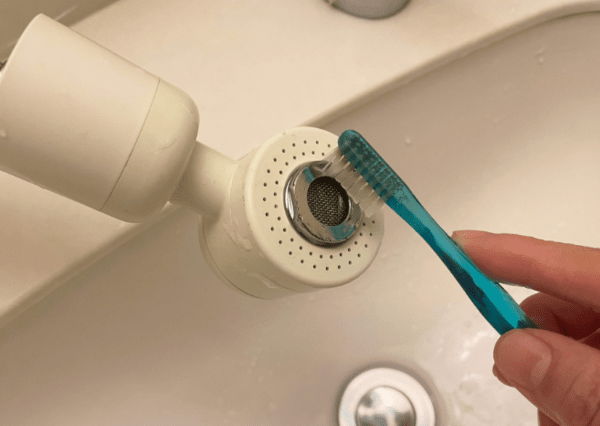
After soaking, use an old toothbrush or small cleaning brush to scrub between the nozzle holes. Rinse thoroughly with clean water and run water through the pieces to flush the interior. This usually restores them to a noticeably cleaner condition.
Regular upkeep actually matters
Since you use your shower daily, one deep clean isn’t enough—routine maintenance is key. Experts suggest checking your showerhead at least once a month and cleaning it if the spray weakens or holes appear clogged.
Be extra vigilant during humid months, when microbes can multiply faster. And remember: if a showerhead has been in use for a long time, cleaning might not solve the problem; replacing it after a while is often the best move.
Real-world example from Korea
A Korean lifestyle program once collected used household showerheads to test how contaminated they were. The investigation found mineral buildup and various microorganisms inside some showerheads, which caught viewers’ attention. After the broadcast, experts emphasized the need for periodic disassembly cleaning and replacement.
On social platforms after the show, people posted reactions like I thought my shower was clean—I’m shocked, After cleaning the head, the water pressure even improved, and From now on I’ll clean the showerhead, not just the drain, and the story quickly became a trending topic.













Most Commented