
Translation result
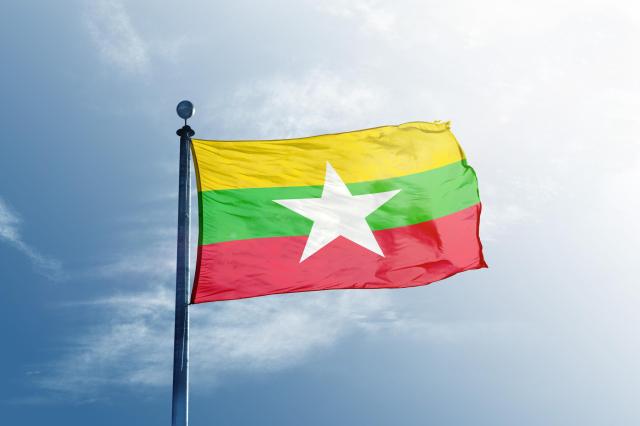
Min Aung Hlaing, the former commander-in-chief who was elected president by Myanmar’s military-aligned regime, said he intends to achieve “lasting peace” within five years. Independent outlet Voice of Burma Democracy (DVB) reported on the 27th that analysts remain skeptical.
At a cabinet meeting on the 26th, Min told ministers that he has maintained working-level talks with some ethnic armed groups.
Richard Horsey, the International Crisis Group’s senior adviser on Myanmar, told DVB in March that Min’s real aim is to compel the surrender of resistance forces, including the pro-democracy National Unity Government (NUG). The NUG has said it will refuse to enter peace talks with the military unless the negotiations include guarantees of serious dialogue toward establishing a genuine federal system.
Min has also proposed recognizing a federal structure organized by region rather than by ethnicity. Critics say that approach disregards the equal rights of ethnic minorities. Khin Ohn Ma, founder of the pro-democracy NGO Progressive Voice, called the proposal a dismissal of minority rights.
Min said he plans to base peace talks on the Nationwide Ceasefire Agreement (NCA) and to pursue them through the end of July, but groups such as the KNU in eastern Kachin State and the Chin National Front (CNF) in northwestern Chin State have already rejected the proposal.
The Arakan Army (AA) in western Rakhine State, which has not signed the NCA and continues to fight the military, said it cannot participate in any political process led by Min Aung Hlaing as long as the Tatmadaw continues airstrikes on AA-held areas.
DVB’s investigation found that since Min took office on April 10, the Tatmadaw has carried out 307 airstrikes nationwide, killing at least 147 people and injuring 291.












Most Commented