
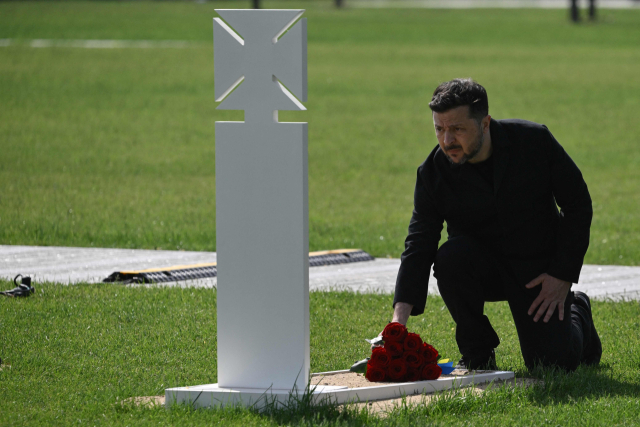
Ukraine’s leadership says it has launched effective counterattacks despite Russia’s large-scale strikes and expressed confidence in holding the initiative along the front. Combat capabilities have advanced during the war to pressure Russian forces and its defense industry, but internal problems—corruption, population loss and economic exhaustion—have deepened. The result highlights both battlefield resilience and widening social fractures at home.
◆Claims of battlefield advantage
On May 27 (local time), outlets including The Economist and Reuters reported that President Volodymyr Zelensky asked the U.S. Congress over the weekend for air‑defense support, including Patriot interceptors, immediately after Russia’s aerial barrage.
He described Russia’s ballistic missiles as “the last major advantage on the battlefield,” saying that stronger air defenses would push Moscow toward negotiations.
Andriy Biletsky, commander of the 3rd Corps defending the key Donetsk front, told Reuters the coming roughly six months will be a turning point. If Ukraine can hold its defenses for more than six months, he said, it could sap Russia’s will to press further advances.
Kiev says Ukrainian forces inflict about 35,000 Russian casualties each month on average, a rate Kyiv argues is degrading Moscow’s ability to replenish manpower.
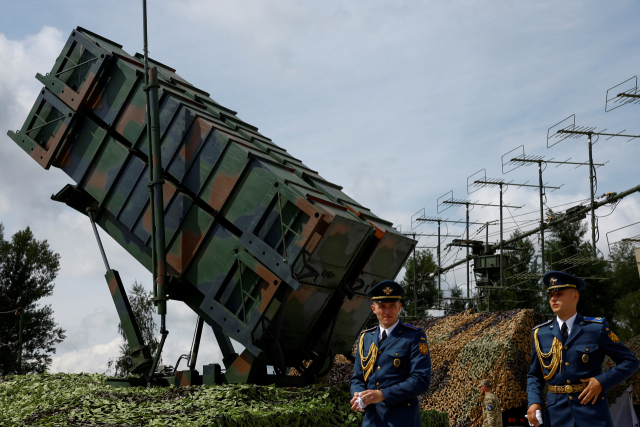
Ukraine has also expanded long‑range drone operations, successfully striking oil facilities and key defense factories more than 1,000 km inland. A prominent example is the strike on the Kremniy El plant, which produced microchips for Russian ballistic missiles.
Reuters reports that Russian refineries shut down or forced to cut output after recent Ukrainian drone strikes have a combined annual capacity of about 83 million metric tons, roughly 25% of Russia’s total refining capacity. Ukraine’s sharpened strike capabilities are putting sustained pressure on Russia’s military and its defense and energy industries.
European Union countries, taking note of Ukraine’s resilience and recovery capacity, are expanding support. The EU is preparing €90 billion (about $96.3 billion), roughly 158 trillion KRW (about $118.5 billion), in loans to back emergency budgets and defense‑industry needs for 2026–2027.
◆Corruption among presidential aides repeatedly exposed
Alongside gains in battlefield performance, the risks of a protracted war are becoming clearer.
Under Russian missile and drone attacks, Kyiv came close to a full blackout this past winter. The domestic labor force has shrunk from roughly 17 million before the war to about 12 million, reducing the economic base needed to sustain the conflict and weighing on growth.
Forced conscription to address troop shortages has become a social problem. To avoid front‑line deployment, an estimated minimum of 300,000 men have cut off contact with the outside world and are living as recluses, effectively excluded from economic and civic life.
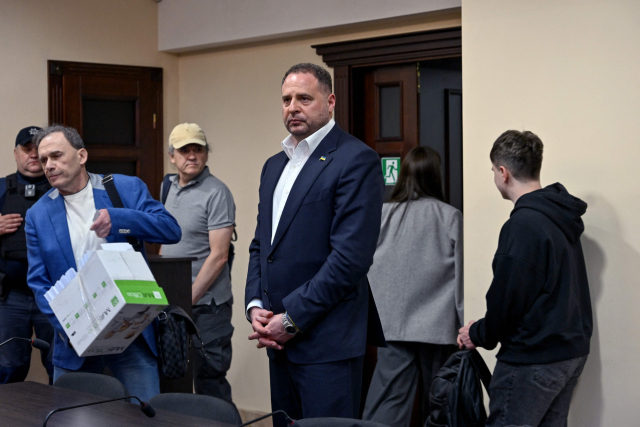
Corruption cases tied to President Zelensky’s inner circle have also shaken public unity. On May 14, Andriy Yermak, once described as the president’s right‑hand and the former head of the presidential office, was detained on charges of laundering about $10.5 million through a housing‑development scheme; he was released on bail and denies the charges.
Ukraine’s prosecutors are also investigating alleged kickbacks involving the president’s former business partner Timur Mindich and others. Some voices in Ukrainian politics argue that the wartime concentration of power around President Zelensky has contributed to corruption.
The Economist judges that Ukraine has a strong chance of enduring the war, but reports growing public unease: “If wartime corruption and militarization are widespread, how different is that society from Russia’s?”















Most Commented