
Translation result
A familiar Korean side dish — but in the U.S. it’s a top Korean health-food splurge that can run over 20,000 KRW (about $15) per meal

Table of contents
Why Americans treat bulgogi like a pricey health dish
How Korean meals often underestimate protein
Why bulgogi offers exceptional nutritional balance
How bulgogi’s health profile differs from processed meats
Smart ways to enjoy bulgogi more healthfully
How to build the ideal bulgogi plate at home
Key rules for protecting muscle and metabolic health

1. Why Americans treat bulgogi like a pricey health dish
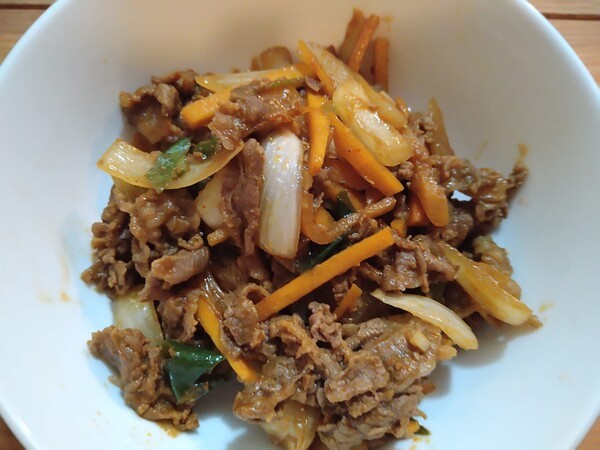
In the U.S., bulgogi isn’t just labeled “Korean” — it’s positioned as a high-protein, minimally processed health option. A single serving often costs $15–$20 at health-forward restaurants, where it’s marketed as a premium choice. That’s because bulgogi is made from fresh, unprocessed meat and delivers roughly 20 g or more of protein per 100 g (3.5 oz), which directly supports muscle maintenance.

2. How Korean meals often underestimate protein
At home in Korea, bulgogi is often served as a side, but nutritionally it can function as the main course. It supplies protein, iron, and B vitamins in one dish. When people don’t get enough protein, they risk muscle loss and a lower resting metabolic rate. Adults typically need about 0.8–1.2 g of protein per kilogram of body weight per day (about 0.36–0.55 g per lb), and bulgogi is an efficient way to help meet that target.
3. Why bulgogi offers exceptional nutritional balance
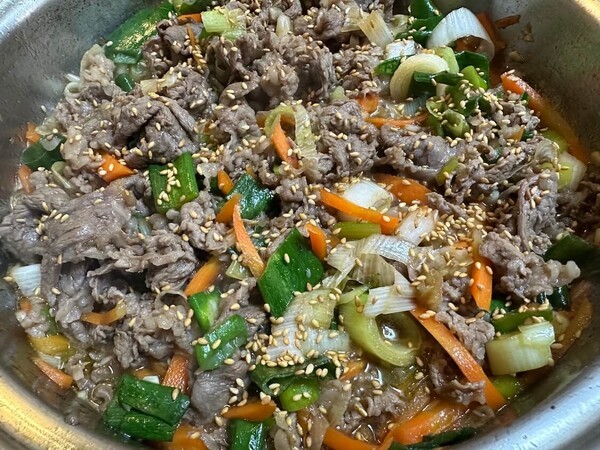
Bulgogi isn’t just meat — it’s a mixed-nutrient dish. The protein-rich beef pairs with onions, garlic, and other vegetables to provide antioxidants and fiber. That combo helps blunt blood-sugar spikes, creating a lower–glycemic-index effect and supporting more efficient energy metabolism.
4. How bulgogi’s health profile differs from processed meats
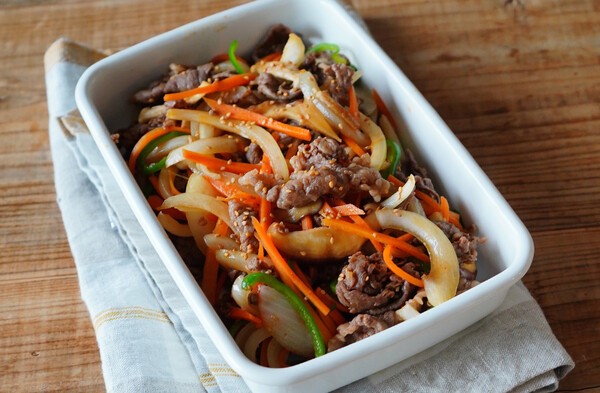
Bulgogi is structurally different from processed meats like ham or sausage. Processed options often contain high sodium and preservatives that can burden cardiovascular health. Bulgogi, as an unprocessed protein source, typically scores higher on protein digestibility measures, meaning the body uses it efficiently and it supports muscle synthesis more directly.
5. Smart ways to enjoy bulgogi more healthfully
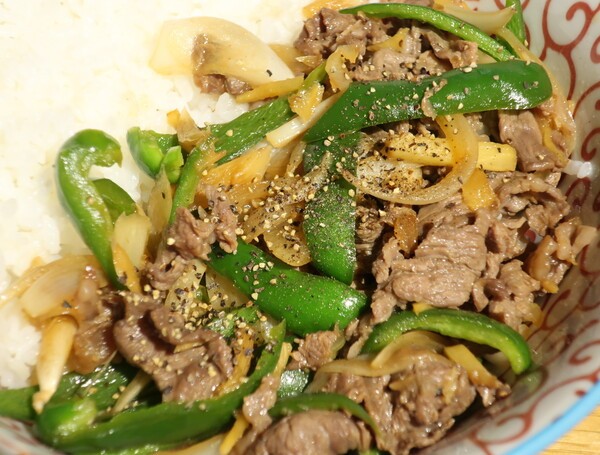
How you prepare bulgogi matters. Heavy, sugar-rich marinades can raise the meal’s glycemic load. Opt for lower-sugar marinades, increase the vegetable ratio, and choose quick stir-frying over heavy saucing. Making vegetables at least half your plate boosts fiber and eases metabolic strain.
6. How to build the ideal bulgogi plate at home
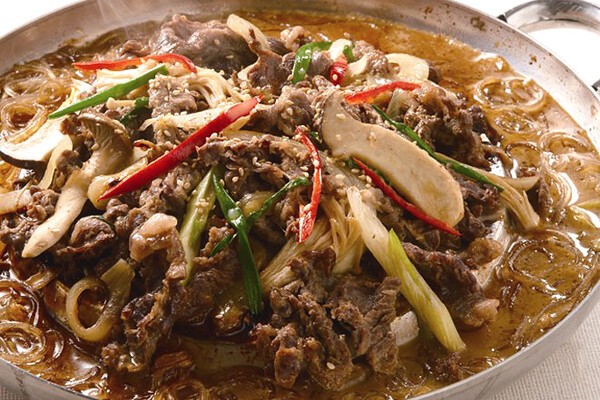
Keep it simple and balanced: 100–150 g (3.5–5.3 oz) of bulgogi, at least 200 g (7.1 oz) of vegetables, and a modest serving of rice. This ratio balances protein and fiber and helps you feel satisfied. Adding garlic and onion brings extra antioxidant benefits and supports immune health.
7. Key rules for protecting muscle and metabolic health
Think protein density and balanced plates. Cut back on processed meats and favor whole proteins paired with vegetables. That approach naturally improves metabolic efficiency — and bulgogi is one of the easiest, tastiest ways to do it.













Most Commented