
Translation result.

When you open the refrigerator and a sharp, unpleasant odor hits your nose, you’re not alone. Most of us have faced that moment. Because a refrigerator’s job is to keep food fresh, persistent smells inside it are more than an annoyance — they can be a warning sign of health risks.
When multiple foods share the same confined space, their scents can mingle and turn into a foul stench. If left unchecked, those odors can seep into other items and curb your appetite — and they can become a breeding ground for bacteria. Surprisingly, one common household ingredient can eliminate those odors at the source: baking soda.
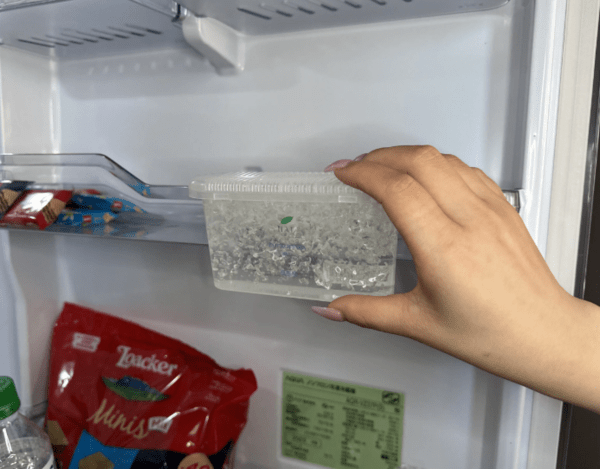
Why does a refrigerator smell?
Fridge odors rarely come from a single spoiled item. Foods are stored in varying conditions, and lids or containers sometimes don’t seal properly. As a result, moisture, oils and spices spread through the compartment and combine to create complex, lingering odors.
Rotting meat and fish release sulfur compounds that are particularly pungent. Dairy and aging vegetables give off a distinct sourness that can contaminate the entire unit.
Those smells can cut your appetite every time you open the door and make you avoid items that are actually still safe to eat. Even more concerning, the bacteria and mold that cause the odors can transfer to other foods and accelerate spoilage.
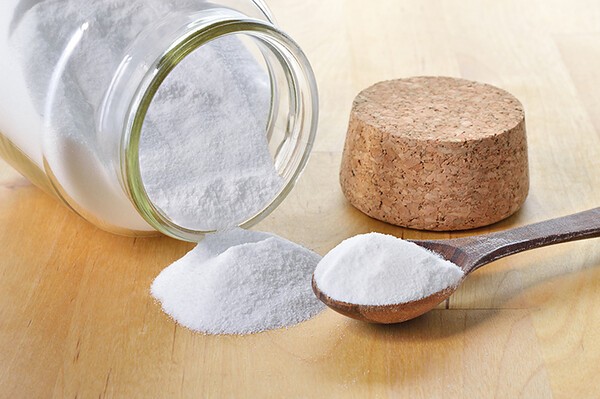
One box of baking soda removes odors
Baking soda, or sodium bicarbonate, is well known for its deodorizing power. It neutralizes both acidic and alkaline odors in the refrigerator, making it a highly effective and safe natural deodorizer. It’s also simple to use.
Place a small amount of baking soda in a paper cup or an open container and set it in a corner of the fridge. For best results, replace it every two to three weeks, and swap it out sooner if you notice the effect fading.
Some people add a few drops of lemon juice to the baking soda; that can add mild disinfecting action and boost its deodorizing effect. The lemon’s fresh scent also leaves a light, appetizing aroma in the refrigerator.

Other ways to remove refrigerator odors
Beyond baking soda, several natural items work well. Used coffee grounds are excellent at absorbing odors — dry them and place them in a small pouch to freshen the interior. Activated charcoal or lump charcoal also trap odor particles effectively, tackling both food smells and musty, moldy odors.
Placing half a potato in the fridge is a long-standing home remedy: potato starch can absorb odors. Be sure to replace the potato regularly so it doesn’t rot and create new smells.

Fridge care habits that make a difference
Deodorizers offer a short-term fix, but lasting prevention comes from better habits. Empty and clean your refrigerator at least once a month. Wiping surfaces with water diluted with vinegar adds an extra antimicrobial benefit.
Store items nearing their sell-by date in a visible spot, check the fridge before shopping to avoid duplicate purchases, and dispose of old ingredients promptly. Using airtight containers also helps prevent odors from spreading.
Q&A
Q1. In what form should I use baking soda?
A. Use it as a powder. Put it in a small, well-ventilated container and keep it in the refrigerator.
Q2. Any precautions when using coffee grounds to remove odors?
A. Make sure the grounds are completely dry before using them to prevent mold growth.
Q3. How do I use potatoes for odor control?
A. Cut a potato in half and place it in a dish in the fridge; the starch will absorb odors. Replace it every two to three days.
Q4. Is there a way to completely prevent refrigerator odors?
A. You can’t eliminate them entirely, but airtight storage, regular cleaning, checking expiration dates, and using natural deodorizers are the most effective preventive measures.
Q5. Any other recommended everyday items besides baking soda?
A. Rotate activated charcoal, coffee grounds, lump charcoal and lemon slices to keep odors under control.














Most Commented