
Translation result.
You may obsess over sightseeing plans and hotel bookings for a Europe trip but underestimate airport passport control. The first checkpoint you meet on arrival isn’t a landmark—it’s the passport line. Starting in 2026, passport control at European airports could take longer than before. Europe is changing how entries and exits are managed, and identity checks for non-EU travelers are becoming more systematic. South Korean visitors entering the Schengen area for short-term tourism will notice the difference.
EES Implementation
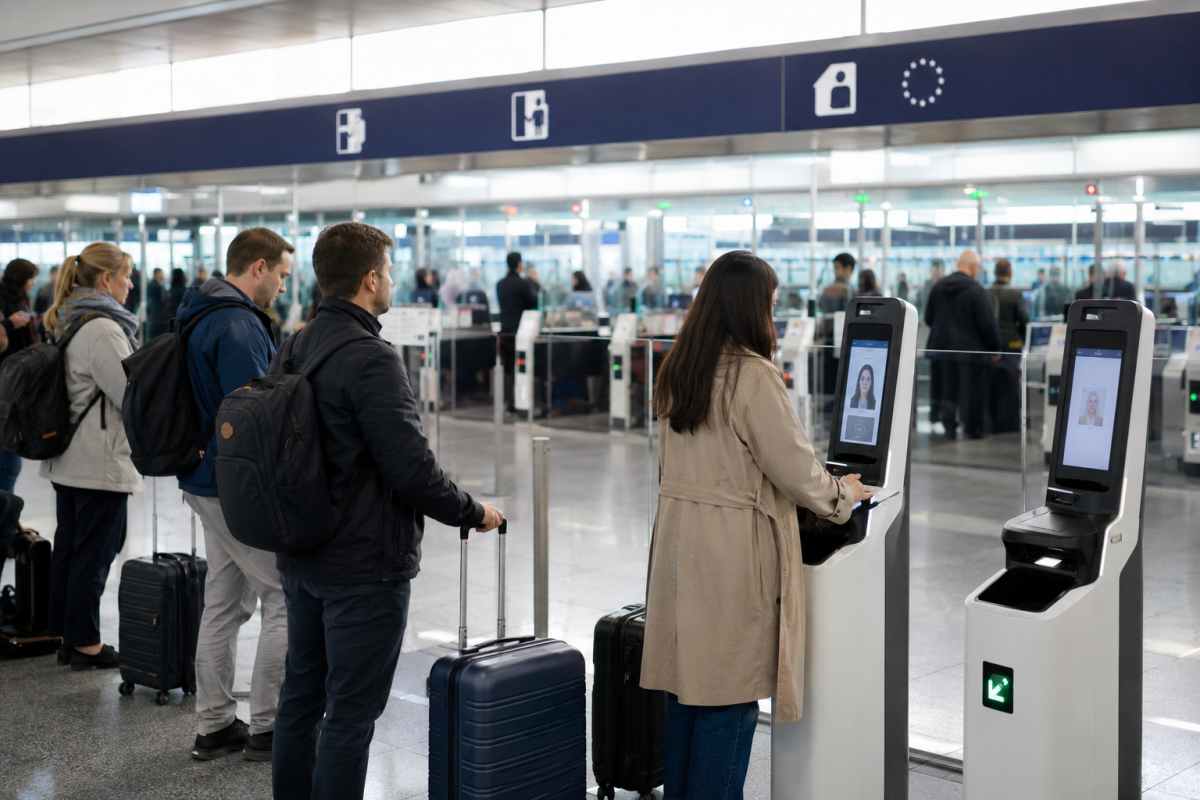
The biggest reason passport control may slow down is the EES. The Entry/Exit System digitally records arrivals and departures of non-EU short-stay travelers.
In the past, officials mainly stamped passports to confirm entry dates. Under EES, they’ll record passport details plus biometric data like a facial photo and fingerprints. Since South Koreans aren’t EU citizens, this procedure applies when you enter the Schengen area for short-term tourism.
Your first entry may take noticeably longer. Passport scans, a facial photo, fingerprint registration, and a quick check of your trip purpose are all done in one go. Add just a few extra minutes per person and long-haul arrival waves can quickly turn into long queues.
Processing Times Vary by Airport
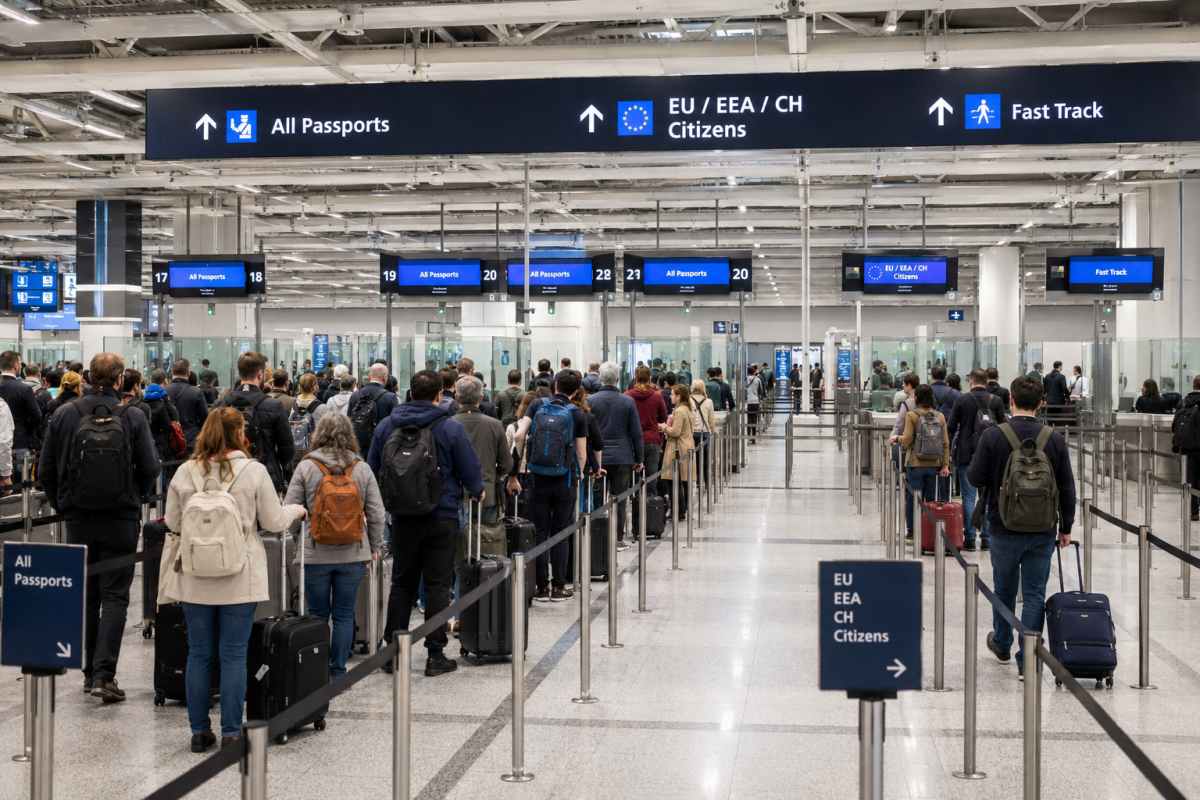
Not every European airport handles passport control the same way. Major hubs with lots of long-haul flights and transfers—think Paris Charles de Gaulle, Amsterdam Schiphol, Rome Fiumicino, Frankfurt, and Madrid Barajas—can see wait times swing wildly depending on arrival waves.
Some airports have smart automated gates, but if you need to register biometrics for the first time or face additional checks, you’ll be sent to a face-to-face counter. That’s when lines can balloon far beyond what you expect.
Where you land can change your first-day plans. If you arrive at a big hub, give yourself extra time for passport control and transfers before you head into town.
Peak-Season Lines
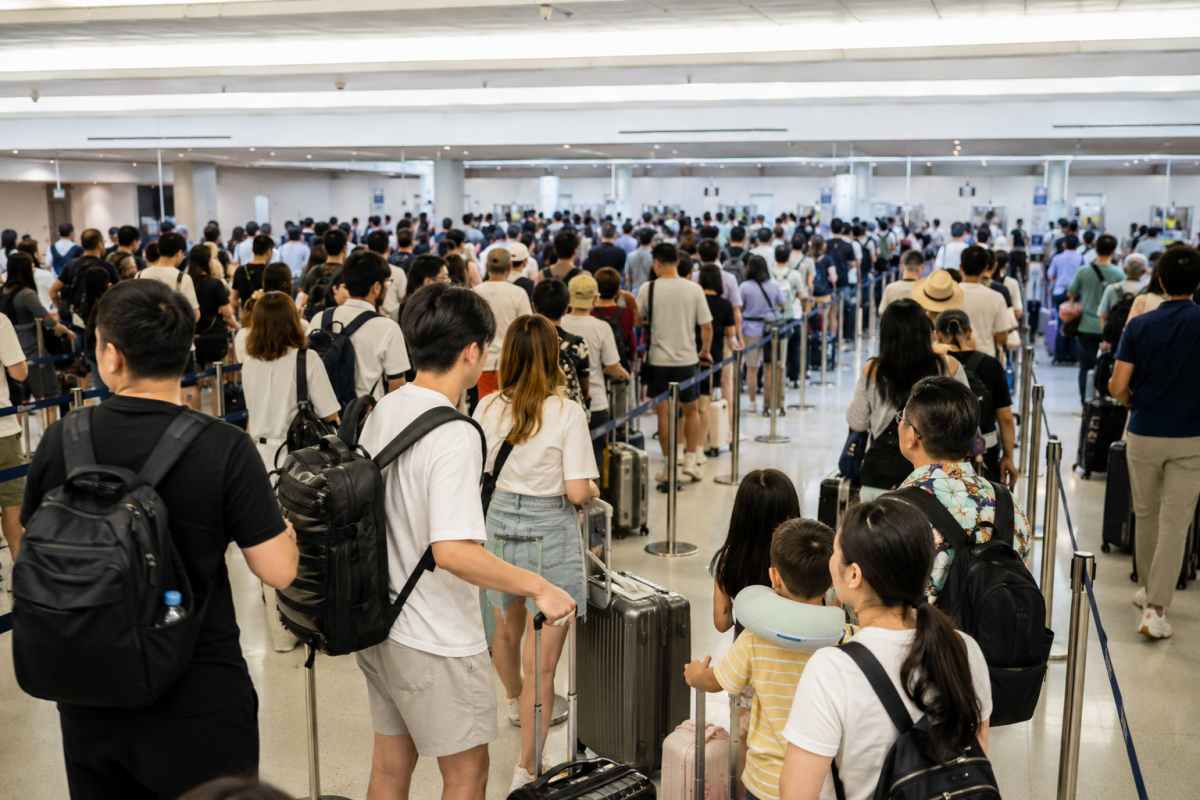
June through August overlaps with local European holidays and South Korean summer vacations. December brings Christmas markets and year-end travel surges. Those periods naturally pack passport-control queues.
Throw in delays, bad weather, staffing shortages, or airport strikes, and waiting times can spike. Plenty of travelers say the most exhausting part of a European trip can be standing in the passport line after landing—not the flight itself.
This is especially true for family trips or when you’re traveling with older parents. After a long flight, don’t cram your arrival day with a tight schedule—plan to take it easy.
Passport-Control Questions
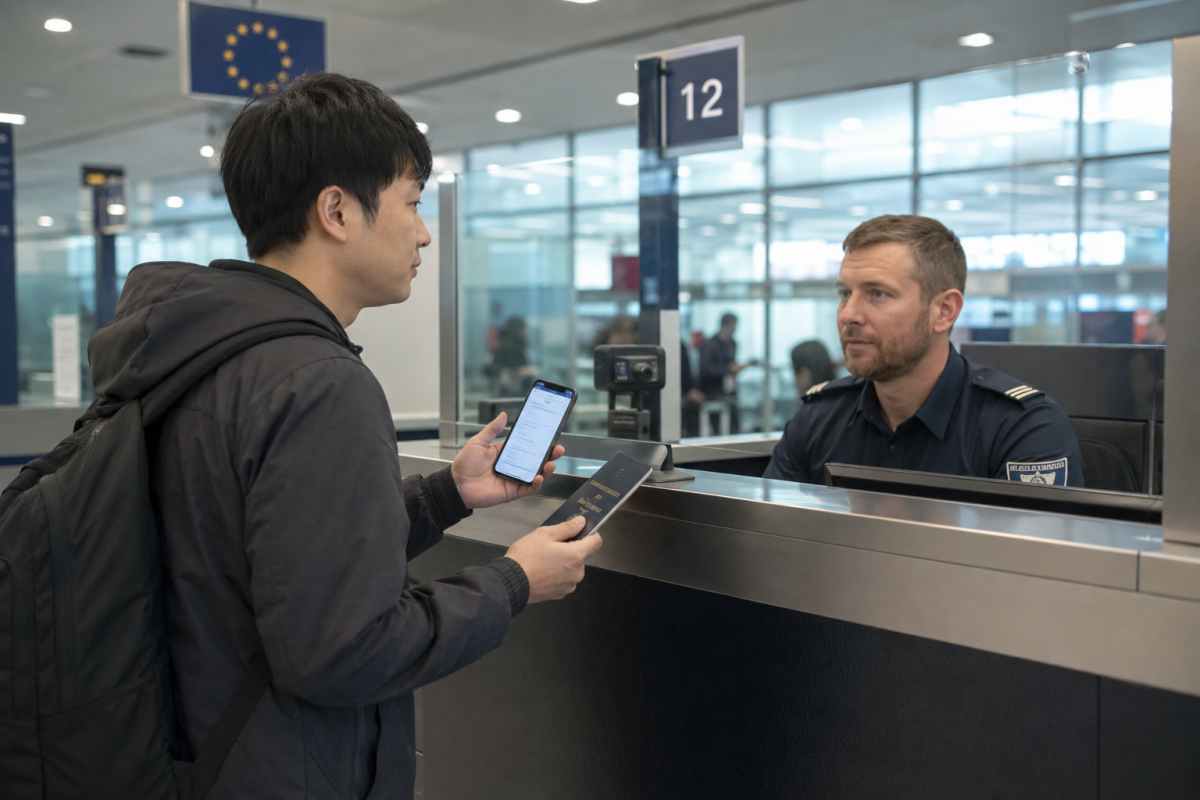
Officers usually ask straightforward questions: your travel purpose, length of stay, where you’ll stay, whether you have a return ticket, and which cities you’ll visit. Most travelers clear the line after brief answers, but unclear replies or not showing bookings can slow things down.
Officers are checking three simple things: that you’re actually traveling for tourism, that you plan to leave within the allowed period, and that you have confirmed accommodation.
Before you leave, save your hotel confirmations, return ticket, and intercity travel plans on your phone. Airport Wi-Fi can be unreliable, so keep screenshots or PDFs handy.
Preparing for passport-control questions
At Paris immigration, you’ll usually be asked:
What is the purpose of your trip?
How many days will you stay in France?
Where will you stay?
Do you have a return ticket?
Are you visiting any cities outside Paris?
Keep answers brief
Tourism. I’ll be in Paris for five days.
Here is my hotel booking and return ticket.
Allow Plenty of Time for Connections
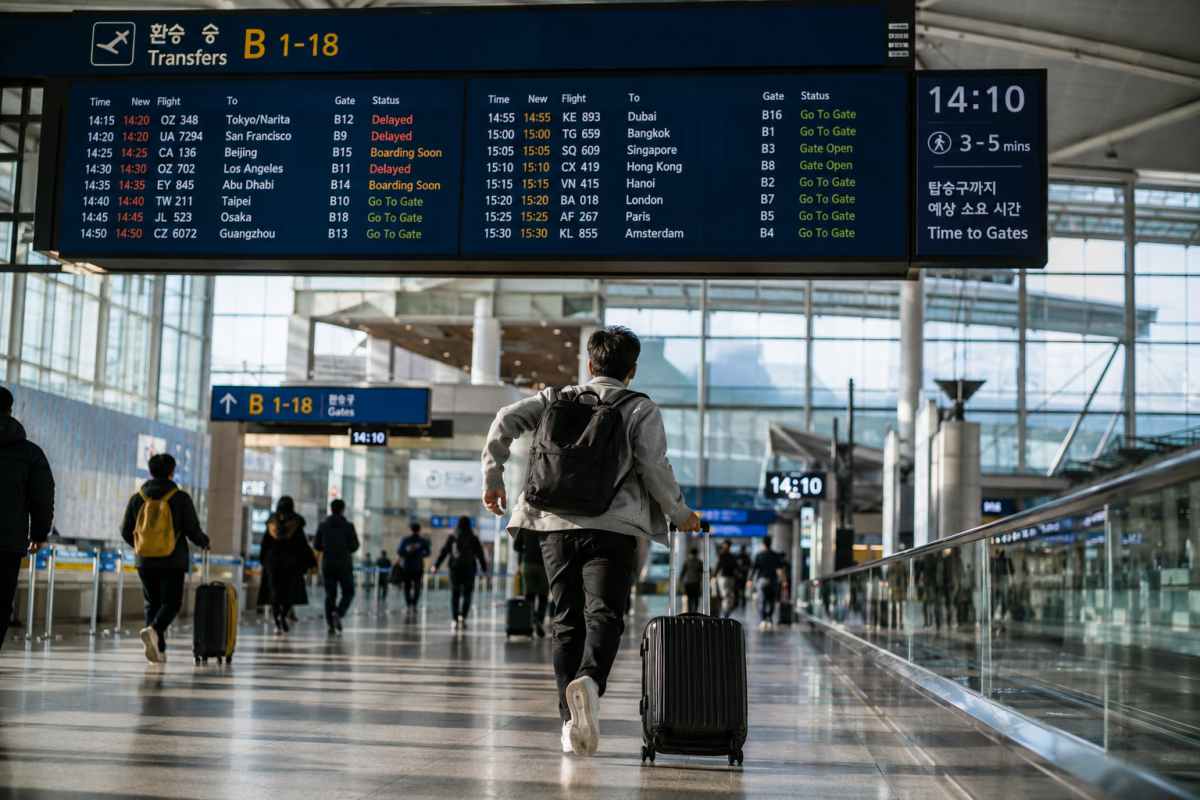
If you clear Schengen passport control at your first European arrival and then connect to another city, build in extra transfer time. For example, if you fly from Incheon to Paris and then on to Nice, or clear immigration in Frankfurt before flying to Prague, you must finish passport control before boarding your next flight.
If you need to collect and recheck checked luggage, you’ll need even more time. When passport control runs long, baggage claim is delayed and terminal transfers may be required—making one-hour connections risky.
Be extra careful if you booked separate tickets for intra-European legs. With separate reservations, a delay on the inbound flight or slow passport checks can leave you stranded without protection.
ETIAS and EES
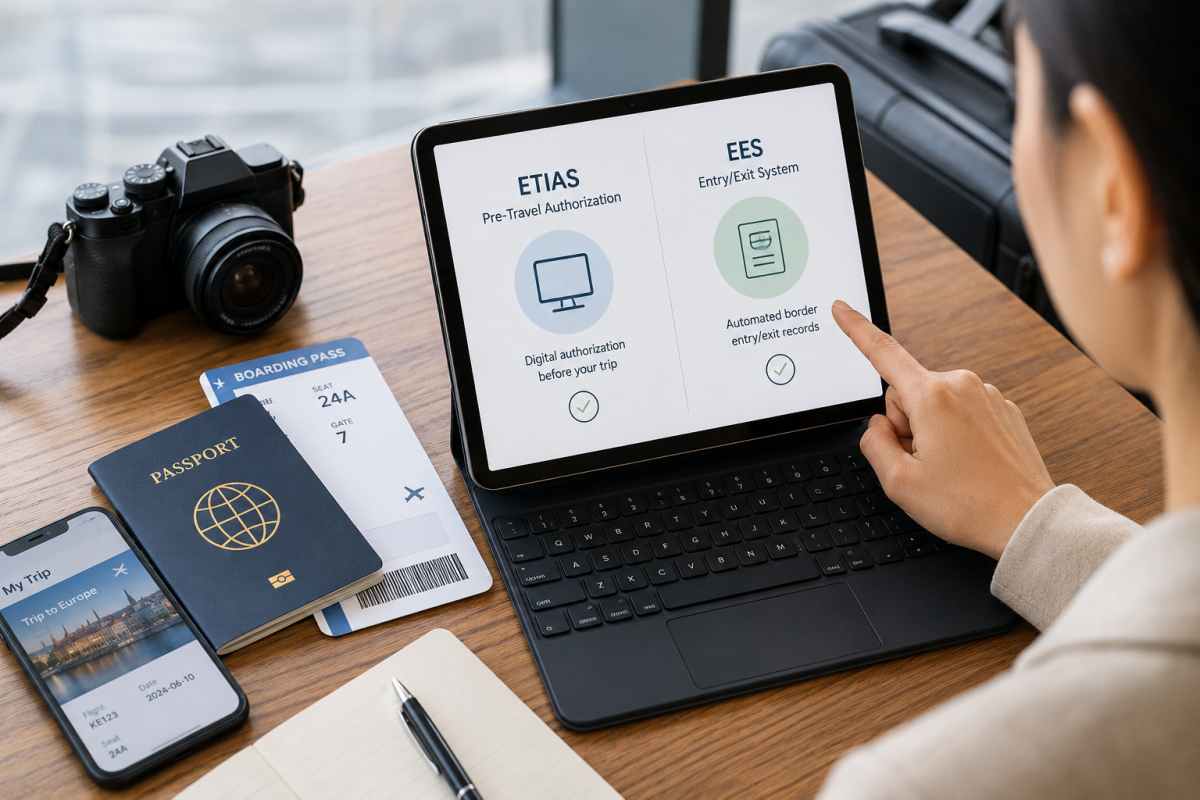
It’s easy to confuse ETIAS and EES. They sound similar, but they do different jobs.
EES records arrivals and departures at airports and border crossings—managing passport data, biometrics, and stay records. ETIAS is an online travel authorization that visa-exempt travelers must obtain before visiting Europe.
In short: EES logs entries and exits when you arrive; ETIAS confirms your travel authorization before you leave. Know both when planning a European trip, and check whether you need to apply for ETIAS well before departure.















Most Commented