
Translation result
What Westerners dismiss as “seaweed weed,” Koreans call a 1,000 KRW (about $0.75) everyday luxury and restorative superfood
Contents
Why miyeok (seaweed) holds a special place in Korea
Why sea plants are considered health food
Why alginic acid matters
What makes seaweed rich in minerals
Differences between Western and Korean food cultures
How to eat miyeok properly
How your body responds to ingredients from the sea
1. Why miyeok is special in Korea
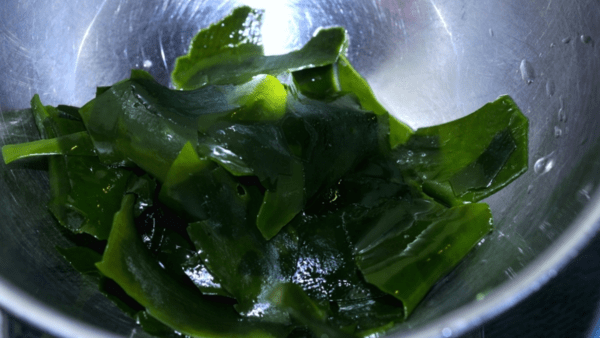
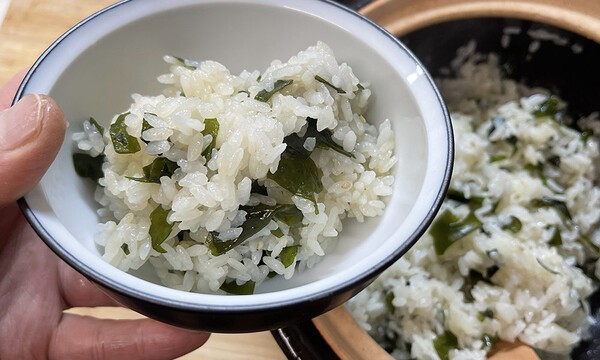
Miyeok is one of the most familiar sea vegetables in Korea. It shows up everywhere—from birthday miyeok-guk (seaweed soup) to broths and seasoned sides—and it’s long been treated as food that helps you recover. In many Western countries, however, people still view seaweed washed ashore as coastal debris. That difference says a lot about how culture shapes our plates.
2. Why sea plants are called health food
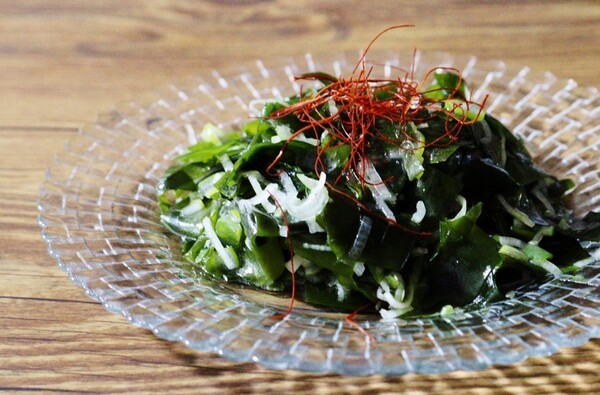
Seaweeds pull minerals straight from seawater as they grow, so their nutrient profile differs from land vegetables. Miyeok, in particular, is high in water, dietary fiber, and minerals, which makes it a light, nourishing ingredient that’s easy on the body.
3. Why alginic acid matters
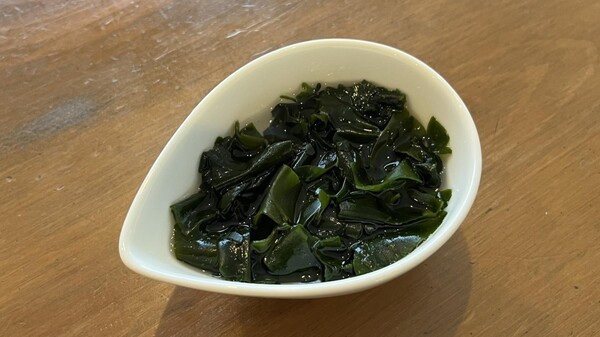
Miyeok contains alginic acid, a soluble fiber that gives the seaweed its slick, silky texture. This fiber binds to water in the gut, which affects both mouthfeel and digestion—one reason people praise its gentle health benefits.
4. What makes seaweed rich in minerals
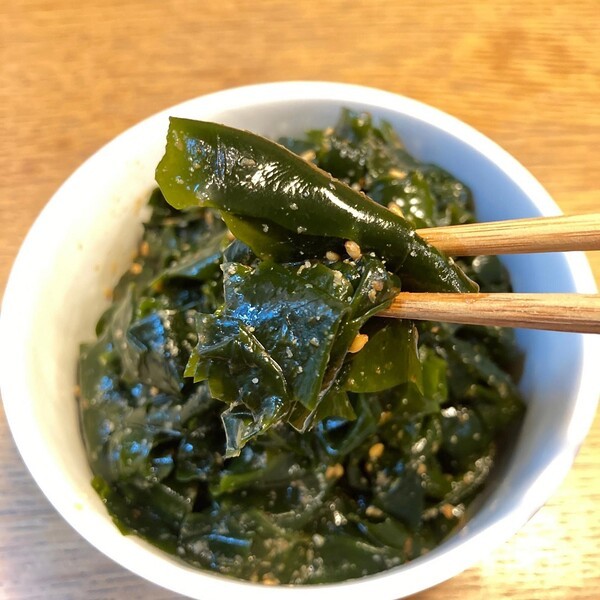
Miyeok packs minerals like iodine, calcium, and magnesium. These nutrients are a big part of why seaweed gets labeled a health food. The mineral makeup of sea ingredients is noticeably different from that of vegetables grown on land.
5. Food culture differences between the West and Korea
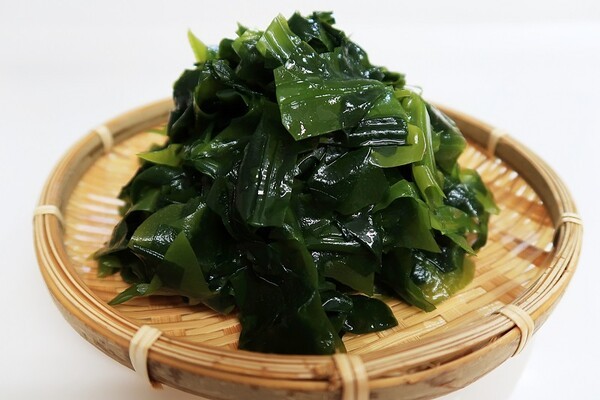
Seaweed is a daily staple in Korea, but it still feels unfamiliar to many Western eaters. Because traditions like soup culture vary so widely, dishes like miyeok-guk can seem odd to some. The same ingredient can carry very different meanings depending on cultural context.
6. How to eat miyeok properly
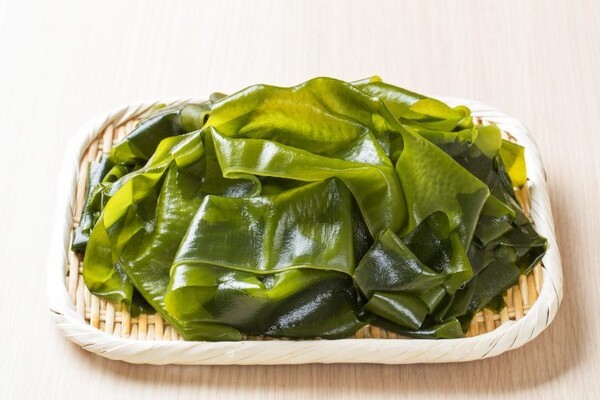
Soak dried miyeok, rinse it well, and cook it just until tender. Overcooking makes it mushy, so keep an eye on timing. Light seasoning works best—let the seaweed’s natural flavor shine through.
7. Your body responds to ingredients from the sea
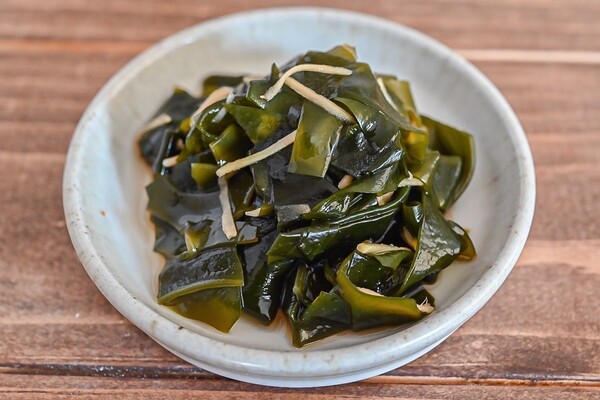
Our bodies tend to respond better to simple, whole foods than to flashy, processed cures. Sometimes the small, everyday rituals—like a comforting bowl of soup—make a bigger difference than pricey tonics.













Most Commented