
Translation result
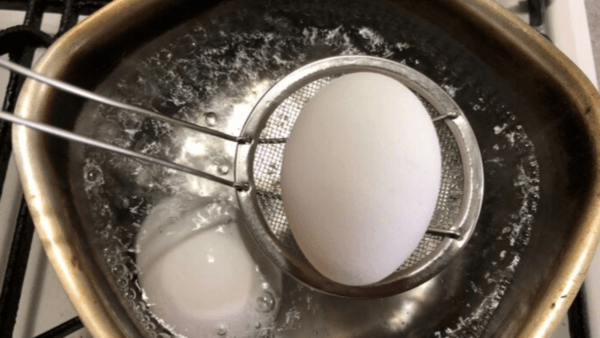
① “I just boiled the eggs in plain water” — the most common method
At home, most of us stick to the basics when boiling eggs.
A pinch of salt or nothing at all is the usual move.
So it’s easy to miss subtle flavor differences.
People often assume timing is the only thing that matters.
But there’s one ingredient chefs swear by that can change everything.
It’s kelp.
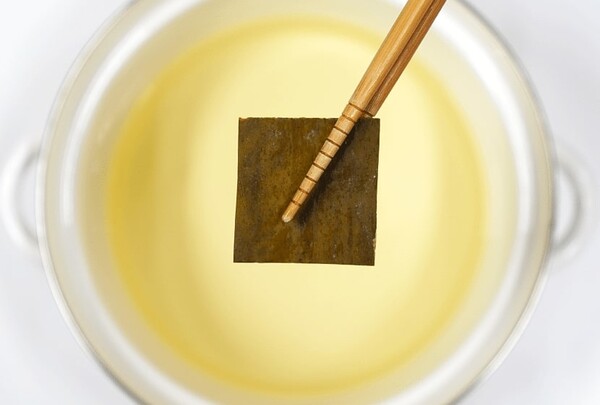
② Why add it while boiling?
Kelp—often called kombu—is a classic base for broths.
That might make it sound odd next to eggs.
But when cooks add a strip of kelp to the boiling water, the flavor shifts in a noticeable way.
That’s the whole idea.
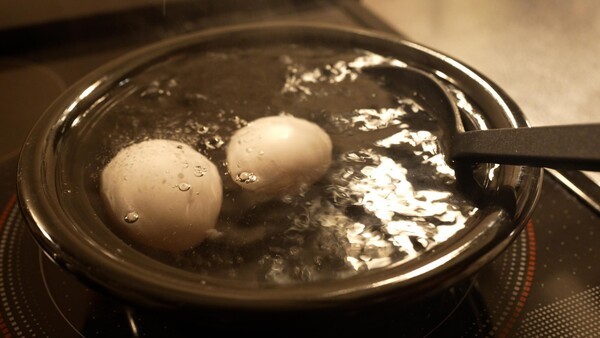
③ A little-known trait
Kelp brings a gentle umami that’s more subtle than you’d expect.
So it’s typically used sparingly rather than simmered aggressively.
Added to egg water, some people notice less of a fishy edge and a cleaner taste overall.
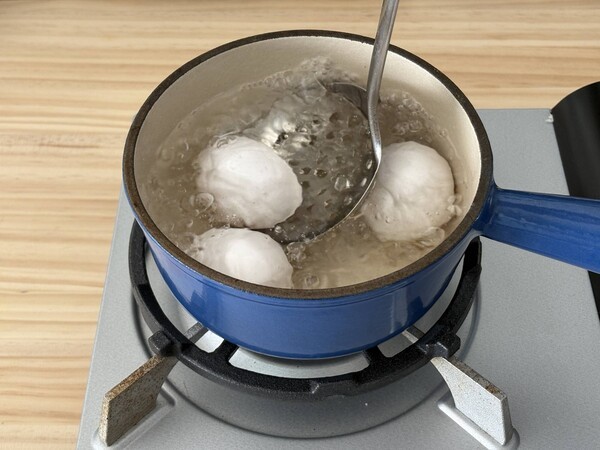
④ The most common technique
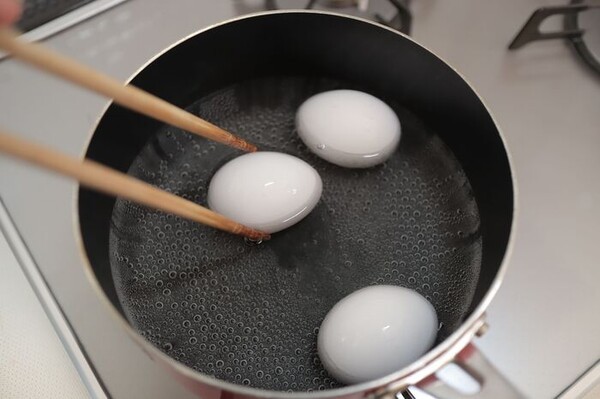
The easiest approach is simply dropping kelp into the pot and boiling the eggs with it.
No complicated steps—just a small tweak you can try tonight.
That simplicity is why more people are experimenting with it at home.
⑤ Why people keep coming back to it
Many say the eggs come out noticeably softer—yolks and whites feel silkier.
Swapping in one tiny, inexpensive ingredient can make a real difference.
That’s why people keep using the trick.
⑥ A common mistake people make
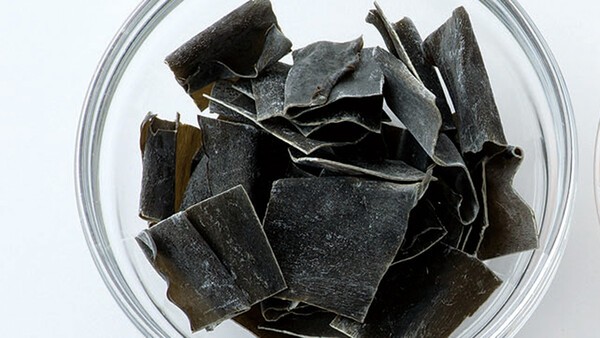
The biggest slip-up is boiling the kelp too long.
That releases a strong seaweed aroma that can overpower the eggs.
So keep the steeping time short and controlled.
⑦ Why top restaurants use it often
Chefs obsess over tiny details that elevate humble dishes.
A single, simple ingredient can lift an everyday recipe into something memorable.
That’s why you’ll see kelp used in professional kitchens.
⑧ In the end, it’s the ‘small difference’ that matters
Cooking isn’t always about secret techniques—it’s the tiny swaps that count.
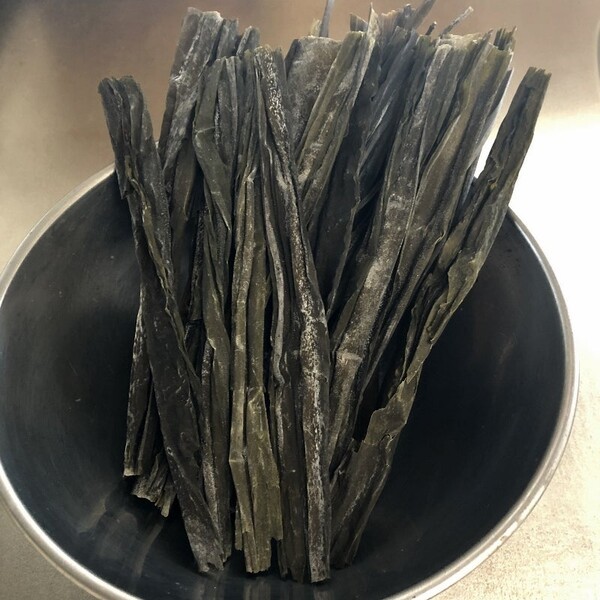
Even a familiar ingredient like kelp can shift the whole vibe depending on how you use it.
So focus less on pricey items and more on small, smart habits.













Most Commented