
Translation result.
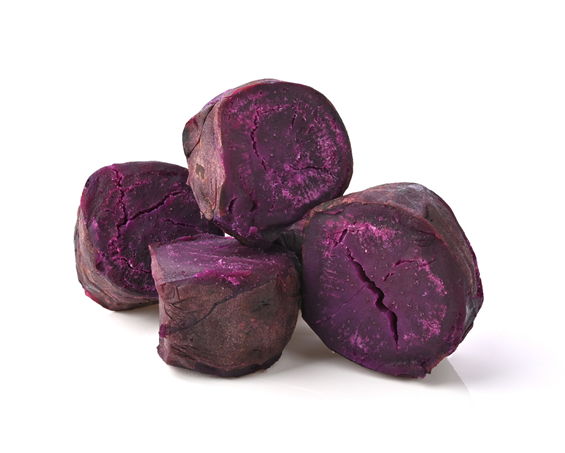 [Herald Lab] Remember the taro bubble tea craze that once dominated the scene?
That purple-hued drink was loved for its toasty, nutty flavor. It ruled food trends for a while, but the buzz faded long ago.
Now, ube is stepping into that spotlight. It might still feel new to some of us, but ube is simply a purple yam from the Philippines.
Unlike taro — which is in the colocasia family and tastes nutty and grainy — ube offers a delicate vanilla note that makes it especially dessert-friendly. It’s packed with anthocyanins, the antioxidants behind its color, and is touted as a superfood that may help with aging, skin health, and immunity.
Another plus: the purple color is natural, not artificial. Think of it like the purple sweet potatoes you already know.
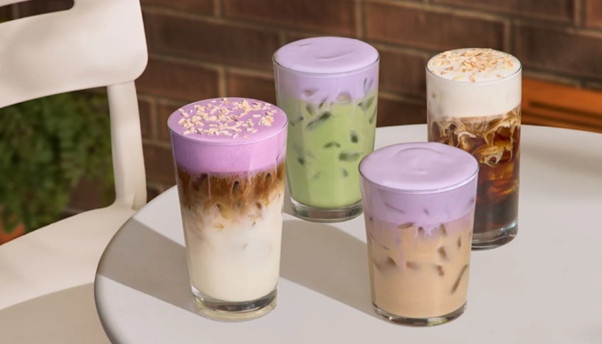 Ube might still be novel in some places, but in the U.S. the trend is spreading fast.
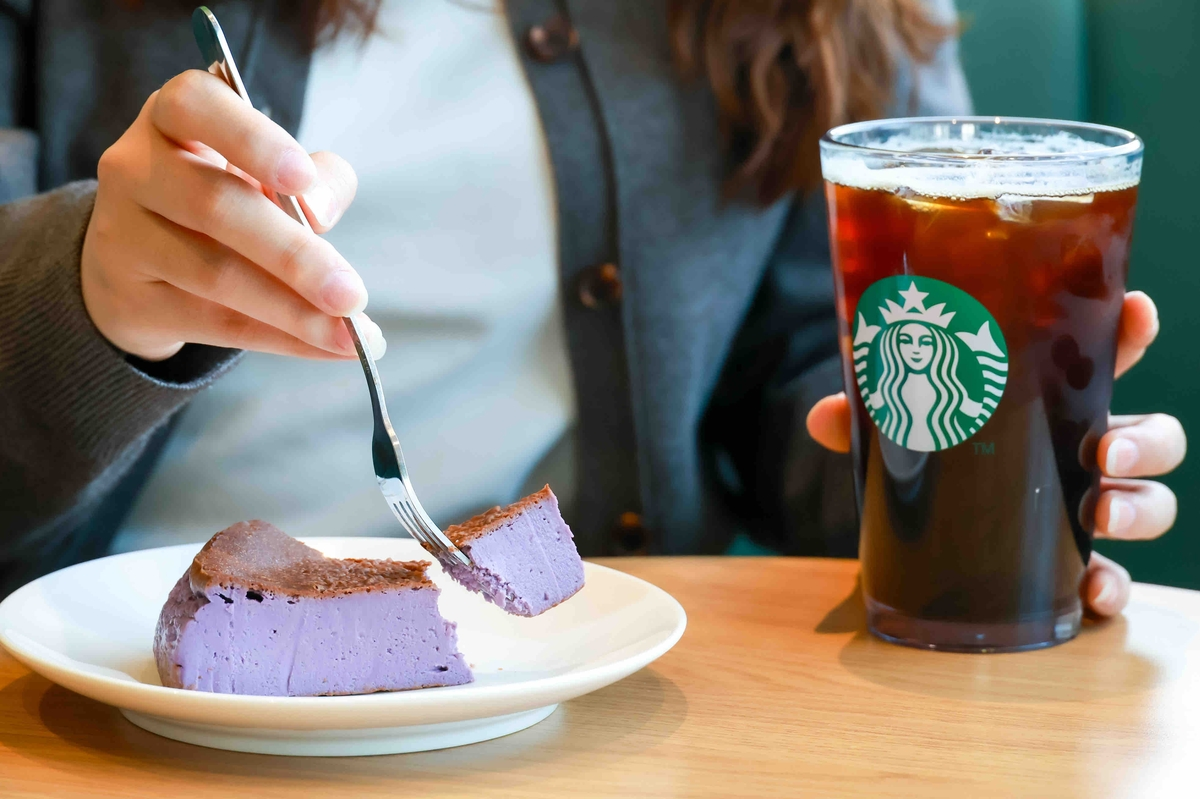
Its eye-catching purple aesthetic grabbed Gen Z’s attention (born 1995–2009), and the trend accelerated when Starbucks in North America rolled out a limited-time ube menu this March.
When a trend-sensitive brand like Starbucks jumps in, you know it’s gaining traction. From there, cafes across the country started adding ube desserts to their menus, keeping the momentum going.
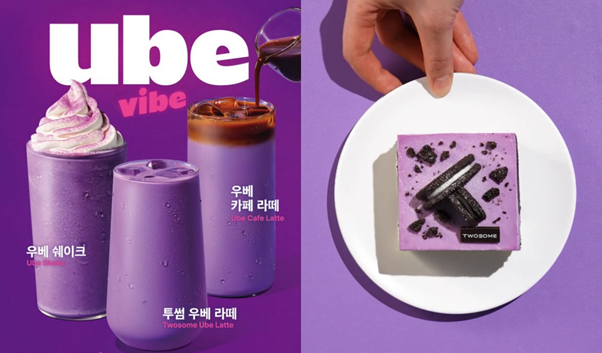 Korea is moving quickly as well. Twosome Place rolled out three new ube items to test the market.
Dessert39, Noted and other dessert brands have also introduced ube items, joining the wave.
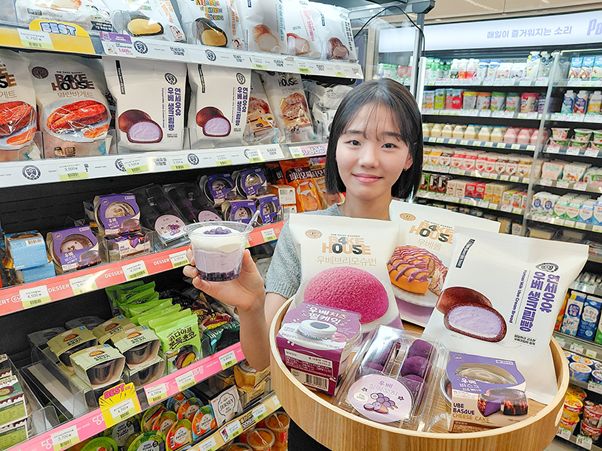
Lately the trend has spilled out of cafés and into convenience stores. Chains like CU are launching grab-and-go ube desserts and drinks, widening where consumers can try it.
 That popularity shows up in the numbers: from January to September last year, Philippine ube exports rose 43% from the year before. Local demand for ube products is climbing fast, too.
Ube is becoming more than a trendy dessert — it’s evolving into a lifestyle moment. Where people once bought a new café item and that was it, now they’re bringing it home, thanks to the booming home-café culture.
Ube powders and spreads are showing up in recipes for lattes, creams, and cakes made at home. Creators share those creations online, and Instagram posts about ube have topped 750,000.
 Industry insiders are cautious about whether ube will reach the same level as the Dujjonku (Dubai chewy cookie) phenomenon.
“Dujjonku was such an unusual craze, so it’s hard to say if ube will hit that same peak,” one restaurant industry source said.
Experts note that for ube to stick around, it needs more than just a pretty color. Bright visuals draw attention, but repeat purchases usually come down to taste, variety, and sustained creativity.
Some consumers say, “It’s Instagrammable, but one try is enough,” which suggests that diversifying the product lineup will be key.
With BTS’s purple-era comeback giving the color extra cultural cachet, could ube become as established as matcha? Or will it burn bright and fade fast?
Thinking of hopping on the ube trend? Now’s the time to try.
By Hyemin Park, Content Operator
Edited by Sang-sik Min, Reporter









Most Commented