
Translation result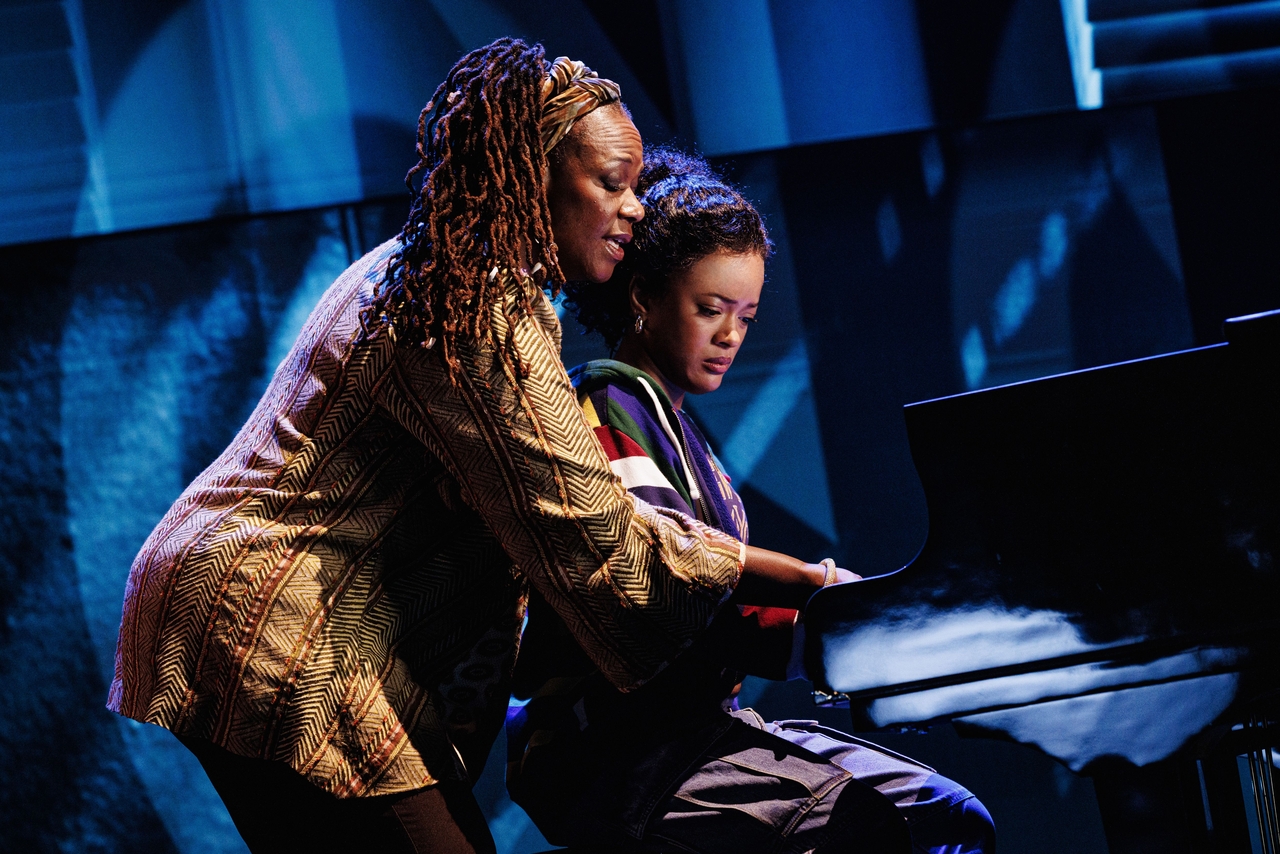 [Herald Economy = Reporter Go Seung-hee] When the elevator doors opened to the 17th floor, a jazz trumpet greeted me. On the 16th floor, a piano line carried on; from another level an operatic aria floated out. Walking that corridor, you encounter the struggles and dreams of musicians who feel like legends. On West 43rd Street in Manhattan stands Manhattan Plaza, in the heart of Hell’s Kitchen — a neighborhood that, in the early 1990s, boiled over with drugs and violent crime.
Just a block from Broadway’s glittering theater district, this corner of the city was once one of New York’s most dangerous and neglected slums. Built as public housing for low-income artists, it nurtured the artistic spark of R&B superstar Alicia Keys, a 15-time Grammy winner. She says that as a girl she struck the piano harder to drown out the nightly fights and sirens — a force that would later feed and shape her music.
Alicia Keys’s autobiographical story has now arrived on Korean stages as the Broadway musical Hell’s Kitchen.
Alicia Keys told Herald Economy in a written interview that she grew up a block from the theater where Hell’s Kitchen premiered on Broadway. “I walked past that theater all the time. Holding my mother’s hand and watching show after show, I dreamed I might one day belong to that world,” she recalled.

Alicia Keys began work on the musical some 13 years ago — well before her first son was born.
She describes the process of bringing the show to the stage as an “amazing journey.” Watching many people unite behind a single vision inspired her, she said. “It took a long time to reach the starting line, but it remains one of the most meaningful achievements of my life.”
The creative team is impressive. Playwright Kristoffer Diaz, a Pulitzer finalist, wrote the book, and Broadway director Michael Greif — known for Rent and Dear Evan Hansen — led the production. After development runs at the Public Theater off-Broadway honed the piece, it opened on Broadway in 2024.
Critics praised the show as “one of the most successful recent jukebox musicals at grounding its narrative.” They noted how the production captured the raw energy of New York’s streets and reimagined familiar hits as fresh, emotionally charged moments within the story.
The musical is set in 1990s New York. Keys says, “The New York I grew up in was bold, intense and unmistakably itself,” and she believes audiences who haven’t experienced that city can still connect. Onstage, New York functions not just as a place but as a character — an emotional landscape.
“When we stage Hell’s Kitchen in a new city, whether audience members have been to New York or not doesn’t matter. New York isn’t merely a location; it’s a feeling. Stories about chasing dreams, finding family and community, and ultimately finding your voice resonate across borders.”
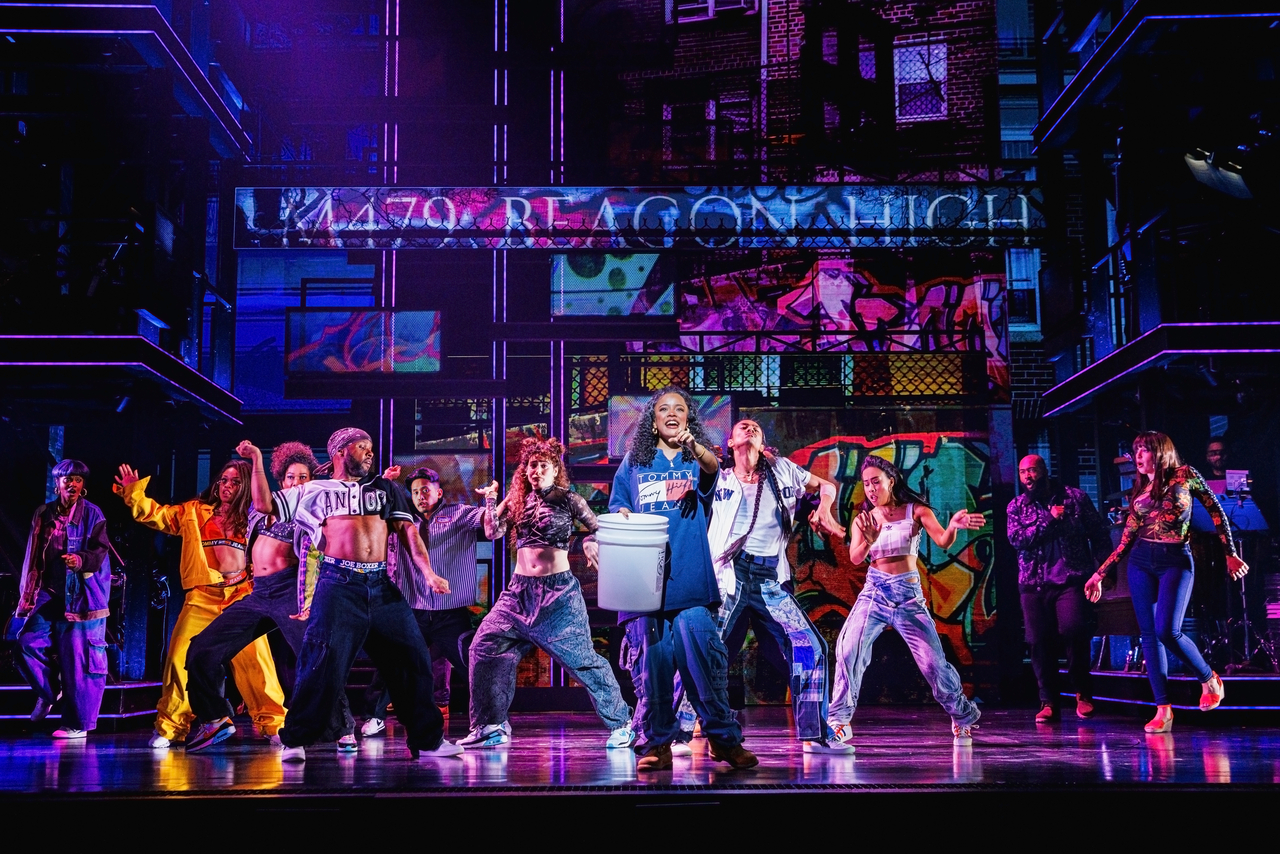
The show features many of Keys’s familiar hits, but it doesn’t present them as a simple playlist.
Keys says the most compelling discovery in adapting existing songs was how they gained new shades and meanings inside the story.
Onstage, the protagonist Ali pounds the piano until the keys threaten to break, trying to drown out the street noise and fear. Songs like “Fallin’” and “If I Ain’t Got You” are not presented as polished pop; they become the screams and longings of someone fighting to survive on Hell’s Kitchen’s rough asphalt. The love song “No One” is transformed into a powerful anthem of solidarity that captures the fierce love and resentment between mother and daughter, while “If I Ain’t Got You” becomes a bridge between Ali and her musical father.
Keys says the music had to do more than fill spaces between scenes — it had to propel the narrative and the emotions. Through workshops, the team balanced musical polish with what the characters truly needed. They also added a new number, “Seventeen,” borrowing from traditional musical styles to drive the drama forward.
Transitioning from singer-songwriter to lead Broadway producer presented another struggle for Keys. At the Broadway premiere, she exposed the invisible barriers a Black woman faces within an industry long dominated by white male elites. Securing financing and realizing her vision took 13 years.
Keys did more than lend her name. She worked with choreographer Camille A. Brown to authenticate the identity of 1990s New York street culture. They recreated wardrobe details — Timberlands, oversized denim, and youth hairstyles like cornrows and braids — to evoke the era onstage.
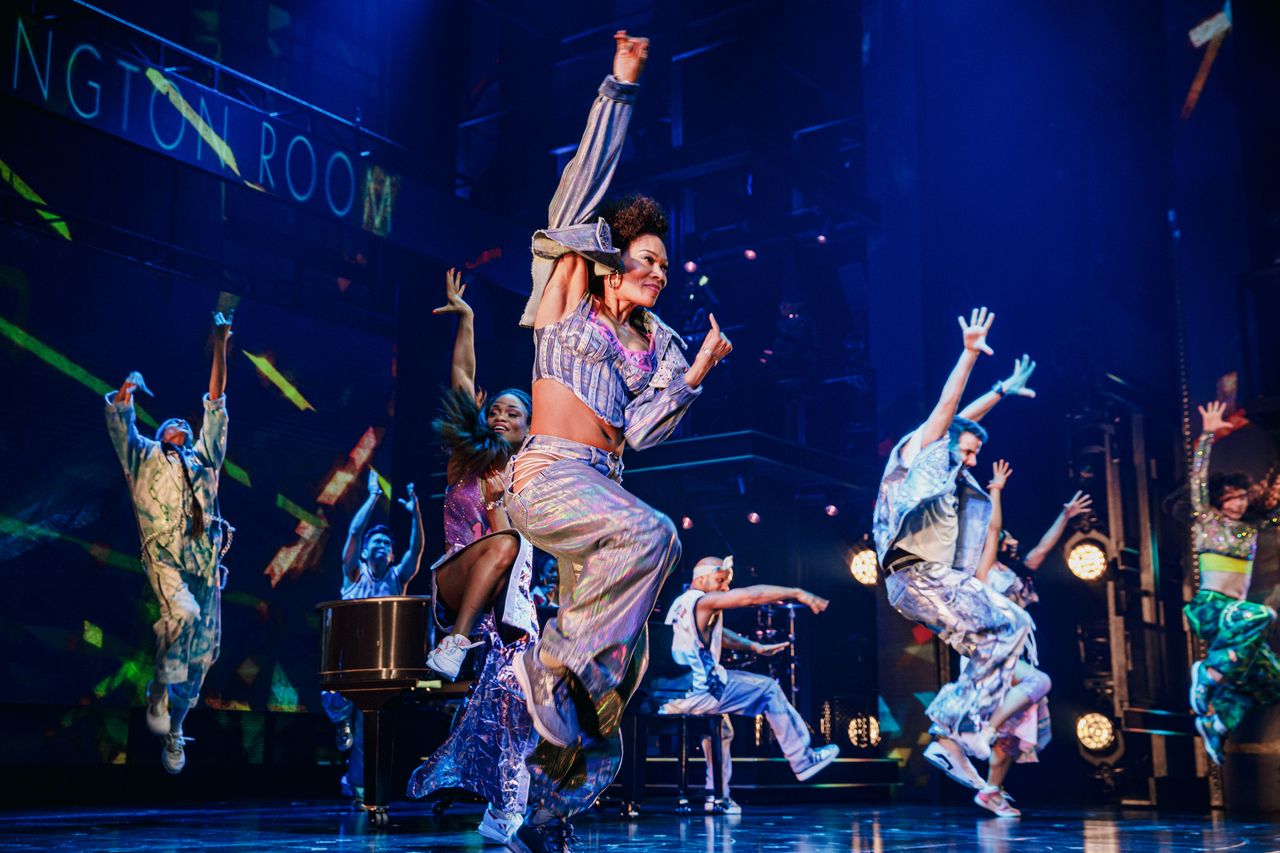 Keys says producing taught her to balance Broadway’s artistry with its business demands — to think long-term while tending to small aesthetic details.
Her persistence paid off. Hell’s Kitchen earned 13 nominations at the 77th Tony Awards in 2024 and won Best Actress (Malia Joy Moon) and Best Featured Actress (Keshia Lewis).
Keys said she felt proud that the show stood at the center of a moment recognizing both the dazzling debut of new talent and the long career of a Broadway veteran.
At the heart of the show is a fierce mother-daughter bond. Keys admits the onstage conflict mirrors more than 90% of her teenage memories.
“This story captures my relationship with my mother, Terria Joseph,” she said. “My mother was my closest friend and my rescuer who introduced me to art and music.”
As a single mother raising a daughter in a rough neighborhood, her mother imposed strict curfews and close supervision. Keys remembers rebelling fiercely against what felt like a prison of overprotection and discipline.
The real story of the show begins after those growing pains. Keys says Ali undergoes substantial growth and maturity — and that transformation is the heart of the piece. Onstage, Ali changes before the audience’s eyes and comes to understand the power and meaning of her mother’s love. She realizes that her mother’s harshness was a bunker built to protect her from the crimes and decay of the streets.
Broadway stages host countless shows, but few explore parent-child relationships this intensely. Keys says the fierce, sacred bond between mother and daughter rarely appears on Broadway, and she treasures being able to share that perspective with audiences as a producer.
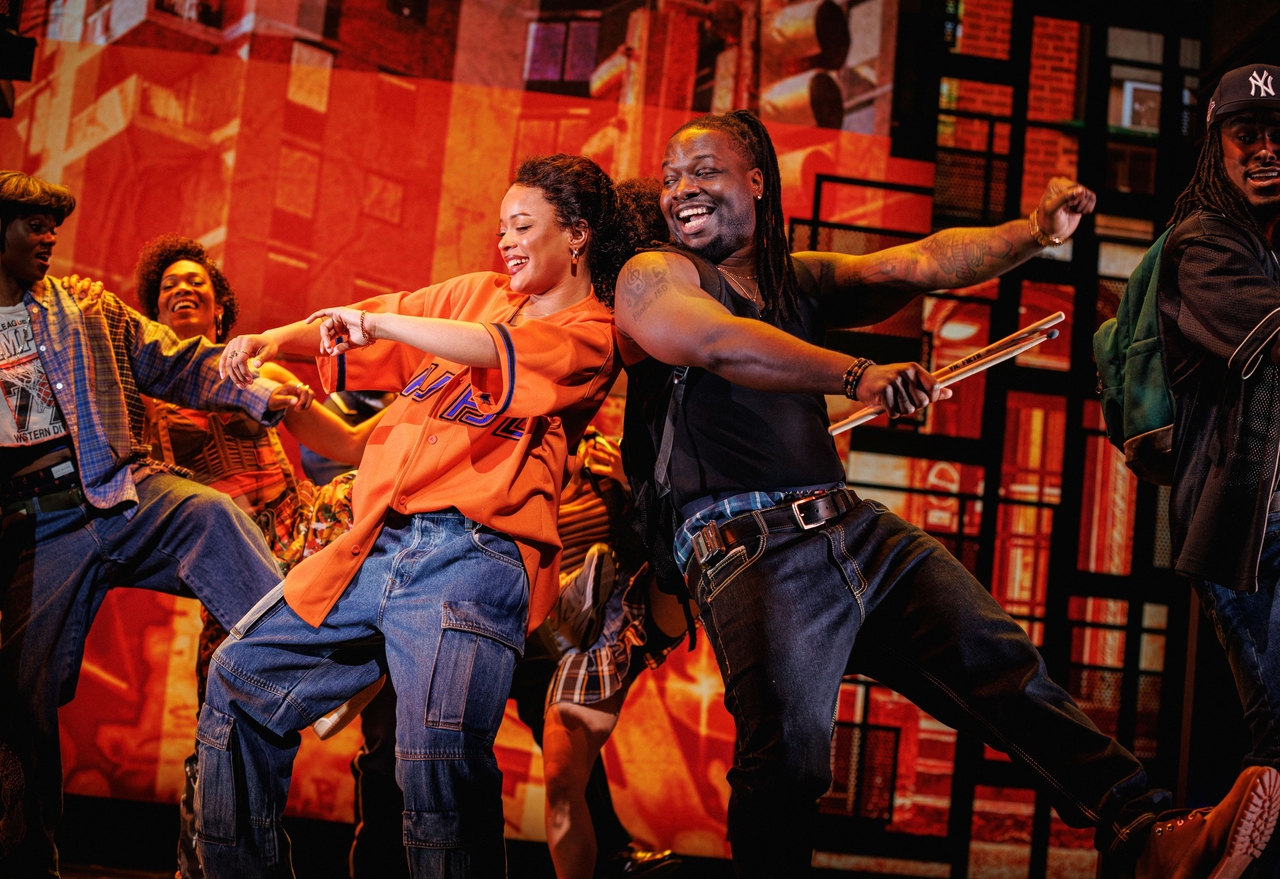
The Korean production offers Keys one of the most wondrous moments of her life: hearing the songs that shaped her sung in Korean.
“Even in another language, the essence and emotion of the story remain intact. I’ve never heard my songs sung in Korean, so this feels like a huge gift,” she said.
In casting, Keys prioritized authenticity over technical perfection. She was struck by Korean actors’ ability to build emotional connections that transcend language. For the Korean premiere, acclaimed vocalists Son Seung-yeon, Kim Su-ha and Park Ji-won take on the role of Alicia, while Park Hye-na and Choi Hyun-seon play her mother, Judge, creating a densely woven drama.
“Everyone will see themselves in this show. Don’t forget where your dreams began, and remember that family and community are what matter most to who you are today.”














Most Commented