
Translation result
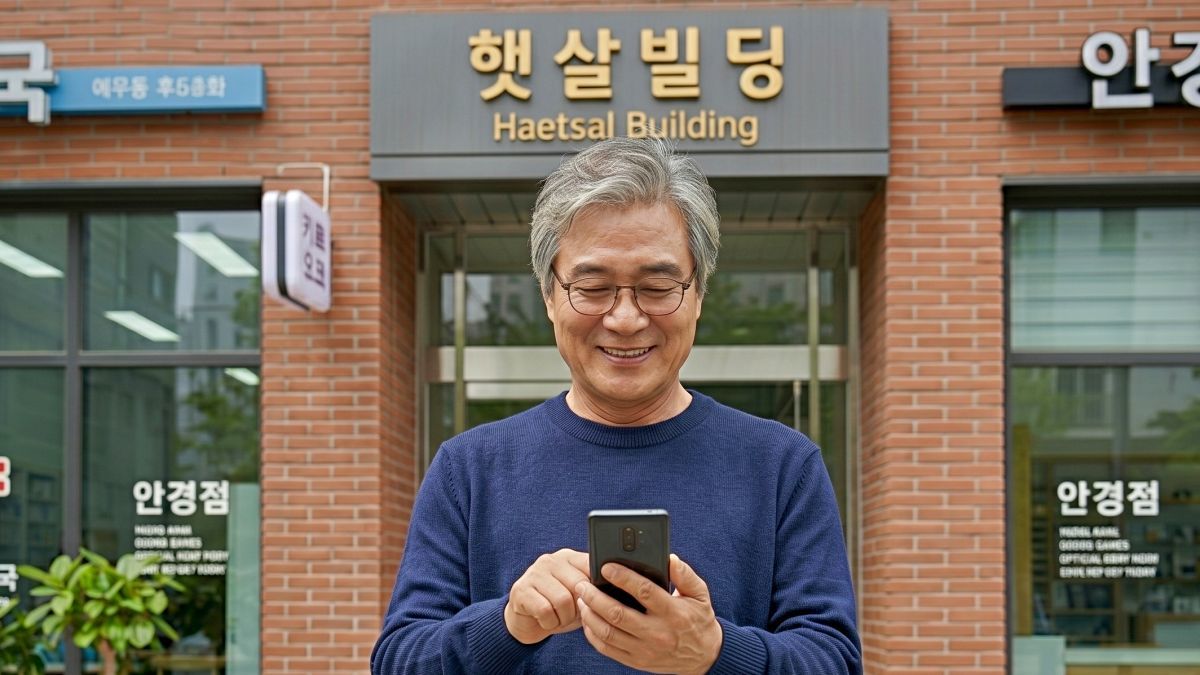
For many people approaching or already in retirement, money is the first thing on their minds. You’ve probably heard that owning a small commercial building can let you live comfortably on rental income. Indeed, retirees who own a small storefront on the outskirts of Seoul or in the greater metro area often draw envious looks. But reality is more complicated. In retirees’ circles it’s common knowledge that vacancies, tenant disputes, maintenance costs and loan interest can leave building owners with far less cash than they expect.
Ultimately, the quality of your later years depends on more than the size of your balance sheet. Retirement planners and gerontology researchers repeatedly point to one consistent factor: habits. Even substantial assets can’t secure a good retirement if habits fall apart, while people with certain daily practices report higher life satisfaction even without large holdings.
So what habits can deliver a top 10% retirement without owning a small building? Here’s a closer look.
First — Start by tracking what you actually spend
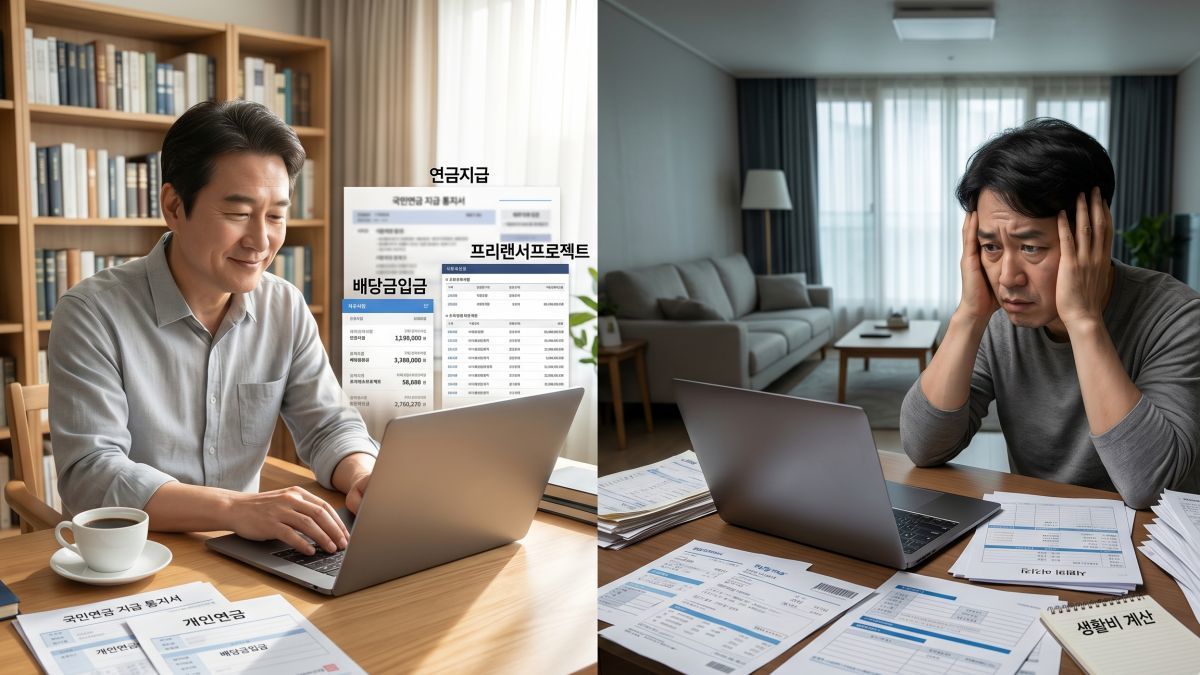
One of the most overlooked parts of retirement planning is simply knowing your expenses. Many people have only a vague sense of what they’ll need and don’t know how much they spend each month. After leaving the workforce, spending patterns change sharply: transportation, dining out and clothing costs usually fall, while medical and leisure expenses rise. People who anticipate those shifts feel much more secure in retirement.
Financial planners typically begin retirement consultations by mapping current spending. The goal is to identify what can be cut when income shrinks and what can’t. Making that analysis a habit lets you absorb unexpected costs without destabilizing the household budget.
Second — Build multiple income streams
The appeal of rental income is clear: money that comes in without your active work. But you don’t need property to create that structure. Combining national pension benefits, an occupational pension and a private pension already gives you three income streams. Add dividend income, small part‑time work or freelance gigs that leverage your expertise, and you create a cash flow that doesn’t vanish overnight.
Crucially, it’s too late to start building those streams only after you retire. Those who habitually develop multiple income sources before retiring enjoy steady cash flow from day one. Starting after retirement often means a stressful, costly gap while you prepare.
Third — Make maintaining health a habit, not just an expense
Healthcare is one of retirement’s largest costs. But the most effective way to reduce medical bills isn’t more insurance—it’s staying healthy. When someone in their 60s develops a chronic condition, monthly drug, doctor and test expenses can add up. Over a decade or two, those costs erode retirement savings regardless of how much you own.
Research on quality of life in older age repeatedly shows a gap in medical spending between people who exercise regularly and those who don’t. Those who stick with low‑impact activities—walking, swimming or yoga—tend to need fewer doctor visits in their late 60s and 70s. That’s a quiet but powerful way to protect retirement assets.
It’s not just exercise. Sleep quality, diet and moderating alcohol all interact. After age 60, muscle loss accelerates, so combining adequate protein with strength training becomes especially important. Knowing this isn’t enough—turning it into habit makes the difference.
Fourth — Maintain social ties; they help ward off cognitive decline
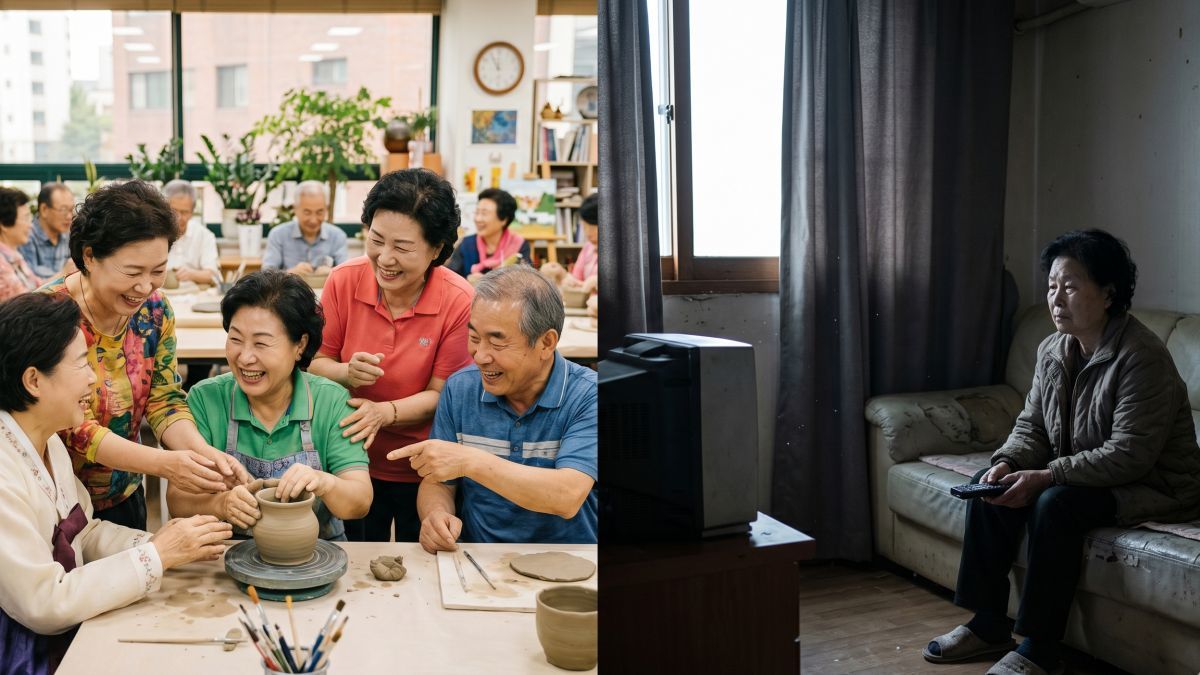
In older adult mental health, social connection is among the strongest protective factors. When social contact drops suddenly after retirement, isolation can set in quickly. Studies link that isolation not only to loneliness but to measurable declines in cognitive function.
Research from Japan and Northern Europe finds a consistent pattern: groups that sustain active social lives into old age preserve cognitive function longer and report higher life satisfaction. That’s why club meetings and hobbies aren’t just ways to pass the time. Regularly meeting people, talking and doing things together has a tangible impact on wellbeing and longevity.
In Korea, studies show that social participation among people over 60 is inversely correlated with depression. Whether through religious groups, alumni gatherings, volunteer work or clubs, those who maintain regular networks diverge increasingly over time from those who don’t.
Fifth — Keep your brain active by learning
After retirement, many people spend far more time watching TV. That isn’t necessarily harmful, but the risk is that the brain loses stimulation. Medical research shows cognitive function declines when the brain isn’t engaged.
Learning new skills helps preserve neural connections. Take up an instrument, study a language, try drawing, write, or explore new digital tools—anything that presents a first‑time challenge. Making mistakes, wrestling with problems and improving incrementally keeps the aging brain sharp.
Multiple international studies find that seniors who read regularly have lower dementia rates. Reading isn’t merely cultural enrichment; it’s a habit that supports cognitive health.
Sixth — Value experiences over possessions
Happiness research in older adults often reaches the same conclusion: people who spend on experiences rather than material goods report higher life satisfaction. That pattern holds beyond youth.
Even after 60, those who spend on travel, cultural activities or new experiences report greater satisfaction than peers with similar assets. That doesn’t mean big spending is required. Whether it’s a short domestic trip, a visit to a local museum or trying a new neighborhood restaurant, actively seeking new experiences in everyday life matters.
Conversely, those who focus solely on saving and then do nothing when they can finally spend often face late‑life regret and depression. Finding a balance between preserving wealth and enjoying life is itself a habit.
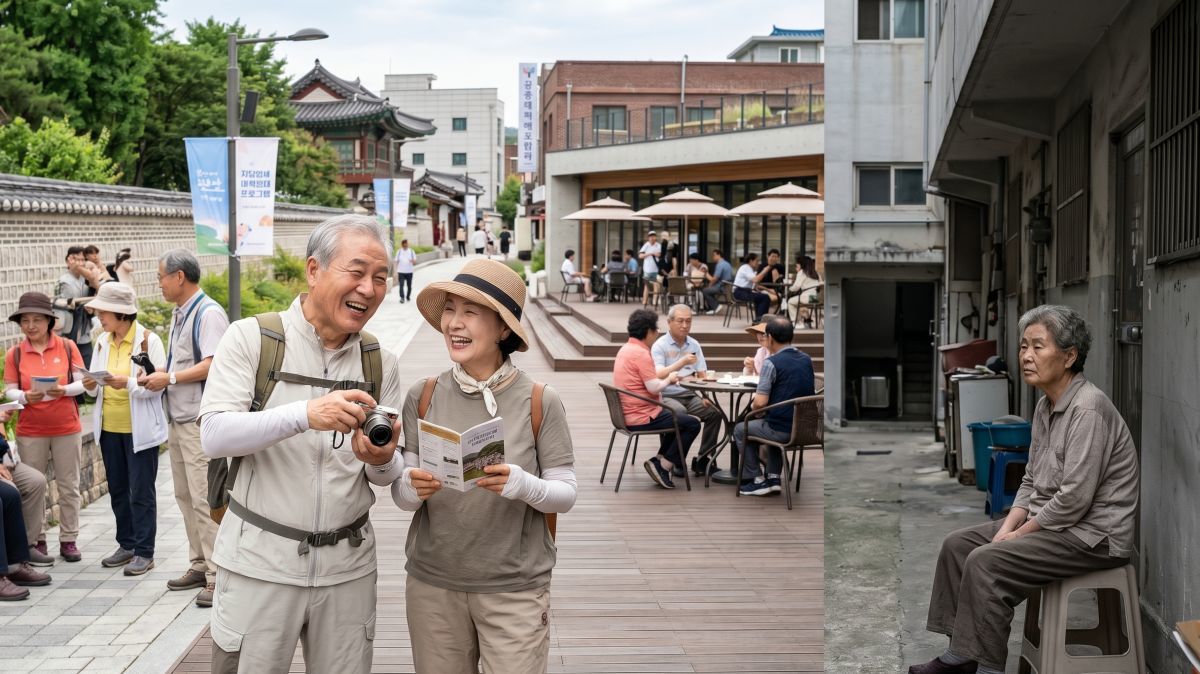
In the end, retirement is the sum of your practiced habits
Owning a small building won’t automatically guarantee a happy retirement. Assets can’t offset declining health, social isolation or poor spending control. Conversely, people who weave the habits described here into daily life often enjoy a stable, fulfilling retirement even without property.
Retirement doesn’t begin overnight. The habits you form now shape your life 10 or 20 years from now. If your strongest retirement asset isn’t a building, it may well be the right habits you’ve cultivated over decades.










Most Commented