
Why Korean ‘Sukgat’ is More Than Just a Decorative Herb: Discover Its Health Benefits
Daniel Kim Views
Translation result
Surprising food: grown as an ornamental in Europe, prized as an herbal ingredient in Korea
Contents
Why crown daisy stands out among vegetables
Why its bold aroma matters
Loaded with antioxidant power
Why it’s considered a warming ingredient
How Europe and Korea use it differently
Smart ways to eat crown daisy
Ultimately, food is culture
1. Why crown daisy stands out among vegetables
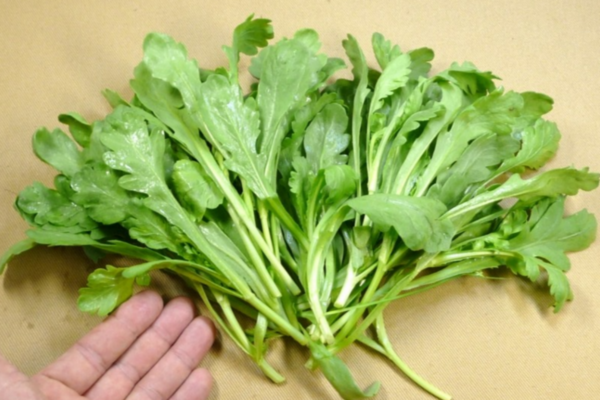
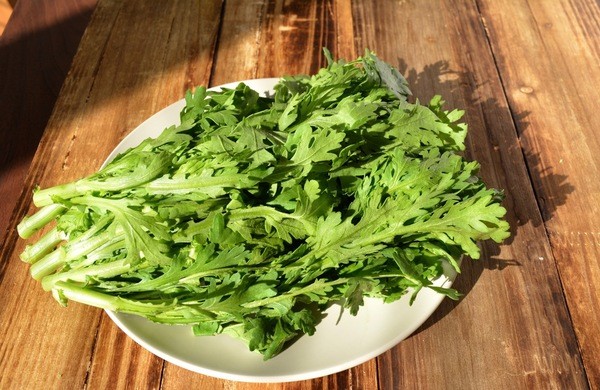
Crown daisy (called ssukgat in Korea) has a fragrance so distinctive that people tend to love it or hate it. In Korea it’s a go‑to for stews and soups; in parts of Europe, growers sometimes cultivate it for its scent and delicate flowers. It’s a perfect example of how the same plant can play totally different roles across cultures.
2. Why its bold aroma matters
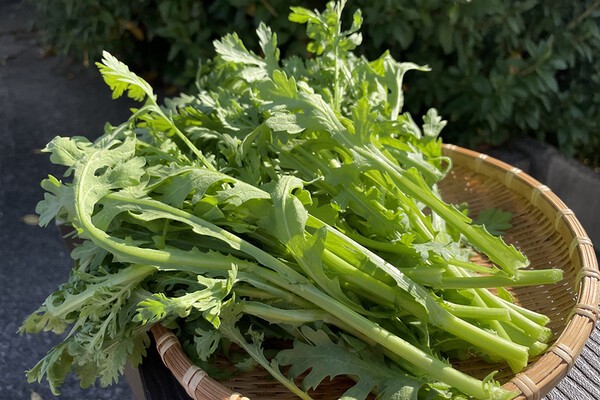
That punchy scent comes from plant-derived aromatic compounds. Strongly scented vegetables often contain a mix of bioactive molecules, which is why chefs and nutrition experts spotlight them for both flavor and potential health benefits.
3. Loaded with antioxidant power
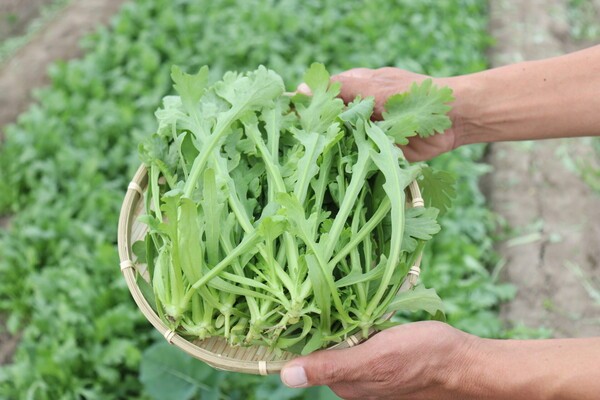
Crown daisy packs vitamins and polyphenols—compounds often linked to lowering oxidative stress and protecting cells. Like many leafy greens, it offers notable nutrient density for its size.
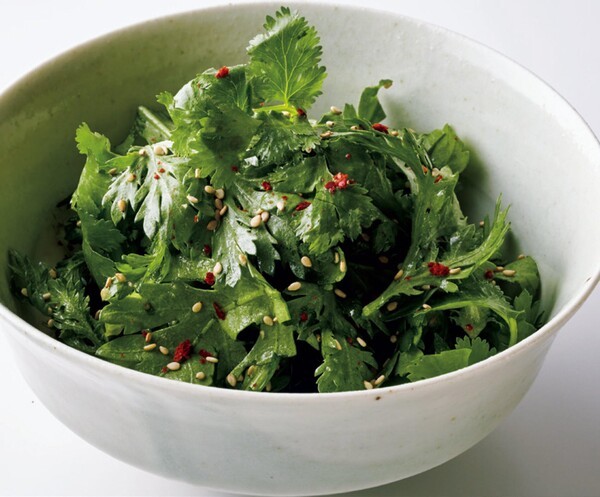
4. Why it’s considered a warming ingredient
Because its aroma is so pronounced, crown daisy has long been thought to have warming qualities. Add it to broths and the scent fills the pot—many people say it boosts appetite and gives a comforting, energizing feel.
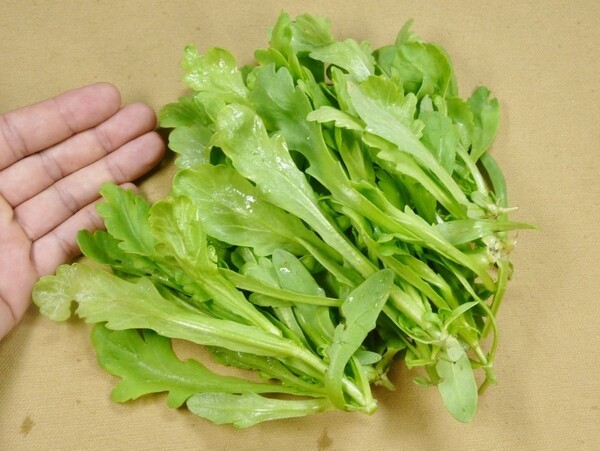
5. How Europe and Korea use it differently
In Europe you’ll sometimes find it grown for its visual appeal—pretty leaves and flowers—while in Korea it’s used mainly as a flavoring ingredient. Koreans often pair crown daisy with rich, fatty dishes like grilled meats or hot pots to cut through oiliness and add brightness.
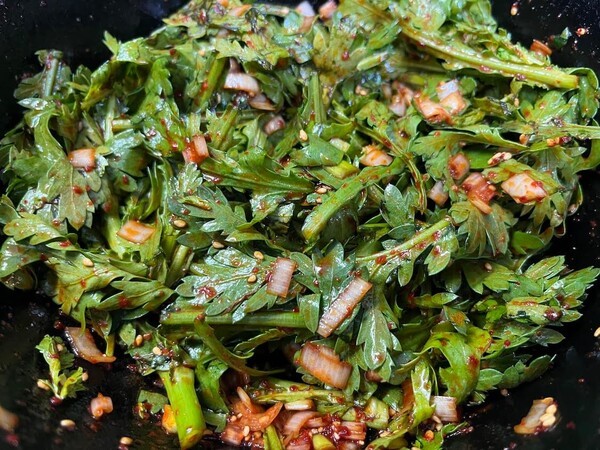
6. Smart ways to eat crown daisy
Don’t overcook it—long heat dulls both aroma and texture. Toss it in at the end of cooking so it wilts briefly, or dress it raw in a salad. It’s also great piled on top of hot pots. Because the flavor is strong, a little goes a long way.
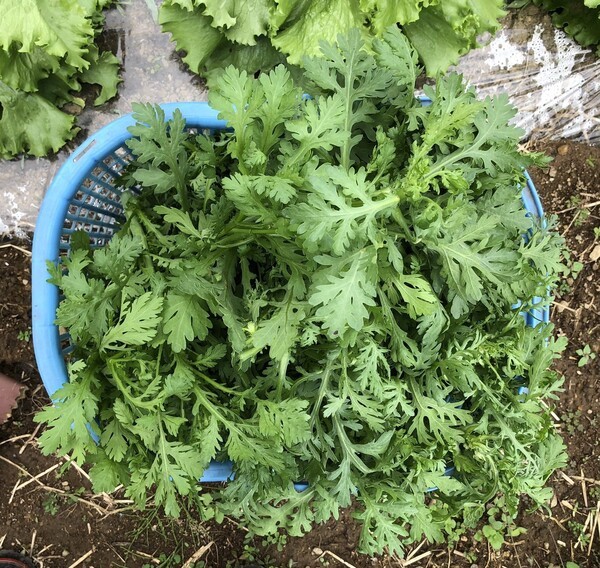
7. Ultimately, food is culture
In one place it’s admired as an ornamental blossom; in another it’s celebrated as a restorative vegetable. How we value a plant depends entirely on how we choose to use and enjoy it.











Most Commented