
Translation result
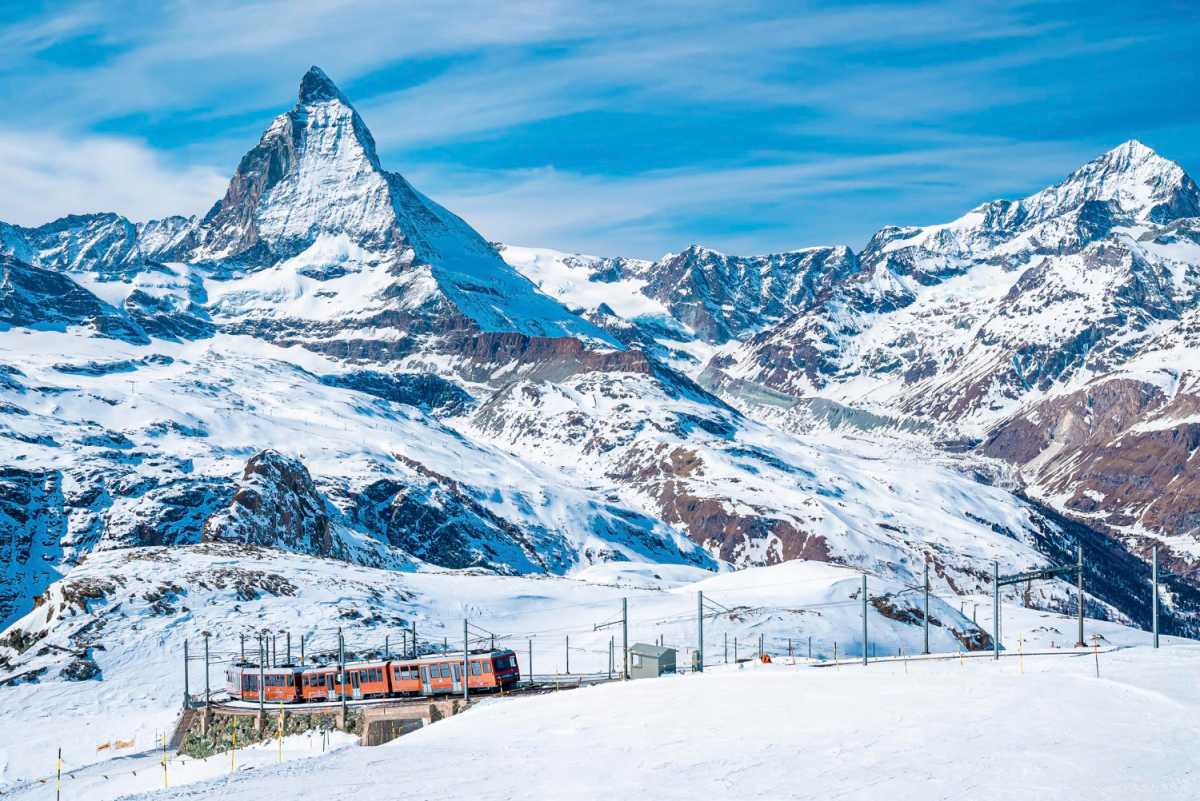
Switzerland’s sky-high standard of living—and the prices that come with it—can make even seasoned travelers pause. Weather changes dramatically with altitude and terrain, so pack smart. And because Switzerland is famously expensive, budgeting ahead will save you surprises (and stress) on the road.
Below, we break down on-the-ground climate and cost tips for top spots like Interlaken, Geneva, Zurich, Lucerne, and Grindelwald, so you can plan like a pro.
Best time to visit by city
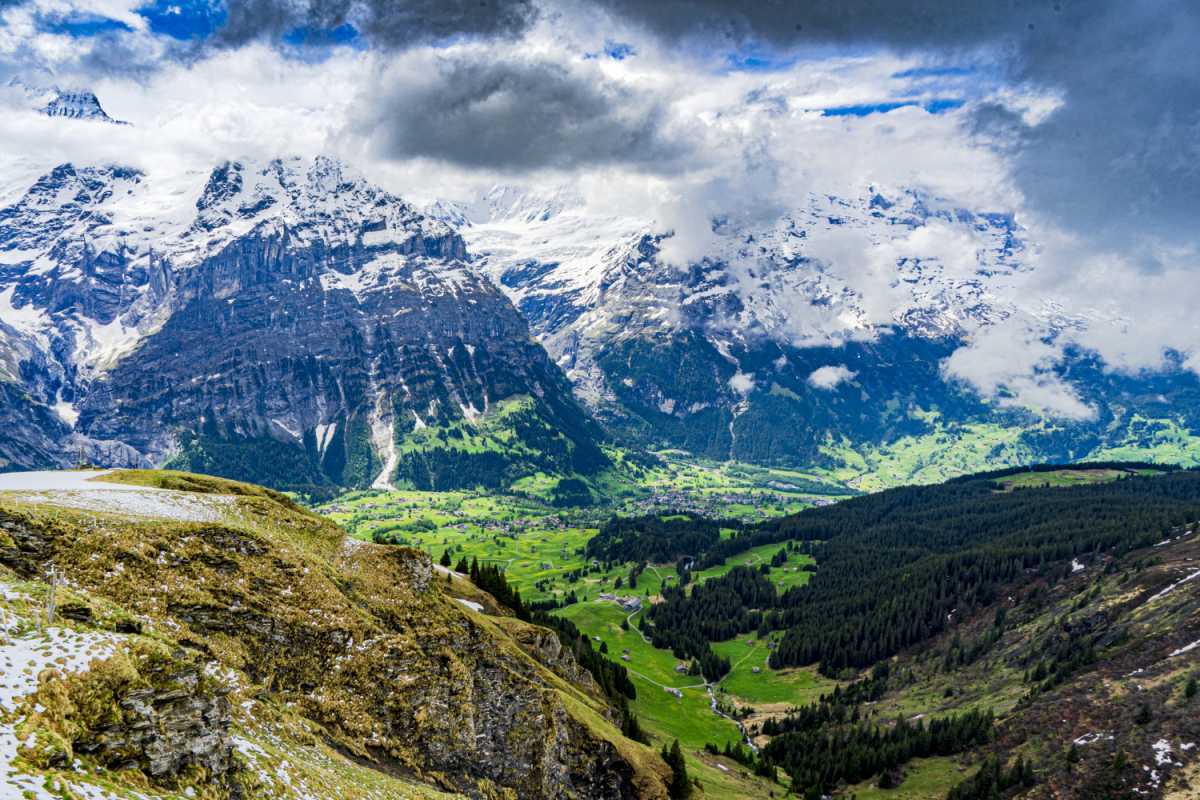
▲ Interlaken and Grindelwald
June and September are ideal for hiking—great weather and fewer crowds keep accommodation costs friendlier than July and August. July and August are peak season: absolutely lovely weather, but expect crowds and premium prices. In April and November you might score lower rates, but cable cars sometimes close for maintenance, which can limit mountain access.
▲ Zurich and Geneva
Switzerland’s cities are visitable year-round, but May and June shine with mild weather before peak season kicks in. Be aware of big events—Zurich’s Street Parade around August 8 can send hotel rates through the roof, sometimes more than doubling normal prices. If you’re watching your budget, skip those dates.
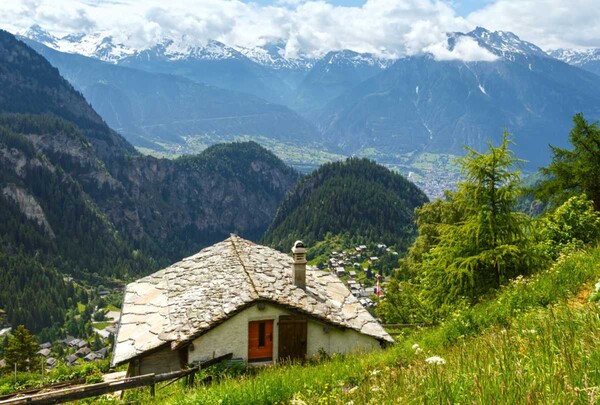
▲ Lucerne
Lucerne looks its best from late spring through summer. The Lucerne Festival attracts world-class orchestras—perfect for culture lovers. Just remember festival weekends fill up fast and push prices higher.
Overall, June through September is the sweet spot for Swiss weather: most mountain trails open and scenery is at its peak. Just expect peak-season prices to be a bit steeper.
How the weather feels and what to wear
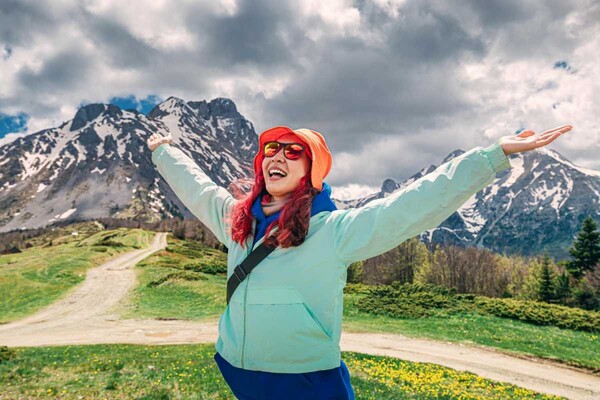
▲ Interlaken · Grindelwald
These two spots demand the most weather prep. As Alpine hubs, conditions can flip quickly—perfect t-shirt weather in town can turn chilly on mountain viewpoints like First or Jungfraujoch. Layer up: short sleeves or lightweight long sleeves, a windbreaker, a thin knit, and a light down or padded jacket. High altitudes like Jungfraujoch can still show snow and glaciers even in midsummer, so don’t get caught underdressed.
▲ Zurich · Geneva · Lucerne
City weather is generally steadier than the high Alps, but sudden showers happen. Pack a light waterproof jacket or poncho for comfort during outdoor exploring. In Zurich and Geneva, opt for polished casual looks over full-on hiking gear—these cities have a metropolitan vibe.
How prices feel
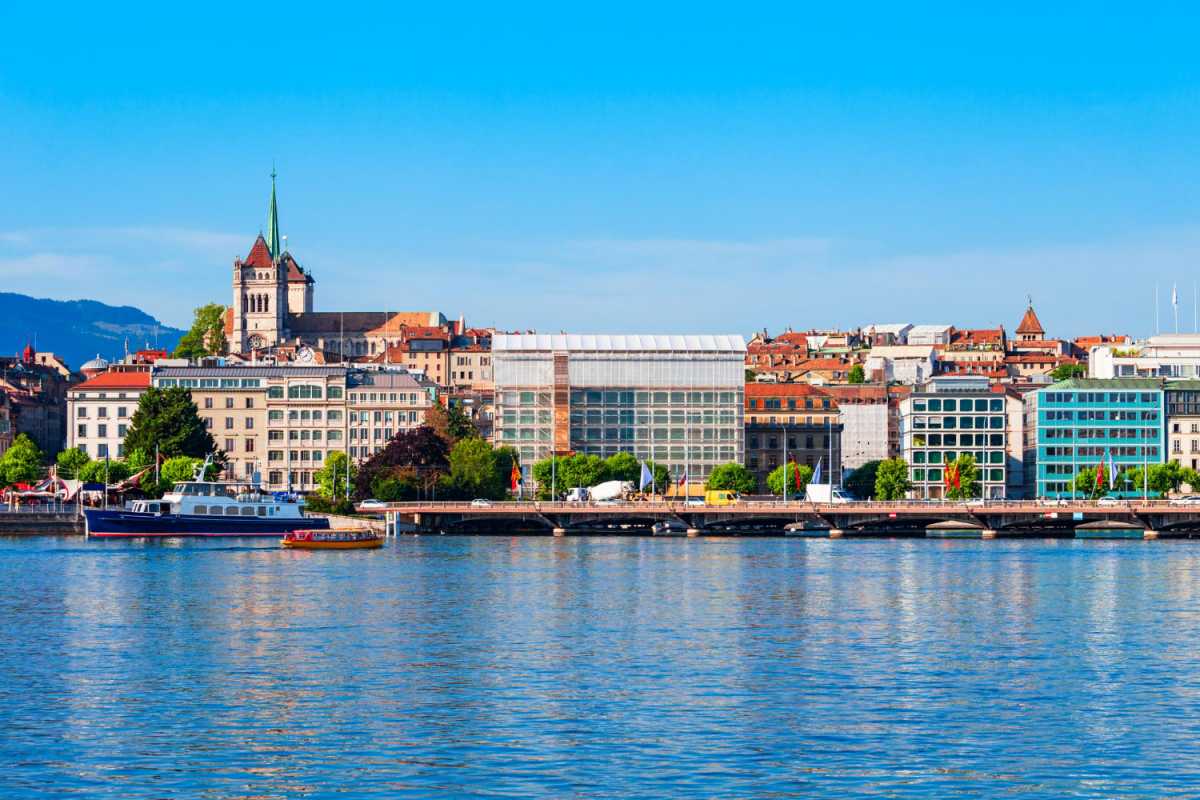
Switzerland sits near the top of Europe’s price ladder. Travelers notice costs most for lodging, food, and transportation. In alpine towns like Interlaken and Grindelwald, accommodation during high season can account for more than half of your budget. In Zurich and Geneva, it’s less tourist markup and more the everyday cost of city life that feels pricey.
Even a coffee, a sandwich, or a casual meal can sting. Lucerne is compact but touristy—lakeside restaurants and centrally located hotels tend to charge a premium.
Budget hack: use supermarkets.
Shopping at Coop or Migros and cooking with fresh ingredients can slash your food bill. Plan transport costs ahead, too: Swiss public transit is excellent but not cheap. Compare passes based on your itinerary, travel radius, and how often you’ll ride.
City-specific travel tips
Interlaken is the classic Alpine hub: it’s a great base for Jungfraujoch, Grindelwald, First, Lake Brienz, and Lake Thun—ideal for first-time visitors. Even if accommodation is pricier near the station, staying close makes logistics far easier. Grindelwald is a destination in itself—book a chalet night if you want that postcard-perfect experience.
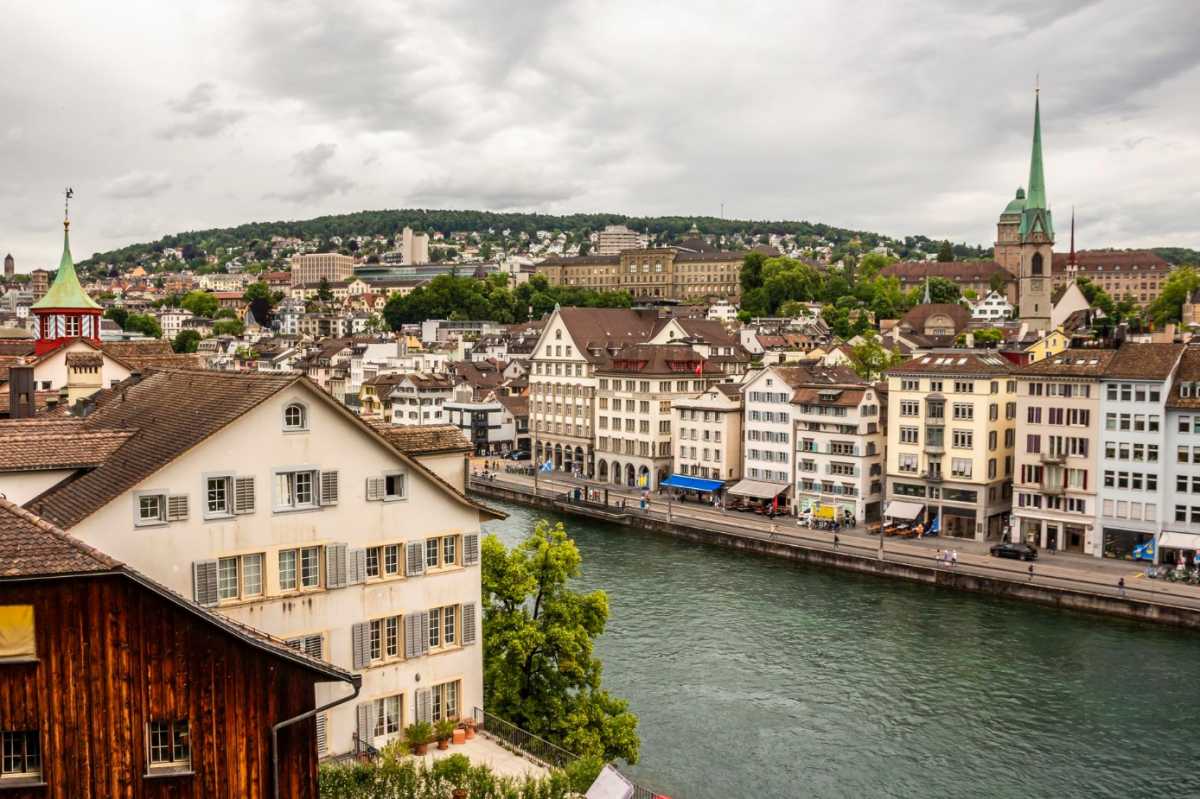
Zurich is an efficient entry and exit point. The airport-to-main-station link is seamless, and you can hit the Old Town, the Limmat River, and Lake Zurich in a half- to full-day. Use Zurich as a first/last stop or a short transit hub if the Alps are your main goal. Geneva sits near the French border—easy to pair with Chamonix or a French itinerary.
Remember: Swiss cities often feel expensive, so pad your lodging and meal budget. In Lucerne, major sights—the Chapel Bridge, the Lion Monument, the Old Town, and Lake Lucerne—are all walkable. You’ll also find plenty to do: Mount Rigi, Mount Pilatus, and scenic lake cruises are just some highlights.
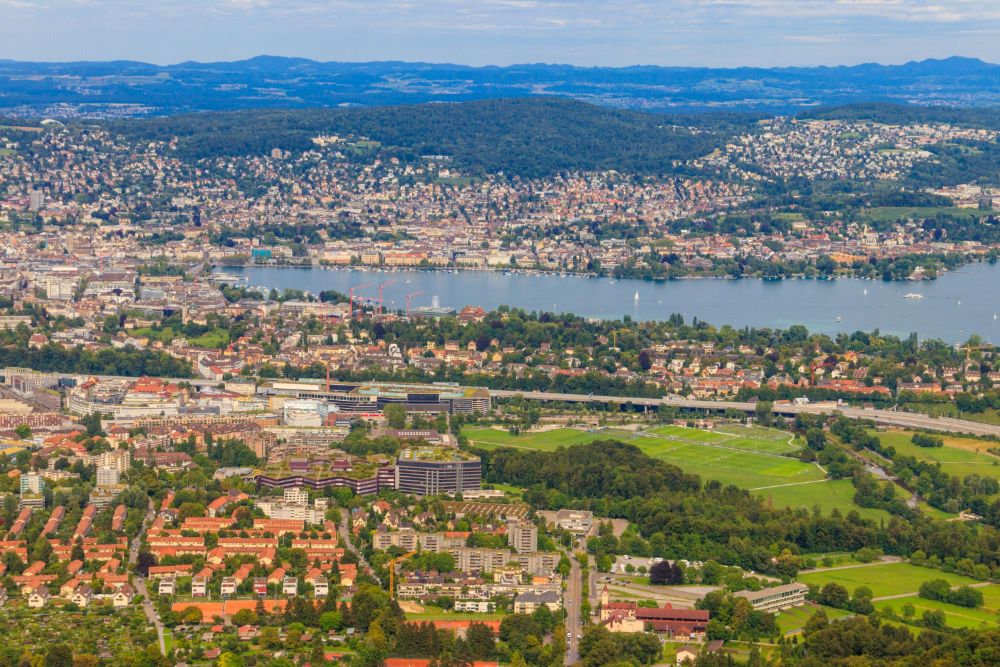
Mastering two variables—weather and prices—goes a long way toward a successful Swiss trip. With smart regional prep and simple money-saving moves like supermarket meals, you can savor the Alps in comfort without breaking the bank.








Most Commented