
Translation result.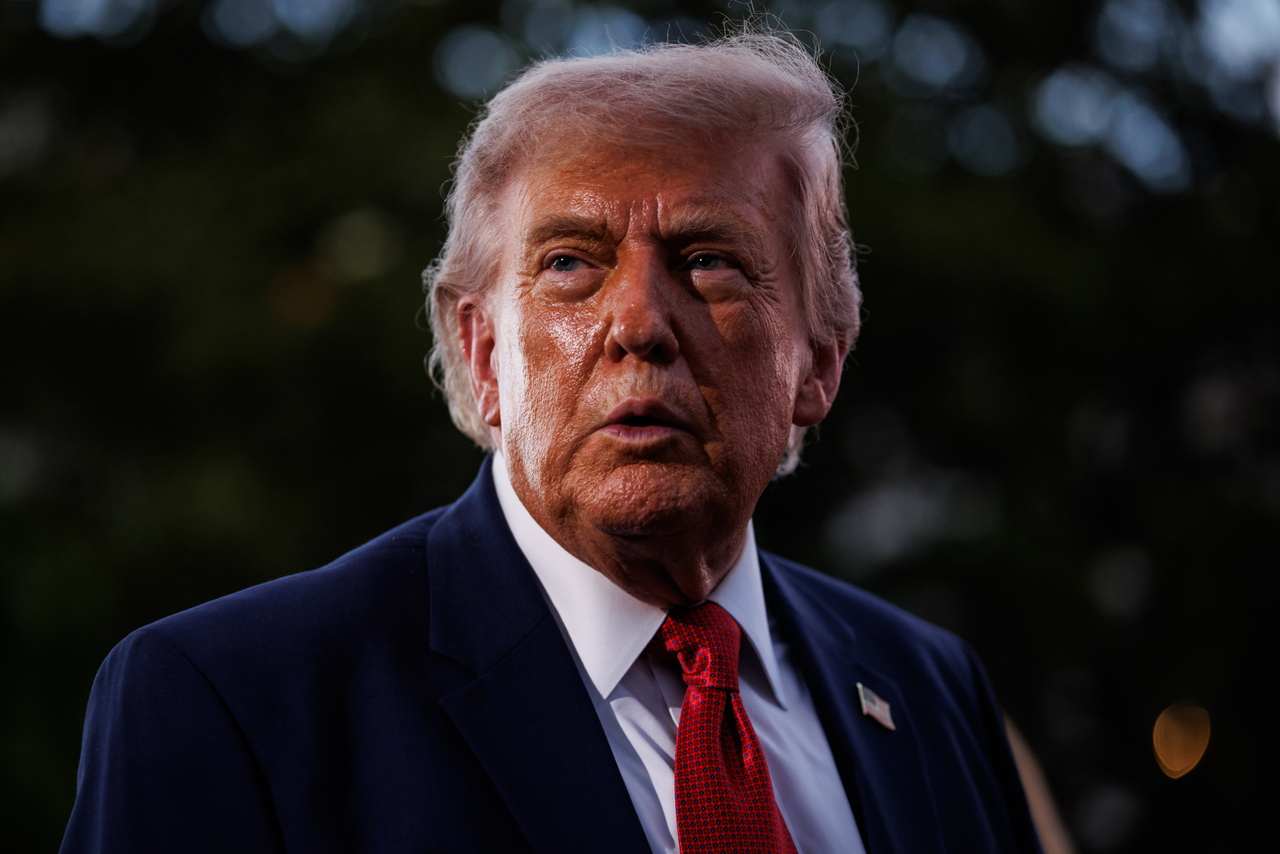 [Herald Economy = Reporter Jeong Mok-hee] Donald Trump’s signature tactic—high-pressure followed by concessions—has proven ineffective with Iran, and talks meant to end the war have produced no breakthrough. On May 19 (local time), Trump again pushed Iran, saying any pause in attacks would last at most until early next week. Iran, meanwhile, has intensified domestic propaganda and appears to be preparing for the possibility of renewed U.S. strikes.
The Wall Street Journal, citing mediators and U.S. officials, reported that Iran’s latest proposal largely resembles past offers. Tehran continues to demand a halt to hostile actions, relief from economic sanctions, compensation for war damages and guarantees that it will have a role in managing the strategic Strait of Hormuz.
The United States is insisting on the shutdown or long-term suspension of Iran’s nuclear program, arguing that the nuclear issue is central to any end-of-war agreement and cannot be set aside. Vice President J.D. Vance told reporters at a White House briefing that “we have two options” regarding Iran: secure an agreement that Iran will not possess nuclear weapons, or resume U.S. military operations.
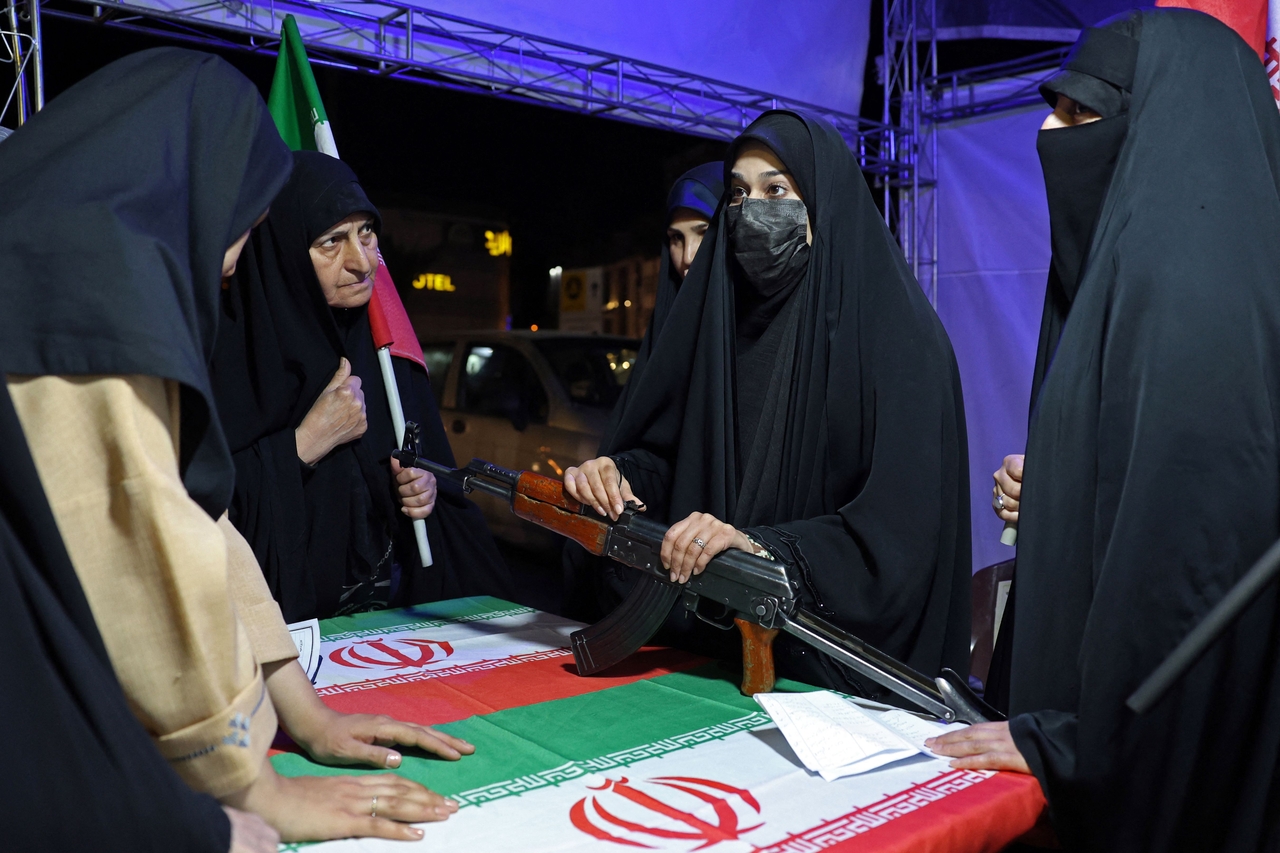 Despite military pressure from the U.S. and Israel, the negotiation dynamics have not shifted, making a ceasefire agreement appear increasingly unlikely. Analysts say Trump’s trademark “intense pressure followed by negotiated concessions” approach has not worked with Tehran. Critics note the strategy resembles past tactics—from imposing high reciprocal tariffs to pursuing bilateral deals and even earlier provocative proposals—yet Tehran has remained unmoved even after U.S. and Israeli strikes reportedly struck more than 20,000 targets inside Iran.
The U.S. and Israel are once again weighing additional airstrikes as a means of increasing pressure in the talks. Regional sources say both countries are preparing further strikes against Iran within days. Advisors reportedly told Trump that limited military action could push Tehran toward negotiations, and those assessments are informing current deliberations about possible air operations.
 Iran delivered its latest proposal to mediators in Pakistan on the 17th even as it continues to prepare for potential U.S. airstrikes. Recently, Tehran has devoted considerable effort to information campaigns aimed at its own population.
State broadcasters have aired a series of programs training civilians in the use of firearms, presented as preparation for a possible U.S. ground invasion. On May 15–16, the state channel Ofogh featured an IRGC officer demonstrating operation of AK-47–type assault rifles, showing disassembly, reassembly, loading and firing.
One segment drew controversy when an anchor was shown aiming a loaded rifle at an on-screen United Arab Emirates flag. Authorities have not confirmed whether live ammunition was used in those broadcasts.
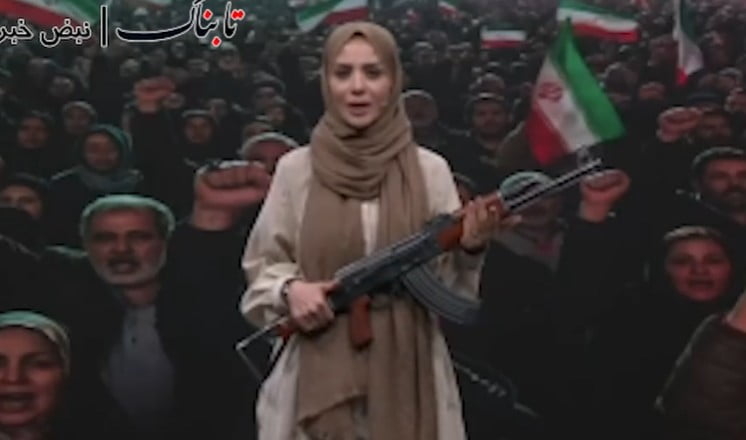
On the 17th, another IRGC officer appeared with a PK machine gun and explained how to load belts. On a different state channel, a female anchor appeared live holding a rifle and declared, “I am ready to give my life for the homeland.”















Most Commented