
Why the Ferrari HC25 is the Ultimate One-Off Supercar: Features, Design, and Performance Insights
Daniel Kim Views
Translation result
● Ferrari unveils the HC25, a one-off built for a single client under its Special Projects program
● Developed on the F8 Spider chassis, retaining its mid-rear, turbocharged V8 combustion-engine platform
● A forward-looking design language with muscular wheel arches and vertically oriented lighting
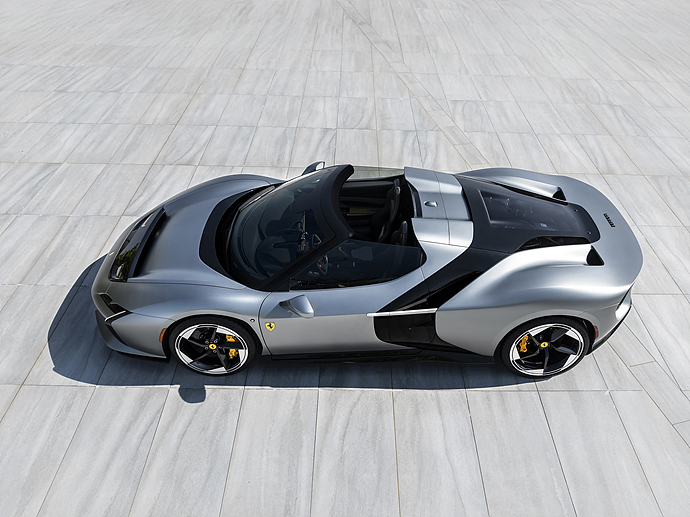
● Matte Moonlight Gray body contrasted by a glossy black central band for heightened visual impact
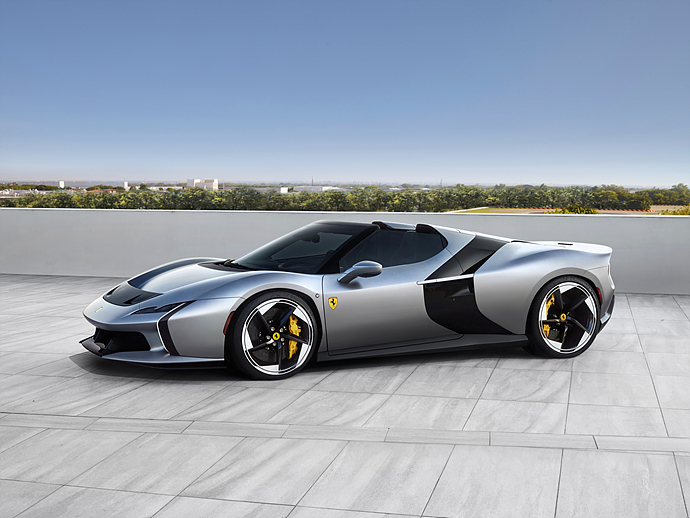
Ferrari introduced the HC25, a bespoke one-off created through its Special Projects program, at Ferrari Racing Days at Circuit of the Americas (COTA). Designed by the Ferrari Styling Center under Flavio Manzoni, the HC25 keeps the F8 Spider’s layout, chassis and mid-rear V8 combustion engine, yet it carves out a distinct position in the marque’s lineup. Built to fulfill a single customer’s precise brief, the car showcases the top end of Ferrari’s personalization capabilities.
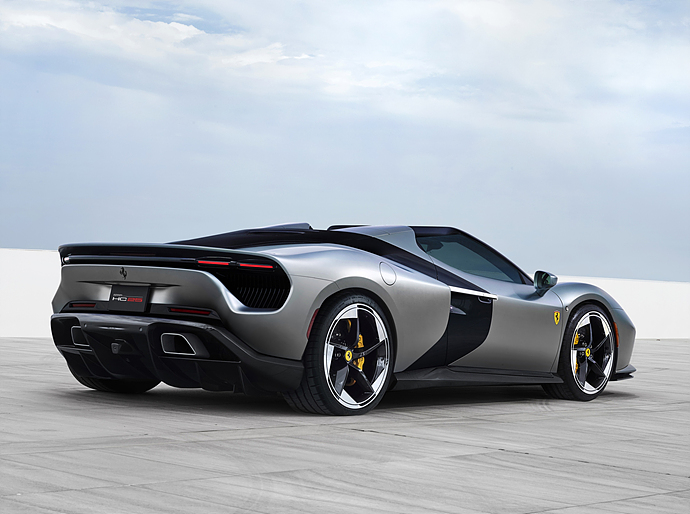
A contemporary reinterpretation of Spider aesthetics
Ferrari set out to reinterpret the mid-engined Spider’s form and visual codes with a bold, forward-looking approach. The F8 Spider—the donor car—carries added symbolism as the last open-top model with a non-hybrid, turbocharged V8 in the mid-rear. Although the HC25 shares that platform, it deliberately separates itself through distinctive styling. The car maintains a sensual stance while emphasizing Ferrari’s signature muscular volumes around the wheels, calling to mind design cues from the flagship F80.
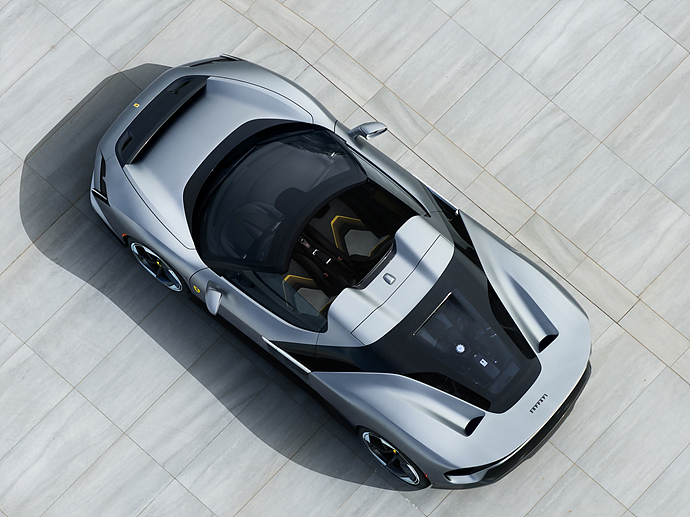
The HC25 closes a chapter on Ferrari’s iconic mid-rear V8 platform while acting as a bridge to the marque’s future vision—signaled by its V12 direction and the F80’s language. Sharp creases, vertically carved side planes and carefully measured lines create a geometric rhythm that works in concert with Ferrari’s flowing surfaces to produce a refined, natural sensuality.
Black ribbon graphic that integrates thermal management
The bodywork features bold graphic elements. Its two-volume composition makes the front and rear read as distinct masses, while a three-dimensional central band connects them. Dubbed the “black ribbon,” this element has a practical role: it houses key thermal-management components such as radiator air intakes and powertrain heat outlets.
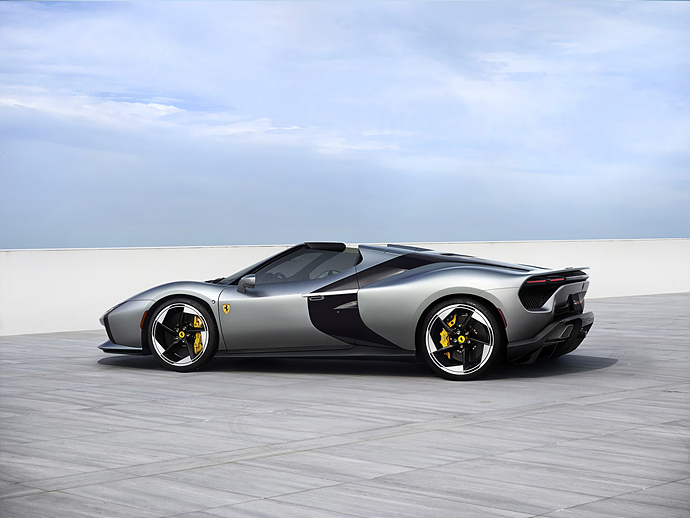
A dynamic arrow-shaped band begins below the rear wheel arch and sweeps forward. It rises across the door, passes a sculpted handle and merges with the rear screen, accentuating the rear’s muscularity and imparting a sense of forward motion. The long, blade-like door handles—milled from a single piece of aluminum—are integrated into the central black ribbon and span the body like a bridging element.
Ferrari’s first vertical DRLs and a technical interior
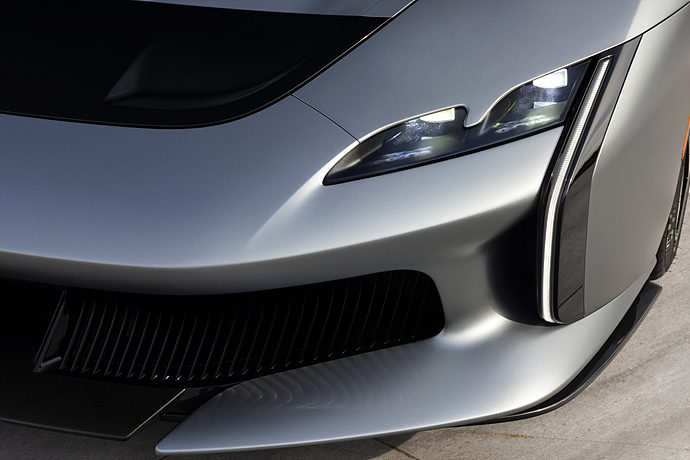
The design reduces the visual dominance of glass surfaces, lowering the shoulder line to sharpen the silhouette. Lighting elements are seamlessly integrated. The bespoke front headlamps use a module applied for the first time on a Ferrari and incorporate ultra-thin lenses; a central groove echoes the split treatment of the rear lights. For the first time in Ferrari history, the daytime running lights are arranged vertically, creating a boomerang-like motif along the outer edge of the front wing.
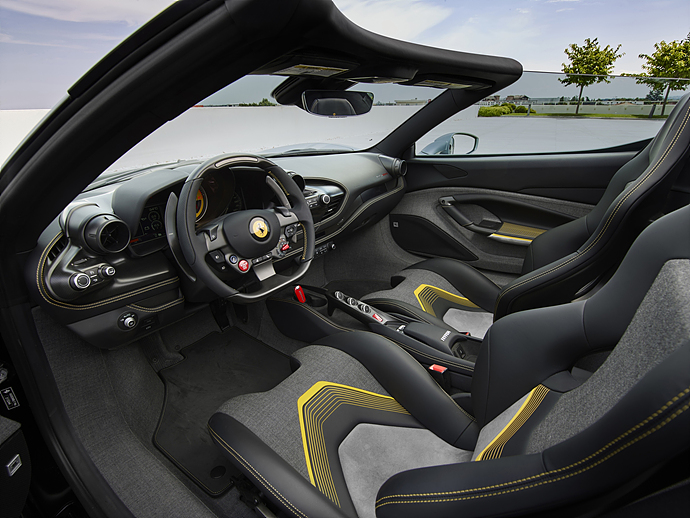
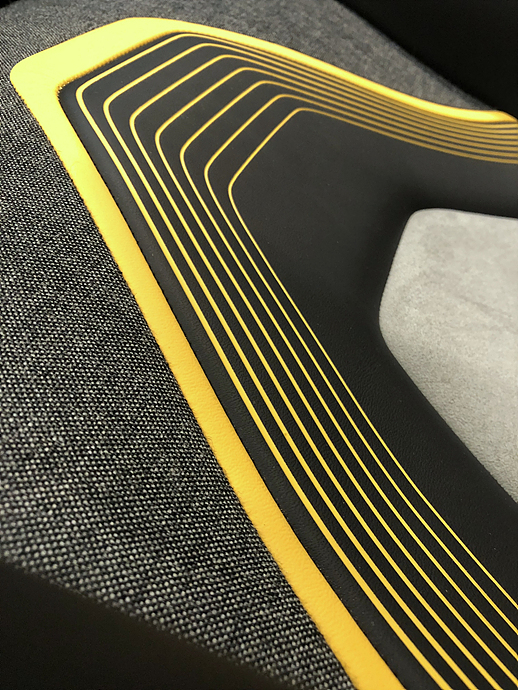
The exterior is finished in matte Moonlight Gray to add solidity and depth, set off by the glossy black central band. Yellow accents on the Ferrari badges and brake calipers carry into the cabin, where gray technical fabric and boomerang-shaped yellow graphics tie the interior trim together. The uniquely styled five-spoke wheels feature a diamond-cut outer rim; dual grooves in the outer channel create a visual effect that makes the wheels appear larger. The slim spokes are finished in a darker tone to emphasize wheel diameter.
A Special Project for a single client
Ferrari’s Special Projects program is dedicated to creating a single, unique car tailored to one customer’s request. Each project starts with the client’s concept and evolves through close collaboration with designers at the Ferrari Styling Center. Once proportions and overall shapes are agreed, detailed design drawings and a styling buck are produced. The process typically takes around two years, during which the client is involved in every stage of design review and validation. The finished, one-of-a-kind car is built in Maranello to the same exacting standards as Ferrari’s production models and wears the prancing-horse badge.
By Won Seon-woong (Global Auto News reporter)
#Ferrari #HC25 #OneOff #FerrariSpecialProject #F8Spider #MidRearV8 #FerrariStylingCenter #Supercar















Most Commented