
Translation result
“I Threw Away the Whole Peel”: The Surprising Fruit Where You Toss Out the Real Nutrients
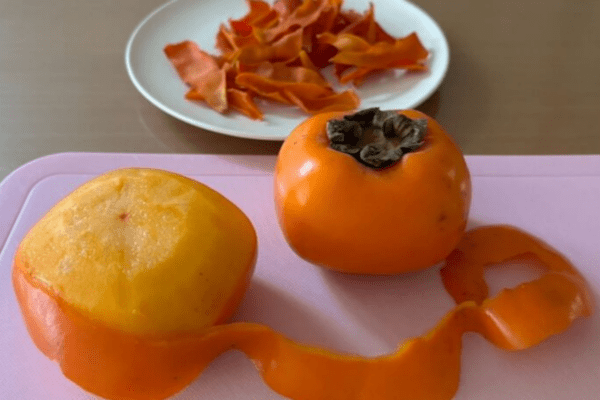
Table of contents
Why people peel persimmons
Why nutrients concentrate in the skin
Where antioxidants are most concentrated
Nutrient losses from peeling
Why this matters more in Korean eating habits
How to eat persimmons with the skin
The parts you throw away determine a fruit’s value
1. Why people peel persimmons
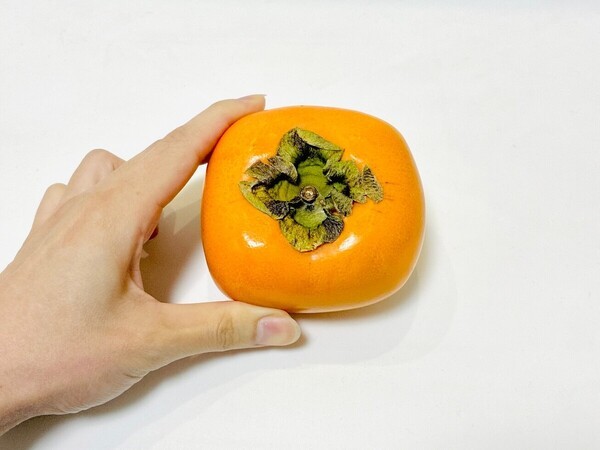
Sweet persimmons are usually eaten peeled. Many people assume the skin will be astringent or dislike its texture, so peeling becomes automatic. But that habit isn’t just about preference — it can mean losing a lot of nutrition. Persimmons actually pack more functional compounds in the skin than in the flesh.
2. Why nutrients concentrate in the skin
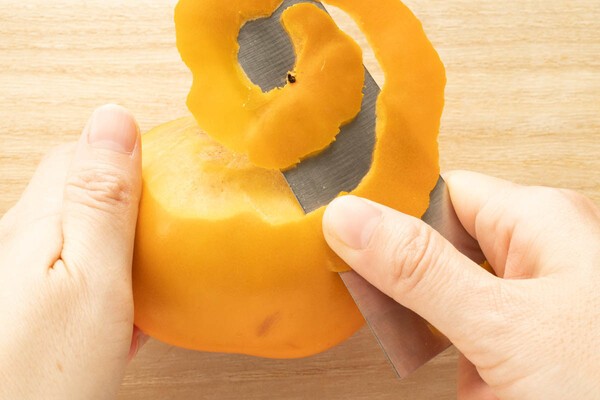
The skin is the fruit’s first line of defense against the outside world. To protect itself, it concentrates antioxidant compounds. Persimmon skin follows this pattern: it typically contains higher levels of polyphenols and dietary fiber than the flesh. That difference creates a big nutritional gap between eating the whole fruit and eating it peeled.
3. Where antioxidants are most concentrated
Persimmon skin is rich in antioxidants like tannins and flavonoids. These compounds help neutralize free radicals and protect cells from damage. The highest concentrations are often found right where the skin meets the flesh — so peeling removes some of the fruit’s most valuable parts.
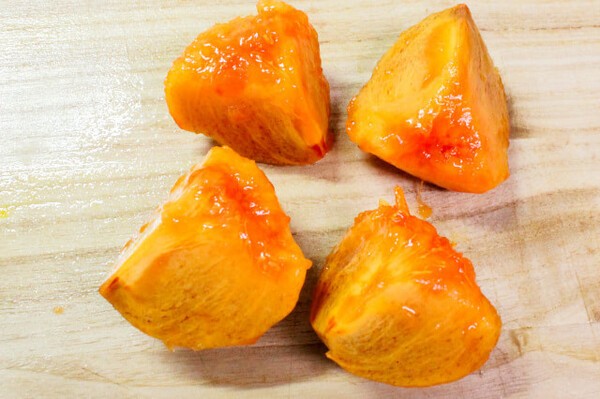
4. Nutrient losses from peeling
Peeling dramatically cuts dietary fiber, which is key for digestion and blood sugar control. Lose the skin and you lose much of the fruit’s health punch. You also throw away trace micronutrients concentrated in the peel, lowering the overall nutrient density of what you eat.
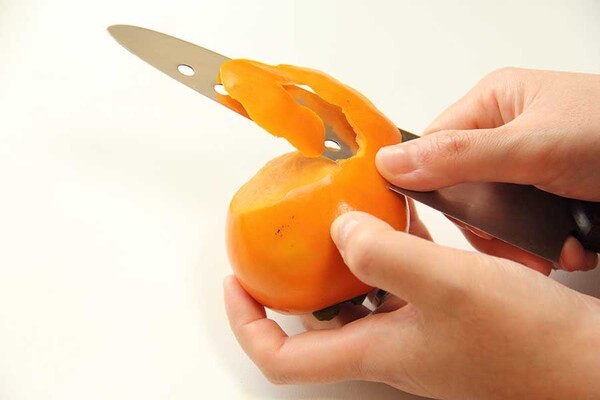
5. Why this matters more in Korean eating habits
In Korea, persimmons are a common after-meal treat, but they’re usually peeled first. That routine results in repeated, avoidable nutrient loss. In other words, people think of fruit as healthy — but the way they eat it often misses the point.
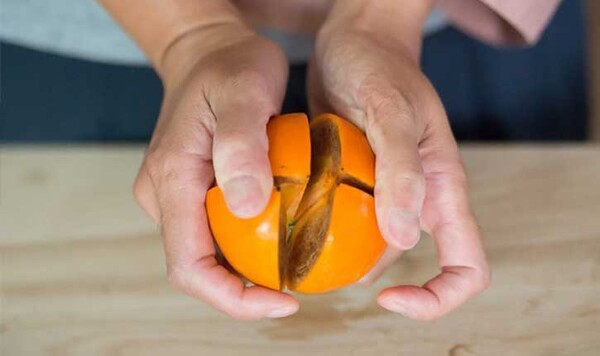
6. How to eat persimmons with the skin
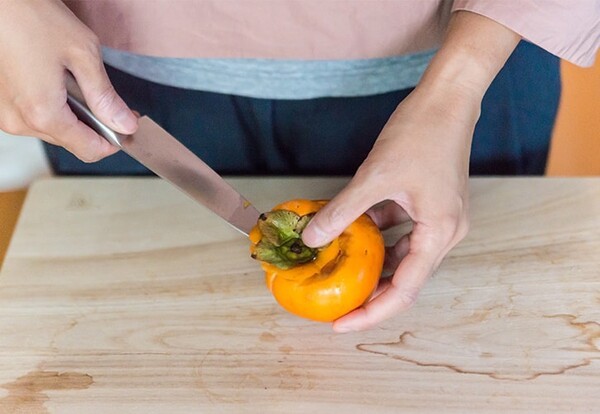
Cleaning the skin is the first step. Rinse under running water and, if you prefer, soak briefly in diluted vinegar before rinsing again. Remove any surface debris, then slice thinly — that cuts down on textural issues. A ripe sweet persimmon usually has skin that’s hardly noticeable.
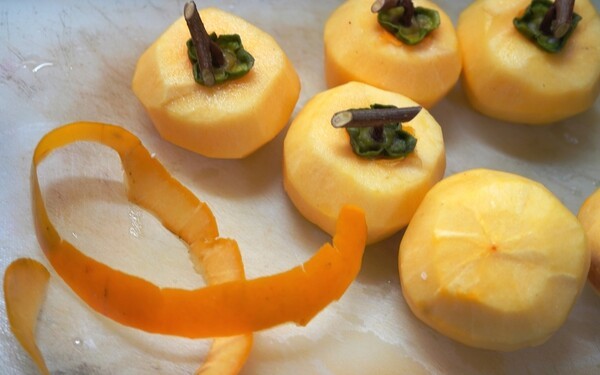
7. The parts you throw away determine a fruit’s value
Fruit isn’t just its flesh. What you toss matters. Persimmons concentrate key nutrients in the skin, so the habit of always peeling them makes a real difference in how nutritious they are.












Most Commented