
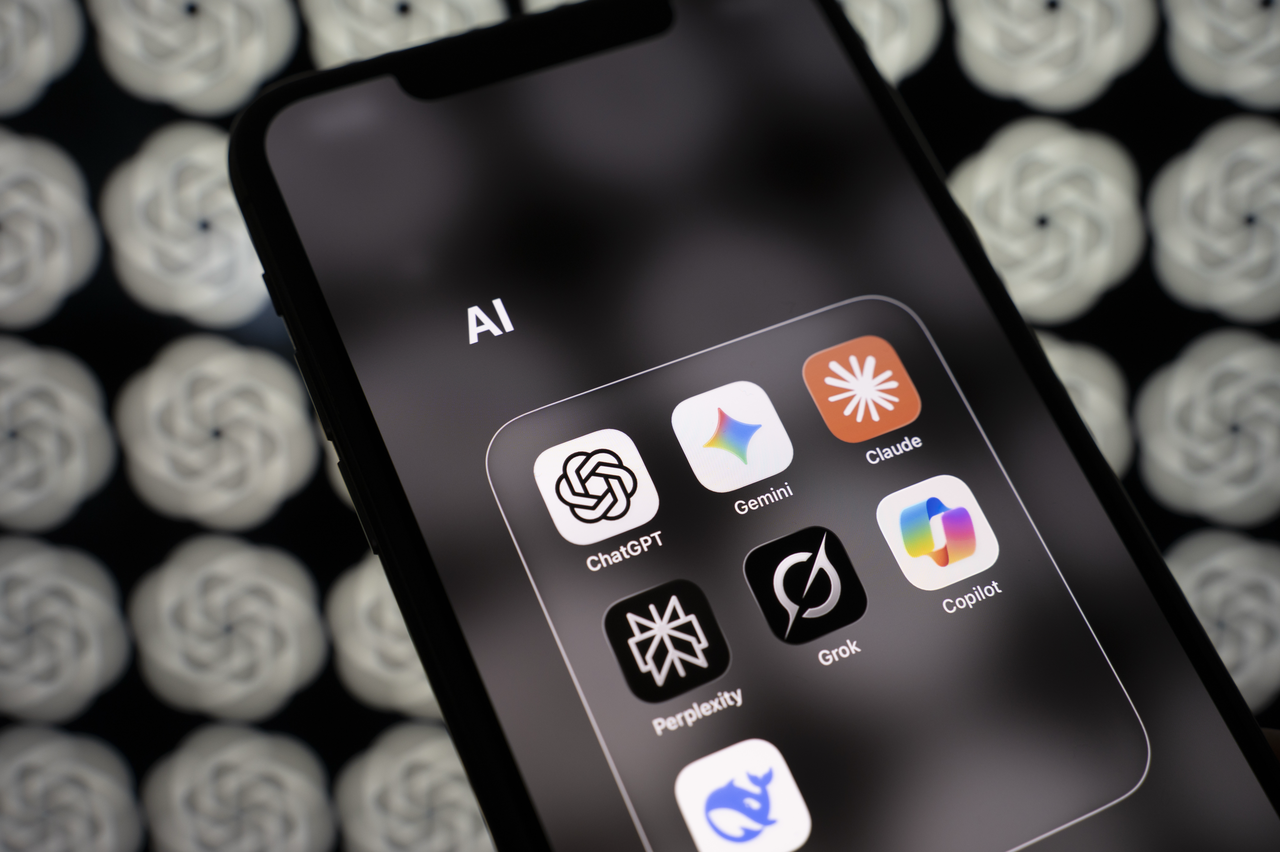
Translation result.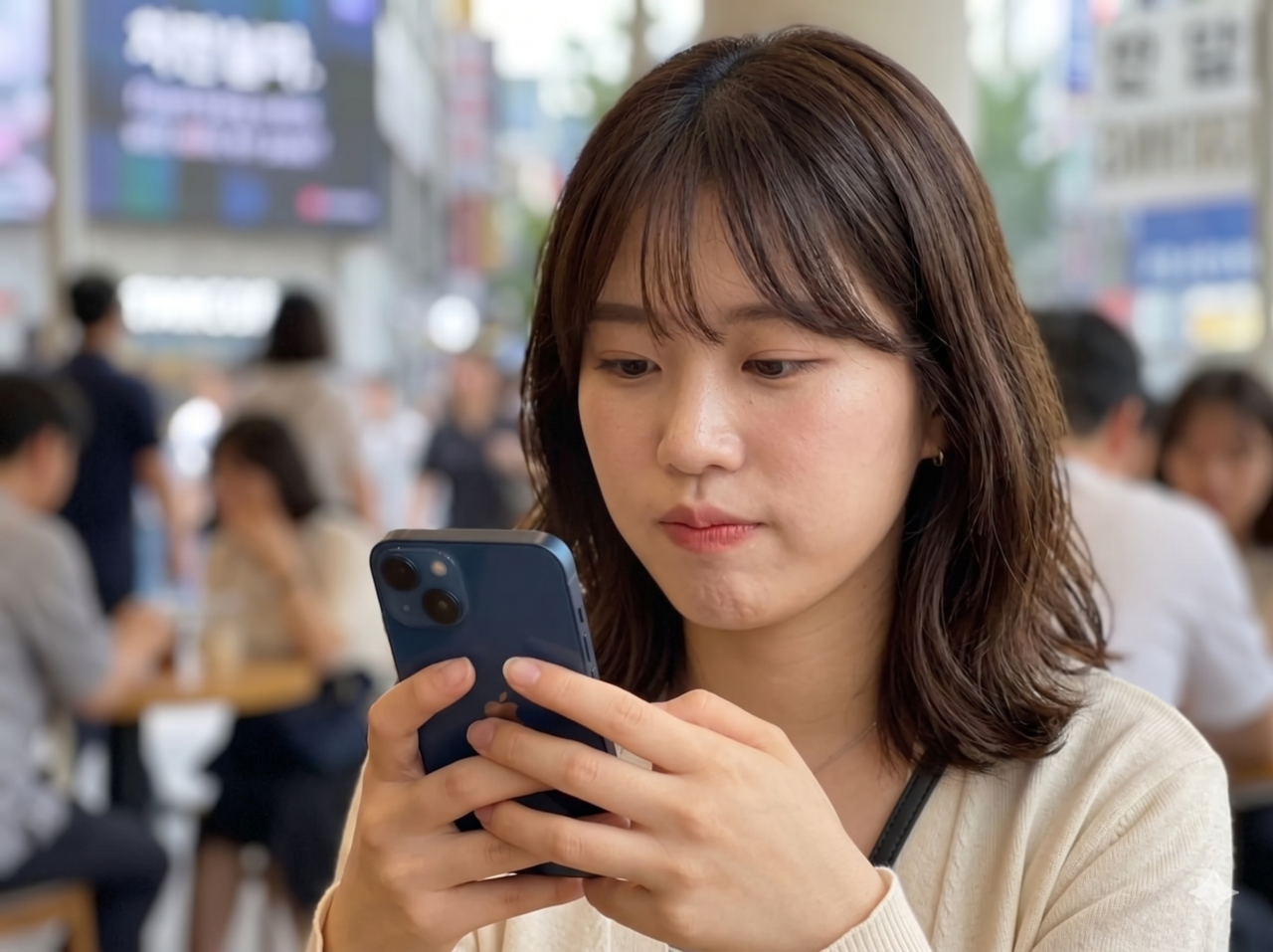 [Herald Economy reporter Ko Jae-woo] ‘ChatGPT 23.45 million, Gemini 8.45 million, Claude 2.41 million.’ (Generative AI app MAU, WiseApp·Retail)
More than 30 million people in South Korea have used generative AI (including duplicates), but surveys show that seven out of 10 people have not used a generative AI tool at all in the past two years.
This widening gap raises growing concerns about a digital divide between generative AI users and nonusers. Experts say policymakers must provide targeted support, including customized education.
 On the 19th, the Korea Information Society Development Institute (KISDI) published \”Analysis of Generative AI User Groups: Deepening Use vs. Stagnant Awareness.\” The report found that seven out of 10 respondents said they had not used generative AI in the past two years.
The study surveyed 8,002 individuals who participated in the Korea Media Panel Survey in both 2024 and the previous year.
Researchers divided respondents into four groups: continuous users (used in both 2024 and the previous year), new users (nonusers in 2024 who had used it the previous year), dropouts (used in 2024 but stopped the following year), and potential users (did not use it in either year).
Specifically, potential users—those who did not use generative AI at all over the two years—made up 72.9% (5,830 people). Continuous users accounted for 7.7% (616 people), new users 16.8% (1,346 people), and dropouts 2.6% (210 people).
 The problem is that, as generative AI becomes mainstream, information gaps could deepen based on who adopts the technology. Continuous users have integrated generative AI not only into work and study but also into hobbies and everyday conversation. In contrast, nonusers’ awareness and practical understanding of the technology have effectively stalled.
In the 2025 Seoul Citizens Digital Competency Survey (5,500 respondents) conducted by the Seoul AI Foundation, four out of 10 Seoul residents reported using generative AI, yet only two out of 10 older respondents said they felt overwhelmed by the AI era.
For that reason, experts urge urgent measures to narrow the digital divide: promote visible, practical uses of generative AI, improve access to the technology, and provide demand-driven, user-tailored education.
Researcher Han Eun-young said, \”Among groups with usage experience, applications have diversified and deepened. But the majority of nonusers still haven’t received a clear sense of the technology’s practical benefits. That imbalance between groups could lead to a serious information gap going forward.\”










Most Commented