
Why Korean Yogurt Ice Cream is Taking Japan by Storm: A Deep Dive into Yoajeong’s Success
Daniel Kim Views
Translation result
Korea’s yogurt soft-serve — a viral dessert sensation — is quickly making its way across Japan.
Japanese food journalist Yamajiriya wrote in a Yahoo Japan column on the 18th that the yogurt soft-serve that became popular in Korea is now spreading across Japan through social media. At the center of the craze is premium dessert brand Yoajeong (literally “The Standard of Yogurt Soft-Serve”), which grew to 680 locations nationwide in Korea in just three years.
680 stores in Korea, three years to reach Japan
Yoajeong started in 2020 as a delivery-only ice cream franchise and opened its first brick-and-mortar in Seoul’s Seongsu-dong in 2021. In July 2024 the brand blew up on Instagram and TikTok, drawing explosive interest from teen and twenty-something women and quickly becoming a national name. Franchise outlets rose from five to 680 in three years, and sales jumped more than tenfold — from 4 billion KRW (3 million USD) to 47.1 billion KRW (35.33 million USD). In 2023 alone, 358 new stores opened. Noticing that rapid growth, Samhwa Foods acquired 100% of Trillions, Yoajeong’s operator, for 40 billion KRW (30 million USD) in July 2024.
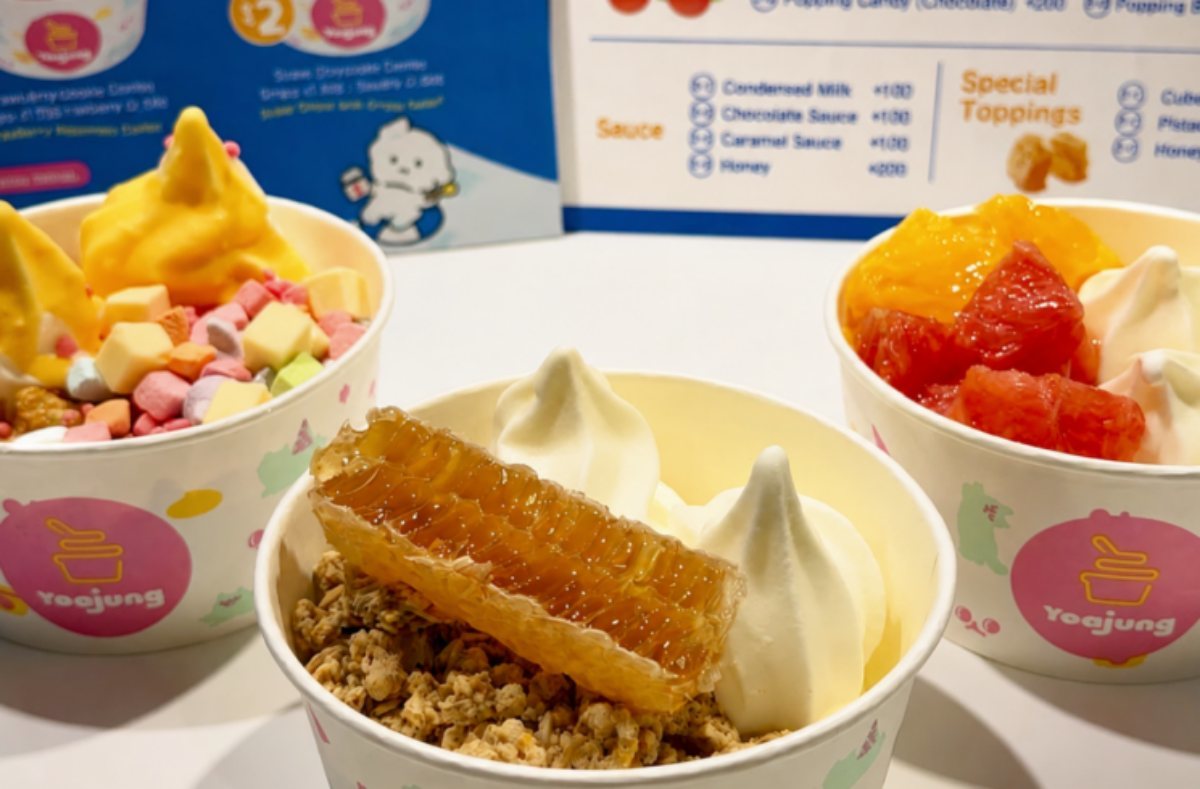
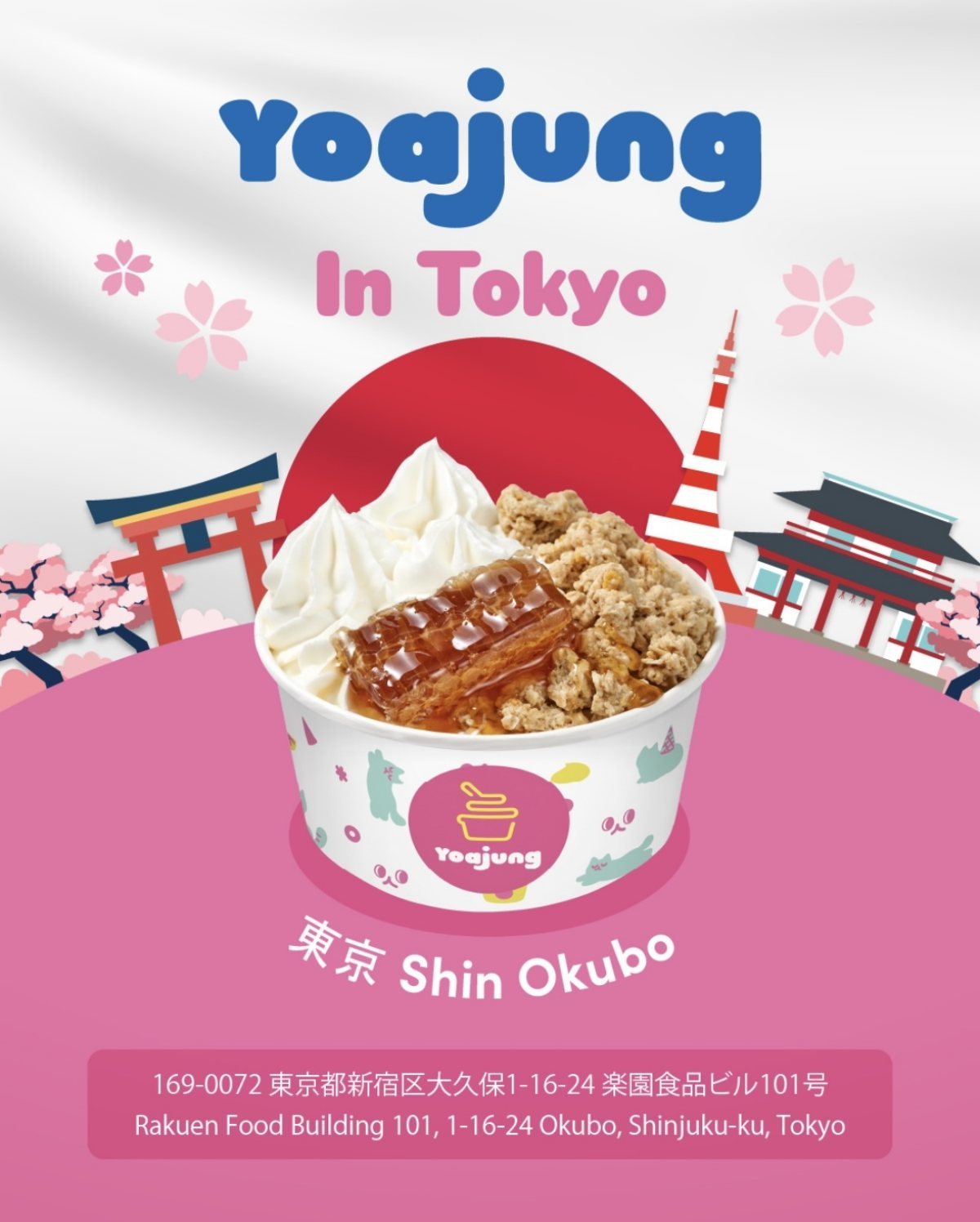
International expansion came fast. Yoajeong has entered seven markets — Australia, Hong Kong, China, Japan, Singapore, the United States and more — and now operates over 20 overseas locations less than a year after its first openings abroad. It arrived in Japan last year and already runs eight or more stores in major cities like Tokyo, Osaka and Nagoya. The brand balances localization with its Korean identity, collaborating with local partners on menus, store design and operations while keeping its signature aesthetic.
Why it resonates in Japan
The trend fits Japan’s “healthy-pleasure” moment. The yogurt soft-serve looks like regular soft-serve but is perceived as lower in calories, so health-conscious young people are embracing it as a lighter dessert option. Yamajiriya also points to a growing desire for personalized food experiences — from mala tang to laksa to custom bento — saying customers enjoy recreating the combos their favorite celebrities or influencers share.
Customization of toppings is a perfect match for social-media–savvy customers. Some stores offer up to 45 toppings — honeycomb honey, cookies, chocolate syrup, fresh fruit, granola, cereal and more. Fans mimic K-pop idols’ topping mixes, dubbing them “favorite combos,” and sharing them online fuels the culture. Because each topping mix creates a different result, customers are tempted to return. Analysts say Japanese consumers, who have already embraced K-dessert waves from tanghulu to mala tang to Korean-style hot dogs, are welcoming yogurt soft-serve without much resistance.
No off-season — a brand that defies seasons
Another advantage for Yoajeong is low seasonality. Even in January–February 2026 — typically a slow patch for ice cream — the brand recorded quarter-over-quarter sales growth exceeding 20%. A low-sugar strawberry yogurt soft-serve launched in November and a 12-item menu featuring fresh strawberries helped generate winter demand that fits health-focused trends. The “Bbasak Dubai Choco Shell” has become a steady seller, moving more than 500,000 units a month. K-pop group Tomorrow X Together is Yoajeong’s first official model act and has finished the ad shoot — a strategy the company expects will tap K-pop fandoms and boost its overseas presence.
Business model favors rapid expansion
Yoajeong’s business model also makes rapid growth easier. The typical initial investment for a 10-pyeong (33 m², ≈ 355 sq ft) location is about 53.3 million KRW (40,000 USD), roughly one-third the cost of competing brands. The compact footprint and single-concept menu let stores open in smaller spaces, simplifying operations and standardization. Optional toppings also make it easy to raise the average ticket. Yamajiriya notes the trend is currently urban-centered but could spread across Japan. A Yoajeong spokesperson says the company will prioritize strategic growth that preserves brand identity and operational stability over reckless expansion.
Still, questions remain about sustainability: tanghulu’s rapid rise and fall showed how quickly dessert crazes can fade. While tanghulu shops ballooned during the 2023 craze and then closed in droves, Yoajeong’s ability to stabilize off-season sales and reduce seasonality with diverse new-menu items is a promising sign. In the end, how long the brand lasts in Japan will depend on whether it becomes an everyday dessert staple rather than a short-lived fad.










Most Commented