
Translation result
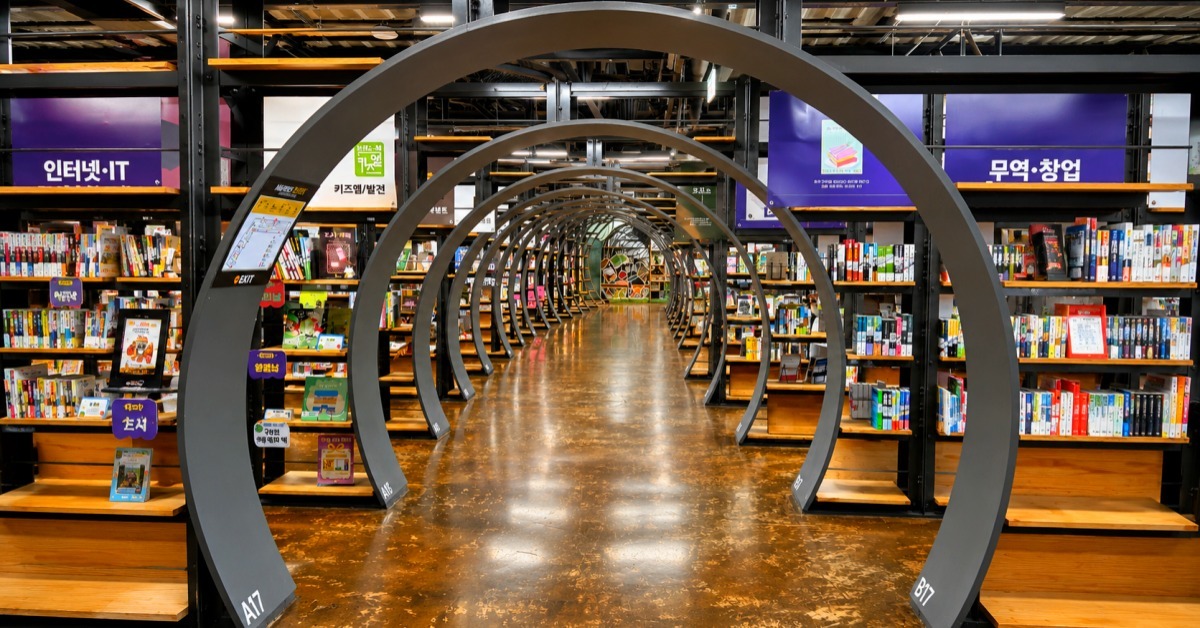
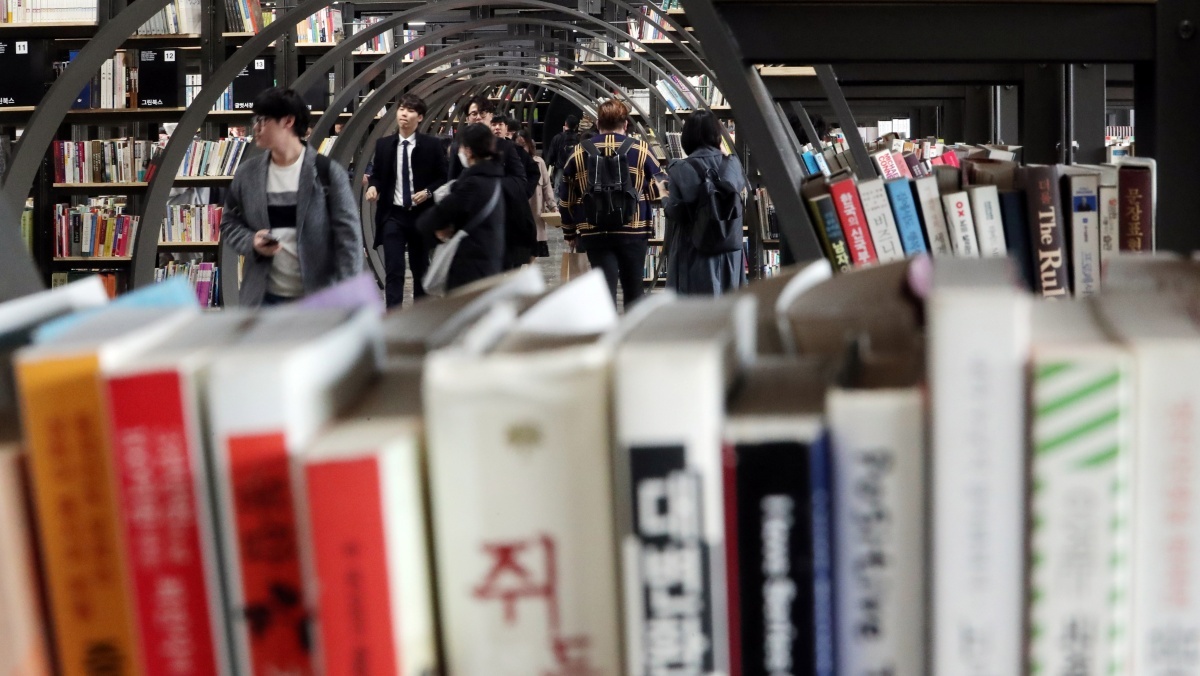
Seoul Chaekbogo, near Jamsilnaru Station in Songpa-gu. Pushing open the door, I found visitors moving slowly between the circular stacks. Some picked up a book and began reading on the spot; others lingered over a single sentence. Here, books are less a commodity to buy or borrow and more an element of an experience you encounter as you walk and pause.
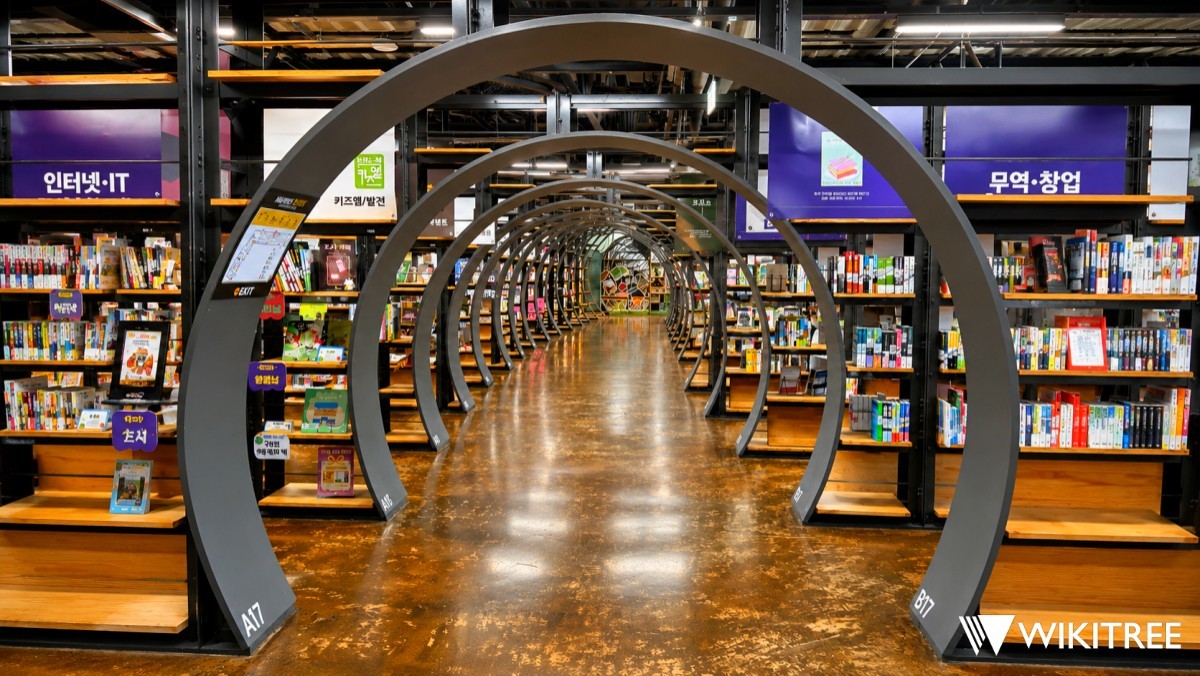
Reading spaces today are evolving from quiet rooms for solitary study into environments where people discover tastes and sensibilities through books. You can’t explain contemporary book culture only by how many books someone finishes. Increasingly, people encounter books through single lines, cover art, curation, and spatial design — in more varied ways than before.
The spring exhibition Page Walk at Seoul Chaekbogo is a clear example of that shift. Here, reading begins before the page turns: it starts the moment you stroll along the stacks.
Before you turn a page, walk between the stacks
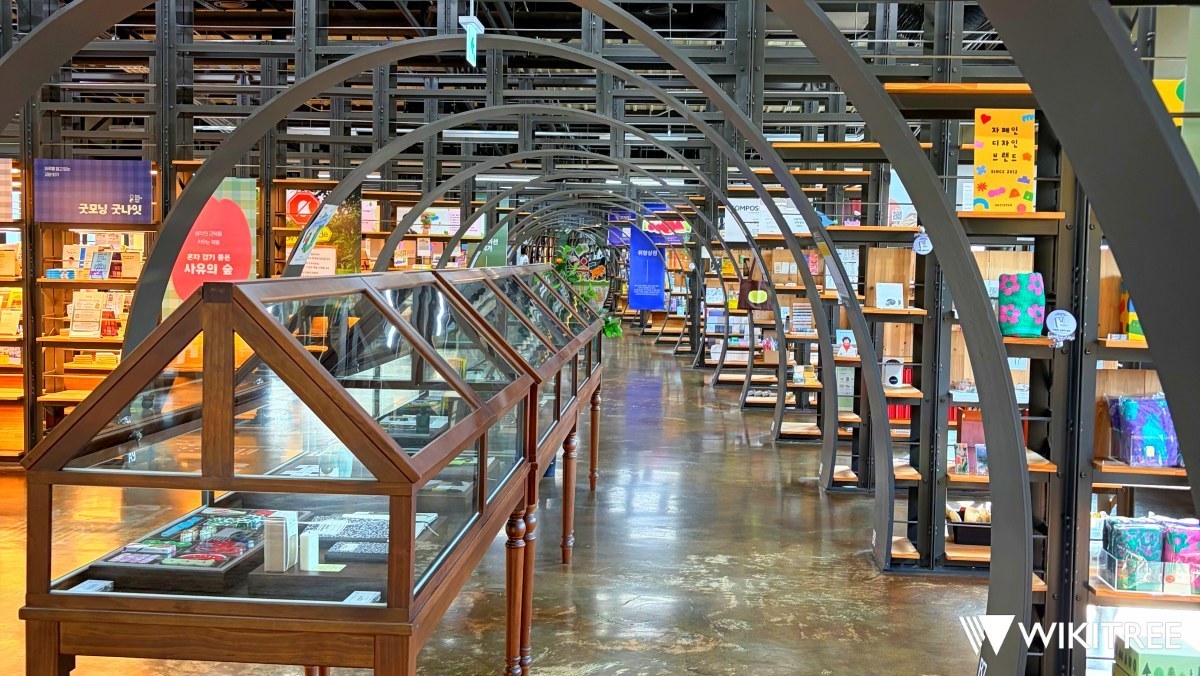
Page Walk bills itself as a “slow stroll with books.” Around Seoul Chaekbogo’s signature circular shelving, selections from various publishers are grouped and color-coordinated to create distinct moods.
The show does more than present titles. It’s arranged so visitors move slowly along the shelves, notice sentences, and pause in front of books that resonate. It’s less about locating a specific genre than about unexpectedly finding a book that matches your mood.
The layout itself reads like a walking route. As you follow the circular stacks, you encounter books and lines that shift in tone and atmosphere.
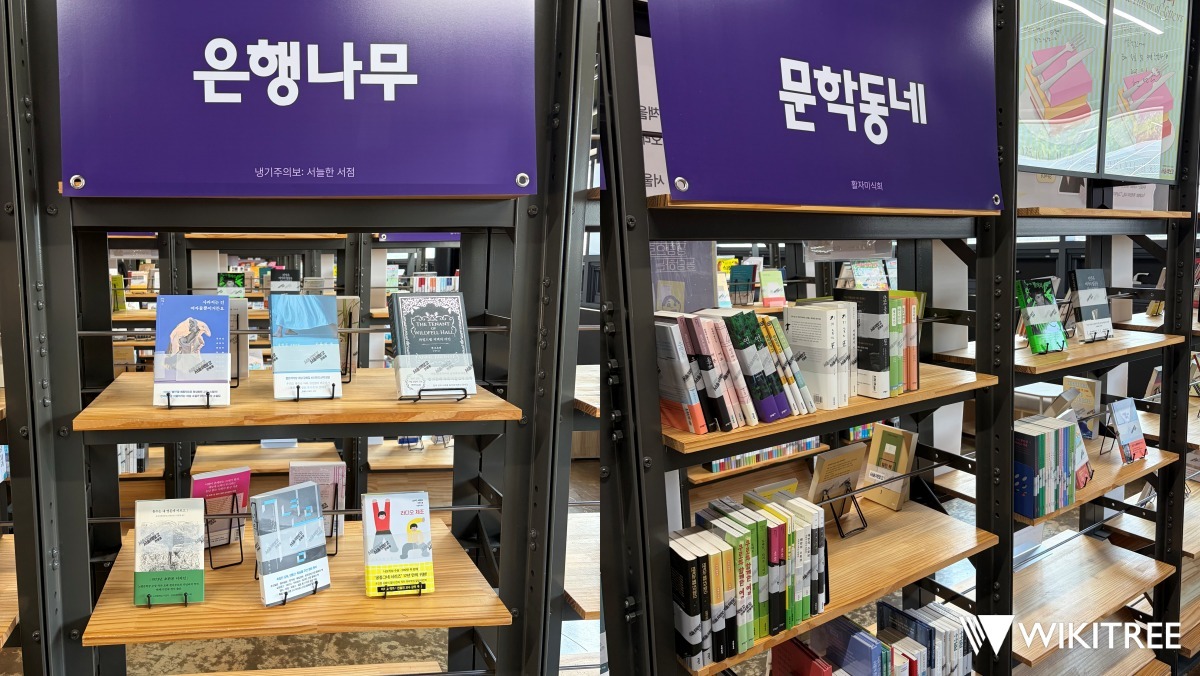
The main curation was developed in collaboration with publisher Kim Young-sa. Under the Page Walk theme, several of Kim Young-sa’s flagship titles are arranged to reflect different walking scenes. Every shelf carries a subtheme that evokes a moment on a stroll, so visitors meet books first by mood and sensibility, not by category.
What matters here is not just which books appear but how they are presented to readers. Visitors aren’t on a hunt; they encounter books naturally as they move between shelves.
How to choose a book for a day off
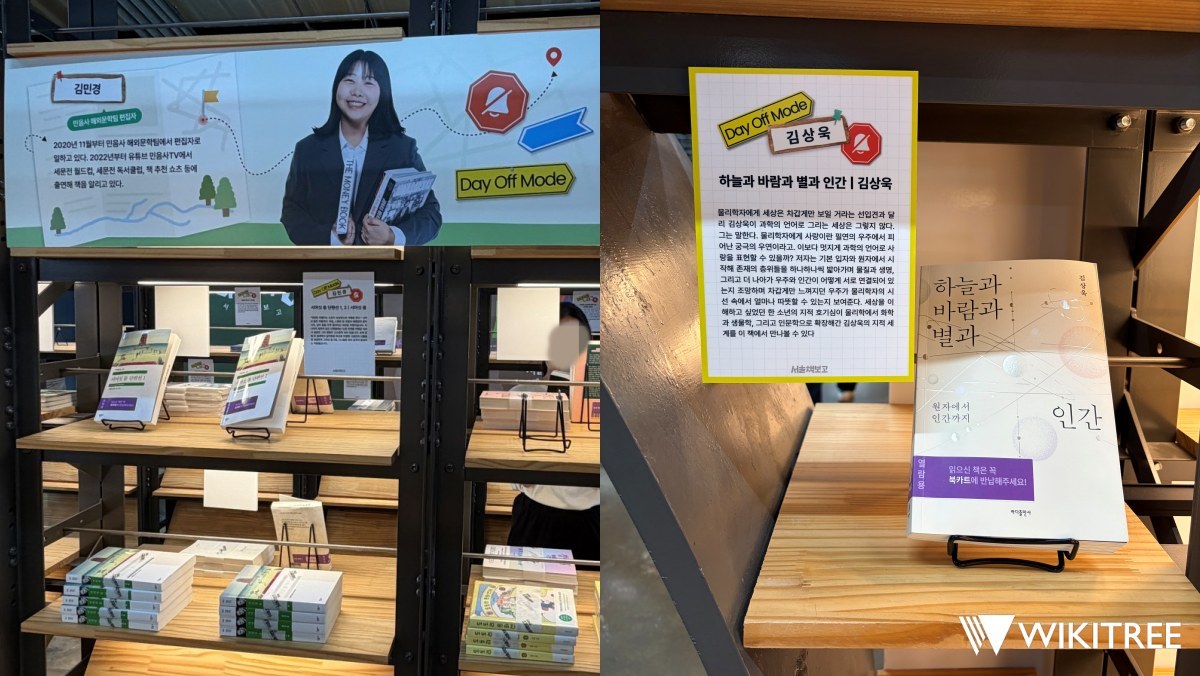
Along one curve of the circular shelving is DAY OFF MODE, a section where experts recommend books for a day of rest. Physicist Kim Sang-wook, Minumsa editor Kim Min-kyung, novelist Baek Myeong-ok, and writer Lee Hwon are among those who contributed selections for a leisurely day.
By pairing each recommendation with the recommender’s profession, tastes, and approach to rest, the section invites visitors to meet not just “a good book” but a book someone would want beside them on a day off.
Editor Kim Min-kyung’s picks attracted attention. Often dubbed a publishing-world icon, Kim recommended the picture book Meow’s Swim Class.
The story follows a cat who fears water but, seeing friends enjoy the pool, signs up for lessons. At first the cat can barely dip a paw, but with encouragement from the teacher and classmates, it gradually overcomes its fear.
With its sweet illustrations and gentle coming-of-age arc, the book fits the exhibit’s idea of a light read for a day off. Kim wrote in her note, “I can’t imagine anything cuter than this. The story is deeply meaningful. I strongly recommend it to everyone!”
Across from that display, physicist Kim Sang-wook placed his own recommendation: his book Sky, Wind, Stars, and Humans. He frames the cosmos and humanity’s place in it through a physicist’s perspective, warming a subject that can otherwise feel cold and distant.
In short, Day Off Mode clarifies the exhibition’s aim: to present books not as obligations to study or finish but as items you might pull out depending on how you feel.
Coffee, beanbags, and small comforts that invite you to stay
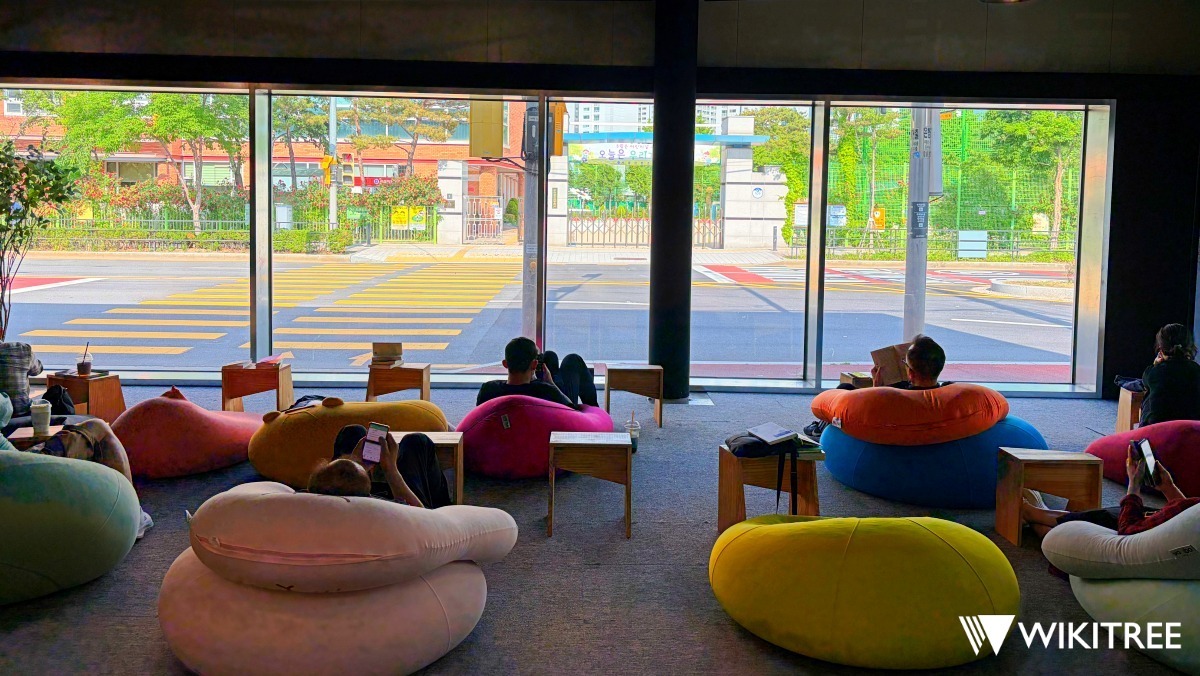

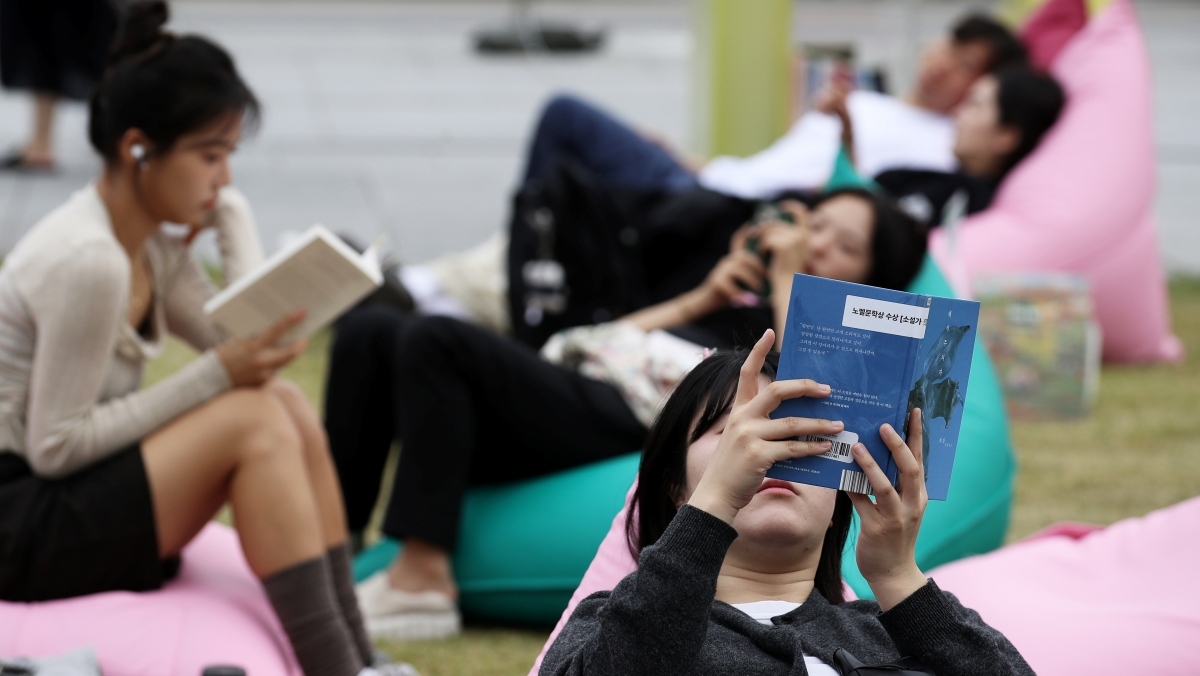
Behind the stacks, the venue offers a relaxed seating area where people sink into soft beanbags with a coffee and lose themselves in a book. Some sit alone in quiet concentration; others browse together and trade recommendations.
On the route toward the cafe tucked inside the shelving is a Munhakdongne poetry corner. For this show, Munhakdongne curated a selection of poems aimed at both children and grown-up kids. Playful titles and charming covers naturally caught the attention of passersby.
Page Walk emphasizes the process of getting close to a book more than the act of sustained reading. Choosing a book, pausing at a sentence, sitting for a moment, then resuming the stroll all become parts of a single reading experience. Reading no longer happens only at a desk; it can begin slowly inside a space.
“We hoped people would meet books that seep in, not books they have to read”
Kim Seo-yeon, head of planning and content operations at Seoul Chaekbogo, said the exhibition grew out of the spring season and the venue’s spatial character.
“Page Walk began with the thought that, like people who head outdoors after winter, reading time might also feel lighter and more relaxed in spring,” Kim said.
She noted that reading is increasingly perceived as a time to learn something, which can make it feel pressured. For that reason, the exhibition favors lingering and moving at one’s own pace over goal-oriented reading.
“Seoul Chaekbogo’s layout itself encourages discovery as you walk along long shelves,” she said. “We connected that experience — walking among books like a stroll — into a single exhibition theme.”
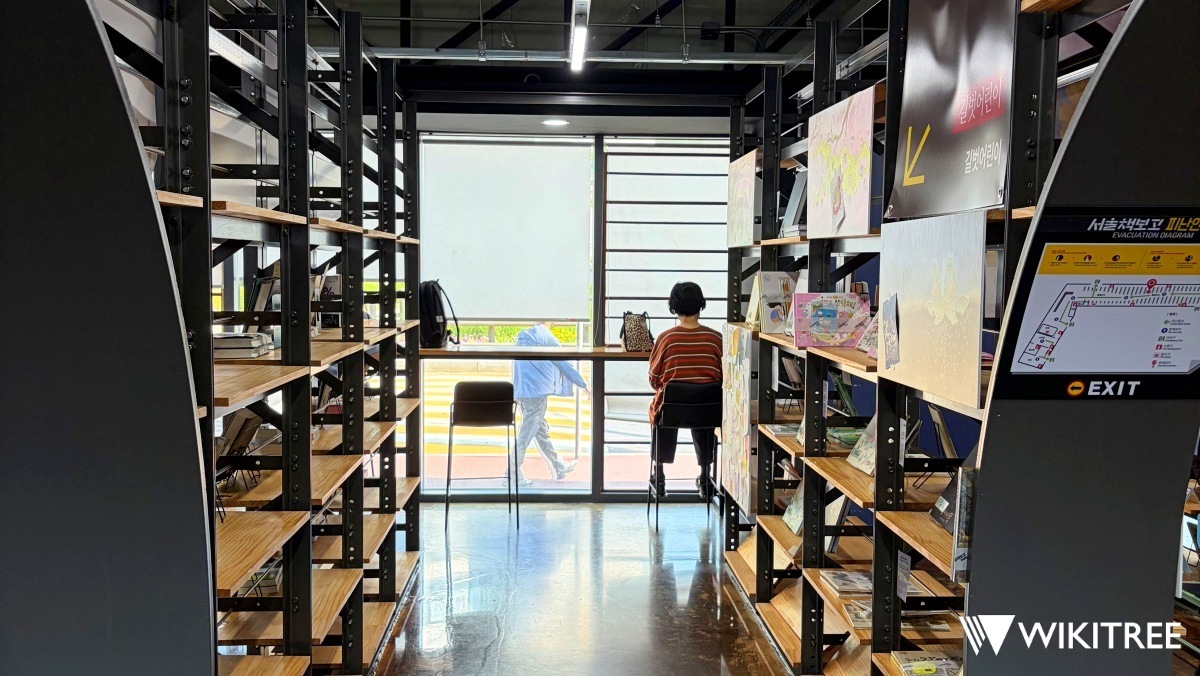 On the afternoon of the 14th, visitors read between the circular shelves at Seoul Chaekbogo. / Wikitree
The “walk” in the exhibition title carries the same meaning. Kim described a walk as less an act of getting somewhere and more a time to slow down, take in the scenery, and catch your breath.
She compared reading to that same slow walk: you don’t have to read many books or find a single right answer. You can linger on one sentence, stumble on an unexpected title, and refresh your senses.
For those reasons, the exhibition focuses on meeting books that gently sink in rather than books you feel obliged to finish. Each shelf bears a subtheme that feels like a scene from a stroll, so readers encounter books by mood and emotional flow rather than by strict genre.
The stacks bring together literature, essays, mindfulness, philosophy, and general-interest titles, but the curation prioritizes emotional and atmospheric flow over categorical sorting.
“We designed the exhibition so visitors can slowly wander shelves according to how they’re feeling, rather than hunting by genre,” Kim said.
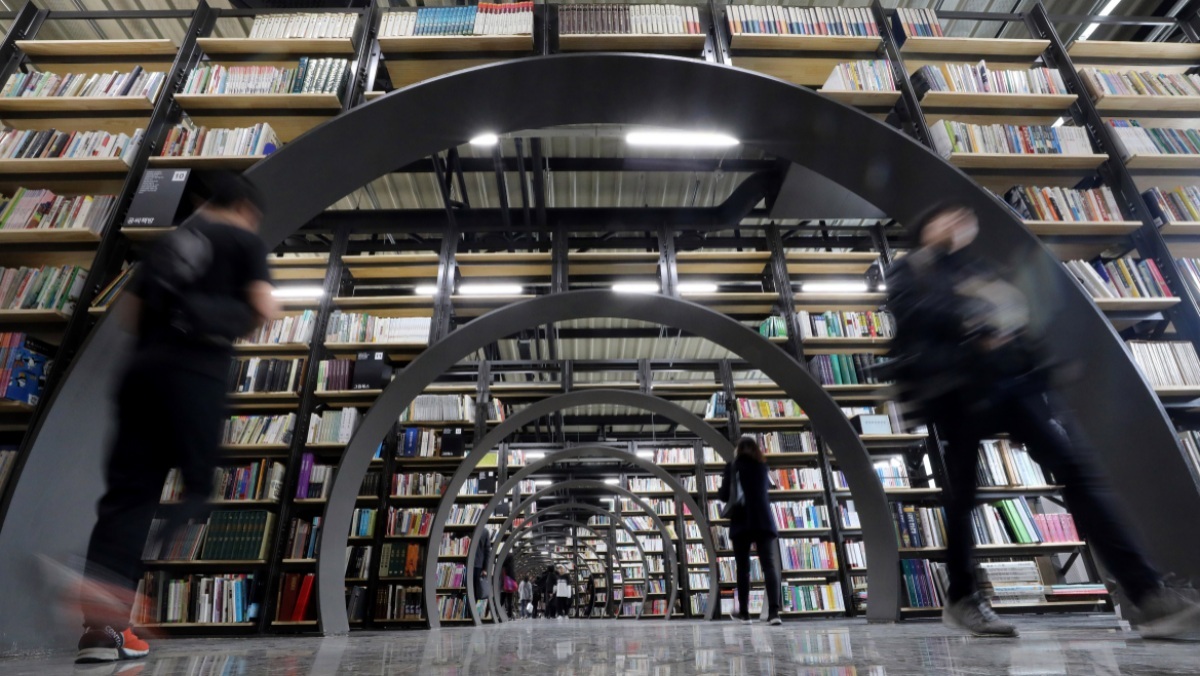 Seoul Chaekbogo. / News1
“Where bookspaces used to be mainly places to read or buy books, they’re now becoming experience spaces where people discover and share tastes and interests,” Kim said.
Reading has always been personal, but it has expanded into a social form through exhibitions, book talks, programs, and hands-on events. Book spaces no longer simply store or sell books; they connect people and tastes through books.
Lowering the barrier to encountering books also matters. “Even people who don’t read much can suddenly find themselves curious about a title while wandering the space or be drawn into reading after joining a program,” Kim noted.
“This change isn’t just about the physical space — it’s about widening the ways readers meet books,” she added.
Kim hopes the exhibition will offer a small respite amid busy lives.
“When you want to slow down for a bit, I hope you’ll take a quiet walk among the books at Seoul Chaekbogo,” she said.
“You don’t need a special purpose,” she added. “Sometimes an unexpected book or a single short sentence stays with you far longer than you expect. I hope Page Walk becomes that small moment of rest for many people.”
A shift in reading: from finishing to experiencing
The change Page Walk illustrates goes beyond exhibition format. It marks a broader shift in how people approach books — from a focus on finishing them to treating them as experiences.
In the past, reading often meant completing a single book and grasping its contents. Bookstores and libraries were primarily places to select and read quietly. Today, book-culture spaces have evolved: people increasingly preview covers and blurbs, linger in an environment, and discover titles that fit their tastes and sensibilities. Where you meet a book has become a way to express personality. Books have become a medium for signaling interests and aesthetic sensibilities, not only for acquiring knowledge.
This trend also responds to fatigue with fast, stimulating digital content. In a daily life conditioned by short videos and constant notifications, books offer a way to slow down. Staying with a single sentence in a quiet space and regaining your breath provides a different sensory experience than digital media.
So the shift in reading isn’t simply a story of people reading less. The gateways to books have widened. Encountering a book through one sentence, one space, or one brief pause has become a legitimate form of reading.
More important than a stylish space: the power to make people open books again
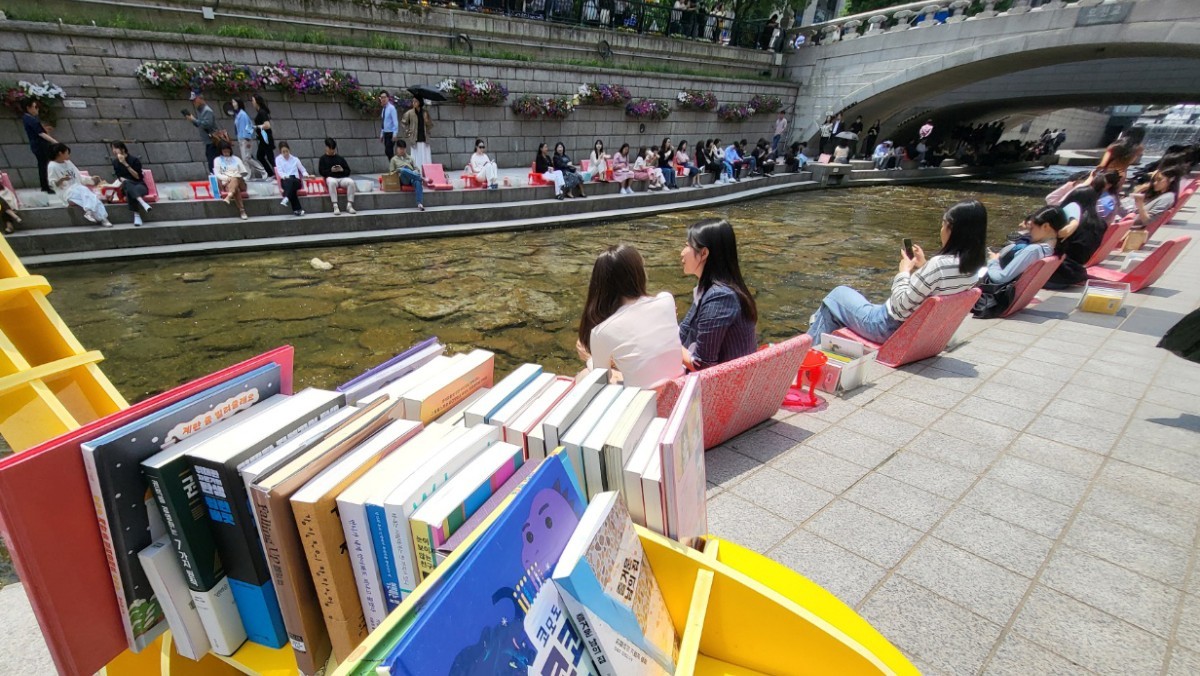
Experience-driven reading spaces have drawbacks. As books become part of exhibitions and atmospheres, visitors might consume the vibe or visuals before engaging with a book’s content. If books are reduced to Instagram backdrops or decorative props, the space loses depth.
The crucial measure of success is whether exhibitions and experiences translate into actual reading. Beyond attractive displays, venues need features that prompt visitors to open a book, read a line, and return for more. Short reading groups, book talks, and author events are practical ways to turn spatial experiences into reading experiences.
Ultimately, an experience-focused reading space succeeds not by being the most photogenic but by how naturally it gets people to reopen books. The change matters most when the space welcomes newcomers to reading and allows them to meet a single book without pressure.
Stopping at a sentence, walking between stacks, and carrying away an unexpected title can be a form of reading today. These expanded spaces give readers — even those unfamiliar with books — an easy way to connect with them. Visitors without a clear purpose may still discover a book while browsing and reduce their hesitation about reading with a single short sentence.
Walking, looking, pausing, and talking can all be reading. Some days, one sentence you notice on a shelf is enough. The moment reading restarts doesn’t have to be at a desk; it can arrive in any slow, welcoming space.














Most Commented