
Translation result
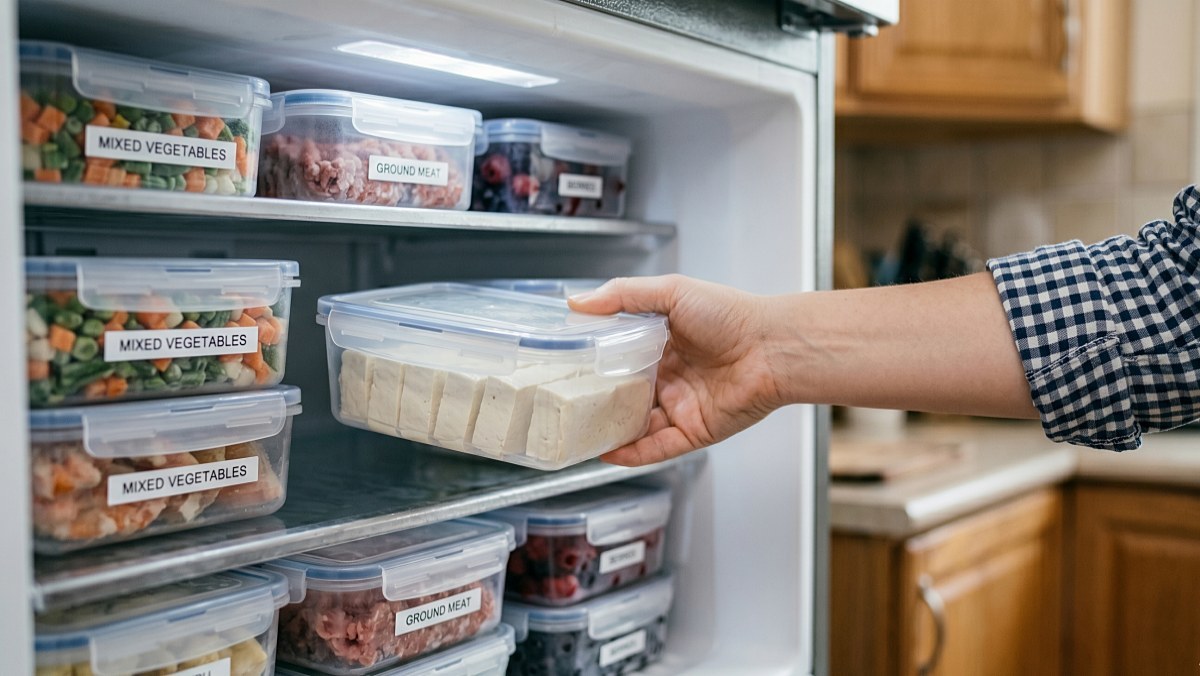
Tofu is a kitchen staple thanks to its silky texture and mild flavor. Freeze leftover tofu from your fridge and thaw it later, and you’ll get a noticeably different mouthfeel. As moisture leaves and the structure firms up, it becomes ideal for dishes like tofu katsu or sweet, glazed tofu bites (gangjeong).
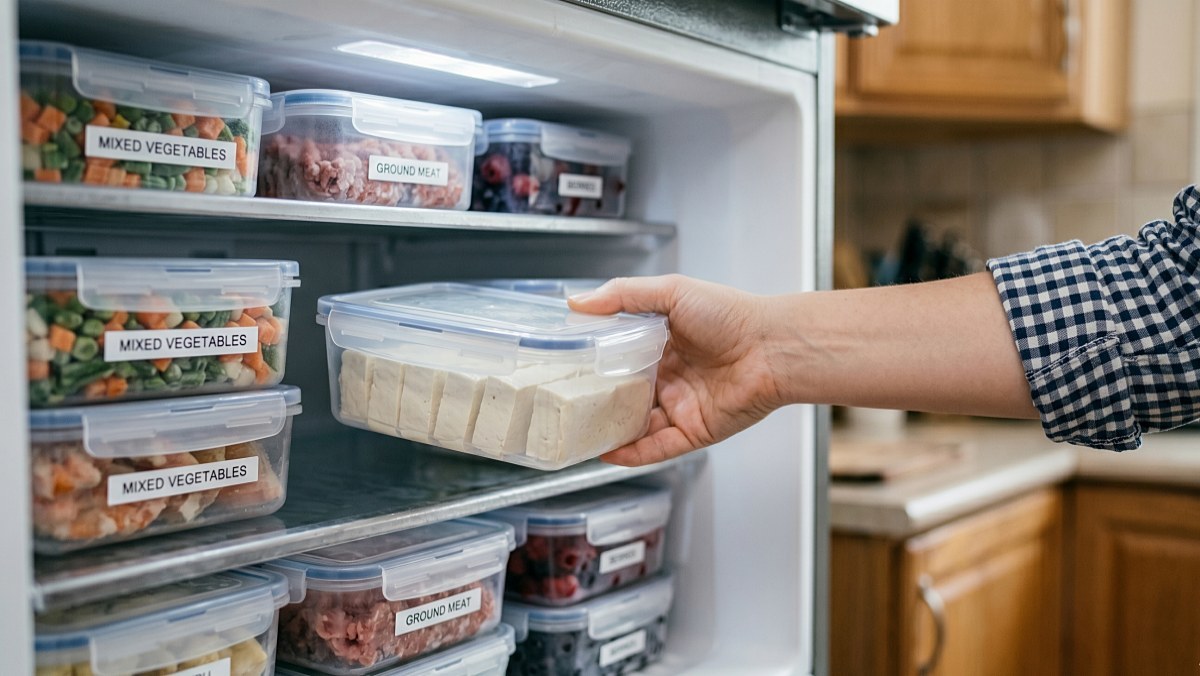
How freezing changes tofu’s texture
When tofu goes in the freezer, the water inside turns into ice crystals. As water freezes it expands, forcing the tofu’s structure apart. Once thawed, that melted water drains away and leaves tiny pockets. The result: frozen-then-thawed tofu takes on a sponge-like structure compared with fresh tofu.
That shift changes how tofu behaves in the pan. Fresh tofu usually holds seasonings on the surface, while frozen tofu soaks up broths and sauces through the pockets that form. Toss it into stews or braises and it will absorb the liquid; use it for katsu or gangjeong and you’ll get a crispy exterior with a pleasantly springy interior. After the moisture drains, the tofu holds together better, making it easier to slice or shape by hand.
Thawed frozen tofu can take on a slightly yellow tint. That’s just the structure and moisture changing during freezing and thawing — not necessarily a spoilage sign. If it doesn’t smell off and the surface looks normal, it’s fine to cook. Still, thawed tofu releases a lot of liquid, so resist seasoning it immediately; press out the moisture first.
How to freeze and thaw tofu
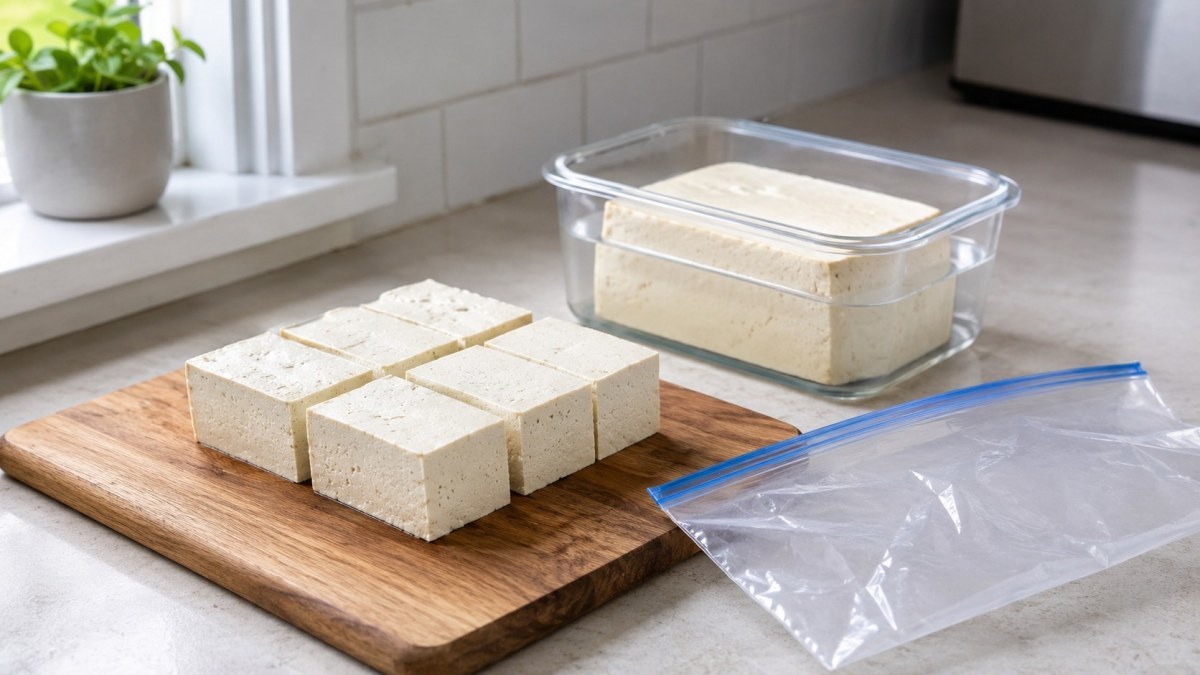
The simplest way to make frozen tofu at home is to pop a store-packed block straight into the freezer. Freezing it in its original liquid will still change the texture. For neater storage, pat the surface dry and transfer the tofu to an airtight container or a resealable bag — cutting down air exposure helps prevent freezer odors.
If you freeze tofu in its container, set it flat in the freezer so it won’t tip. Wipe any surface water off before freezing to avoid package bulging or leaks. If the package is already open, move the tofu to a clean airtight container rather than freezing it in leftover liquid. Cutting tofu into large portions before freezing makes it easier to thaw just what you need later.
Allow enough time for the tofu to freeze solid. Generally, store it at -0.4°F (-18°C) or lower for at least 24 hours. When you’re ready to use it, thaw slowly in the fridge rather than leaving it at room temperature. If you’re pressed for time, submerge the sealed package in lukewarm water. You can also microwave on a reduced setting for about 3–5 minutes.
Microwave thawing is fast but requires caution. Overheating can dry and toughen the surface. After thawing, press the tofu — removing excess water helps it absorb seasonings and keeps the texture intact during frying or grilling.
Draining moisture is the first cooking step
Removing moisture after thawing is essential. Place the tofu on a cutting board or plate, set a flat plate on top, and press gently so water drains out. If you squeeze by hand, use your whole palm to press slowly from top and bottom rather than forcing one side. Too much pressure can tear the tofu or ruin its shape.
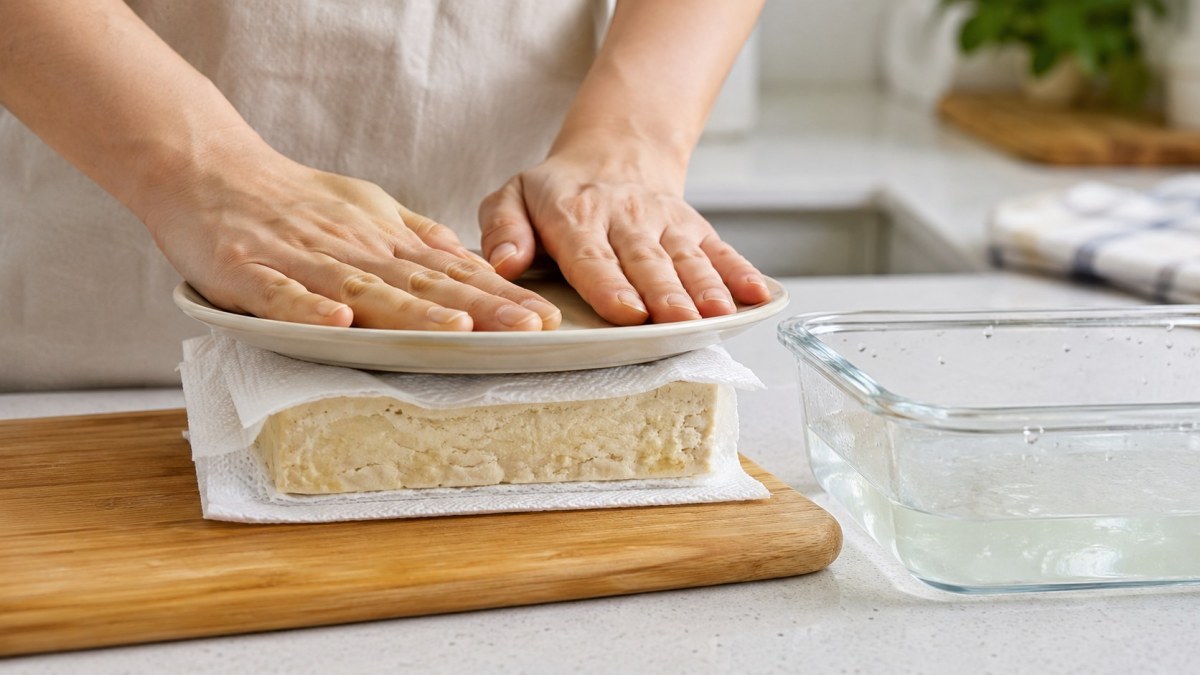
The drier the tofu, the better it absorbs seasoning. Different dishes need different moisture levels: for breaded things like katsu or gangjeong, remove as much water as possible so the coating sticks. For stews or braises, excess surface water can dilute the broth, so press the tofu first. This simple prep unlocks frozen tofu’s potential.
When pan-frying, blot the surface with a paper towel to reduce oil splatter. That also helps coatings like panko or starch adhere. If the surface is damp, coatings can clump and fall off; if it’s overly dry, seasonings may not stick. Aim to remove only the excess water after pressing.
Tofu katsu without meat
Frozen tofu is perfect for meat-free katsu. After thawing and pressing, slice it about 1 cm (about 0.4 in) thick. Because frozen tofu is firmer, it holds its shape better during frying than fresh tofu. Start with thicker slices to avoid breakage while breading.
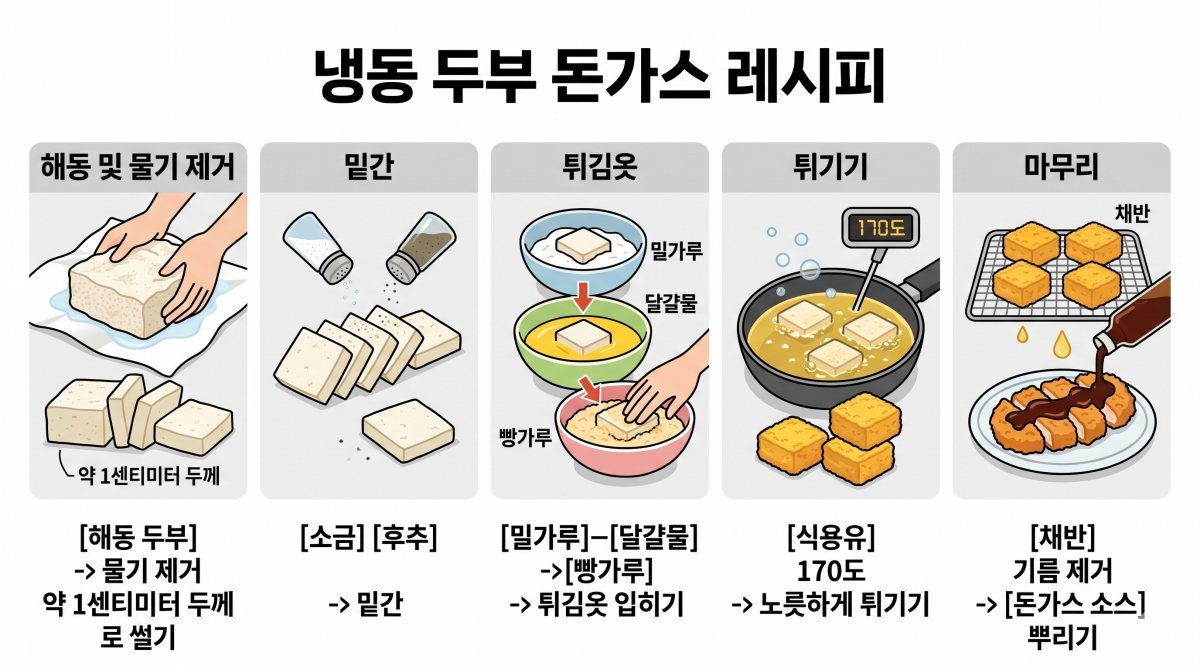
Season the slices sparingly with salt and pepper — frozen tofu soaks up salt fast. Lightly dust with flour, dip in beaten egg, then press into breadcrumbs. When applying breadcrumbs, press gently with your palm so they adhere and won’t fall off during frying.
Keep the oil around 338°F (about 170°C). Since frozen tofu has lost much of its moisture, it doesn’t need as long as meat to cook through. Fry until the crumbs are golden, then drain on a rack. The result is a crunchy exterior with a pleasantly springy interior. Serve with katsu sauce — it’ll seep into the tofu’s pockets and keep each bite juicy.
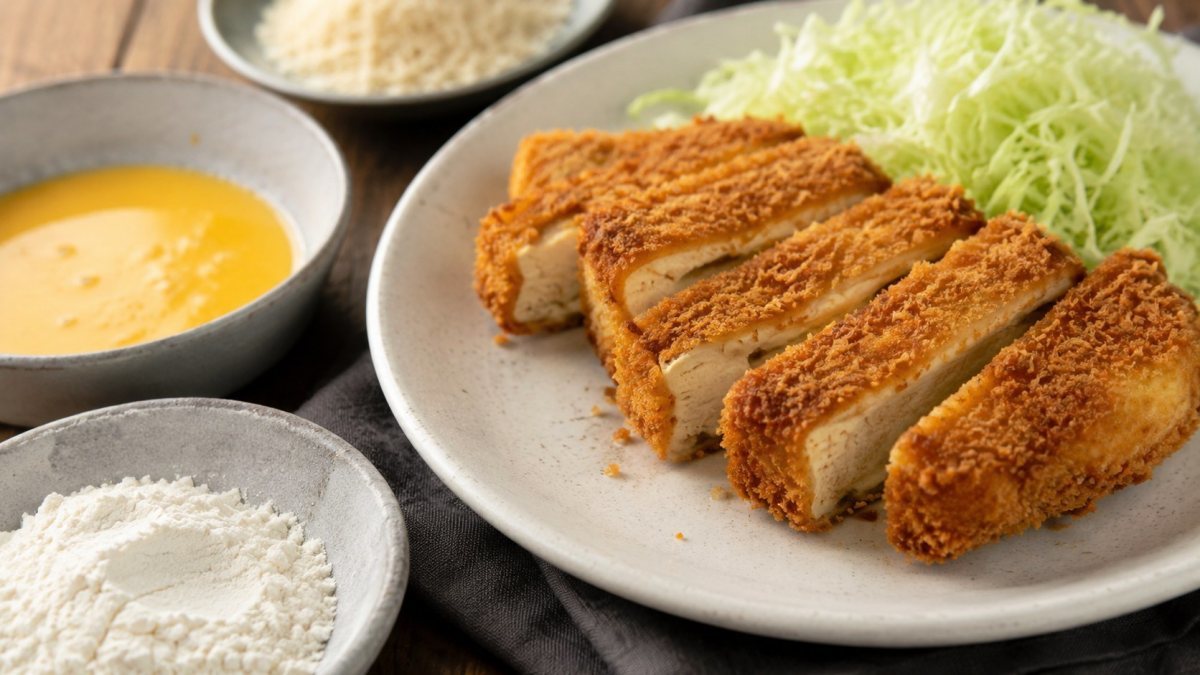
Crispy tofu gangjeong
Drained frozen tofu also shines as gangjeong. Instead of slicing perfectly, tear the tofu by hand to create rough, uneven surfaces — those textures help potato or cornstarch cling. An even starch coating crisps beautifully when pan-fried.
Dust the pieces with starch and shake off any lumps. Heat a generous layer of oil in a pan, then fry until all sides turn golden. If the oil isn’t hot enough, the starch will soak up excess oil and the bites will feel heavy. Start in a hot pan to sear the surface quickly, then turn the pieces to cook evenly.
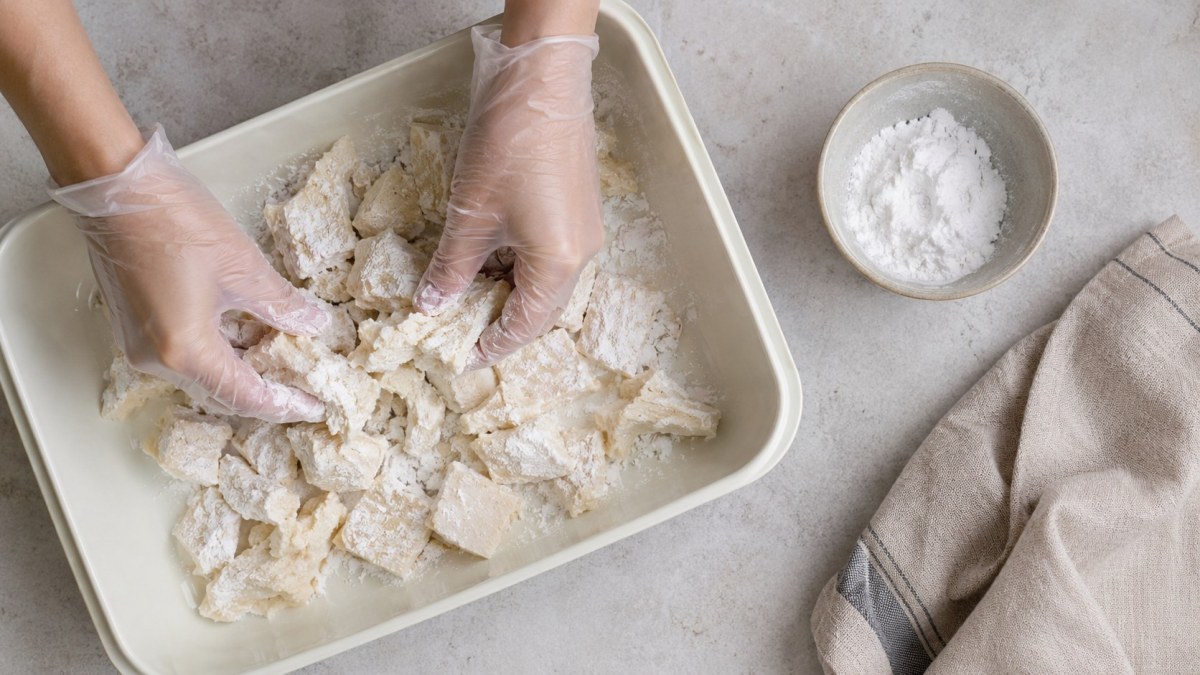
You can also use an air fryer. Lightly spray the surface with oil and cook at 356°F (about 180°C) for roughly 15 minutes, flipping halfway. The texture will differ from deep frying, but the air fryer is great for drying and crisping a starch-coated surface.
Make gangjeong sauce by mixing gochujang, soy sauce, honey or oligosaccharide syrup, and minced garlic. Don’t make the sauce too salty — frozen tofu soaks up sauce quickly and an overly salty glaze will overpower the center. Keep the sauce thinner and milder than usual, then adjust seasoning at the end. When the sauce boils, reduce the heat or turn it off before adding the fried tofu and toss briefly; simmering too long will soften the crisp exterior.
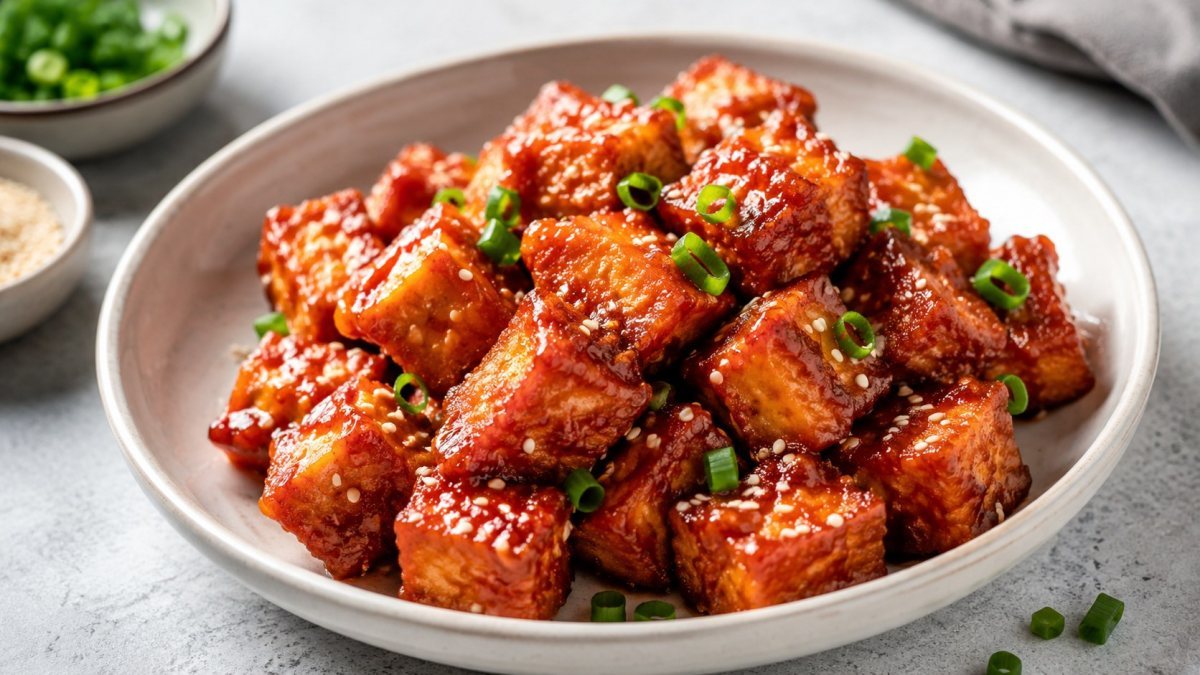
Using frozen tofu in stews and braises
Frozen tofu works well in soups and braises. In stews like doenjang jjigae or kimchi jjigae, the broth soaks into the tofu’s gaps. Its firmer texture also helps it keep shape during simmering, so it holds up better than fresh tofu even after several stirs.
When adding it to stew, drop the tofu in mid-cook after the broth has started to boil rather than right at the end. That gives the liquid time to penetrate the tofu. But be careful: simmering it too long in a strongly seasoned broth — like kimchi stew — can make it overly salty. In those cases, season the broth more gently or shorten the cooking time.
Frozen tofu makes great braises too. After thawing and pressing, lay the tofu in the pot, pour in the braising sauce, and simmer until it reduces. A sauce of soy sauce, red pepper powder, scallions, and sesame oil will sink into the tofu and balance flavors between surface and center. You don’t have to pan-fry it first, but if you don’t remove enough water the sauce can turn watery, so proper prep is key.
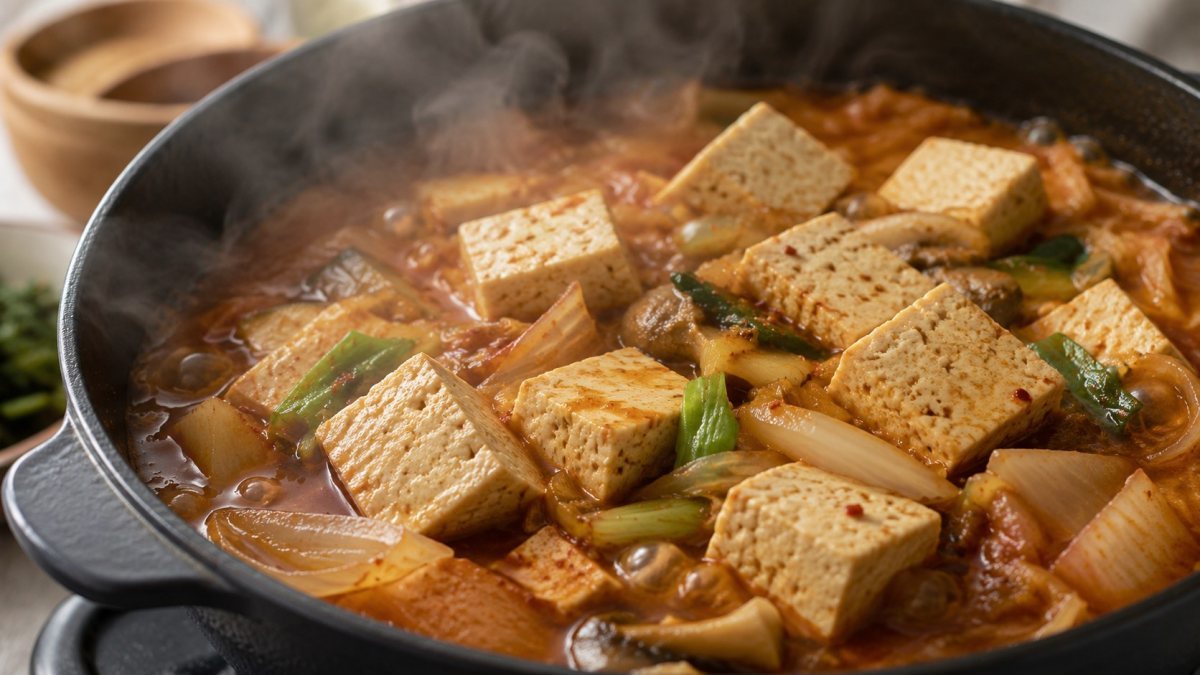
Because frozen tofu absorbs seasonings well, the amount of salty ingredients you add strongly affects the outcome. When using salty components like soy sauce or gochujang, hold back some at first and finish seasoning at the end. Dishes that reduce down, like gangjeong or braises, can concentrate in saltiness over time, so taste and adjust as you go.
Storage and refreezing cautions
Freezing helps extend tofu’s life, but quality can change even in the freezer. Poor sealing can dry out the surface or let in freezer odors. Tofu soaks up smells easily, so use airtight containers or resealable bags to limit air exposure. If you froze purchased tofu, try to use it sooner rather than later.
Don’t refreeze thawed tofu. Once tofu has frozen and thawed, its structure and moisture are altered. Repeating the cycle breaks down texture and raises food-safety concerns. Cook thawed tofu immediately and don’t leave it at room temperature — thaw only what you plan to use.
Always check smell and appearance before cooking. If it smells off or the surface becomes sticky, discard it. Frozen tofu is an easy trick to transform ordinary tofu at home without buying special ingredients. Freeze, thaw, press — do those steps right, and you’ve got a versatile ingredient ready for katsu, gangjeong, stews, braises, and more.











Most Commented