
Haeundae Sand Festival 2026: Your Ultimate Guide to Art, Adventure, and Local Delicacies!
Daniel Kim Views
Translation result.
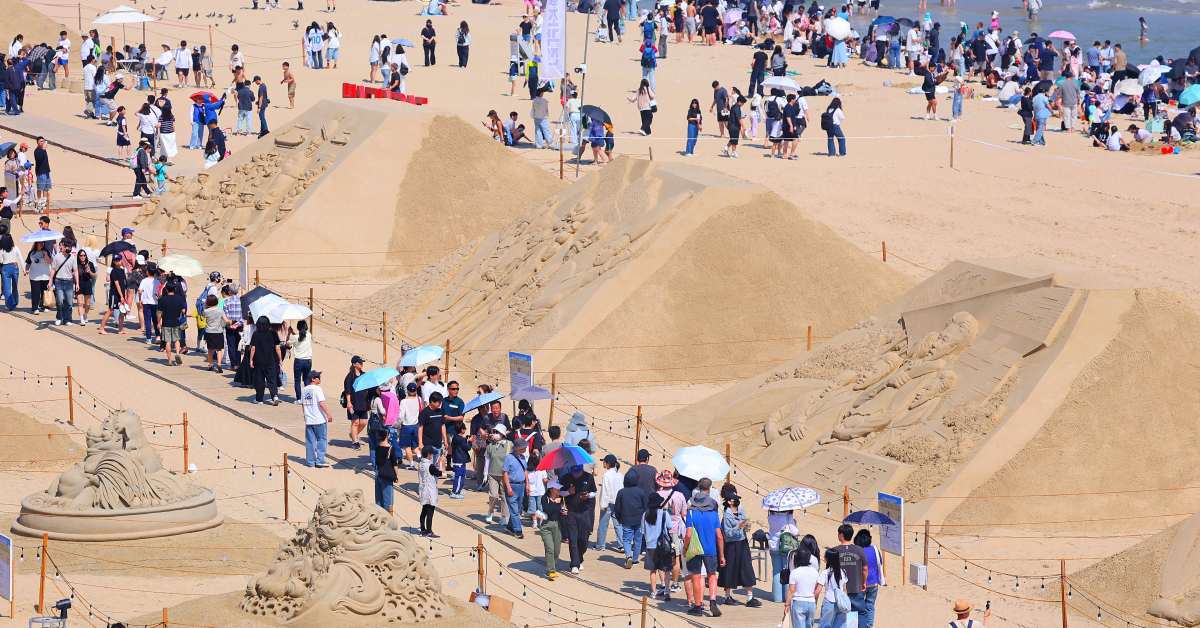
Haeundae’s white-sand beach has been transformed into a vast outdoor gallery, ushering in early summer. The Sand Festival, which draws millions each year and has become one of Busan’s signature events, opened on May 17.
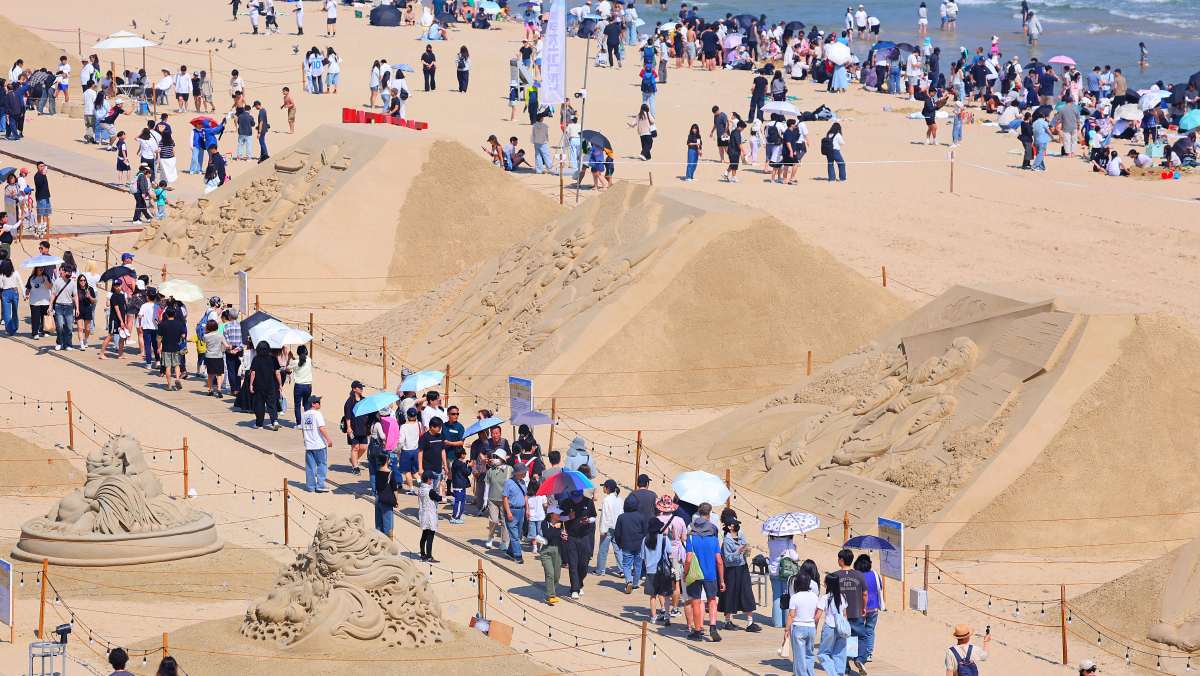
The Haeundae Sand Festival is South Korea’s only eco-friendly celebration centered on sand. Each late May, the beach fills with monumental works crafted by some of the world’s top sand sculptors.
This year’s festival, themed “A Time Travel Through Busan with Sand,” runs four days through the 18th, spanning Haeundae Beach and the Gumnam-ro area. The standout attraction is the centerpiece sculpture, towering up to 10 meters (about 33 feet).
Sculptors build these massive creations using only sand and water—no adhesives. On carefully compacted sand walls designed to resist wind and rain, they sculpt everything from historical figures and fairy-tale characters to imagined futuristic cityscapes in meticulous detail.
Sandboarding is one of the festival’s biggest hits with kids. Racing down a 10-meter dune on a board is a thrill you can only get at Haeundae.
Enchanting nearby routes
After the festival, take the nearby Dongbaek Island walking trail—it’s an easy stroll from the site. Follow the boardwalk through dense pines and camellias to reach Nurimaru APEC House, the 2005 summit venue. The night view of Gwangan Bridge from there is one of Busan’s absolute must-sees.
Haeundae Market sits just across from the festival and adds delicious variety. You can sample affordable street favorites—from Busan’s signature grilled sea eel (gomjangeo) to spicy tteokbokki and seed hotteok. If you want a trendier vibe, head to Haeridan-gil, the street behind the old Haeundae Station. Lined with quirky cafés and boutique shops, it’s become a hotspot for young tastemakers.
Haeundae: a thousand years written in the sand

Haeundae Beach, where the festival is held, carries a deep historical narrative stretching back to the Silla period. Framed by exceptional natural scenery, the sands have witnessed everything from scholar retreats in ancient times to modern hot-spring resorts and, eventually, the rise of a world-class beach city.
Local lore says the name “Haeundae” comes from the late Silla-era scholar Choi Chiwon. Leaving politics for Mount Gaya, he lingered on Dongbaek Island, captivated by the scenery, and carved the characters “Haeun” (海雲) from his courtesy name into a rock on the island’s southern shore. That inscription stuck and became the area’s name.
Until the Joseon era, Haeundae was a quiet fishing village tucked among pine forests and reed beds. Around 1897, Japanese developers began developing hot springs, and when the Donghae Nambu Line opened in the 1930s, Haeundae quickly gained national fame as a hot-spring resort.
As more people came for the baths and rail access improved, the wide white sands gradually turned into a popular spot for beachgoers and water play.
Getting there
Haeundae’s public transit network makes it easy to visit without a car. From Haeundae Station on Busan Metro Line 2, use Exit 3 or 5 to reach Gumnam-ro Square, which leads straight to the beach. It’s about a five-minute walk to the festival site, so finding it is simple.
From Busan Station (KTX/SRT), take express buses 1001 or 1003; the trip takes roughly 40–50 minutes. From Gimhae International Airport, you can take the airport limousine bus or transfer twice on the subway. Roads and parking get very congested during the festival, so public transit is recommended.
The festival is set on mostly unshaded sand, so bring a wide-brim hat, sunglasses, and sunscreen to stay comfortable. Sand gets into shoes easily, so wear sandals or flip-flops and check where the temporary foot-washing stations are located.
Haeundae: a foodie’s paradise
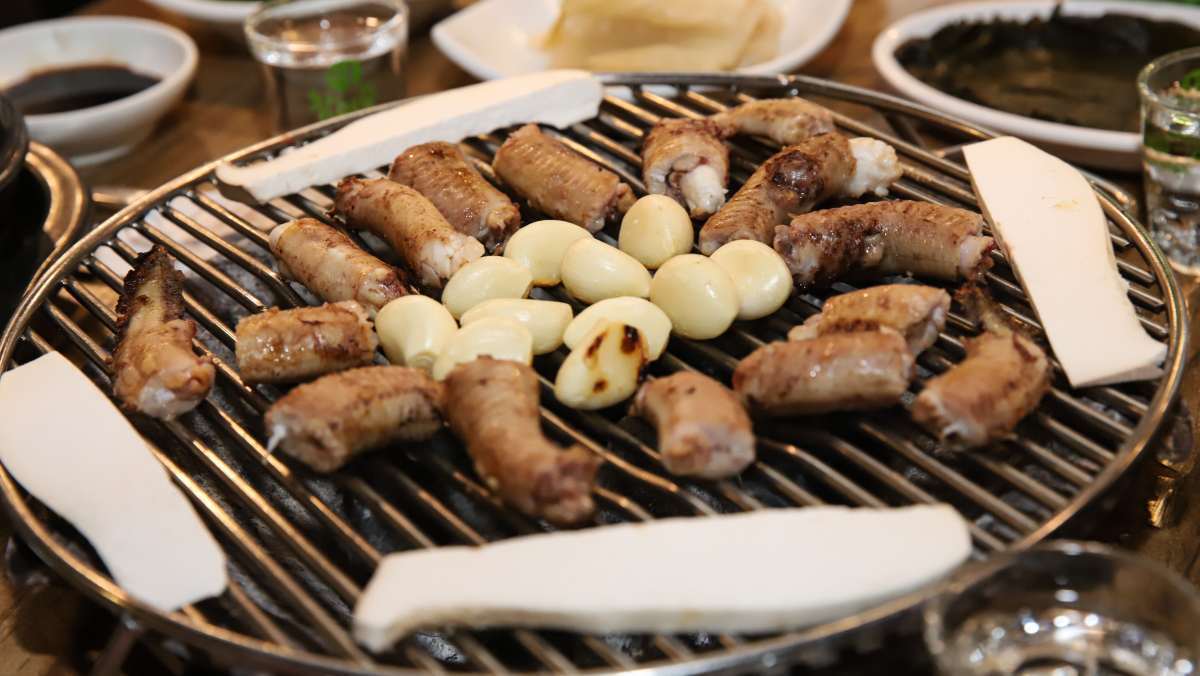
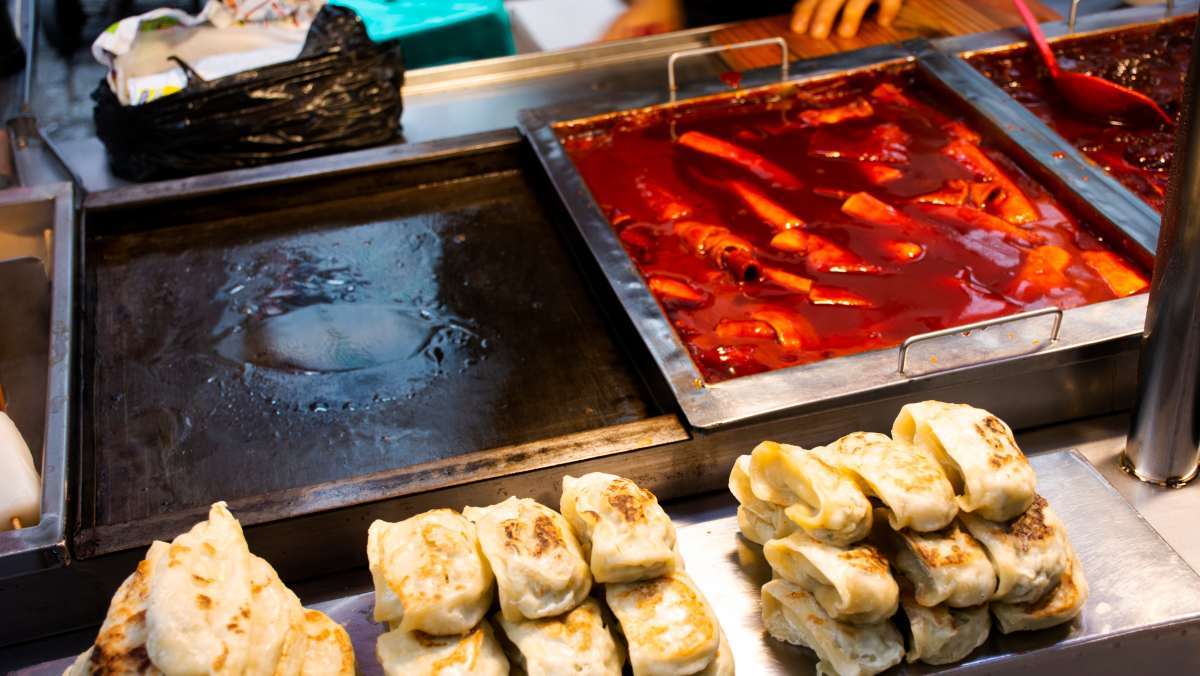
As the saying goes, you can’t enjoy a view on an empty stomach—food completes the Haeundae experience. Haeundae Traditional Market, just across from the beach entrance, is where Busan’s hearty, comforting flavors shine. The market’s signature is grilled sea eel (gomjangeo). Vendors clean the wriggling eel on the spot and stir-fry it in a spicy sauce; the smoky, savory aroma will stop you in your tracks. After wrapping the eel in perilla leaves, finish the meal by mixing rice into the leftover sauce—an absolute market must.
Thick rice cakes tossed in a rich gochujang sauce define Busan-style tteokbokki and are hard to resist. Pair them with freshly fried tempura and steaming fish-cake soup for maximum satisfaction. And don’t skip seed hotteok—the long line at the market entrance is worth it for the buttery, slightly salty filling and crunchy seeds and nuts that make the perfect sweet finish.









Most Commented