
Why Handmade Noodles Are Worth the Effort: Exploring the Secrets Behind Korea’s Best Noodle Shops
Daniel Kim Views
Translation result.
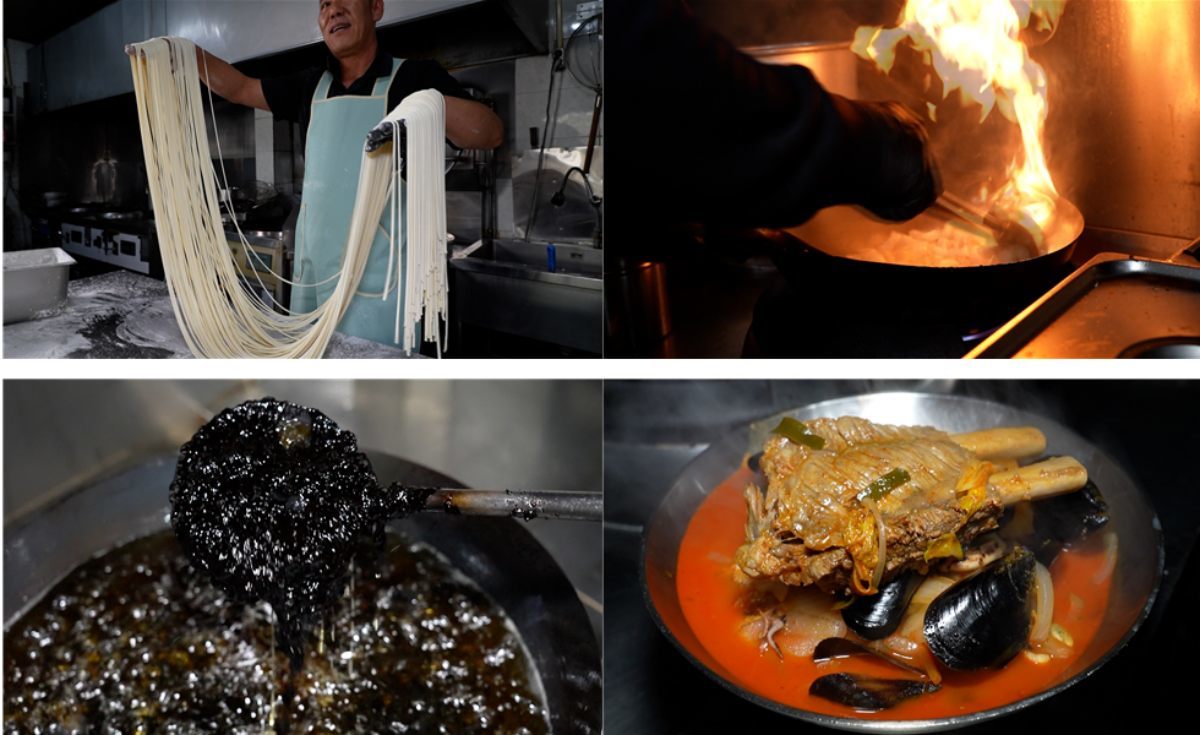
On May 16, EBS1’s Extreme Jobs (episode 909) puts noodles—beloved across generations—center stage, spotlighting small shops that win customers with distinctive textures and secret recipes.
The episode follows kitchens chasing the perfect bite: from hand-pulled dough and traditional knife-cut kalguksu to a Jeju-style cold noodle made with aged radish, called mu-chanji naengmyeon.
As machines and franchise outlets spread, hands-on cooking traditions are slowly fading. Dishes that demand patient, manual prep are harder to find. Still, a handful of chefs keep these traditions alive, working long, grueling days to protect authentic flavors. Through profiles of a Chinese restaurant in Hwaseong, a noodle shop in Daegu, and a naengmyeon specialist in Jeju, the show explores how Korea’s noodle culture endures.
The chewy spring of hand-pulled noodles
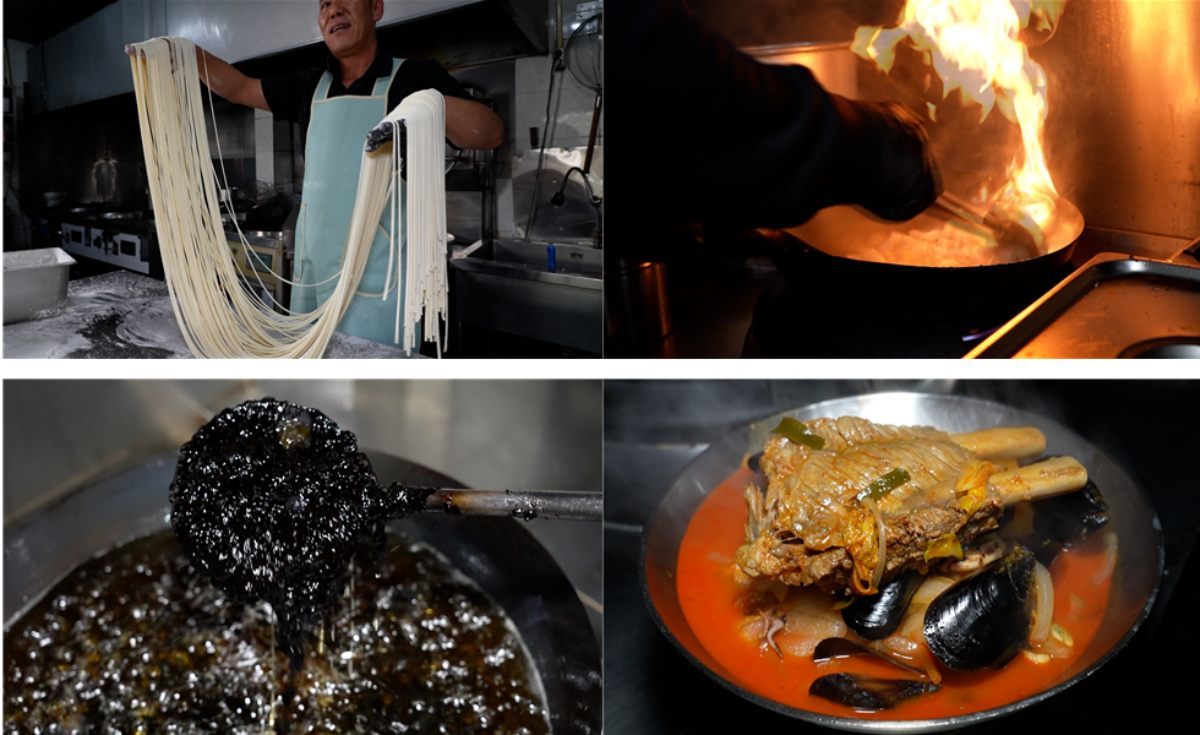
At a Chinese restaurant in Hwaseong, Gyeonggi Province, a cook with 30 years of experience still pulls noodles by hand. These noodles are prized for their springy chew and the dramatic skill involved—qualities that have kept customers coming for generations. Producing them is physically demanding. On busy weekends, one person can turn as much as 80 kg of flour into noodles, leaving shoulders, arms, and the whole body sore. Every morning involves preparing large quantities of ingredients, then standing over intense heat all day. The work wears on both mind and body, and the shop has had to shorten its hours. Even so, the chewy noodles and the dishes that complement them keep diners returning.
Kalguksu, passed down since 1950
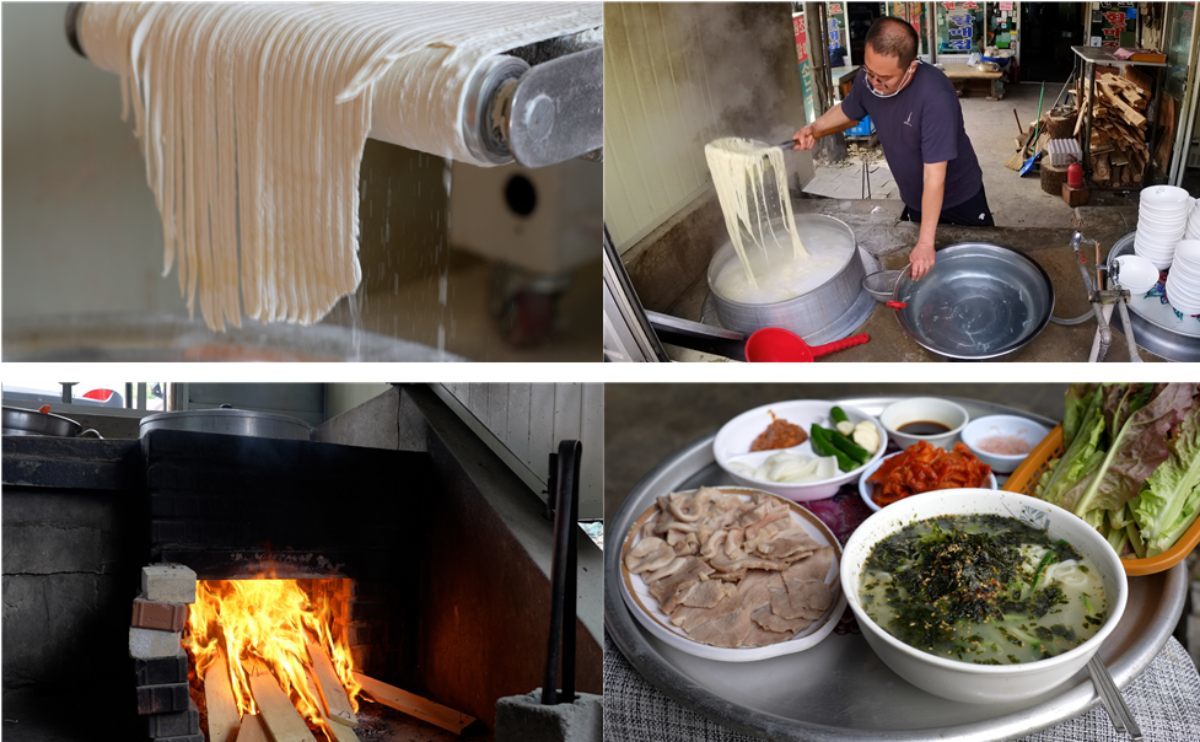
A noodle shop in Daegu has occupied the same spot since 1950, preserving a flavor steeped in nostalgia. The recipe and techniques passed down from the founder are the shop’s secret. Instead of the usual anchovy or meat broths, they use the water left from boiling the noodles—the noodle water—as the soup base. No additives, just the clean, natural flavor drawn from the dough itself. A finishing sauce made from house soy sauce, gochugaru, and green onion adds depth. The noodles are still hand-cut, made only with flour and eggs to let the pure taste of kalguksu shine. Maintaining this tradition is grueling. Working over a blazing wood-fired stove all day to boil noodles and pork leaves staff drenched in sweat, and they collect and use firewood daily to keep the stove burning.
Jeju in a bowl: mu-chanji naengmyeon
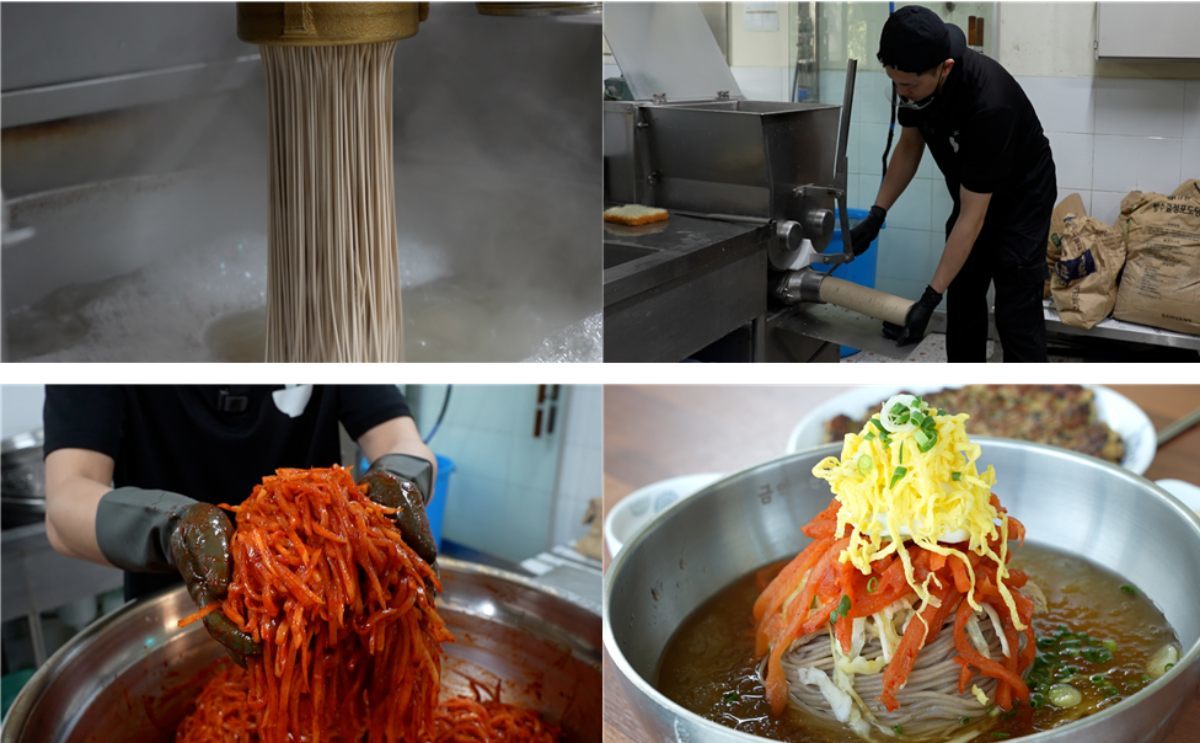
On Jeju Island, you can find a cold noodle that’s truly local: mu-chanji naengmyeon. Chefs use only Jeju ingredients, with mu-chanji—winter radishes aged for a year—at the heart of the dish. Broth is made from pork raised in Gumeak Village, taking advantage of the area’s many pig farms, and they hand-make meatballs for a strictly limited daily batch. The dough calls for Jeju-grown buckwheat. In summer, daily sales can reach 6,000,000 KRW (4,500 USD), and customers keep coming. That success is no accident: they make roughly 120 L of stock at a time, spend three hours removing blood from the meat, then another three hours simmering and cooling the broth—a whole day of meticulous effort.
Mechanization and a focus on efficiency dominate much of today’s food scene. But as long as people are willing to sweat to preserve traditional flavors and craftsmanship, these culinary traditions will survive. The springy bite of hand-pulled noodles, the clean broth of kalguksu, and the refreshing mu-chanji naengmyeon—made with devotion and passion—prove the enduring value of Korean cuisine.
Types of noodles Koreans enjoy: from festive noodles to naengmyeon and ramen
Noodles are a versatile staple on Korean tables—served as meals, snacks, or casual restaurant dishes. Common types include thin wheat noodles used for janchi-guksu and bibim-guksu; hand-cut wheat noodles called kalguksu; buckwheat- or starch-based naengmyeon; makguksu from Gangwon Province; kongguksu served with a cold soybean broth; and processed instant noodles like ramyeon.
Janchi-guksu features boiled thin wheat noodles in a warm broth, often made with anchovy or kelp stock, topped with thin egg strips, seaweed, zucchini, and carrot. Once associated with celebrations, it’s now common in homes and casual noodle shops. Bibim-guksu tosses chilled, rinsed noodles with a spicy-sweet sauce—typically gochujang, soy sauce, vinegar, sugar, and sesame oil—and is often served with cucumber, kimchi, and a boiled egg.
Kalguksu is made from rolled dough cut with a knife and simmered in broth. Varieties reflect the broth—clam, chicken, anchovy, beef-bone, or perilla seed. Some restaurants use handmade noodles; others use dried or fresh packaged noodles. Because it’s usually enjoyed in hot soup, kalguksu is eaten year-round.
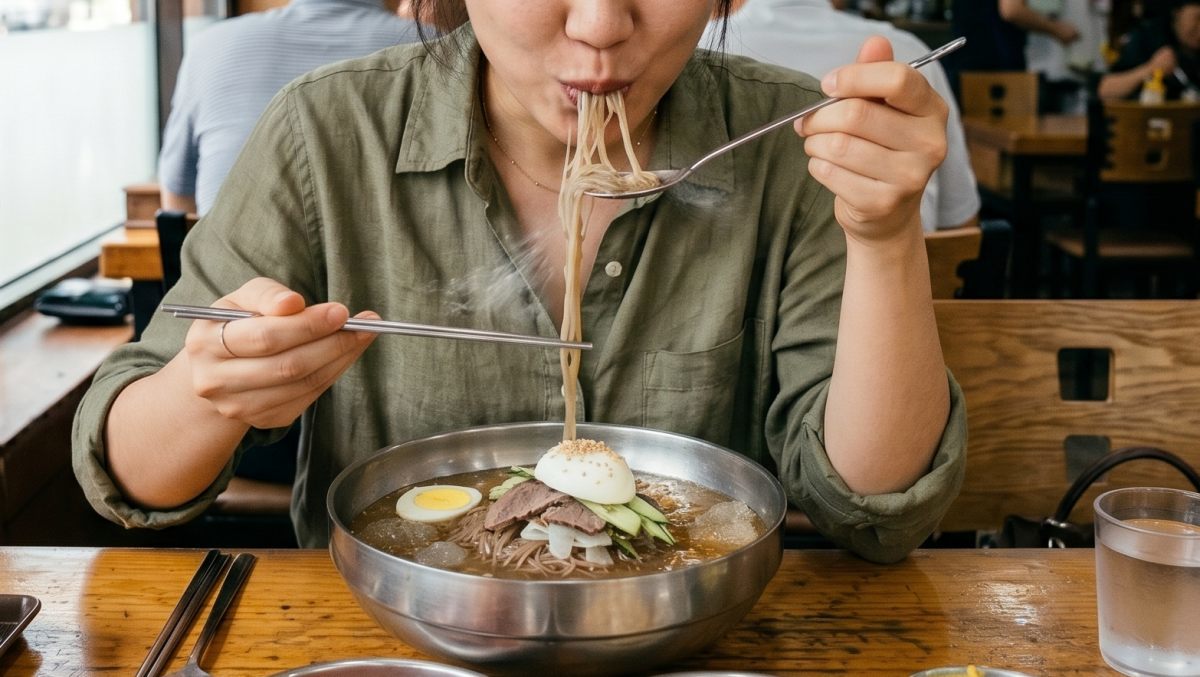
Naengmyeon uses pressed noodles made from buckwheat mixed with starch. It developed in northern regions before spreading nationwide. The Korean Encyclopedia of Culture describes naengmyeon as buckwheat-and-starch noodles topped with sliced boiled meat, cucumber, pear, and boiled egg, served with broth. Broths vary—meat stock, dongchimi (radish water kimchi) broth, or kimchi juice—and well-known styles include Pyongyang, Hamhung, and Jinju naengmyeon.
Pyongyang naengmyeon, from the Pyongyang region, features buckwheat noodles in a cold, clear broth and is known for its mild taste; historically, pheasant broth was used, though beef and beef-bone stock are common today. Hamhung naengmyeon uses chewier noodles made mainly from potato starch and is often topped with raw fish, earning it the name hoe-naengmyeon (raw fish naengmyeon).
Makguksu, made from buckwheat, is associated with Gangwon Province. Like naengmyeon, it’s often served cold, but preparation varies—some places mix it with sauce, others serve it with dongchimi broth. Kongguksu pours a chilled soybean-based broth over noodles and is a popular summer dish; people season it with salt or sugar to taste.
Ramyeon is a processed noodle product distinct from traditional noodle dishes. It comes as packaged noodles cooked in boiling water with a seasoning packet or as cup noodles that need hot water. Koreans eat ramyeon as a meal substitute, snack, or late-night comfort food.
Noodle types differ by ingredients and cooking methods: thin wheat noodles for janchi- and bibim-guksu, fresh wheat dough for kalguksu, and buckwheat or starch noodles for naengmyeon and makguksu. Dishes also split by broth temperature—hot versus cold—or by whether the noodles are served in broth or mixed with sauce. In Korea, noodles coexist across regional specialties, home cooking, quick-service shops, and processed foods.
EBS1’s Extreme Jobs captures a day in grueling workplaces
EBS1’s Extreme Jobs is a documentary series that follows workers in physically demanding or high-focus jobs, offering an up-close look at their workdays, environments, and processes.
The program covers overnight shifts, workplaces with safety risks, and industries where labor intensity changes with the seasons and weather. It profiles fisheries, agriculture, manufacturing, and service sectors, showing concrete examples of daily routines and techniques.
By depicting workers who must sustain physical endurance or constant vigilance, the show reveals the reality behind these professions. Viewers get a rare glimpse into tough workplaces and can reflect on the meaning and value of different kinds of work.
Extreme Jobs airs Saturdays at 9:00 PM on EBS1. Episode details and scheduling information are available on EBS1’s preview and program guide pages.











Most Commented