
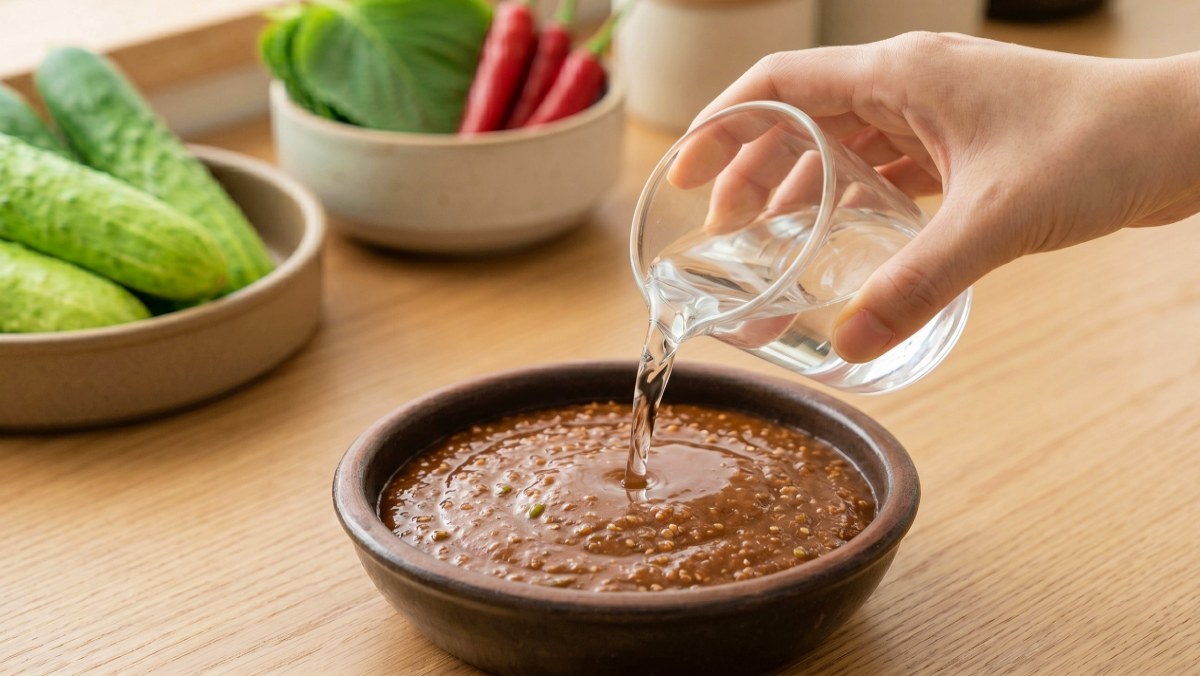
Got a half-empty bottle of lemon-lime soda in the fridge? Before you toss it, try using it in the kitchen. Even if it’s lost some fizz, as long as it hasn’t gone off, a splash can act like a secret seasoning. The soda’s sweetness, mild acidity, and slight effervescence help round out and brighten vegetable side dishes.
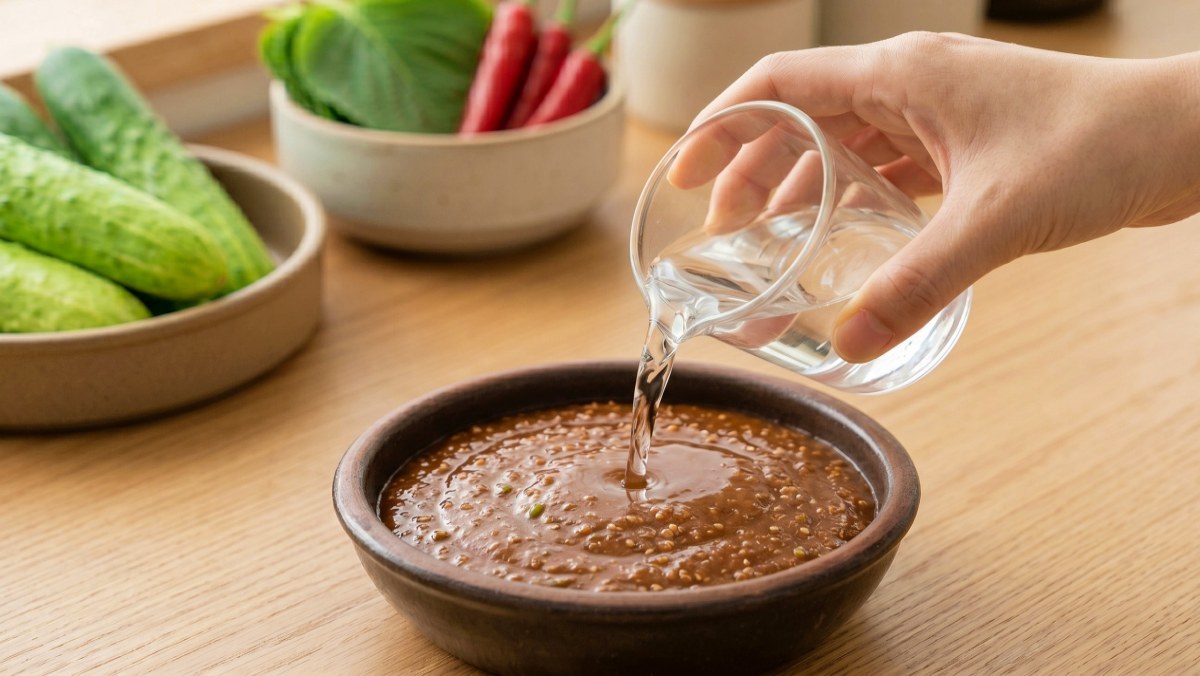
It’s especially handy in dishes that call for both sweetness and tang—think ssamjang (dipping paste), water kimchi, quick salads, and pickles. A little soda can let you cut back on sugar or syrup without losing flavor. Because it’s sweet, add it gradually and taste as you go so you don’t overdo it.
Boost umami with “soda ssamjang”
One of the easiest tricks is stirring soda into ssamjang. Store-bought ssamjang can be quite salty and dense, which feels heavy with fresh veggies. A splash thins and softens the paste, adds balanced sweetness and acidity, and gives a cleaner finish. You keep the savory fermented notes while cutting through the heaviness—perfect with cucumber, green peppers, or baby napa cabbage.
Try this simple mix: 3 tablespoons store-bought ssamjang, 1/2 tablespoon minced garlic, 1 tablespoon sesame oil, and 1 tablespoon soda to start. Want it smoother? Add another tablespoon. Go slowly so you don’t dilute the seasoning—aim for a consistency that lightly coats the vegetables. For grilled meats, toss in a pinch of red pepper flakes or chopped Cheongyang chili. Finely chopped nuts add a toasty flavor and help the sauce cling to leaves instead of running off.
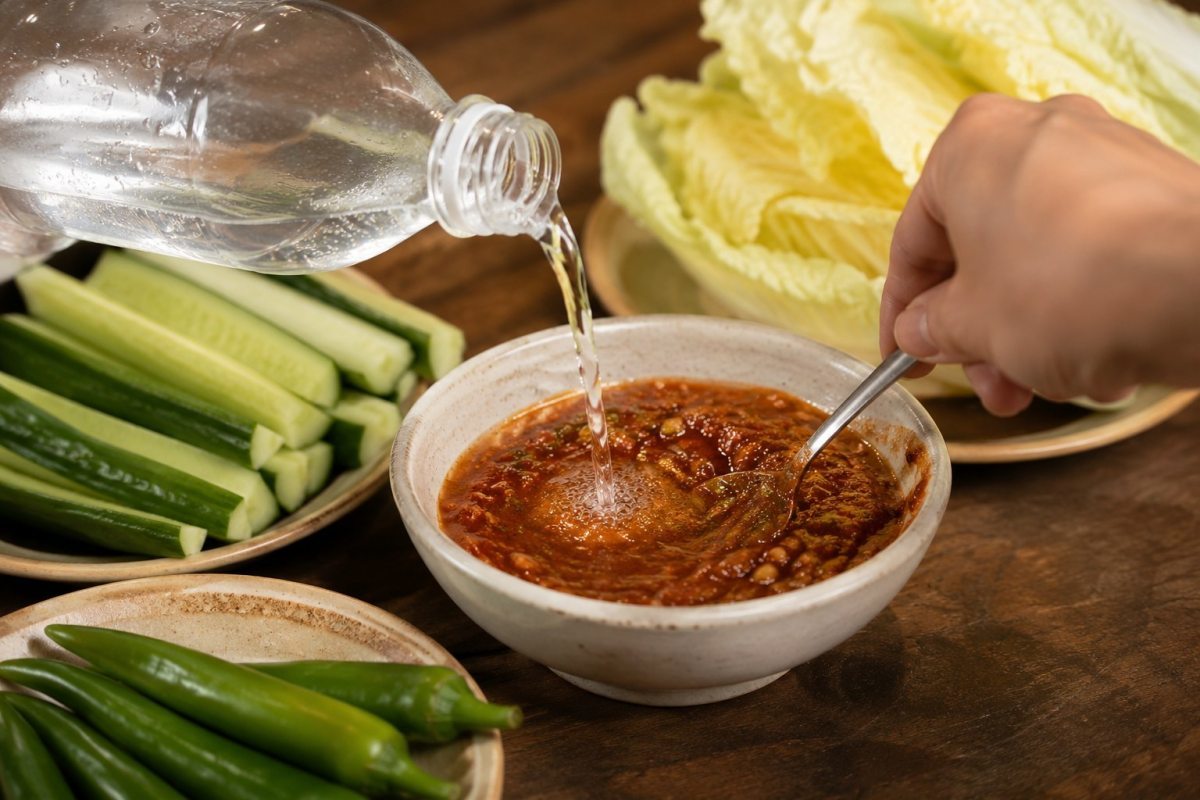
Flat soda works here too. Even without fizz, its sweetness and acidity soften the sauce’s saltiness. Smell and taste it first—soda that’s been open a long time can lose aroma and become bland. If it’s been open for ages or not refrigerated, don’t risk it. For the best texture, mix the soda into ssamjang right before serving. If you need to prep ahead, combine the base ingredients and add the soda at the table so you can adjust flavor and thickness.
Make quick, flavorful nabak-kimchi broth
Soda also speeds up the broth for nabak-kimchi or water kimchi. Its sweetness and refreshing note help the flavor come together faster—handy when you need a cooling side or something to cut through a rich meal. Mix soda with water rather than using it straight; too much will make the kimchi taste like a drink.
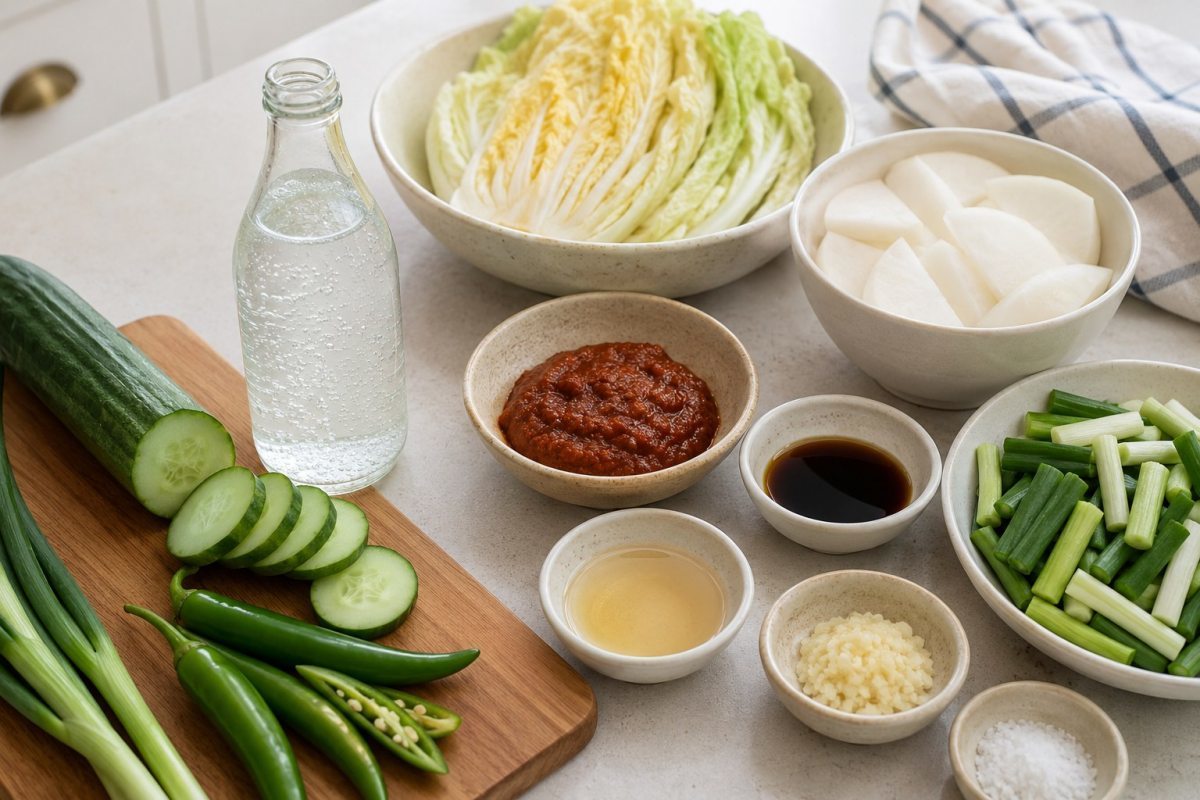
Slice baby napa cabbage and radish into bite-size pieces, lightly salt, and squeeze out excess water. Mix about 1,000 ml (about 34 fl oz / roughly 4 1/4 cups) water with about 200 ml (about 6.8 fl oz / roughly 3/4 cup) soda. Strain red pepper flakes through cheesecloth or a fine sieve to pull only the red color and keep the broth clear. Season with minced garlic, ginger, and salt, and add a touch of pear or apple for natural sweetness. Because the soda adds sweetness, skip or greatly reduce any added sugar. Chill the broth—its flavors sharpen when cold—so avoid over-salting up front.
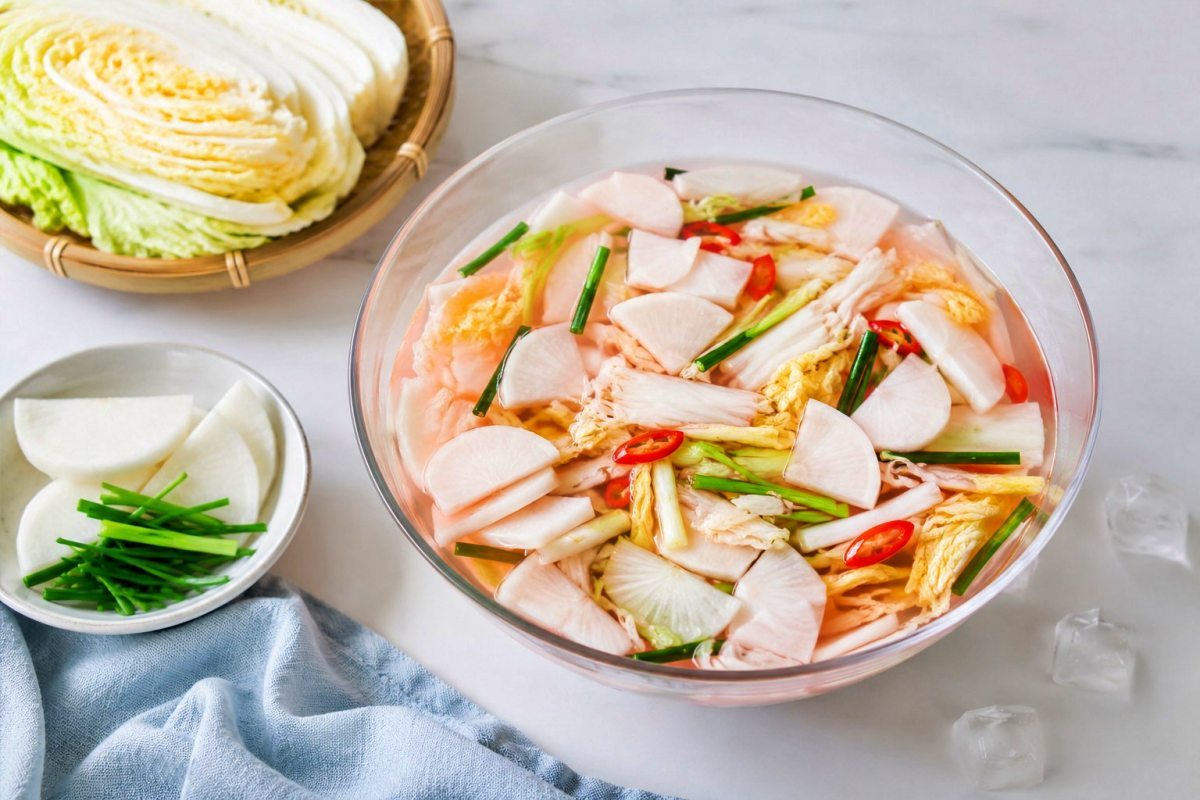
Store nabak-kimchi in the fridge once the flavor has set—don’t leave it at room temperature. Sugary broths spoil faster in heat, so keep storage in mind. Chilling helps the soda’s light sweetness pair with the crispness of radish and cabbage. Taste before serving; add salt if it’s bland, or dilute with water if it’s too sweet. It’s a great palate-cleanser with noodles or oily dishes like jeon (pancakes) and fried foods.
Tame sharp flavors in seasoned vegetables
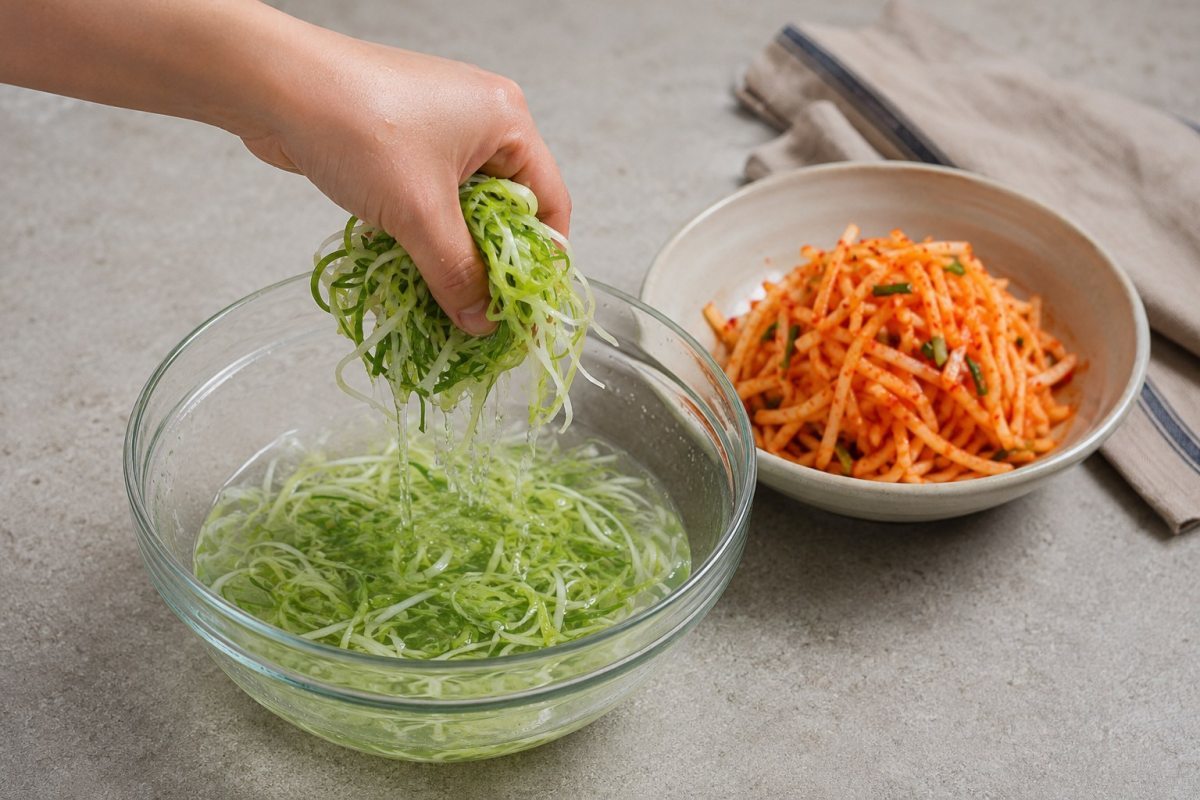
Soda can mellow the bite of strong vegetables like scallions, onions, or radish. Instead of just soaking scallion strips in cold water, briefly soak them in a mix of water and soda to soften the heat and perk up the texture. Don’t use soda undiluted—mix about two parts water to one part soda and soak for 5–10 minutes. Drain well so the dressing won’t separate. Any leftover moisture will thin the sauce and make the scallions limp; drain in a colander and gently press with paper towels.
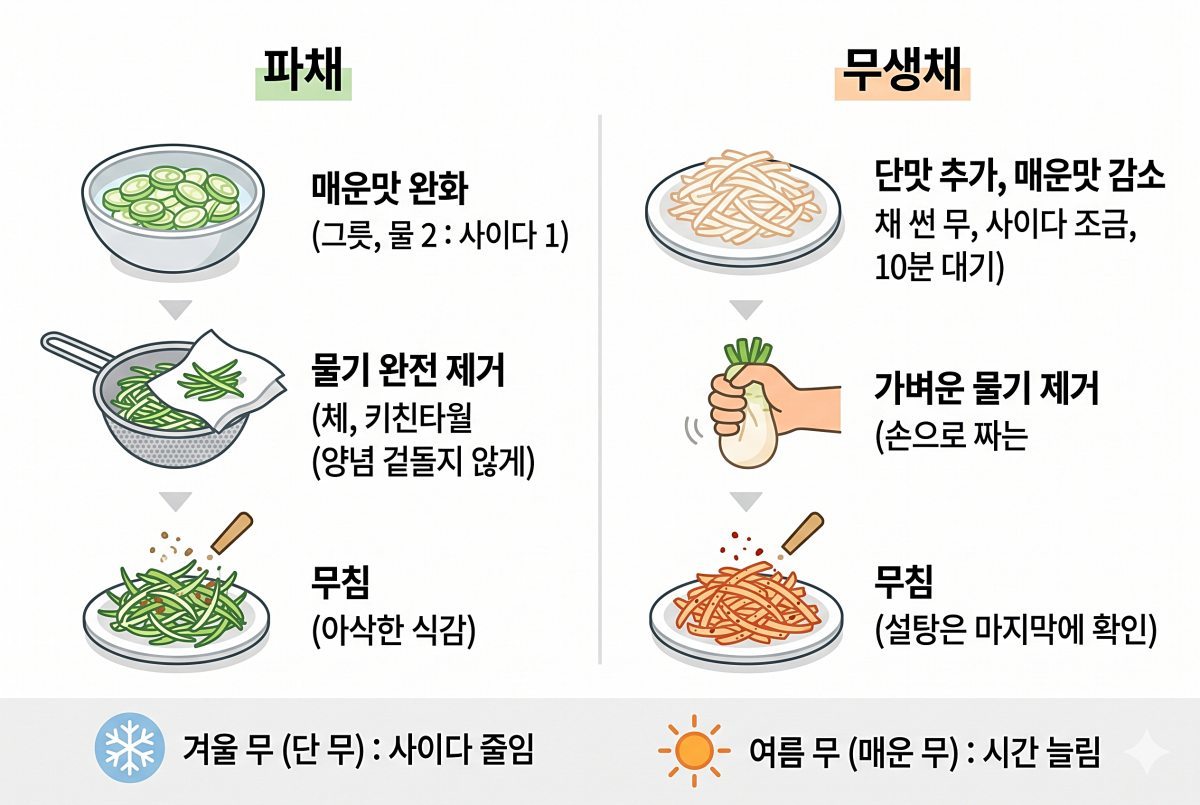
For shredded radish salad, sprinkle a little soda over the sliced radish and let it sit briefly. Long salting can make radish soggy or too salty; soda adds sweetness while cutting some of the bite. After about 10 minutes, lightly remove moisture and toss with red pepper flakes, fish sauce, vinegar, and minced garlic. Taste before adding sugar—only add if needed. Use less soda in winter when radish is sweeter, and soak a touch longer in summer if the spice is stronger.
Soda-seasoned salads are best fresh. Over time, vegetables release water, thinning the dressing and making sweetness more pronounced. For lunchboxes or company, prep the veggies ahead but dress them right before serving. Scallion salad gets a tangy-sweet lift that cuts through meat grease, and shredded radish stays bright and pairs perfectly with rice. Because you don’t need heavy seasoning, these sides make it easier to eat more vegetables. They also work well as toppings for cold noodles or bibim-guksu.
Ultra-easy pickles without boiling
You can use soda to make a quick pickle brine without heating anything. Traditional pickles use boiled soy sauce, vinegar, sugar, and water, but soda already brings sweetness and acidity—add soy sauce and vinegar and you’re set. This method shines with crisp vegetables like cucumbers, onions, and peppers.
Use a ratio of 2 parts soda to 1 part soy sauce to 1 part vinegar. Wash and dry vegetables thoroughly, cut into bite-size pieces, pack into an airtight container, and pour enough brine to submerge them. Add Cheongyang peppers for heat or whole garlic cloves for aroma. For best flavor, chill in the fridge for half a day to a day. Removing some cucumber seeds cuts excess liquid, and thicker onion slices keep crunch longer.
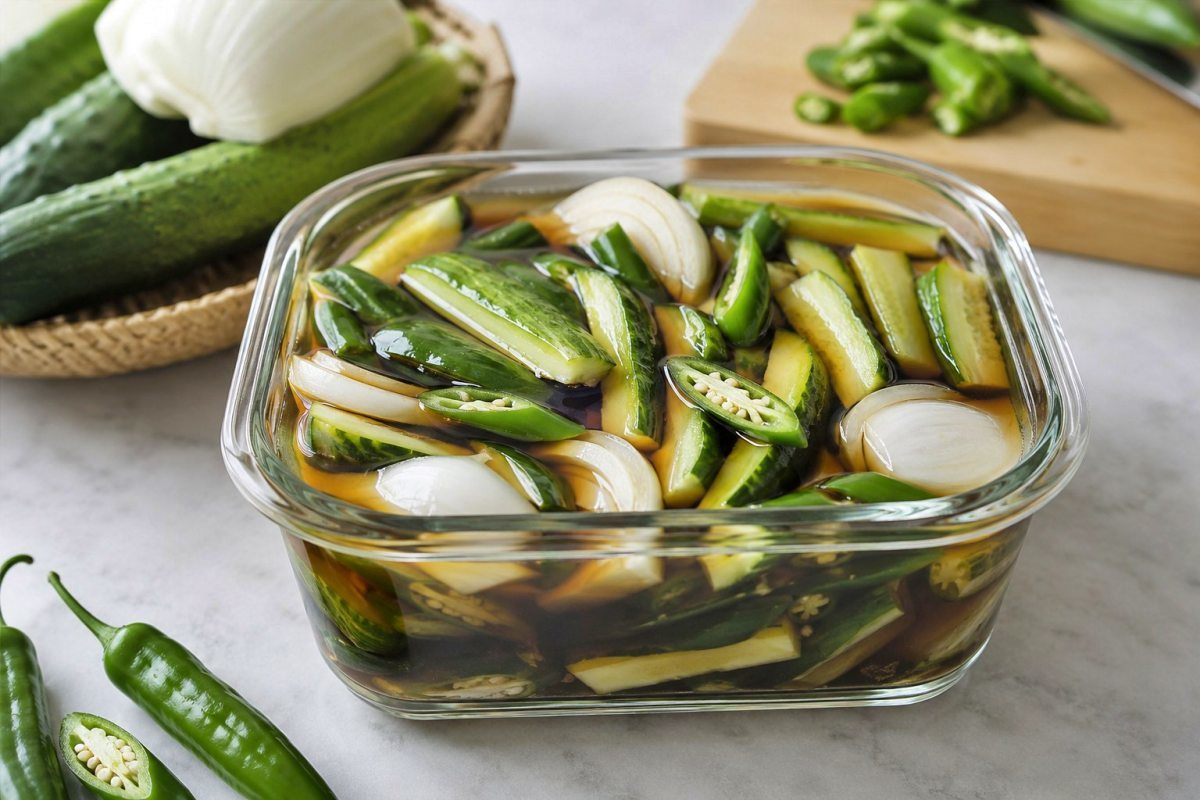
The no-heat method is convenient but not ideal for long-term storage. These pickles won’t keep as long as ones made with hot brine, so make small batches and eat them quickly. Clean and dry containers first, and use dry spoons or tongs when serving. Discard the brine if it turns cloudy or smells off. If you want to reuse leftover brine, boil and cool it or make a fresh batch instead of continuously adding new vegetables.
What to check before using soda in cooking
Regular, sugar-sweetened soda is the easiest option for cooking. Diet or zero-sugar sodas can taste different and sometimes leave an odd aftertaste. Artificial sweeteners can become noticeable, especially in long-stored sides or soy-sauce-based marinades, so start with regular soda when trying this trick for the first time. If you do use a zero-sugar version, test with a small amount first. Fruit-flavored sodas with strong citrus notes can change a dish’s aroma—use sparingly with bold condiments like doenjang or soy-based sauces.
Controlling sweetness is crucial. When you add soda, reduce the recipe’s sugar, oligosaccharide syrup, or plum syrup. If you add soda and keep the original sugar amounts, the vegetables’ flavors can get masked and the dish may feel heavy. Taste the sauce or brine before finishing; if it’s sweet enough, don’t add more sweetener. If it’s too salty, don’t rely on soda alone to fix it—adjust water, vinegar, and salt together for balance.
Storage matters. Sodas add sugar, so dishes made with them can change quickly at room temperature. Refrigerate promptly and prepare only what you’ll eat within a day or two. To preserve any fizz, add the soda just before serving or store in a tightly sealed container to limit air exposure. If you use soda that’s been open a long time, pour a little into a cup first to check color and smell before adding it to food. A quick check like this helps you use leftover soda safely and effectively.
Ways to use leftover soda
Leftover lemon-lime soda is more useful than you think. It softens ssamjang, speeds up a refreshing nabak-kimchi broth, and tames sharpness in scallion and radish salads. It makes quick sweet-and-sour pickles without turning on the stove. The trick is small, timely additions—not dumping in a lot. One tablespoon can shift salt, spice, or texture enough that even beginners notice a clear difference.
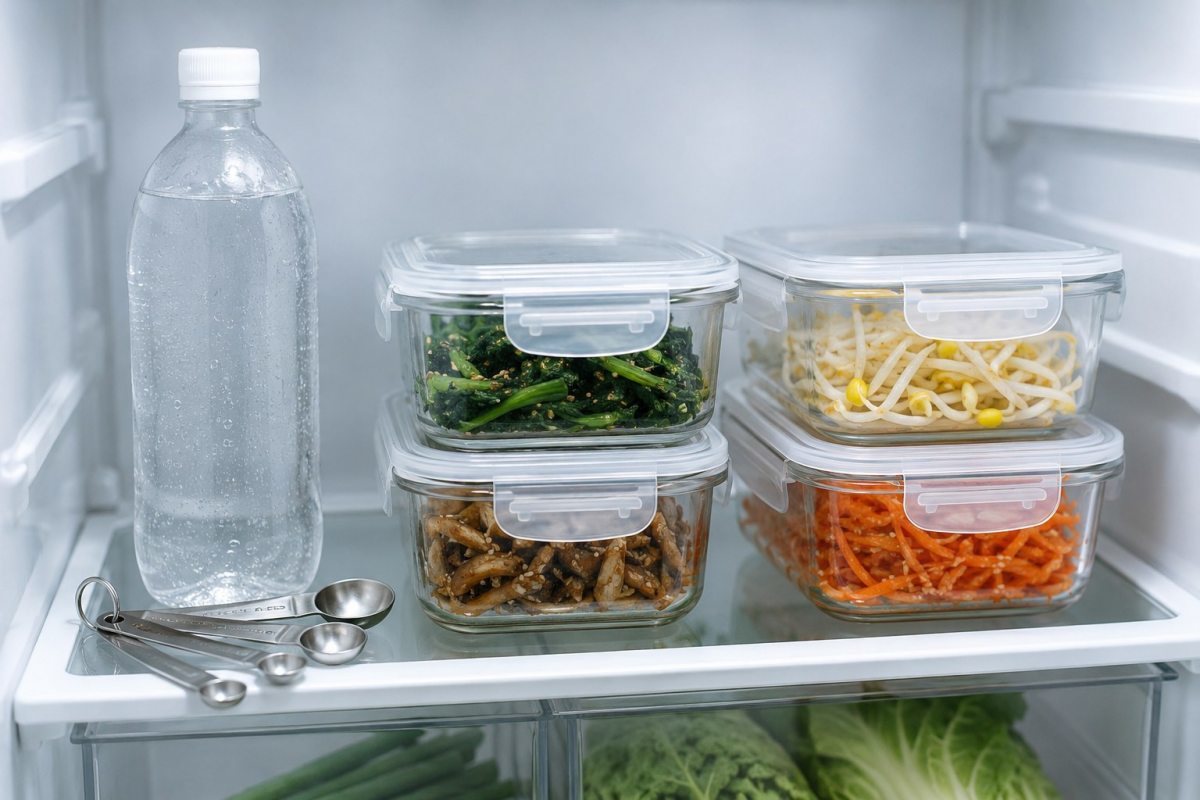
A flat bottle of soda in the fridge can pair surprisingly well with many sides. Don’t use old soda blindly—check its condition and adjust sweetness and storage time to avoid mistakes. If you need a vegetable side tonight, stir a tablespoon of soda into your ssamjang first. That tiny change will soften saltiness and brighten the vegetables, helping you use up your leftover drink while upgrading the side dish.










Most Commented