
Translation result
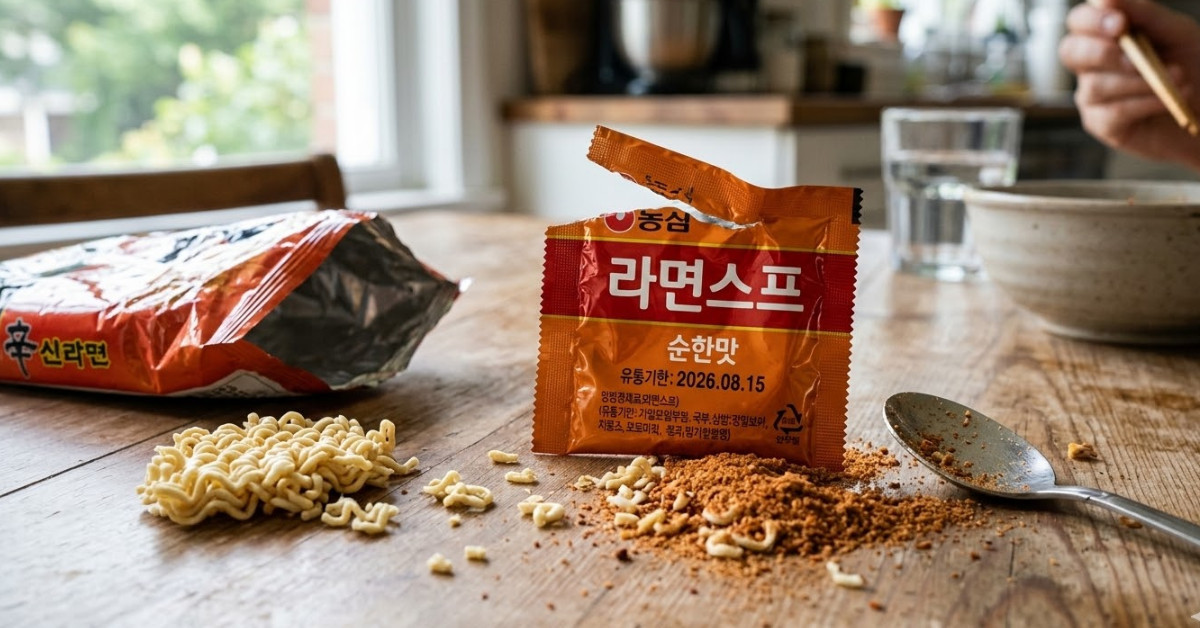
Breaking open a packet of instant ramen and snacking on the noodles straight from the bag late at night is a familiar, cozy habit for many Koreans. The red powder left in the packet used to be awkward waste—something you’d dump in the trash. Lately, though, that powder is getting a makeover. Once you see it as a concentrated, multi-ingredient seasoning rather than just a flavoring, the discarded powder becomes a serious kitchen cheat code that maximizes efficiency and taste.
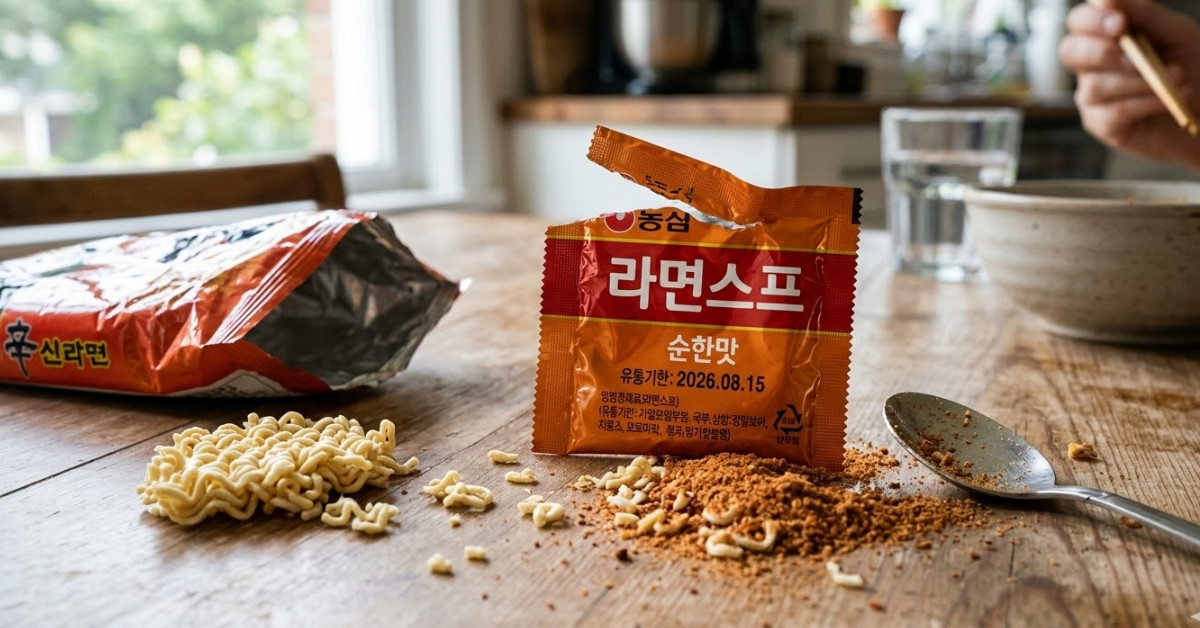
Powdered soup: the essence of food engineering
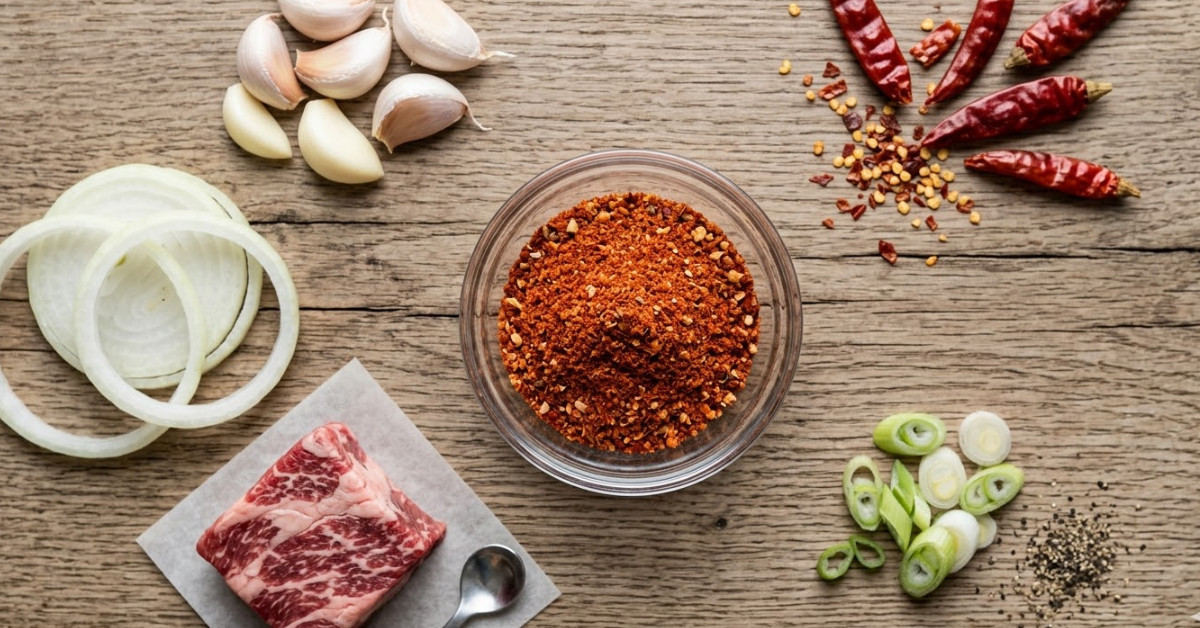
Ramen soup powder isn’t just salt and red pepper mixed together. It’s the result of modern food engineering focused on umami: freeze-dried concentrates combining beef bone extract, garlic, onion, soy sauce powder, ginger, pepper and a bouquet of spices in carefully tuned ratios. Producers design these mixes so monosodium glutamate (MSG) and nucleotide-based flavor boosters work in tandem to amplify the fifth taste—umami.
One spoonful of that powder compresses centuries of culinary practice into micro doses. It gives any ingredient a reliable baseline of flavor. By lowering moisture to 3% or less to inhibit microbes and prevent flavor loss, manufacturers turn this concentrate into one of the most efficient preserved foods we’ve created.
The powder as a cultural icon
Mass media helped recast ramen soup powder as a “magic” ingredient. In late-2000s TV variety shows, cast members famously fixed bland dishes with a single packet; that image stuck, transforming vague mistrust of chemical seasonings into a story of flavor rescue. As camping culture boomed, people who needed big taste with minimal bulk started treating packets like essential gear. Today, ramen soup powder is more than a processed-food component—it’s a cultural meme woven into many Koreans’ eating habits.
Resuscitating dull broths
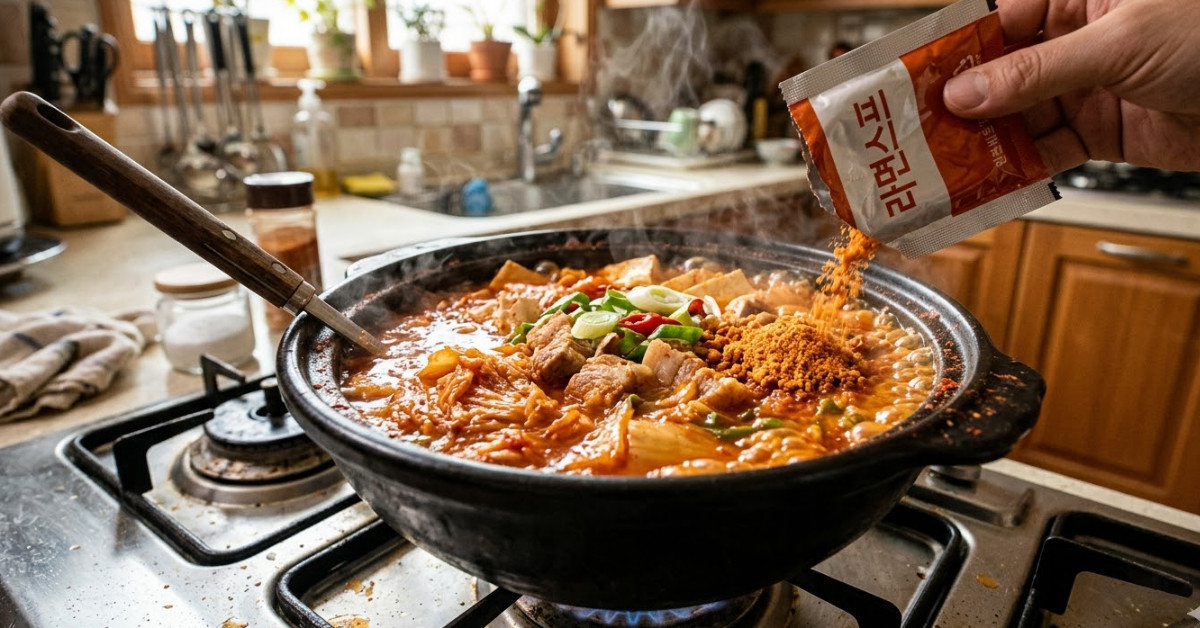
Home cooks often can’t replicate the deep, punchy flavors of restaurant kimchi jjigae or army stew because simmering bones for hours or building a complex stock base isn’t practical at home. Leftover ramen soup packets are the perfect shortcut. Right before the soup finishes, add about one-third to half a packet instead of salt or liquid soy sauce—flat broth will instantly wake up. When kimchi is overly acidic or a stock feels disconnected, the packet’s layered spices act like a bridge and rebalance the flavors. Add it gradually at the end while tasting so you don’t overpower the main ingredients.
Seasoning that levels up snacks
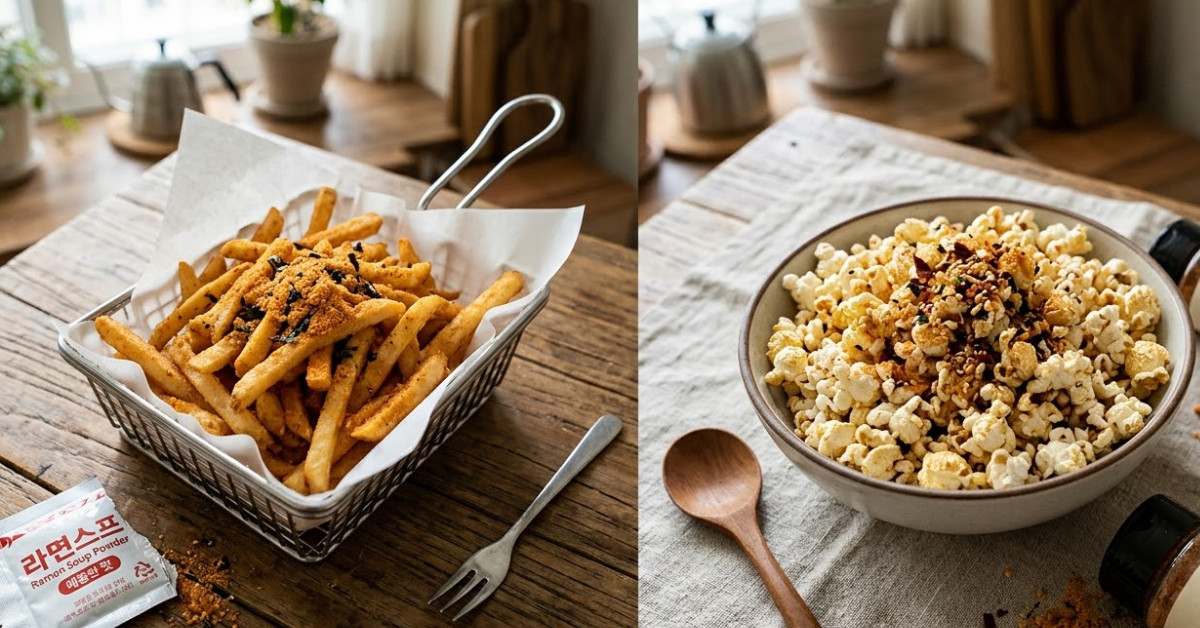
If delivery fries or popcorn go cold, ramen powder can turn them into a next-level snack. Heat fries in an air fryer at 356°F (180°C) for roughly 3 minutes to dry out surface moisture. Toss them in a clean plastic bag with half a packet of soup powder and a pinch of sugar, inflate the bag with air, and shake. A film of oil on the fries helps the powder stick, creating spicy-salty layers that can beat many chain-seasoned fries. It’s a simple trick that also makes beer pairing feel like a curated experience.
Soul food for solo dwellers: the three-minute addictive fried rice
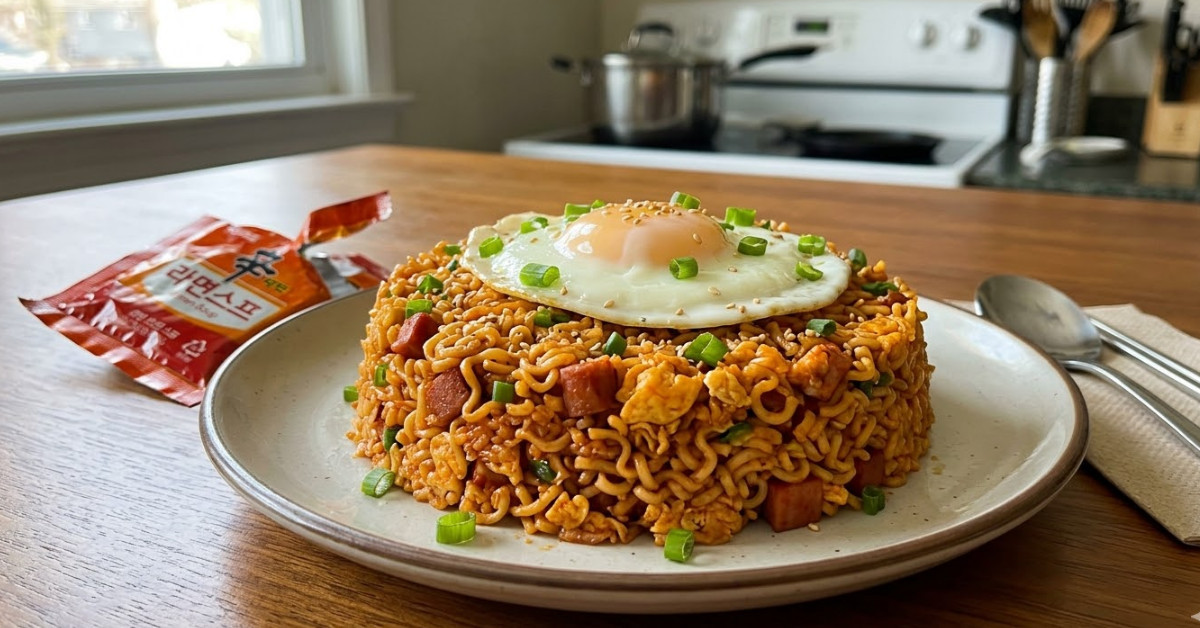
For anyone chasing an affordable, satisfying meal, fried rice made with ramen soup powder is a go-to. The technique is simple but the result is refined. Heat plenty of oil in a pan and sauté sliced green onions to create scallion oil. Once fragrant, scramble an egg and add one bowl of cold rice. Sprinkle half a packet of soup powder and add one tablespoon of water to prevent clumping. Stir-fry over high heat until the grains separate and dry out; each grain will be coated in umami. Finish with a drop of sesame oil to round out the powder’s spicy edge and amplify nuttiness.
Street-stall-style steamed egg technique
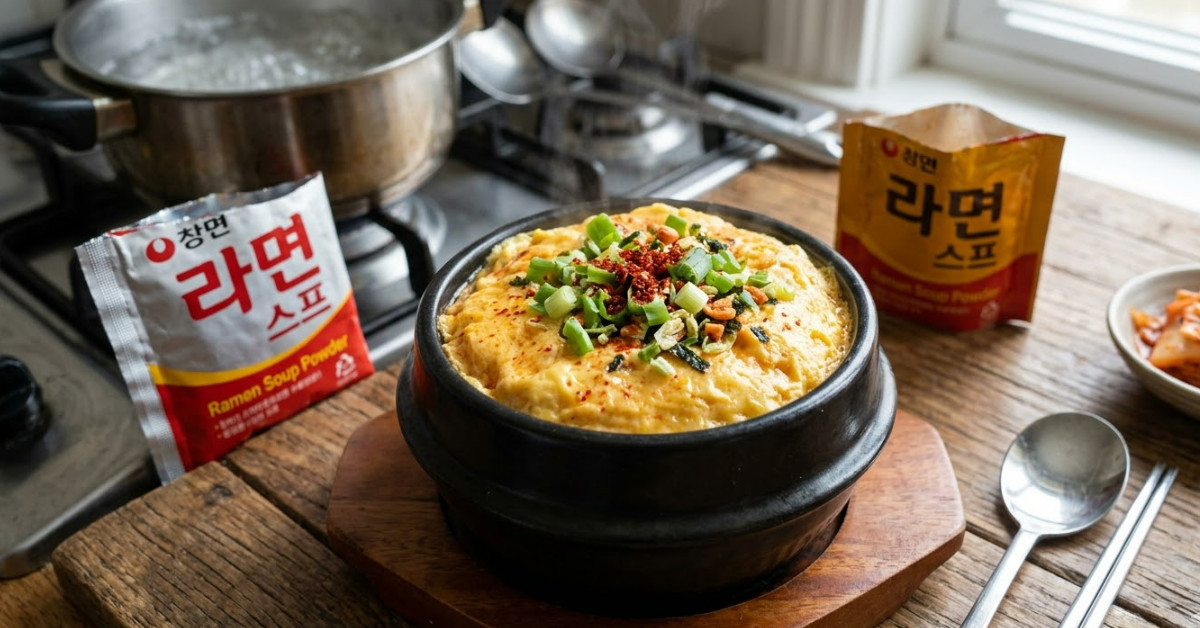
The secret behind that addictive steamed egg you get at BBQ spots and food stalls? Soup powder. Beat three eggs in an ovenproof or microwave-safe bowl, then mix with an equal part of water. Instead of salted shrimp paste or straight salt, add about one teaspoon of ramen soup powder. The garlic and onion powders tame eggy odors and, when they bind with protein, build a rich flavor profile. Microwave for about 3–4 minutes until the surface is soft and the interior stays moist—you’ll have a perfectly seasoned “bomb” steamed egg that’s both a great protein hit and a delightful side.
A secret rub that enhances meat

Ramen powder works beyond soups and stir-fries. Campers already swear by using it as a rub instead of salt and pepper on pork belly or shoulder. Sprinkle it as the meat cooks: heat caramelizes any sugars, and the spices melt into the fat for deeper flavor. It also masks off-notes in meats. Coat a whole pork belly for the air fryer with the powder and you’ll get a crisp exterior, juicy interior, and seasoning that penetrates deeply.
Scientific storage to prevent caking
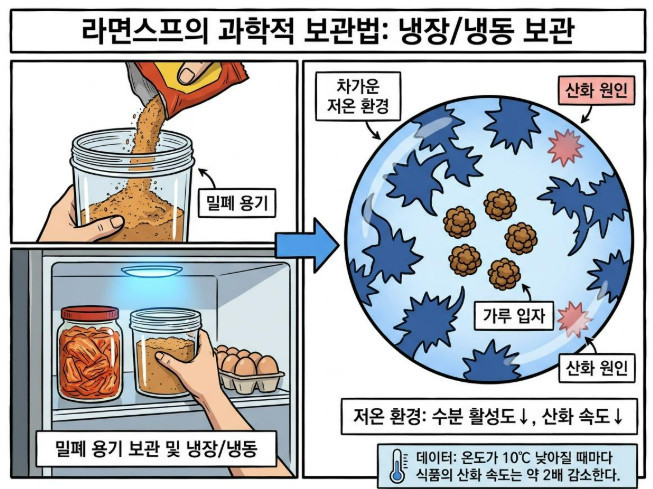
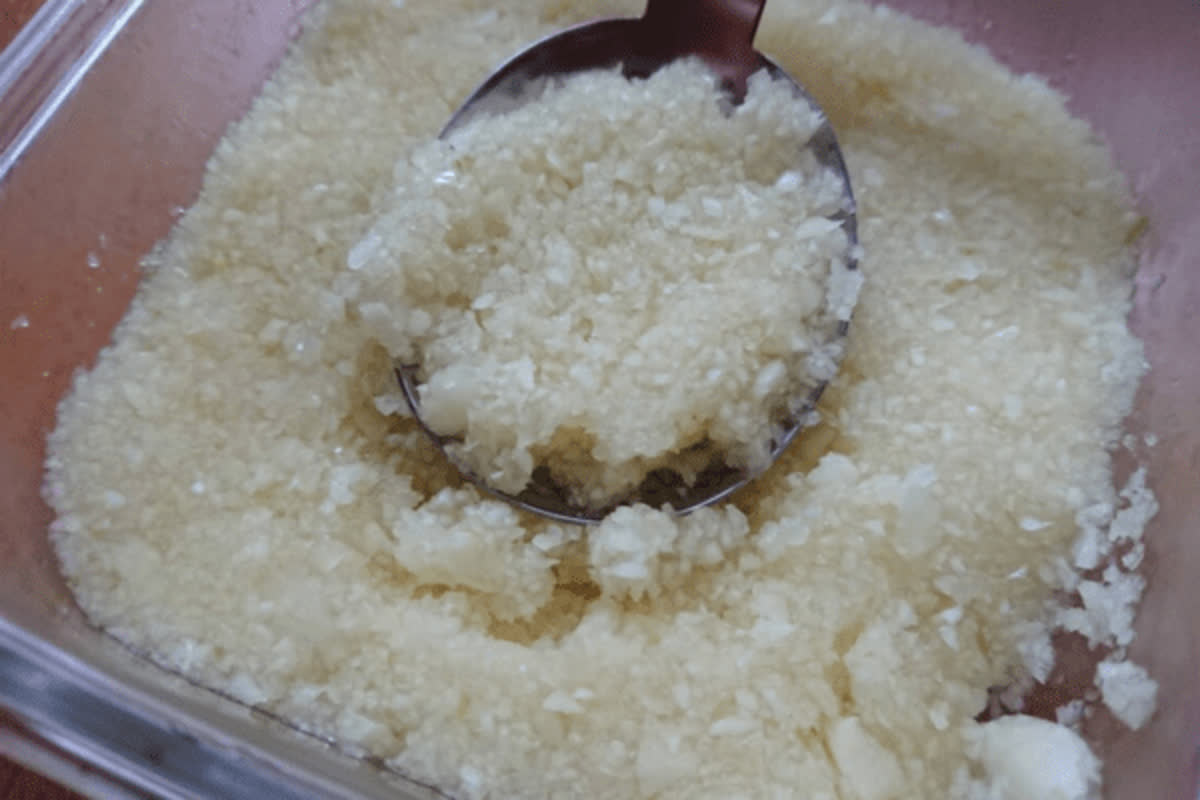
The powder’s main weakness is humidity. High salt and sugar content make it hygroscopic—it soaks up moisture from the air. An opened packet left at room temperature can cake within a day, forming hard lumps that ruin flowability and complicate cooking. Seal the packet immediately after opening. Store the powder in an airtight container in the fridge or freezer for best results. Low temperatures reduce water activity and slow oxidation, keeping the powder’s texture intact. If you’ve saved silica gel packets from shoe boxes or food packaging, toss one into the container for extra protection.
Small acts that support sustainable eating
Saving leftover ramen soup powder is more than thrift—it’s a modern approach to ingredients. Reimagining processed-food byproducts as useful kitchen tools is the first step toward a richer pantry. With more single-person households and a flood of delivery meals, finding value in what we used to toss brings both economic benefit and culinary joy. That red powder languishing in your kitchen could be the most loyal sous-chef, ready to perfect your next meal. Give it a shake and discover how a tiny effort opens up a big world of flavor.
P










Most Commented