
Translation result
Milan’s landmarks show how this northern Italian powerhouse blends business, fashion, and centuries of style. It’s remarkable that amid sleek modern infrastructure, so many medieval and Renaissance gems remain beautifully preserved.
Here are four Milan landmarks you can’t skip on your next trip.
Milan Cathedral
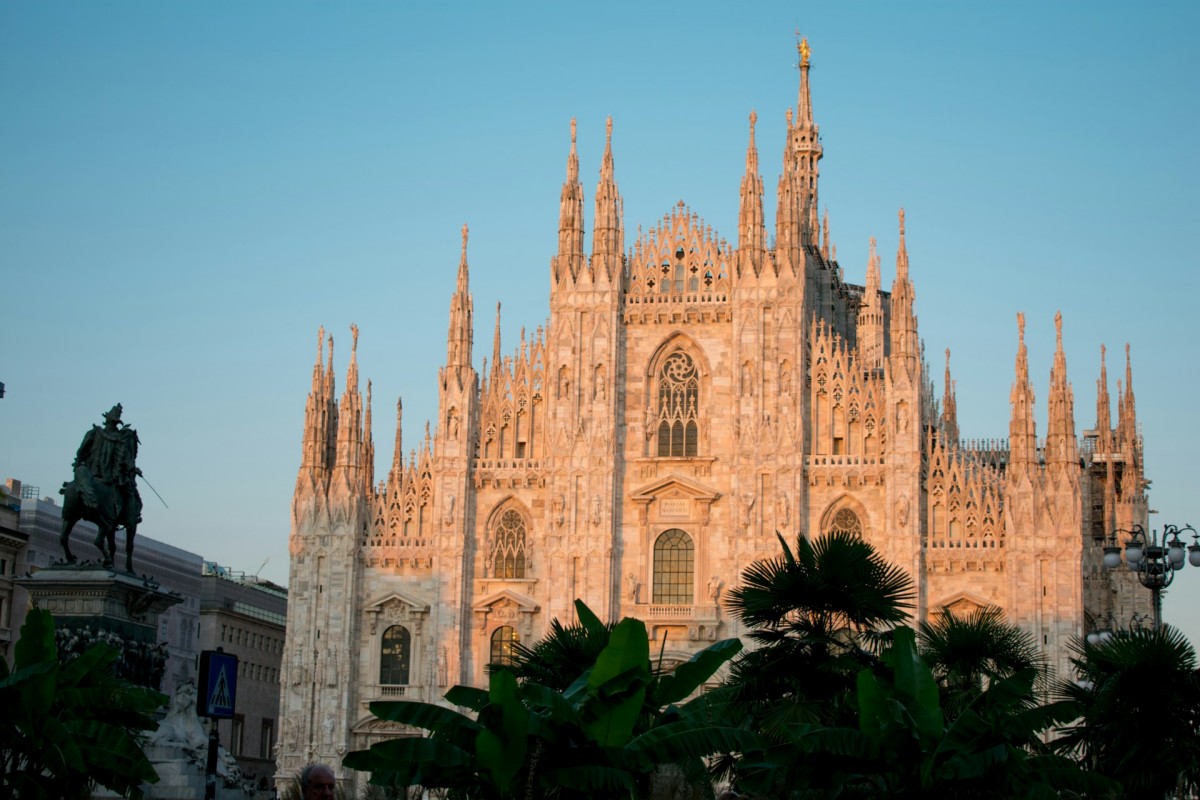
The Duomo is a soaring Gothic masterpiece. Construction began in 1386 and stretched over 500 years — yes, five centuries — which says a lot about its scale and ambition.
Its façade is crowned by 135 spires and thousands of statues, a level of craftsmanship that would have been unimaginable at the time. The exterior is clad in Candoglia marble, which gives the cathedral its signature luminous glow.
Inside, stained-glass windows portray key biblical scenes, and even visitors who aren’t religious often feel the hush of awe. You can reach the rooftop by elevator or by climbing the stairs to walk among the spires and take in sweeping views of Milan’s skyline. Note: the cathedral enforces a strict dress code — shoulders and knees must be covered for entry.
Galleria Vittorio Emanuele II
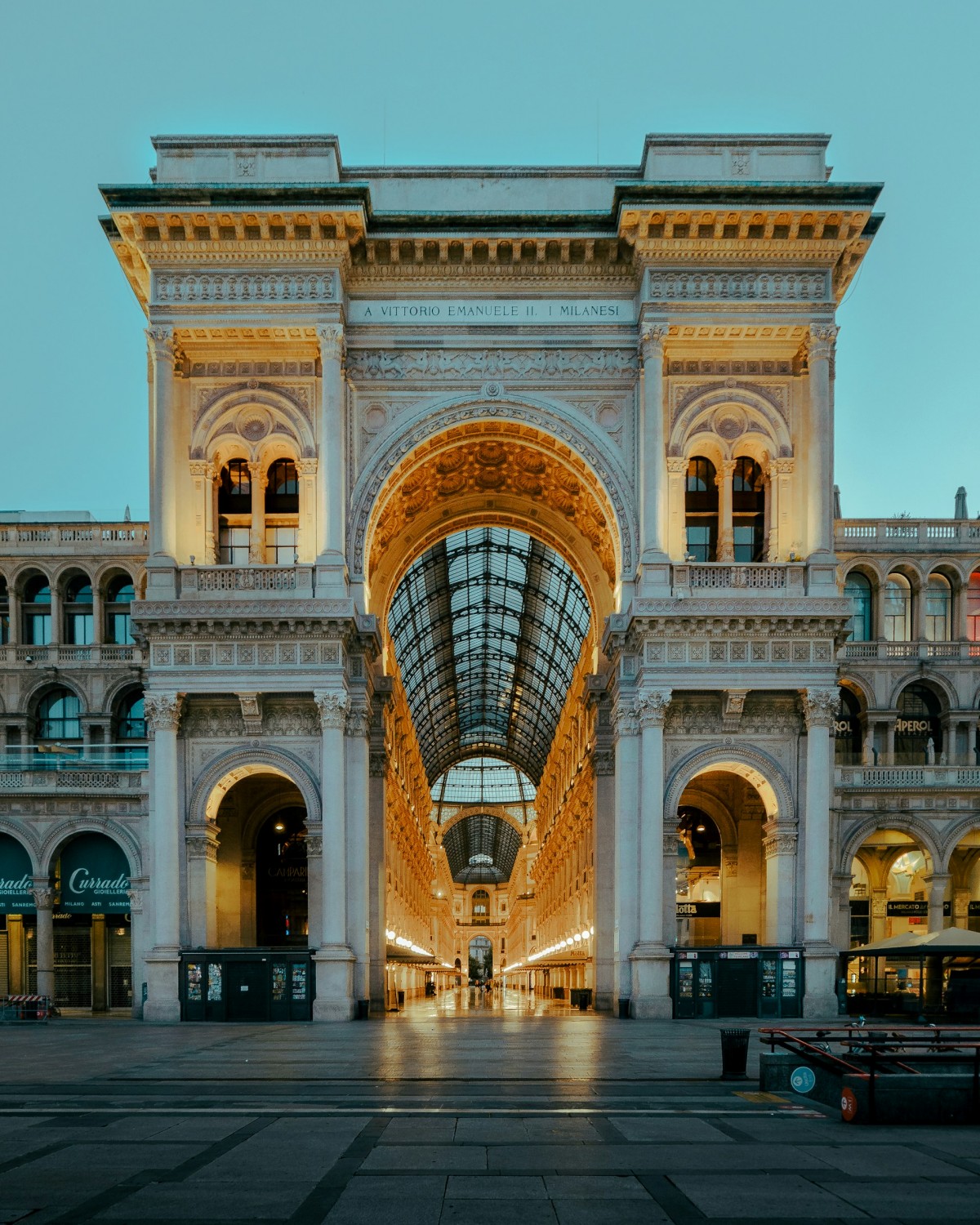
Just north of the Duomo, Galleria Vittorio Emanuele II opened in the 19th century as Europe’s first shopping arcade. Its glass-domed ceiling is utterly stunning, and the space is widely seen as an early prototype of the modern shopping mall.
The floors are laid with intricate marble mosaics, and the arcade houses global luxury brands alongside beloved local cafés and eateries. A popular tradition: stand on the mosaic bull in the center and spin on your heel for a bit of good luck — it’s a favorite spot for photos.
Architecturally, the octagonal central piazza and soaring glass dome create perfect symmetry, making it a prime spot for that unforgettable shot.
Sforza Castle
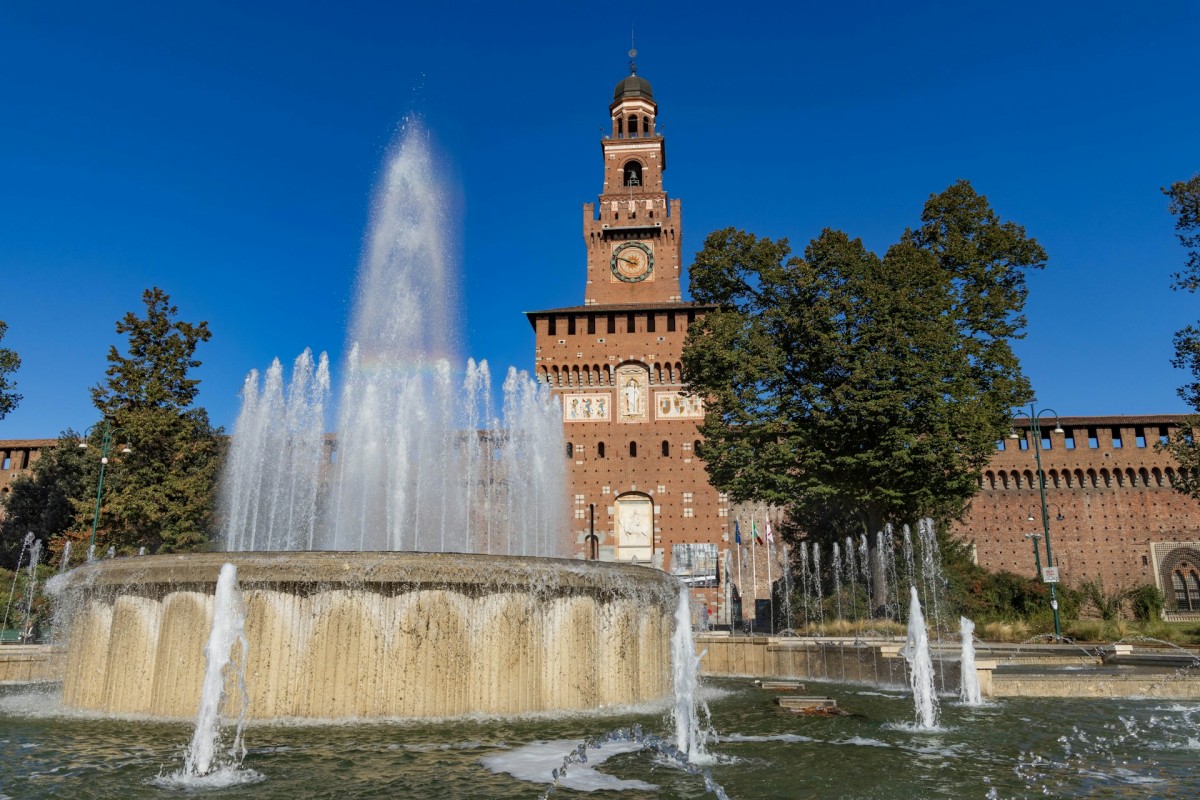
Sforza Castle, built by 15th-century ruler Francesco Sforza, served as both fortress and palace. Because it once functioned as a military stronghold, you can still sense layers of history, and the complex now houses multiple museums and art collections worth exploring.
Highlights include Michelangelo’s final, unfinished work — the Rondanini Pietà — along with large collections of antiquities and musical instruments. Behind the castle lies Sempione Park, Milan’s largest green space, perfect for a post-gallery stroll.
After your tour, relax like a local. The site pairs the majesty of a medieval fortress with the finesse of Renaissance art, offering a vivid sense of Milan’s historical depth.
Church of Santa Maria delle Grazie
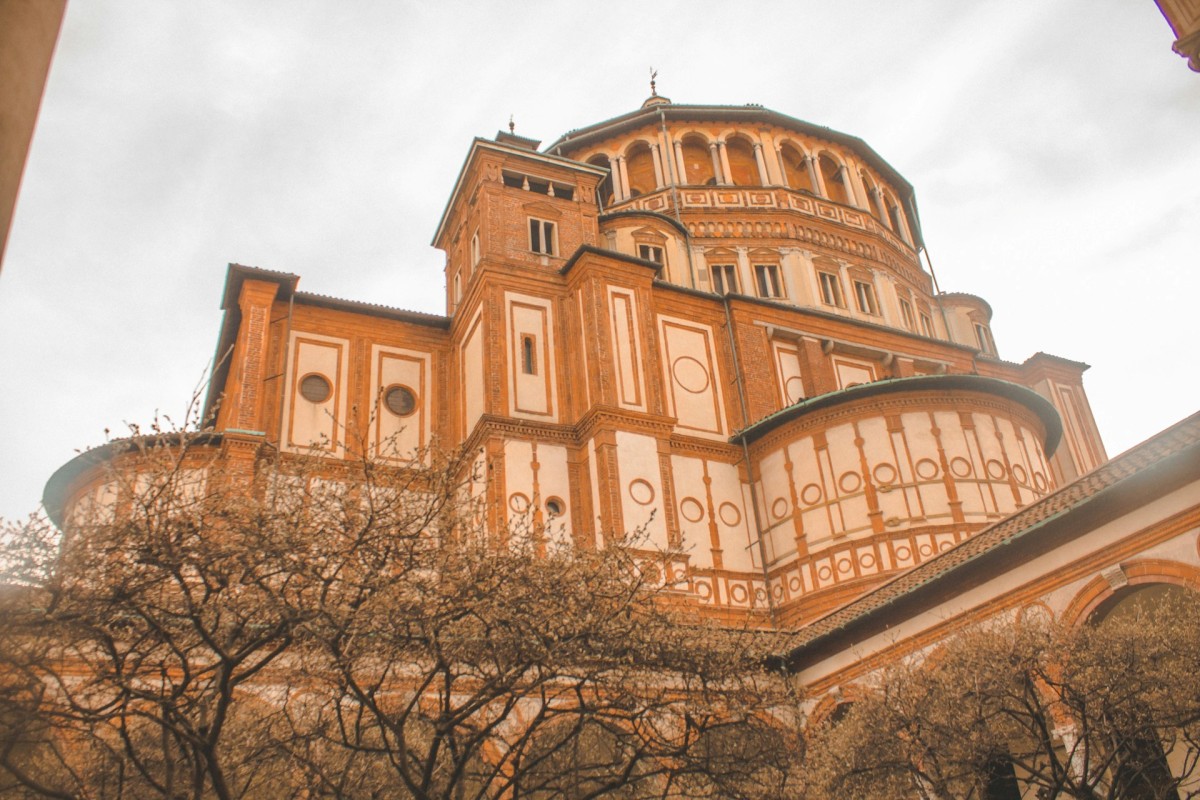
Santa Maria delle Grazie is a Renaissance church and a UNESCO World Heritage site. It’s world-famous because Leonardo da Vinci’s The Last Supper covers one wall of the refectory.
Da Vinci completed the mural in the late 15th century, and art historians value it for its mastery of perspective and emotional expression. To protect the work, visits are tightly limited — viewing times and group sizes are restricted, and tickets often sell out months in advance, so book early.
The church’s dome, designed by Donato Bramante, and its peaceful cloister are also worth a visit. Together, they create that uniquely Milanese blend of art and faith that’s impossible to forget.









Most Commented