
Discover the Unique Flavor of Gyeongsangdo: Why Soybean Leaves Are the New Culinary Trend in Korea
Daniel Kim Views
Translation result
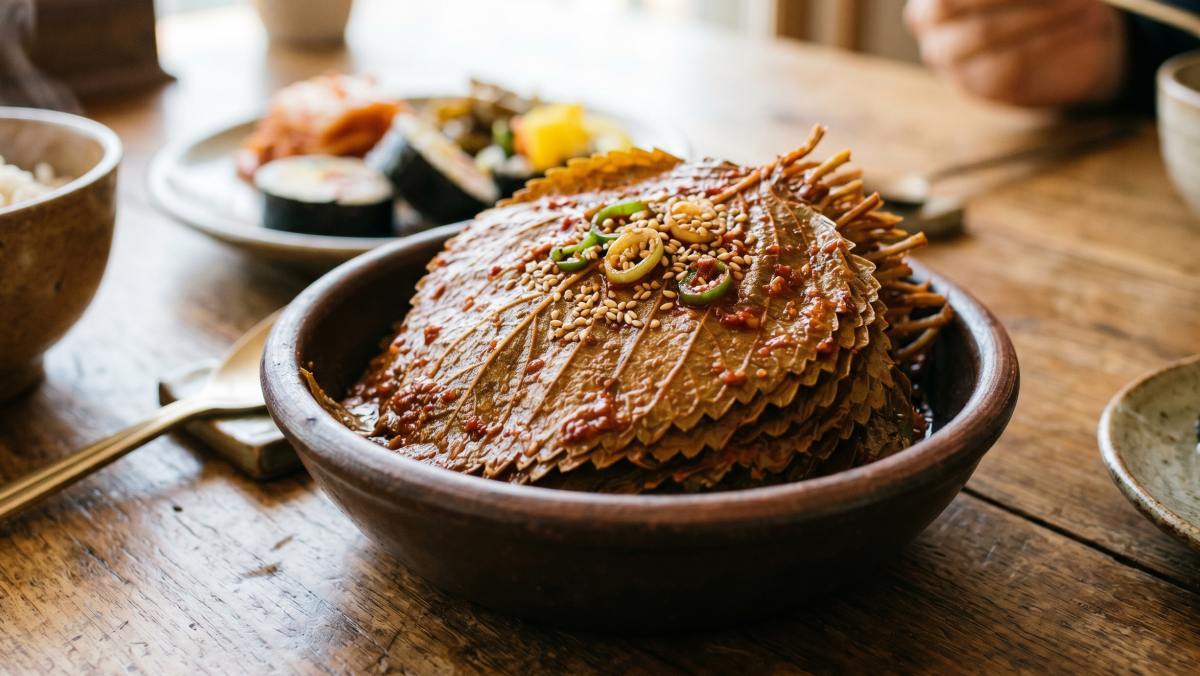
Perilla leaves are a staple on Korean tables, but in the Nakdong River basin of Gyeongsang Province, another leafy green is even more highly prized.
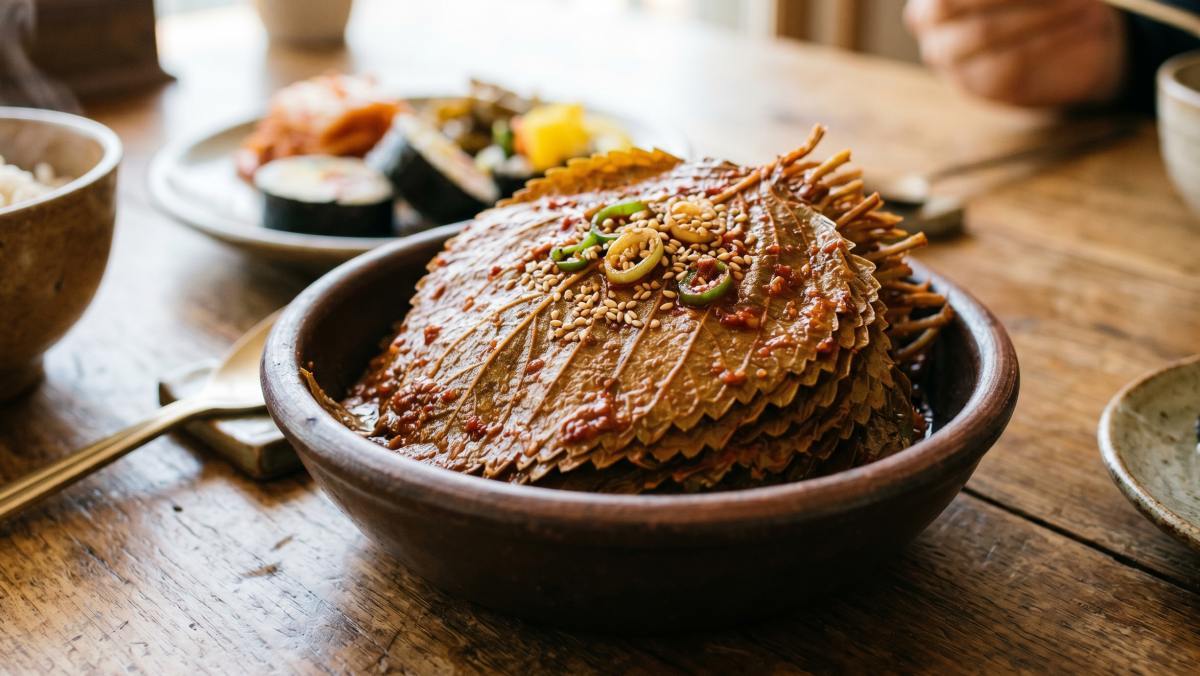
That plant is the soybean leaf. Its coarse texture and unusual aroma split opinions outside the region, but for people from Gyeongsang it’s pure nostalgia—the flavor of childhood and home.
The prominence of soybean leaves in Gyeongsang cuisine has deep geographic and historical roots. The region’s hilly terrain and poor soils made soybean farming common for generations. Soybeans flourished where other crops struggled, supplying vital protein, and nothing was wasted—people began eating the leaves, too. While Jeolla developed perilla-leaf pickles from its abundance of ingredients, Gyeongsang elevated the soybean leaf’s rugged character into a culinary tradition.
How soybean leaves are enjoyed depends on when they’re picked and how they’re processed. In summer, raw soybean-leaf kimchi uses freshly picked green leaves tossed in a bold mix of anchovy fish sauce and lots of garlic. The leaves are firmer than perilla, but their nutty, bean-like flavor comes through as you chew. There’s also doenjang-soaked soybean-leaf jangajji, made by aging leaves in a fermented soybean paste jar—an ingenious way to deepen flavor and preserve the harvest.
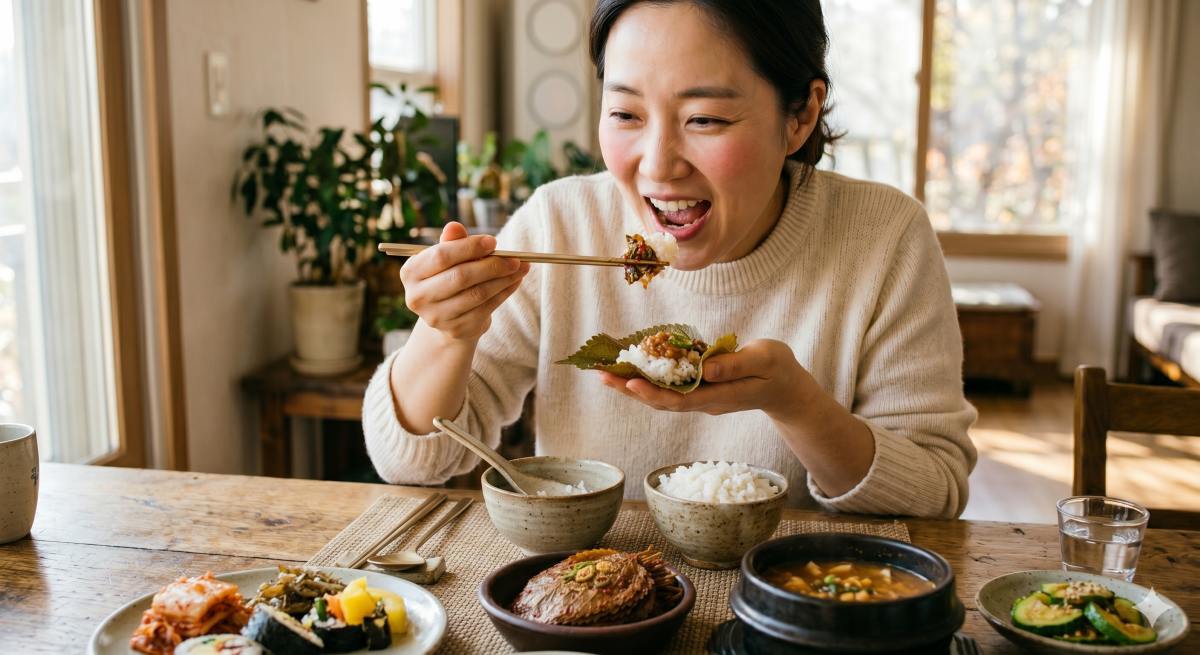
The peak of Gyeongsang soybean-leaf cuisine comes in autumn with danpung soybean leaves (yellow soybean leaves). Harvesters pick leaves after they turn yellow but before the first frost, then soak them in saltwater for many days. The fermented leaves develop a distinct, slightly earthy aroma. After repeated rinsing and steaming to soften them, each leaf is hand-coated with a seasoning made from anchovy fish sauce, red pepper powder, and corn syrup. That labor-intensive, hands-on process is why, as of 2026, small 500 g (about 1.1 lb) packages sell as premium side dishes, fetching roughly 15,000 to 30,000 KRW (about $11.25–$22.50).
Nutritionally, soybean leaves are excellent. They’re rich in isoflavones—the same beneficial compounds found in soybeans—so they offer antioxidant effects and support vascular health. The leaves contain higher flavonoid levels than perilla and provide plenty of dietary fiber, which helps digestion and can blunt spikes in blood sugar. In short, you get the “field meat” benefits of soybeans through the leaves, too.
As one-person households rise and food trends diversify, soybean leaves are attracting attention well beyond Gyeongsang. Their coarse texture and bold seasonings appeal to younger eaters as a quirky, “halmaennial” (grandmother + millennial) culinary experience. Once a humble staple that helped Gyeongsang families survive on poor soil, soybean leaves are now carving out a place as a distinctive Korean regional delicacy.












Most Commented